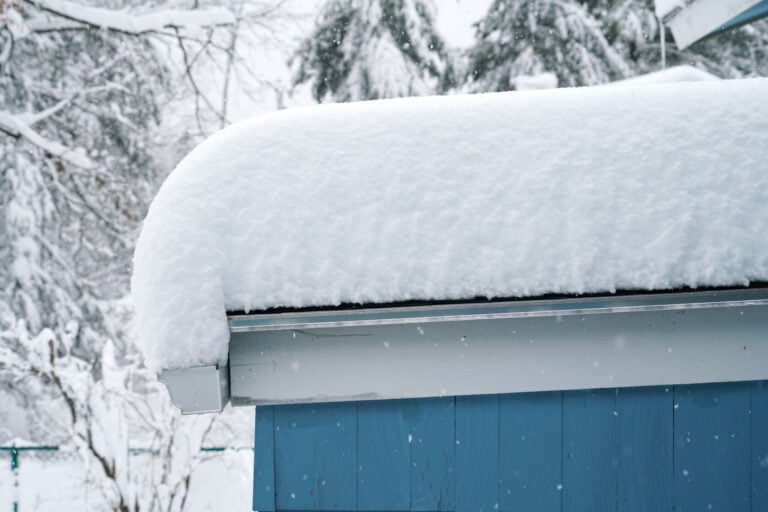
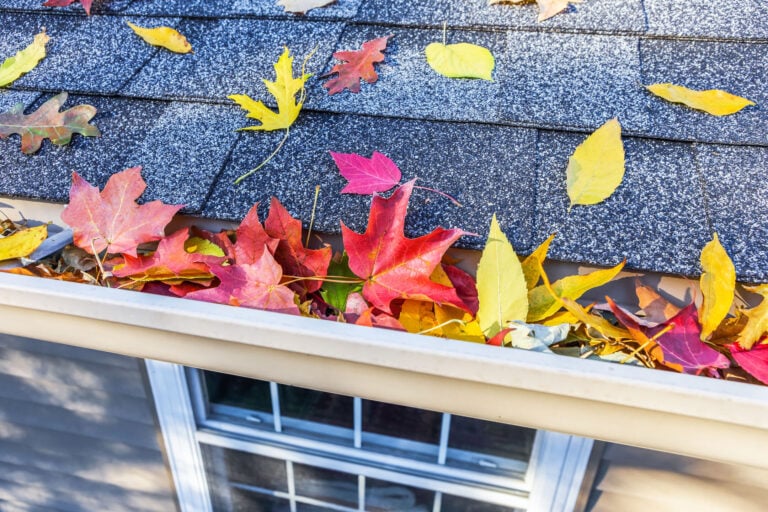
A fresh blanket of snow looks peaceful, but it can weigh far more than most homeowners realize. When storms stack up or wet snow settles in, that weight presses down on your rafters, decking, and shingles every hour it stays in place. Understanding the snow load on roof surfaces helps you know when to relax and when to take action. It also gives you a better sense of how well the top of your home is built to handle winter before the next big storm rolls in.
A few things this guide will help you understand:
- What snow load is and why it matters
- Nine factors that affect how much weight your roof can hold
- Warning signs that your roof is under too much stress
- How to estimate snow weight and remove it safely
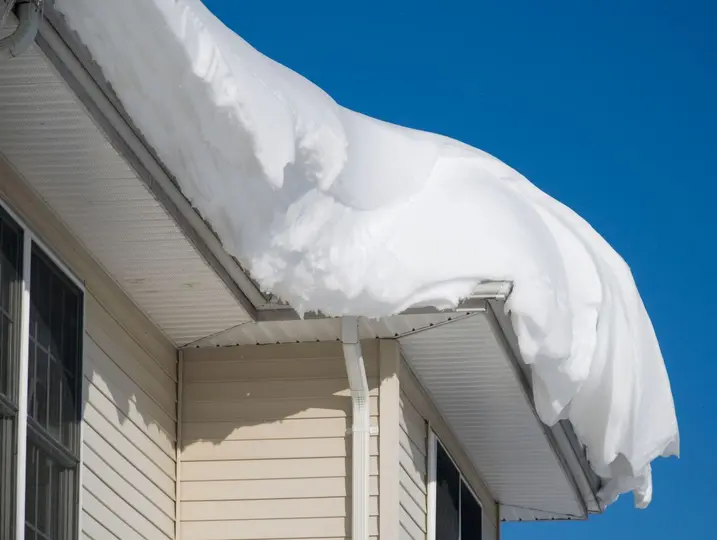
Why Snow Weight Deserves Your Attention
Most homeowners think about snow in terms of shoveling the driveway, not what is happening overhead. Yet every inch that piles up on your roof adds weight, and that weight can build quietly over the course of a single storm or a long cold stretch.
As a general guideline, many residential roofs can support about 20 pounds of snow load per square foot, although the true limit depends on your home’s design and condition. Here is why it is worth paying attention:
- Prevents structural damage: Excess weight stresses the roof structure, causing rafters to bend, decking to crack, and ceilings to sag.
- Reduces leak risk: Heavy snow often leads to ice dams, which can push meltwater under shingles and into the attic.
- Protects your family: In rare but serious cases, a roof collapse can put anyone inside at risk.
- Saves on repairs: Spotting a problem early is far less expensive than repairing structural damage after the snow melts.
Homeowners in Alexandria and surrounding areas do not see heavy snow every winter, but occasional big storms and heavy snow loads do happen. Because those events are less frequent, many people are caught off guard when one arrives.
9 Factors That Affect How Much Snow Your Roof Can Hold
There is no single number that applies to every home. These factors all play a role in how much weight your roof can safely support during the winter.
1. Type of Snow
Not all snow weighs the same. Snow density varies widely: light, fluffy powder is much lighter than wet, heavy snow, and old snow that has settled and compacted weighs even more. A foot of wet snow can put several times more stress on your roof than a foot of fresh powder.
2. Snow Depth
The deeper the snow, the greater the load. Snow accumulation from multiple storms can stack up quickly, especially when temperatures stay too cold for melting between events.
3. Ice Buildup
Ice is far denser than snow, so when ice forms on top of or beneath accumulated snow, even a thin layer adds significant weight. Heat escaping through poor attic insulation often melts snow that refreezes at the eaves and gutters.
4. Rain on Snow
When rain falls on an existing snowpack, the snow acts like a sponge. It absorbs the water and becomes much heavier without looking any deeper from the ground.
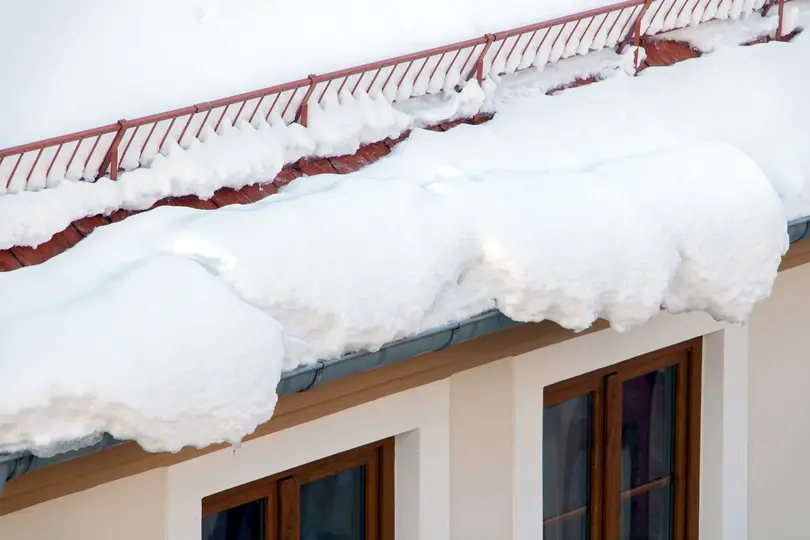
5. Roof Pitch
Steeper roofs tend to shed snow naturally, while low-slope and flat roofs hold onto it. That is why low sloped roofs over porches, a garage roof, or an addition often carry the heaviest loads.
- Steep roofs usually shed snow before it builds up
- Flat roofs can collect snow and meltwater with nowhere to go
6. Drifting and Uneven Loads
High winds can push snow drifts into valleys, behind chimneys, and where a lower roof meets a taller wall. These spots can carry far more weight than the rest of the roof.
7. Roof Age and Condition
An older roof with worn decking, rot, or past water damage cannot handle as much stress as a newer one. Hidden weaknesses often show up for the first time under heavy snow.
8. Framing and Structure
The size, spacing, and condition of your rafters or trusses, along with the quality of the original construction, determine how much weight your roof can actually support. Homes that have been remodeled or had attic changes may have different capacities than originally designed.
9. Local Building Codes
Building codes set minimum design loads based on historical data for each region. Civil engineers designing structures start with the ground snow load (pg), then adjust it for wind exposure, whether the roof is fully or partially exposed, the thermal factor (Ct) that reflects heat generated inside the home, and other factors. A home built to code in Northern Virginia is designed for typical local snowfall, and your local building department can share the requirements for your area.
Each of these factors interacts with the others, which is why two neighboring homes can respond very differently to the same storm. Knowing your roof’s weak spots helps you decide when to take action.
Warning Signs Your Roof Is Carrying Too Much Snow
Your home usually gives clues when the weight on the roof is becoming a problem. Many of the most important signs show up inside the house, not on the roof itself.
- Sagging rooflines: A visible dip along the ridge or between rafters is a serious red flag that needs immediate attention.
- Sticking doors: Interior doors on upper floors that suddenly stick or will not latch may indicate the frame is shifting under the weight.
- New cracks: Fresh cracks in drywall or plaster, especially near door frames and ceilings, can signal structural stress.
- Creaking or popping sounds: Unusual noises from the attic or ceiling during or after a storm may mean framing is under strain.
- Water stains or leaks: Damp spots on ceilings often point to ice dams forcing meltwater into the home.
- Bent or bowed ceilings: Any visible bowing in the ceiling surface should be treated as an emergency.
If you notice any of these signs, keep people out of the affected area and call a roofing professional right away. Do not climb onto a snow-covered roof yourself, since the surface is slippery and the structure may already be compromised.
How to Estimate Snow Weight and Stay Safe
You do not need to be an engineer to get a rough idea of how much weight is on your roof. A simple calculation can help you decide whether the snow is approaching a level worth worrying about.
A Simple Snow Load Formula
Basic snow load calculations multiply snow density by depth in feet. For example, two feet of fresh snow at roughly 3 to 5 pounds per cubic foot equals about 6 to 10 pounds per square foot. The table below shows typical densities for different types of snow.
| Type of Snow | Approximate Density (lbs per cubic foot) | What It Means for Your Roof |
| Fresh, fluffy snow | 3 to 5 | Lightest load, usually not a concern in moderate amounts |
| Old or settled snow | 12 to 26 | Much heavier, can approach limits at a few feet deep |
| Ice | 51 to 58 | Extremely heavy, even thin layers add up quickly |
This formula is a simplified estimate based on a flat surface, while structural engineering uses more detailed methods for specific conditions. Steeper roofs often carry less weight since snow slides off, while drifts and valleys can carry more.
Safe Ways to Reduce Snow Load
If the snow is heavy and deep, removing some of it can relieve pressure on your roof. The key is doing it without putting yourself or your roof at risk.
- Use a roof rake: A long-handled roof rake lets you clear snow from the lower edges of a single-story roof while staying on the ground.
- Leave a thin layer: Scraping down to the shingles can damage them, so leave an inch or two behind and keep gutters clear for meltwater.
- Hire a professional: For snow removal on two-story homes, steep roofs, or heavy ice, a trained crew with proper safety gear is the safest option.
Never climb onto a snowy roof or use metal tools that can tear shingles. For most homes in Alexandria and surrounding areas, the safest approach is to monitor conditions and call for help when the snow gets unusually heavy.
Frequently Asked Questions About Snow Load on Roofs
Snow load can be confusing, especially for homeowners who only see big storms every few years. Here are answers to some of the most common questions.
How much snow can a typical roof hold?
Many residential roofs can withstand around 20 pounds per square foot. Depending on the snow type, that could be roughly 4 feet of fresh powder or closer to 2 feet of old, packed snow.
Is wet snow heavier than dry snow?
Yes. Wet snow holds much more water, so one foot of it can weigh several times more than one foot of light, fluffy snow.
Should I remove snow from my roof after every storm?
Usually not. Most homes built to code can handle normal snowfall. Removal becomes important when snow is unusually deep, wet, or combined with ice, or when you notice warning signs.
Can a flat roof hold as much snow as a sloped roof?
Flat roofs often carry more snow because it does not slide off. They need closer monitoring during heavy storms and good drainage to handle meltwater.
Does homeowners insurance cover snow damage to a roof?
In many cases, yes, especially for sudden damage like a collapse or ice dam leak. Coverage depends on your policy and the condition of the roof before the storm, so it is best to review your specific plan.
Every roof responds differently to winter weather. If you are unsure whether your roof is ready for heavy snow, a professional inspection can give you peace of mind before the next storm.
Prepare Your Roof Before the Next Big Storm
Snow load is easy to overlook until a heavy storm puts your roof to the test. Knowing the warning signs, understanding what affects your roof’s capacity, and addressing weak spots before winter can protect your home and your family.
Springfield Roofing helps homeowners in Alexandria and surrounding areas keep their roofs strong, safe, and ready for winter weather. Whether you need an inspection, repairs to weakened areas, a new roof, or advice about your roof’s condition, our team is here to help. Contact us today to schedule a visit before the next snowfall arrives.