When an aging roof starts leaking in December, many homeowners assume they are stuck waiting until spring. If you have been wondering can you replace a roof in winter, the short answer is yes. With the right crew, materials, and planning, cold-weather installations are safe and effective. Understanding how the process works helps you protect your home and make a smart decision about the long-term health of the roof over your head instead of letting a small problem grow all season.
Here is a quick look at what this guide covers:
- Why waiting until spring is not always the safer choice
- Five common myths about winter roof replacement
- How professionals adapt to cold temperatures
- How winter compares to other seasons for roofing
Why Winter Timing Matters More Than You Think
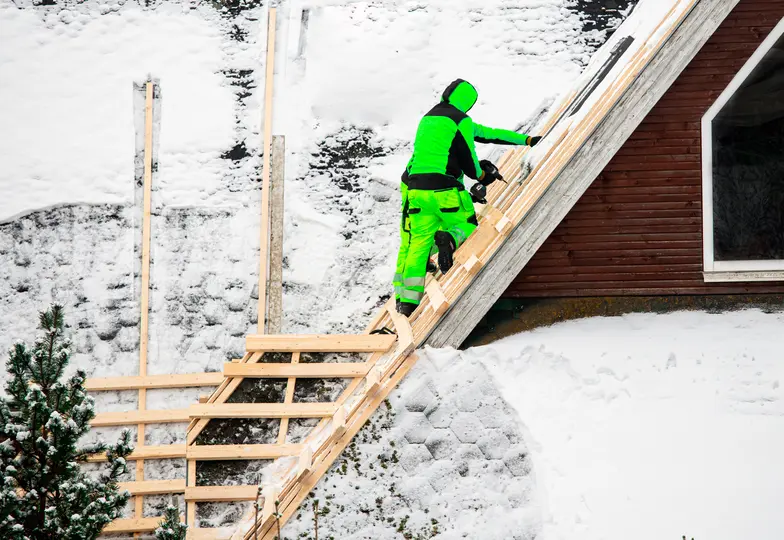
A failing roof does not pause for the season. Snow, ice, freezing rain, and strong winds put extra stress on worn shingles, and a roof that barely made it through fall may not survive another few months of winter weather.
Many roofing experts agree that a winter roof replacement is a practical option when a roof is near the end of its life. Here is why acting now can make sense:
- Stops active damage: Replacing a leaking roof prevents water from soaking insulation, drywall, and framing throughout the winter.
- Easier scheduling: Winter is a slower season for many roofing companies, so you may be able to book a project sooner.
- Avoids emergency repairs: A planned replacement is far less stressful and often less expensive than an urgent fix after a storm.
- Protects your belongings: A solid roof keeps attics, ceilings, and everything stored inside safe from leaks and mold.
For homeowners in Falls Church and surrounding areas, winters tend to be moderate, with plenty of workable days between colder stretches. That makes a winter replacement far more realistic here than in regions with long, harsh winters.
5 Cold-Weather Roofing Myths, Debunked
A lot of the hesitation around winter roofing comes from outdated beliefs. Here are the most common myths and the facts behind them.
1. Myth: Shingles Cannot Seal in Cold Weather
Asphalt shingles rely on heat-activated sealant strips to bond together, and cold temperatures do slow that process. However, that does not mean they will never seal. Experienced roofers use manual sealing methods in cold weather, and the strips will fully activate once warmer, sunny days arrive.
- Roofing cement or adhesive can be applied by hand to secure each shingle
- Sealing often finishes naturally on the first warm days of spring
2. Myth: Roofers Stop Working Once It Gets Cold
Professional crews work year-round in most areas. They simply adjust their schedules, start later in the morning once frost has burned off, and plan around the forecast. Many homeowners are surprised to learn how much work gets done in December, January, and February. In milder climates, cold snaps rarely last long enough to shut down a project for more than a day or two.
3. Myth: Your Home Will Be Exposed to Snow
A good crew never tears off more roof than it can cover the same day. Sections are removed, dried in with underlayment, and protected before the crew leaves, so your home stays sealed even if snow or rain moves in overnight.
- Crews monitor forecasts closely and reschedule if a storm is expected
- Tarps and underlayment provide protection between work sessions
4. Myth: Winter Installations Void the Warranty
Shingle manufacturers recognize that roofs get installed in all seasons. Many provide specific cold-weather installation instructions, and following those guidelines is what keeps your warranty valid. The key is working with a qualified contractor who knows and follows those requirements. Before signing a contract, ask how the crew handles cold-weather installs and whether those steps meet the manufacturer’s standards.
5. Myth: Waiting Until Spring Is Always Better
Spring and fall offer ideal conditions, but waiting is not always the safer option. If your roof is leaking, missing shingles, or showing signs of structural damage, every week of delay can lead to more water damage inside your home. In those situations, a winter replacement is often the smarter choice. Delaying can also mean competing with everyone else who waited, since spring schedules tend to fill up quickly once the weather warms.
Once you separate myth from fact, winter roofing looks far more practical than most homeowners expect. The real question is not whether it can be done, but whether it makes sense for your roof right now.
How Professionals Make Winter Installations Work
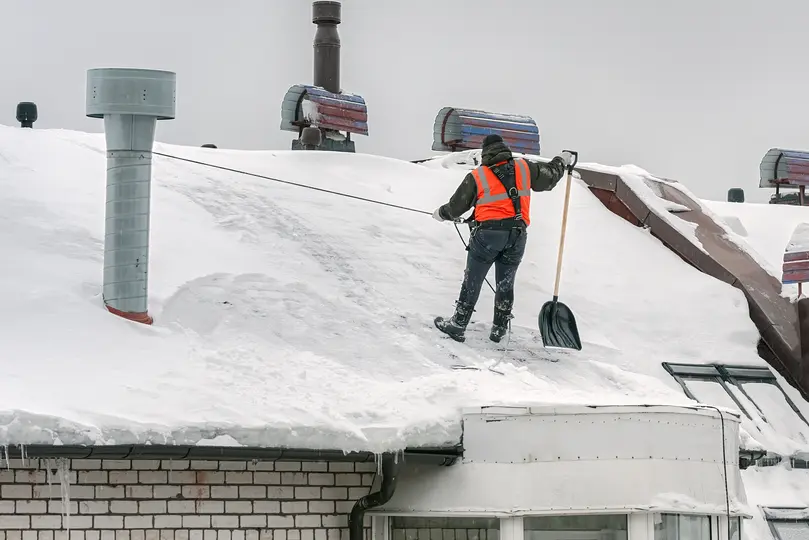
Replacing a roof in cold weather takes extra care, and experienced crews adjust their process to protect both your home and the new materials. Here are some of the steps that make a winter installation successful.
- Working with the weather: Crews plan around dry days and above-freezing afternoons, avoiding work on icy or snow-covered surfaces.
- Storing materials properly: Shingles become stiff and brittle in the cold, so many roofers keep bundles in a warm space until they are ready to install them.
- Hand-sealing shingles: Applying roofing adhesive by hand helps shingles stay secure against wind until the factory sealant activates.
- Adjusting nail guns: Cold shingles are easier to crack or overdrive, so crews adjust air pressure and nailing techniques to match conditions.
- Prioritizing underlayment: Ice and water shield along the eaves and valleys adds critical protection during the coldest months.
- Keeping crews safe: Safety harnesses, proper footwear, and clear surfaces matter even more when temperatures drop.
These adjustments are a normal part of the job for an experienced roofer. When they are handled correctly, a winter roof performs just as well as one installed in any other season.
It also helps to plan the project with some flexibility. A few weather delays are normal in winter, and a good contractor will keep you updated on scheduling so there are no surprises.
How Winter Compares to Other Roofing Seasons
Every season has its own advantages and challenges when it comes to roof replacement. Seeing them side by side can help you decide when your project makes the most sense.
| Season | Advantages | Challenges | Best For |
| Winter | More open scheduling, stops active leaks | Cold slows shingle sealing, short daylight | Urgent replacements and failing roofs |
| Spring | Mild temperatures, good sealing conditions | Frequent rain can cause delays | Planned projects after winter damage |
| Summer | Long days, fast shingle sealing | Extreme heat, busy contractor schedules | Homeowners who can book early |
| Fall | Ideal temperatures, roof ready before winter | Peak demand, limited availability | Planned replacements with flexible timing |
As the comparison shows, no season is perfect. Fall is often considered the best time to replace a roof, but it is also the busiest, which can mean longer waits.
For homeowners in Falls Church and surrounding areas, winter can be a smart window for getting a roof replaced without competing for a spot on a crowded schedule. If your roof truly cannot wait, the benefits of acting now usually outweigh the challenges.
Frequently Asked Questions About Replacing a Roof in Winter
Winter roofing raises plenty of questions for homeowners. Here are straightforward answers to some of the most common ones.
What is the lowest temperature for installing a roof?
Many shingle manufacturers recommend installing above 40°F for best results, though roofs can be installed in colder conditions with special techniques. Your contractor will follow the specific guidelines for your chosen product.
Will a winter roof replacement take longer?
It can take a bit longer due to shorter days and weather delays. Most residential projects still finish within a few days once work begins. Your contractor should give you a realistic timeline that accounts for possible weather pauses.
Is a winter roof replacement cheaper?
Some contractors offer more flexible scheduling or off-season pricing in winter. Costs depend on your roof size, materials, and the condition of the decking.
Can a roof be replaced when there is snow on it?
Crews need a clear, dry surface to work safely. They will wait for snow to melt or clear it before starting, and they will not work during active snowfall.
Should I repair or replace my roof this winter?
If the damage is minor, a repair may get you through until spring. If the roof is old, leaking in several places, or has damaged decking, replacement is usually the better long-term solution. Patching a roof that is already failing often means paying for repairs now and a full replacement later.
Every roof is different, so the right timing depends on its condition and your plans. A professional inspection is the easiest way to find out whether winter replacement is the right move.
Get Your Roof Ready for Whatever Winter Brings
Winter does not have to put your roofing project on hold. With the right crew and the right process, a cold-weather replacement can stop leaks, protect your home, and give you peace of mind for years to come.
Springfield Roofing works with homeowners in Falls Church and surrounding areas to plan roof replacements that fit the season, the weather, and their schedule. If your roof is showing its age or you are unsure whether it can make it to spring, contact us today and our team will help you decide on the best path forward.