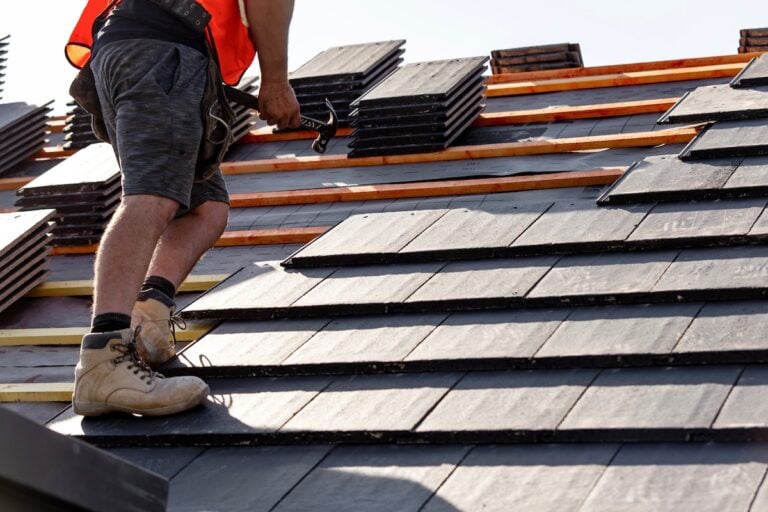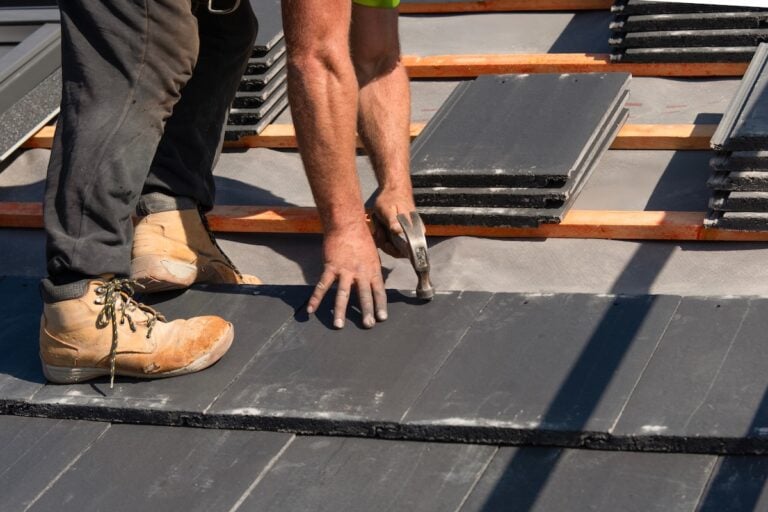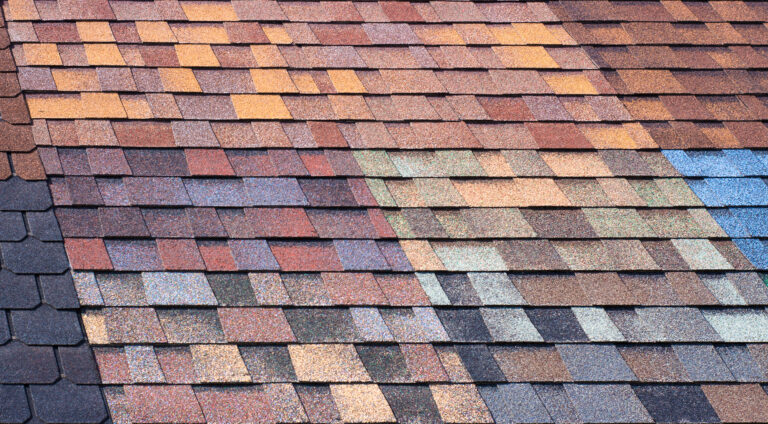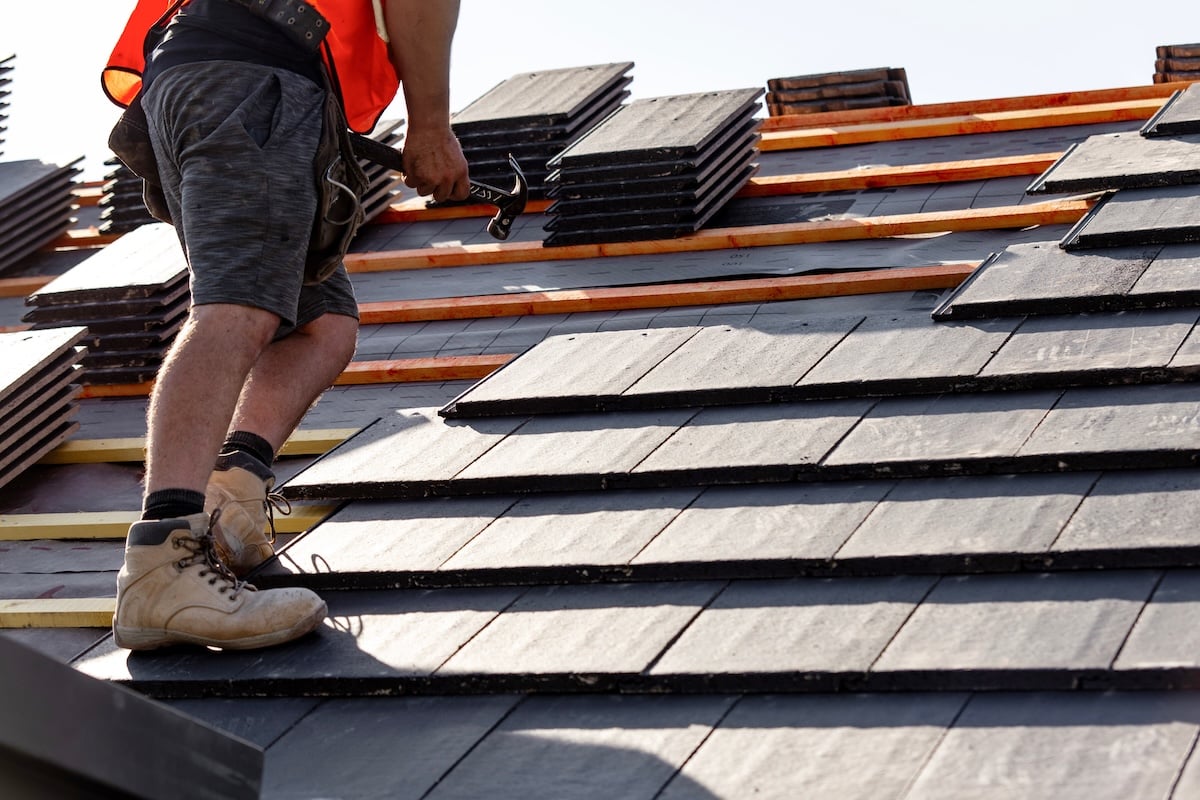
Choosing among slate roofing contractors is not the same as choosing a general roofing company, because slate is a specialty material that requires a different set of skills, tools, and experience than asphalt or metal work. Homeowners in Great Falls and surrounding areas with slate roofs (especially on older Victorian or Colonial homes) often discover that most local roofers either don’t work on slate at all or aren’t equipped to do it right. The difference between a true slate specialist and a general roofer attempting slate work can mean the difference between a roof that lasts another 100 years and one that fails within a decade. This guide explains what to look for, what questions to ask, and how to tell the experts from the imposters.
- Why it matters: Slate is a 100-plus year material, but only when installed and repaired correctly.
- What separates specialists: Training, tools, sourcing, and respect for the material make all the difference.
- What to ask: A few specific questions quickly reveal whether a contractor really knows slate.
Why Slate Roofing Is a True Specialty
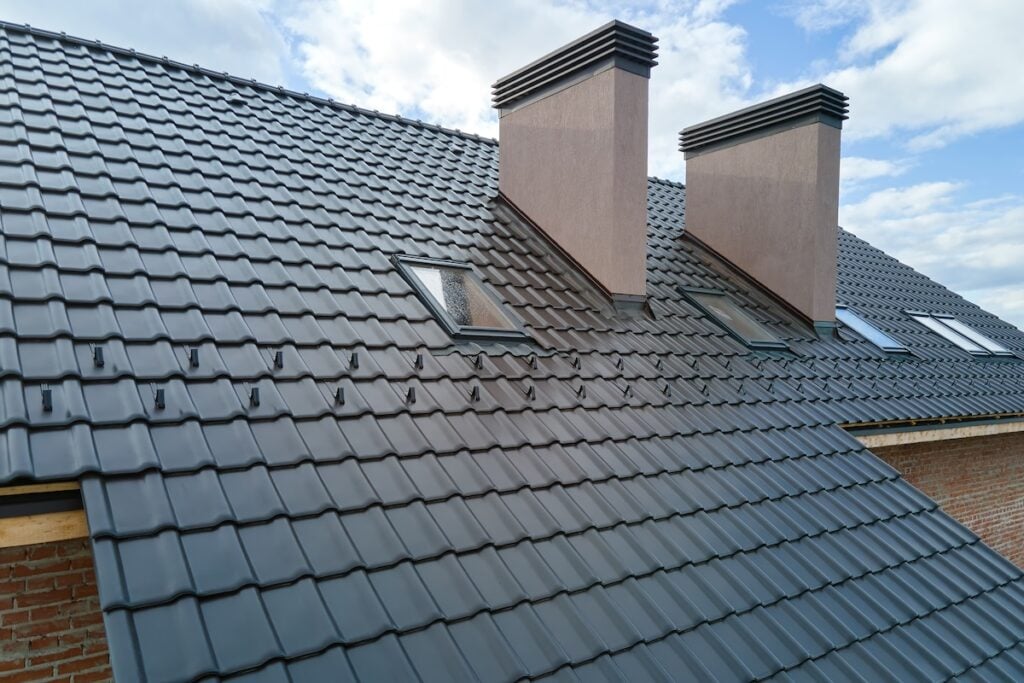
Slate roofing isn’t a variation on asphalt or metal work; it’s a different craft with its own techniques, tools, and standards. Understanding what makes it different helps homeowners see why specialists are worth the search.
What Makes Slate Different From Other Roofing Materials?
Slate is fundamentally different from other roofing materials because it’s natural stone, not a manufactured product, which means each piece has its own weight, density, and grain pattern. Natural slate weighs 800 to 1,500 pounds per 100 square feet (a “square”), compared to 200 to 300 pounds for asphalt shingles. Installation requires specific fastening techniques with copper or stainless steel nails (never galvanized), proper headlap, and careful attention to flashing details that asphalt roofers may never encounter. Slate also splits along natural grain lines, which means cutting and shaping requires specialized tools like slate hammers, rippers, and cutters. Homes in Great Falls and surrounding areas built before the 1940s often have original slate roofs that need this specialty care.
- Material weight: 4 to 7 times heavier than asphalt shingles per square.
- Specialty tools: Slate hammers, rippers, and cutters required.
- Fasteners: Copper or stainless steel only; never galvanized.
- Natural variation: Each slate has unique grain, density, and color.
Why Do General Roofers Often Get Slate Wrong?
General roofers often get slate wrong because the techniques don’t transfer from asphalt work, and small mistakes compound into major failures over decades. The most common errors include using the wrong fasteners (galvanized nails rust out in 20 to 30 years), incorrect headlap that lets water sneak under tiles, breaking tiles during installation from improper hammer technique, and skipping the structural assessment that determines whether the deck can even support the weight. A slate roof installed by an inexperienced contractor may look fine the day it’s finished, but begin failing within a few years as the wrong nails corrode or poorly seated tiles work loose. Slate roofs need to last for generations, so cutting corners on the install ruins what should be a multi-generational investment.
- Wrong fasteners: Galvanized nails fail decades before the slate itself.
- Improper headlap: Inadequate overlap lets water under the tiles.
- Broken tiles: Inexperienced hammer technique cracks slates during install.
- Skipped structural work: Inadequate framing leads to sagging and failure.
6 Things That Set Slate Specialists Apart
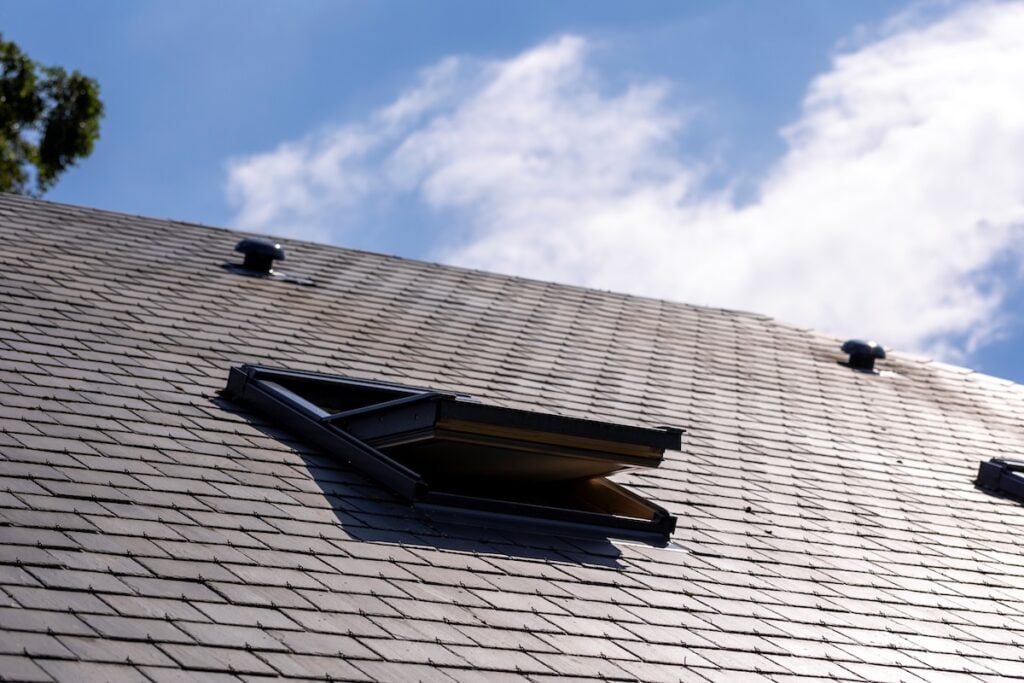
Six specific qualifications distinguish true slate roofing contractors from general roofers attempting slate work. Looking for these signs helps homeowners find the right specialist.
1. Deep Knowledge of Slate Types and Grades
Slate specialists know the difference between Vermont, Pennsylvania, Virginia, Welsh, and Spanish slates because each has different durability, weathering patterns, and lifespans. They can identify what slate is already on a home, source matching tiles for repairs, and recommend the right slate for new installations based on the home’s architecture and budget. The most durable slates (like Virginia Buckingham at 150 to 200+ years, or unfading Vermont varieties at 125 to 175 years) cost more but pay back over a multi-generational lifespan. Specialists also understand ASTM grading and can explain what an S-1, S-2, or S-3 designation means for actual roof life. General roofers rarely have this knowledge, which is why they often make poor sourcing decisions.
- Quarry knowledge: Familiarity with Vermont, Pennsylvania, Virginia, Welsh, and Spanish quarries.
- Color matching: Ability to identify and match existing slate for repairs.
- Grade recognition: Understands ASTM S-1, S-2, S-3 ratings and what they mean.
- Sourcing relationships: Direct lines to quarries or salvage dealers.
2. Specialized Tools and Equipment
Specialists invest in the right tools for slate work, including slate hammers (with built-in nail pullers and shanks), slate rippers for removing broken tiles without damaging neighbors, slate cutters for sizing, and the right ladders and roof jacks for safe access to steep slate roofs. General roofers using a regular hammer and utility knife on slate will break more tiles than they install. Specialists also use the proper copper or stainless steel nails, fastening tools, and underlayment designed for slate’s expected lifespan. Walking on a slate roof requires specific technique and footwear, and specialists know how to move across the surface without cracking tiles. The investment in tools alone signals a contractor who actually does this work regularly.
- Slate hammers: Built specifically for the unique demands of slate installation.
- Slate rippers: Allow tile removal without damaging adjacent slates.
- Slate cutters: Precise sizing without cracking.
- Copper nails: Standard fastener for centuries-long slate installations.
3. Structural Assessment Capability
Slate specialists understand that slate’s weight requires structural assessment before any installation, repair, or replacement work begins. Many older homes were built specifically for slate and have the structural framing to support it, but homes that were re-roofed with lighter materials at some point may need reinforcement before slate can be installed again. A specialist will inspect the rafters, decking, and supporting structure, and recommend a structural engineer when reinforcement is needed. General roofers may quote a slate job without ever evaluating whether the structure can hold up. Adding 5,000 to 15,000 pounds of weight to an undersized roof structure leads to sagging, deflection, and eventually failure.
- Rafter inspection: Sizing and spacing verified for slate’s weight load.
- Decking evaluation: Substrate inspected for adequate thickness and condition.
- Structural engineer referral: Specialists know when to bring in additional expertise.
- Reinforcement options: Sister rafters, collar ties, or replacement framing as needed.
4. Restoration and Repair Experience
Restoration and repair experience distinguishes specialists who can keep an old slate roof going from generalists who only know how to install new ones. Most slate roofs in Great Falls and surrounding areas are older than the roofers working on them, and the value lies in keeping them in service rather than tearing them off. Specialists can replace individual tiles, repair flashing without disturbing surrounding slates, source matching replacement tiles, and identify which slates are still serviceable versus which ones need to come off. They also know how to evaluate when a slate roof is truly at the end of its useful life versus just needing maintenance. The right specialist can extend a slate roof’s life by 50 years or more through proper repairs.
- Individual tile replacement: Slates removed and replaced without cracking neighbors.
- Flashing repair: Copper and other flashings serviced without full re-roof.
- Salvage sourcing: Reclaimed slate matched to existing roofs.
- Condition assessment: Honest evaluation of repair versus replacement.
5. Membership in Industry Associations
Specialists are typically members of organizations like the Slate Roofing Contractors Association of North America (SRCA) or recognized by the National Slate Association. These memberships require demonstrated experience and adherence to industry standards, and they connect contractors to ongoing training, technical resources, and a network of other specialists. Membership isn’t a guarantee of quality, but it’s a strong signal that the contractor takes the work seriously. Specialists also often have certifications from specific quarry suppliers or training programs, which add to their credibility. Asking about associations and certifications is a quick way to separate true specialists from generalists claiming to know slate.
- SRCA membership: The professional association for slate contractors in North America.
- National Slate Association recognition: Industry organization for slate professionals.
- Quarry certifications: Specific training from major slate suppliers.
- Continuing education: Specialists keep up with techniques and materials.
6. Portfolio of Completed Slate Work
A real slate specialist has photographs, references, and addresses of completed slate work going back years or decades, and they’re happy to show it. The portfolio reveals the kinds of slate roofs they’ve worked on (whether Victorian homes, Colonial buildings, or churches), the conditions they’ve handled, and the quality of their craftsmanship. Generalists often have one or two slate jobs to point to, while specialists have dozens or hundreds. Specialists also tend to have long-term relationships with the buildings they’ve serviced, often returning year after year for maintenance and minor repairs. Asking to see work in person, not just photos, is one of the best ways to evaluate a slate contractor’s actual skill.
- Photographic portfolio: Documentation of past slate projects across years.
- Reference list: Property owners willing to vouch for the work.
- Local examples: Completed roofs you can drive by and see.
- Long-term relationships: Repeat clients indicate trust and quality.
Questions to Ask Before Hiring a Slate Contractor
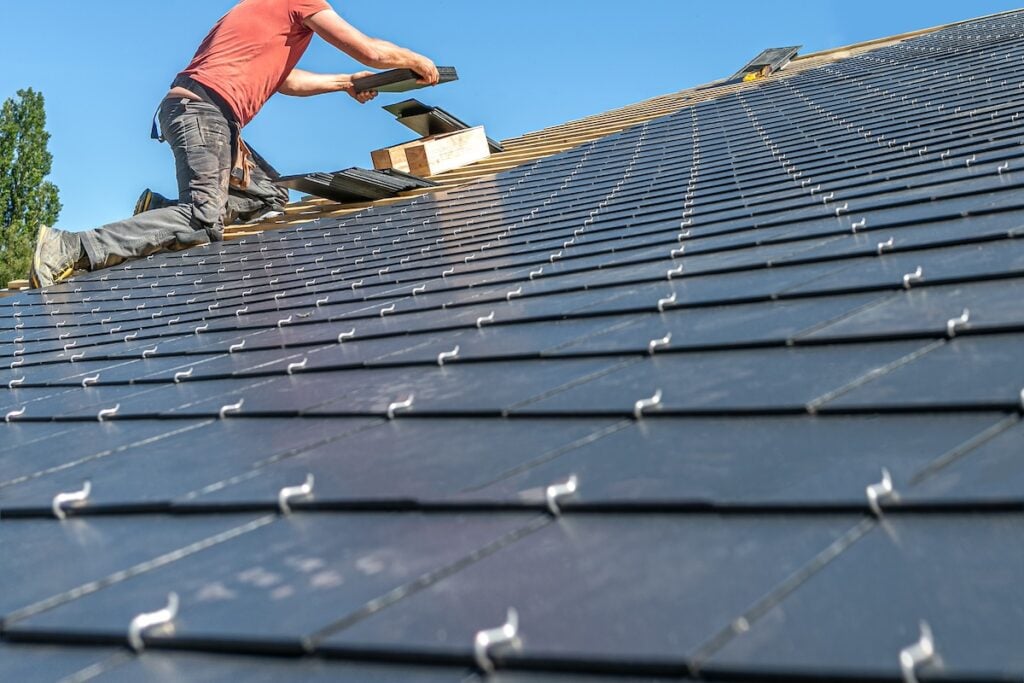
Asking the right questions during the initial conversation tells you almost everything you need to know about whether a contractor is a real slate specialist. Most generalists tip their hand quickly.
What Questions Quickly Identify a True Specialist?
The right questions identify a true slate specialist in just a few minutes of conversation. Ask what type of slate is on your roof and what its expected lifespan is. Ask what nails they use and why. Ask how they walk on slate without breaking tiles. Ask about ASTM grading and what S-1, S-2, and S-3 mean. Ask for recent slate projects they’ve completed locally, with addresses. A specialist will answer these clearly and in detail, while a generalist will hedge, change the subject, or give vague answers. Homeowners in Great Falls and surrounding areas should walk through these questions before signing any contract for slate work.
- Slate identification: Can they identify the slate on your roof?
- Fastener choice: Do they specify copper or stainless steel?
- Walking technique: Do they explain how they avoid breaking tiles?
- Grading knowledge: Can they explain ASTM standards?
What Are the Biggest Red Flags With Slate Roofers?
The biggest red flags include contractors who recommend full replacement when only repairs are needed, those who can’t or won’t identify the slate type, those who quote slate jobs without inspecting the structure, and those who plan to use galvanized nails or asphalt-style installation techniques. Be especially cautious of door-to-door slate “experts” who appear after storms or during the busy season, since these are often storm chasers without real slate experience. Pressure to sign quickly is another warning sign, as legitimate slate work isn’t an impulse purchase. Slate is a multi-generational investment, and the wrong contractor can ruin a roof that should have lasted another 100 years.
- Pushing replacement: When repair would work, replacement is being oversold.
- Vague on materials: Can’t specify slate type or fastener choice.
- No structural review: Skipping the structural assessment is a major red flag.
- Storm chasers: Out-of-area contractors appearing after storms.
Frequently Asked Questions
How long does a slate roof last?
A properly installed natural slate roof can last 75 to 200 years or more, depending on the slate type and quality. Hard S-1 grade slates from Vermont, Virginia, or New York quarries routinely exceed 150 years, while softer S-2 or S-3 slates may last 40 to 75 years. The lifespan depends on slate grade, installation quality, and ongoing maintenance.
How much does slate roofing cost?
Natural slate roofing typically costs $25 to $50 per square foot installed, including materials and labor, with premium varieties running higher. For a typical 2,000 square foot home, that translates to $50,000 to $100,000 or more. Synthetic slate alternatives cost roughly $15 to $25 per square foot but last only 40 to 60 years.
Can a regular roofer work on my slate roof?
A regular roofer can technically work on a slate roof, but it’s almost always a mistake because slate requires specialty knowledge, tools, and techniques that general roofers don’t have. The wrong fasteners, walking technique, or repair methods can damage tiles and shorten the roof’s life significantly. Always hire a specialist for any work on a slate roof.
How can I tell what kind of slate is on my roof?
Identifying slate type requires looking at color, weathering pattern, surface texture, and sometimes a small sample examined by a specialist. Common types in the Northeast include Vermont sea green, Vermont purple, Vermont unfading green, Pennsylvania black, Virginia Buckingham, and New York red. A slate specialist can usually identify the slate within minutes during an inspection.
Is slate repair worth it on an old roof?
Slate repair is almost always worth it on an old roof, because slate roofs can be repaired and restored to last another 50 to 100 years. As long as less than 20% to 30% of the tiles need replacement and the underlying structure is sound, repair is the smarter choice. Full replacement only makes sense when the slate itself has reached end of life or the structure has failed.
What if I can’t find a slate specialist nearby?
If a slate specialist isn’t available locally, it may be worth bringing one in from a wider region for major work, since the quality difference matters over a 100-year roof life. The Slate Roofing Contractors Association directory can help locate specialists by region. For minor repairs or emergency work, a local generalist may need to handle it with guidance from a specialist by phone.
Choose Springfield Roofing & Sheet Metal for Honest Roofing Guidance
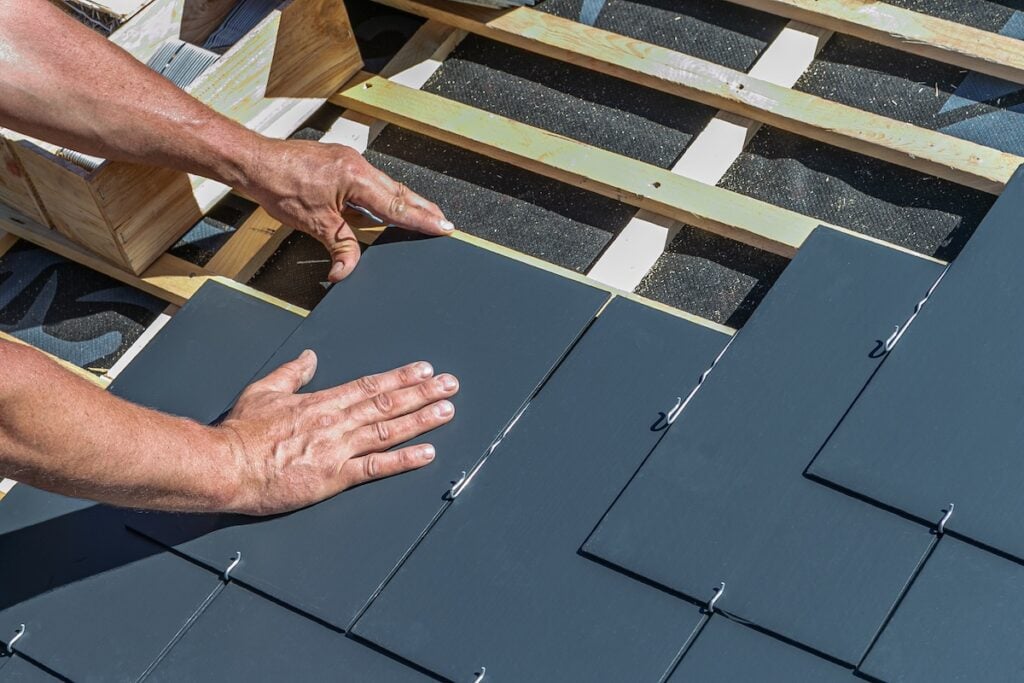
When homeowners are researching slate roofing contractors, the most important thing is finding the right specialist for the specific work needed, and an honest contractor will tell you straight if a job is outside their expertise. Springfield Roofing & Sheet Metal is a 1st and 2nd generation family-owned and operated company serving Great Falls and surrounding areas with a dedicated in-house crew, full labor and material warranties, and CertainTeed 5-Star Select Shingle Master certification. We specialize in asphalt shingle and sheet metal roofing rather than slate, and we’ll happily refer slate work to qualified specialists when that’s what your home needs. If you’re considering a roof replacement or repair, contact Springfield Roofing & Sheet Metal today for a free estimate and honest guidance on the best path for your home.