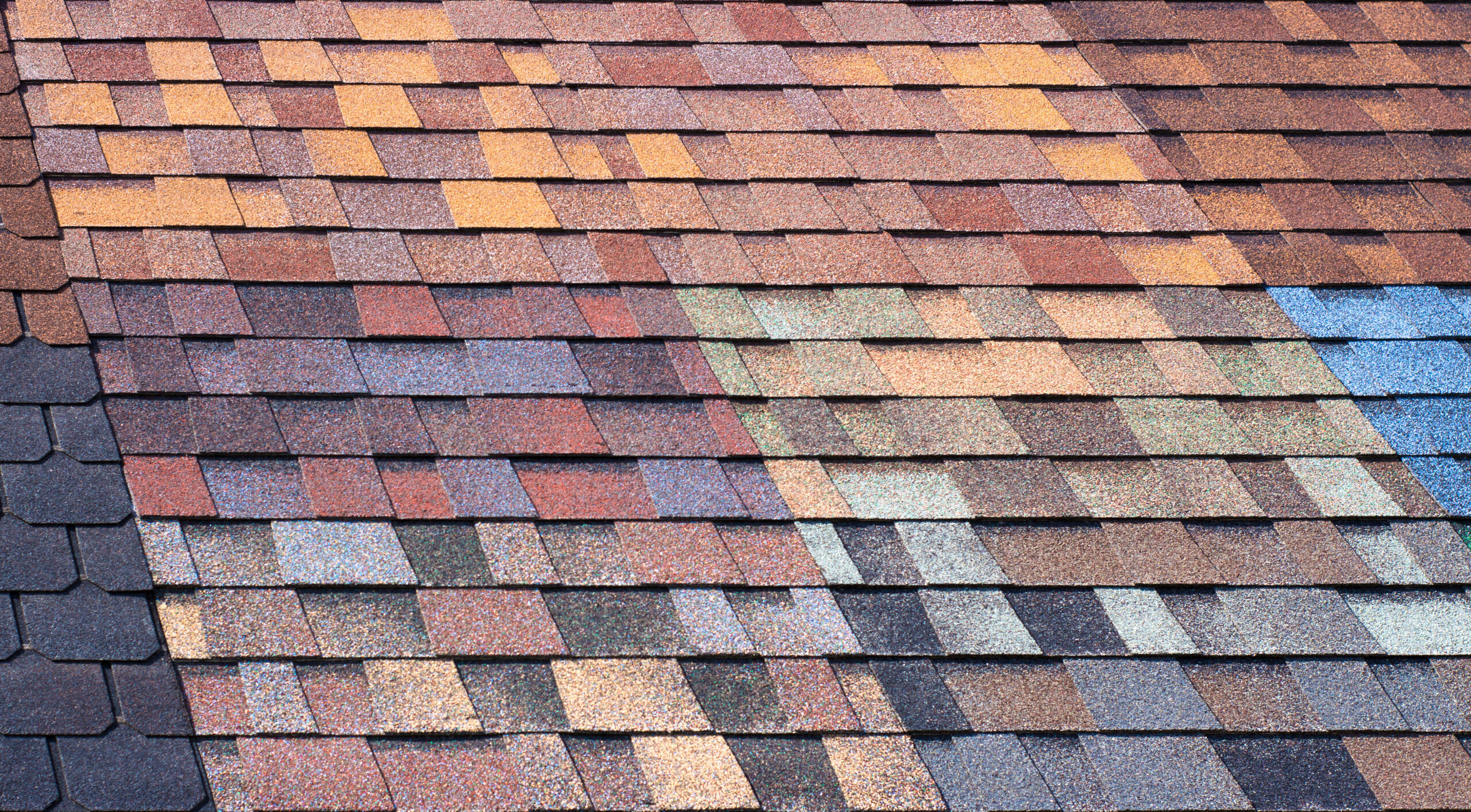
The short answer to “can you paint asphalt shingles” is yes, but most reputable roofers will tell you it’s rarely the best choice for homeowners in McLean and surrounding areas. Painting can refresh the look of a faded roof and buy a few years before replacement, but it comes with real tradeoffs around warranty coverage, durability, and long-term cost. Homeowners thinking about painting their roof are usually trying to solve a problem (color fade, mismatched shingles, or a desire to change the look) and there are often better ways to fix each one. This guide walks through what painting really involves, the pros and cons, the situations where it might make sense, and the better options homeowners should consider first.
- The honest answer: Yes, you can paint asphalt shingles, but it’s usually not the smartest move.
- The tradeoffs: Painting may void warranties, lasts only 3 to 7 years, and doesn’t fix underlying problems.
- Better options: Targeted shingle replacement, roof cleaning, and full replacement often deliver more value.
What Does Painting Asphalt Shingles Actually Involve?
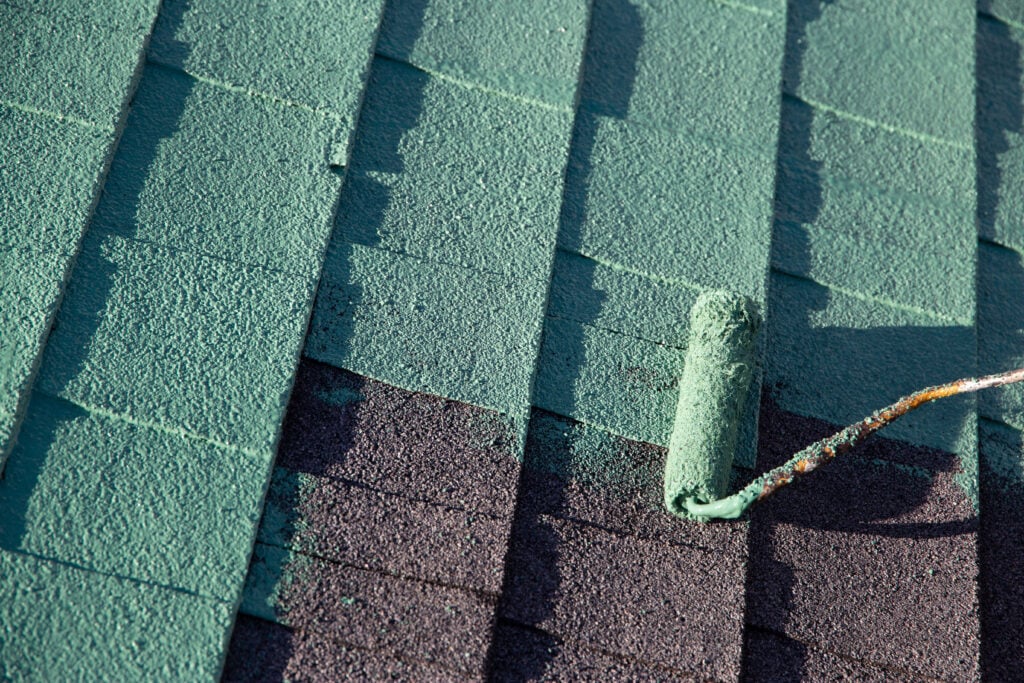
Painting a roof isn’t like painting a wall, and the process is much more involved than most homeowners expect. Understanding the work that goes into it helps explain why it costs what it does and lasts as long as it does.
What Kind of Paint Goes on a Roof?
Roof paint isn’t standard exterior house paint. The right product is a 100% acrylic latex paint or an elastomeric roof coating specifically designed for asphalt shingles, both of which flex with temperature swings and resist UV damage. Standard latex or oil-based wall paint will crack, peel, and fail within a year or two on a roof because it’s not built for the heat, sun, and movement shingles go through. Elastomeric coatings are more durable but cost more and require more careful prep. In McLean and surrounding areas, most roof paint jobs use acrylic latex because of its balance of cost, durability, and color options. The wrong paint can actually accelerate roof failure, so material choice matters as much as the work itself.
- 100% acrylic latex: The standard choice for residential shingle painting.
- Elastomeric coatings: More durable but more expensive option.
- Standard wall paint: Should never be used on a roof, will fail within a year.
- Oil-based paints: Not recommended because they crack and brittle in sun.
What Prep Work Has to Happen Before Painting?
Prep work before painting is what determines whether the paint actually lasts, and it’s typically more time-consuming than the painting itself. A roofer or painter has to thoroughly clean the roof of moss, algae, dirt, and granules, then let it fully dry, then prime any bare spots. Damaged shingles need to be replaced before paint goes on because painting over a problem just hides it. Pressure washing should never be used on asphalt shingles because it strips off the protective granules and damages the surface, so cleaning happens with soft-wash methods and roof-safe cleaning agents. Skipping or rushing the prep work is why so many painted roofs fail years before they should.
- Soft-wash cleaning: Roof-safe cleaning products applied at low pressure.
- Drying time: Roof must be completely dry before any paint goes on.
- Repair first: Damaged shingles replaced before painting starts.
- Priming: Bare or stained areas need primer for paint to stick.
7 Things to Know Before Painting Your Asphalt Shingles
Before deciding whether to paint, there are seven specific things every homeowner should understand. These cover the real tradeoffs around cost, longevity, warranty, and what painting can and can’t actually fix.
1. Painting Often Voids the Manufacturer Warranty
Painting your asphalt shingles often voids the manufacturer warranty, because applying non-approved coatings is specifically called out as a coverage exclusion in most major warranty documents. GAF, CertainTeed, and Owens Corning all build their warranties around shingles installed and maintained according to their guidelines, and adding paint changes the product they originally tested and warranted. If a shingle defect shows up after painting, the manufacturer can deny the claim by pointing to the paint as a modification. Homeowners in McLean and surrounding areas with newer roofs still under warranty have the most to lose here, because they’re trading active warranty coverage for cosmetic improvement.
- Warranty risk: Most major manufacturers exclude modifications and coatings.
- Documented exclusion: Painting typically appears in the “what’s not covered” section.
- Newer roofs: Higher warranty value lost on roofs still in the prime coverage period.
- Confirmation: Check your specific warranty document before painting.
The GAF Shingle and Accessory Limited Warranty specifically excludes coverage for damage resulting from anything other than an inherent manufacturing defect, which generally includes modifications like painting and the application of coatings not approved by the manufacturer, making warranty preservation one of the strongest arguments against painting an asphalt shingle roof.
2. Painted Roofs Typically Last Only 3 to 7 Years Between Repaints
Painted asphalt shingles typically last 3 to 7 years before the paint starts cracking, peeling, or fading, which means you’re looking at a recurring expense rather than a one-time fix. In moderate climates with proper prep, the higher end of that range is realistic. In harsher conditions or with rushed prep work, paint can fail in as little as 18 months. That cycle of repainting adds up over the life of a roof, often costing more than just replacing the shingles when they’re due. The math also gets worse if you have to address peeling or flaking between repaints, which usually requires more prep and primer.
- Paint lifespan: 3 to 7 years in moderate conditions with good prep.
- Harsh conditions: Northern Virginia weather can shorten paint life to 3 to 5 years.
- Recurring cost: Each repaint involves cleaning, prep, and full application.
- Cumulative cost: Multiple repaints over a roof’s life often exceed replacement cost.
3. Painting Doesn’t Fix Underlying Roof Problems
Painting doesn’t fix anything underneath the surface, which means if your shingles are aging, cracking, losing granules, or letting water in, painting just hides the problem rather than solving it. A painted roof that’s actually failing underneath can fool homeowners into thinking the roof is fine, while damage gets worse out of sight. Granule loss continues, shingles keep aging, and any leaks keep doing their damage. Painting is purely cosmetic and should only be considered on roofs in good underlying condition. If your roof has any real performance issues, the money spent on painting is much better spent on repairs or replacement.
- Hides problems: Paint covers symptoms without addressing causes.
- Aging continues: Shingles keep deteriorating underneath the paint.
- False sense of security: A painted roof can look fine while failing.
- Roof age matters: Older roofs are poor candidates for painting.
4. Paint Job Cost Is Higher Than Most Homeowners Expect
The cost of painting an asphalt shingle roof typically runs $1,500 to $5,000 for a typical home, depending on roof size, complexity, prep work, and paint quality. That’s not a huge bill compared to replacement, but it buys only 3 to 7 years and often voids the warranty. For roofs already in good shape, that money goes further in other directions like preventative maintenance or saving toward a future replacement. Larger or steeper roofs cost more because of access difficulty, and roofs with extensive prep needs run higher because of the labor involved. Many homeowners are surprised to find painting isn’t as cheap as it sounds when they get actual quotes.
- Typical cost: $1,500 to $5,000 for an average home.
- Cost drivers: Roof size, pitch, prep needs, and paint quality.
- Cost per year: Painting often costs $300 to $800 per year of useful life.
- Comparison: Replacement cost amortized over 25 to 30 years often less per year.
5. Energy Performance Can Improve (or Get Worse)
Energy performance can improve when light-colored paint reflects more heat, reducing how much your attic warms up in summer. A bright white or reflective coating can lower attic temperatures by 10 to 20 degrees on hot days, which means lower air conditioning bills. The flip side is that the wrong color choice or poor application can actually trap heat or moisture and make things worse. In McLean and surrounding areas, where summer cooling costs add up, this is one of the legitimate reasons some homeowners consider painting. Just keep in mind that lighter colors show dirt and aging faster than darker colors.
- Cool roof benefit: Light colors can lower attic temps by 10 to 20 degrees.
- Cooling savings: Potential reduction in air conditioning costs over summer.
- Color tradeoff: Lighter colors show dirt and aging faster.
- HOA restrictions: Some neighborhoods limit color choices.
6. Curb Appeal Improves but Resale Value Often Doesn’t
Painting can definitely improve curb appeal and refresh a faded roof, but it rarely adds resale value because home buyers and home inspectors usually see painted roofs as a red flag. A painted roof signals to a potential buyer that the previous owner was trying to hide age, which can lead to lower offers or requests for full replacement during negotiations. Home inspectors specifically flag painted roofs on inspection reports because of the warranty and performance concerns. If you’re planning to sell soon, painting may actually hurt rather than help. Homeowners planning to stay long-term and just wanting to enjoy a fresher look face a different calculation.
- Short-term look: Yes, painting refreshes appearance for a few years.
- Buyer perception: Painted roofs raise concerns about hidden problems.
- Inspector flags: Home inspectors typically note painted roofs as a concern.
- Selling timeline: Plan based on whether you’ll sell within the paint’s lifespan.
7. Better Options Exist for Most Situations
Better options exist for nearly every reason homeowners consider painting, including targeted shingle replacement for mismatched areas, professional roof cleaning for moss or algae stains, and a roof restoration system for older roofs with multiple cosmetic issues. Roof cleaning alone often solves the appearance problems that drive homeowners toward painting, at a fraction of the cost and without the warranty risk. Targeted shingle replacement handles spot-color issues without committing the entire roof to a paint cycle. For homeowners truly considering painting because the roof is near end of life, the money is almost always better spent on replacement. A reputable contractor in McLean, Great Falls, and surrounding areas will walk through these options honestly.
- Roof cleaning: $300 to $900 to remove moss, algae, and dirt stains.
- Targeted replacement: Replace small mismatched sections for a few hundred dollars.
- Premium shingles: Designer or architectural shingles offer better color and texture.
- Full replacement: Often the smarter long-term value for roofs over 15 years old.
When Might Painting Actually Make Sense?
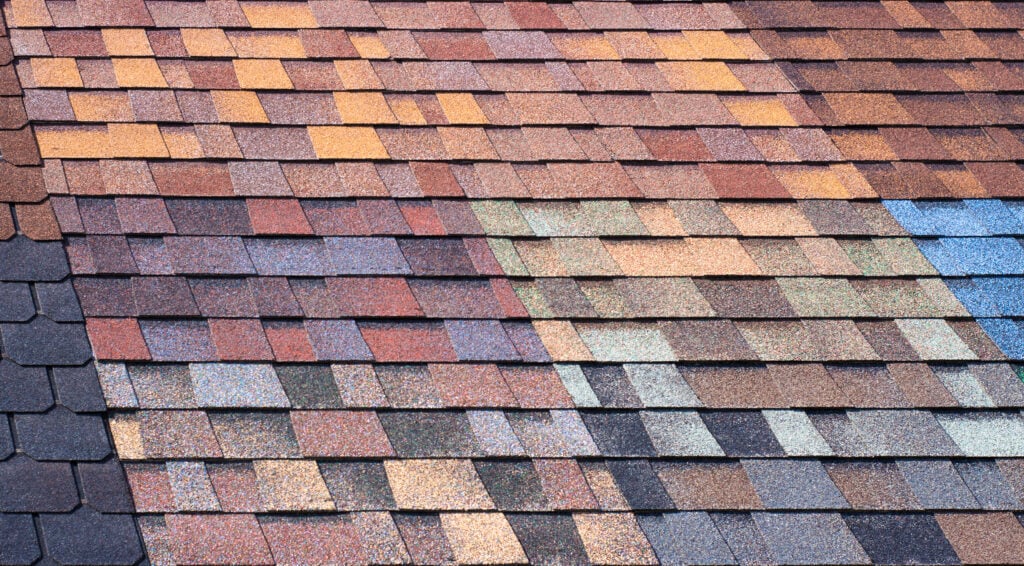
Painting isn’t always the wrong choice, but it makes sense in a narrow set of situations. Knowing when it might actually fit helps homeowners decide.
What Situations Support Painting an Asphalt Shingle Roof?
Painting an asphalt shingle roof might make sense for homeowners with a relatively young roof (5 to 15 years old) that’s still in good underlying condition, with no plans to sell anytime soon, and no active warranty they care about preserving. It can also fit homeowners who want to change their roof color for HOA or personal reasons and can’t justify a full replacement. In hot climates, painting with a reflective coating can deliver real energy savings that partially offset the cost. These cases are real but narrow, and most homeowners find one of the alternative options fits their situation better. Talking to a reputable roofer first usually clarifies which path makes sense.
- Good roof condition: Shingles in solid shape with no underlying problems.
- Long-term ownership: Plans to stay 10 to 20 years, not selling soon.
- Warranty already expired: No active warranty coverage to lose.
- Energy savings goal: Reflective coatings in hot, sunny climates.
What Situations Argue Against Painting?
Painting argues strongly against itself when the roof is older than 15 years, has any performance issues, is still under active warranty, or the homeowner plans to sell within a few years. In any of these cases, the money goes further toward repair, replacement, or just professional cleaning. Roofs with heavy granule loss, curling shingles, or active leaks should never be painted because the paint just covers symptoms while the underlying problems get worse. Homeowners who are tempted to paint because of cost should price both painting and replacement before deciding, since the difference is often smaller than expected over time.
- Roof over 15 years: Money usually better spent on replacement.
- Active warranty: Painting may void manufacturer coverage.
- Performance issues: Granule loss, curling, or leaks need real repair.
- Planning to sell: Painted roofs typically hurt resale value.
Frequently Asked Questions
How long does paint last on an asphalt shingle roof?
Paint on an asphalt shingle roof typically lasts 3 to 7 years depending on climate, prep quality, and paint type. In Northern Virginia weather, the realistic range is closer to 3 to 5 years before peeling or cracking starts. Premium elastomeric coatings can last longer but cost significantly more up front.
Will painting my roof void the warranty?
Painting your roof will likely void the manufacturer warranty in most cases, because major manufacturers like GAF, CertainTeed, and Owens Corning specifically exclude modifications and non-approved coatings from coverage. Check your specific warranty document before painting, and consider whether the cosmetic benefit is worth losing warranty protection.
How much does it cost to paint asphalt shingles?
Painting asphalt shingles typically costs $1,500 to $5,000 for an average home, depending on roof size, complexity, and prep work needed. That’s roughly $300 to $800 per year of useful life over a 3 to 7 year paint lifespan. Many homeowners find professional cleaning or targeted shingle replacement delivers more value for the money.
Can I paint my roof a different color than the original?
Yes, you can paint asphalt shingles a different color than the original, and color choice is one reason some homeowners paint. Lighter colors offer cool-roof energy benefits but show dirt faster, while darker colors hide dirt but absorb more heat. Check HOA rules before choosing a new color, since some neighborhoods have specific requirements.
Is painting cheaper than replacing my roof?
Painting is cheaper up front than replacing your roof, but the math evens out over time because painting needs to be redone every 3 to 7 years. A replacement costs more in the moment but typically lasts 25 to 30 years, often making the cost per year of useful life lower. The choice depends on your specific situation, age of roof, and how long you plan to stay.
What’s the best alternative to painting my roof?
The best alternative to painting depends on what problem you’re trying to solve. Professional roof cleaning removes moss, algae, and stains for $300 to $900. Targeted shingle replacement handles mismatched or damaged sections. For roofs over 15 years old, a full replacement usually delivers better long-term value than painting.
Choose Springfield Roofing & Sheet Metal for Honest Roof Advice
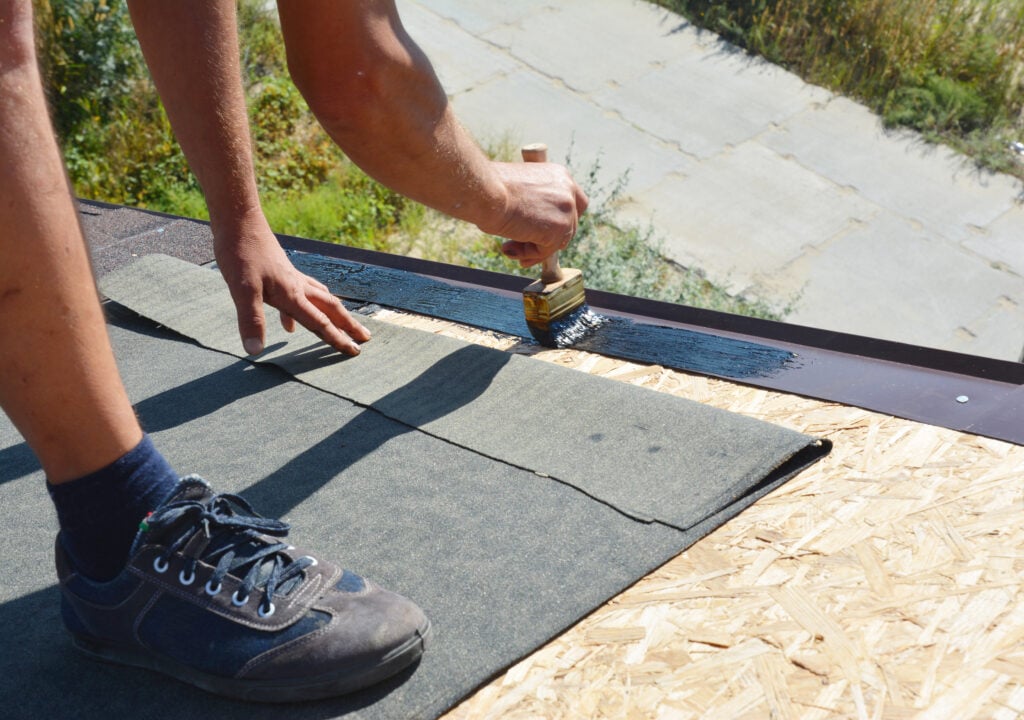
When homeowners ask “Can you paint asphalt shingles?” the honest answer is yes, but rarely is it the smartest move, and a reputable contractor will help you weigh the real tradeoffs rather than just selling you on whatever they offer. Springfield Roofing & Sheet Metal is a 1st and 2nd generation family-owned and operated company serving McLean and surrounding areas with a dedicated in-house crew, full labor and material warranties, and CertainTeed 5-Star Select Shingle Master certification, which is held by only a small percentage of roofing contractors nationwide. We offer honest assessments of your roof’s condition and walk you through every option, from cleaning to targeted repair to full replacement, so you can choose what makes the most sense for your home. Contact Springfield Roofing & Sheet Metal today for a free estimate and find out the smartest next step for your roof.