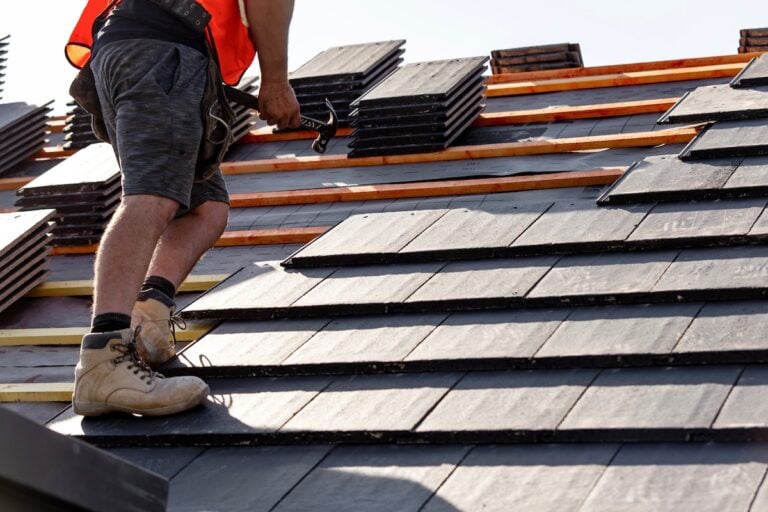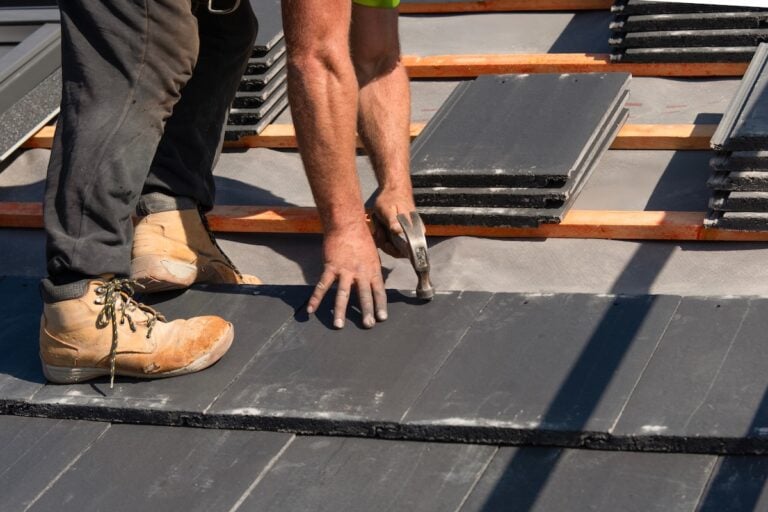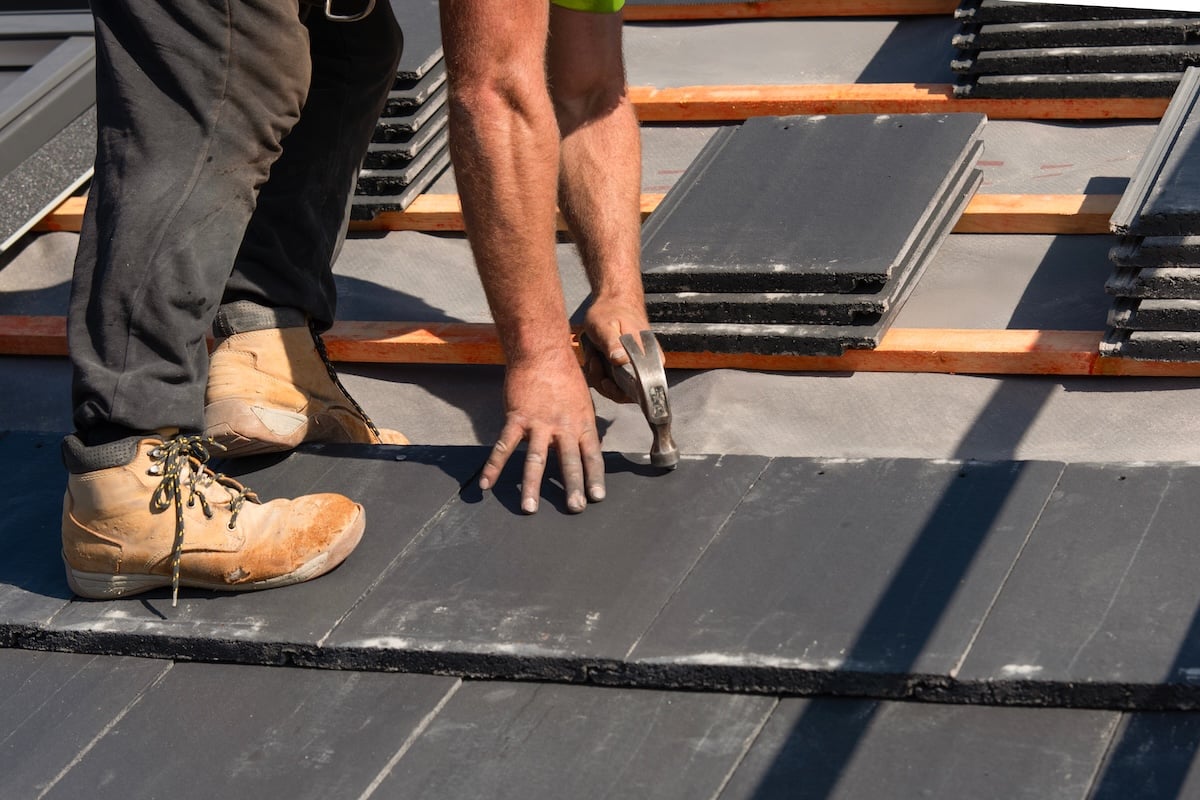
The best shoes for roofing balance safety, grip, and comfort, because spending hours on a sloped surface requires footwear designed for the job rather than whatever sneakers happen to be in the closet. Whether you’re a professional crew member working full days on shingles in Falls Church and surrounding areas, or a homeowner thinking about climbing up to check something yourself, the right shoe choice is one of the most important pieces of equipment between you and the ground. This guide walks through what makes a good roofing shoe, the features that actually matter, the brands the pros trust, and an honest take on what homeowners should know before they ever consider stepping onto a roof.
- Safety first: Roofing shoes are designed specifically to prevent slips and falls at height.
- Key features: Soft rubber soles, ankle support, and steel or composite toes for impact protection.
- Honest reality: Even with the right shoes, roof work is professional work for safety and warranty reasons.
What Makes a Good Roofing Shoe?
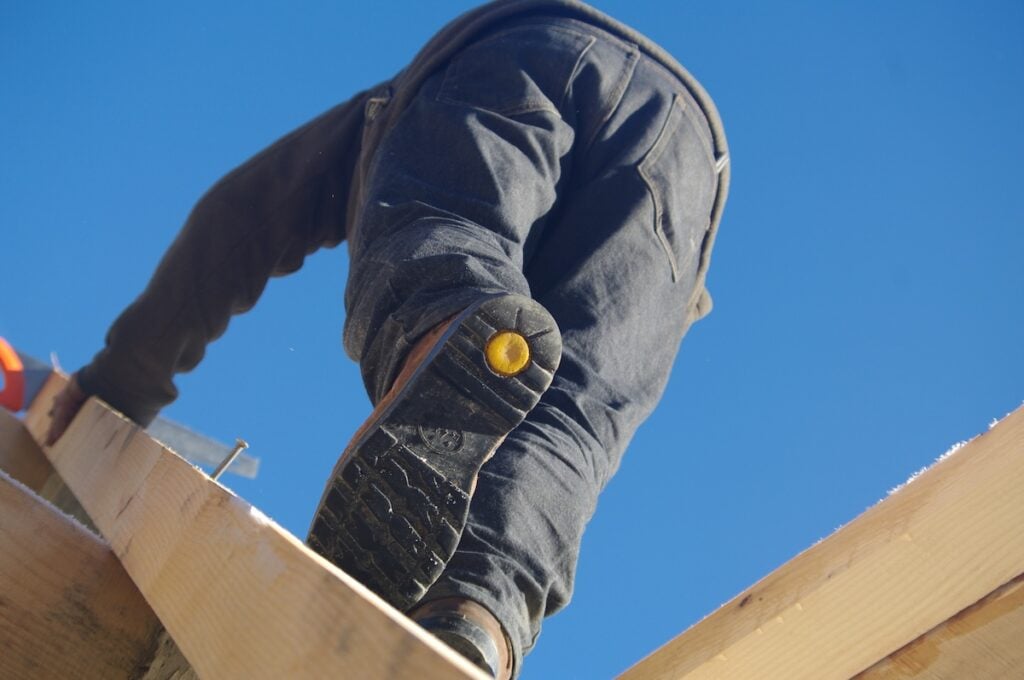
Roofing shoes have specific design features that set them apart from regular work boots or athletic shoes. Knowing what to look for helps narrow down the right choice for the work.
What Sole Material Provides the Best Grip?
The sole material on a roofing shoe is the single most important feature, because the rubber compound and tread pattern determine how well the shoe grips asphalt shingles, metal, and other roof surfaces. Soft rubber soles with deep, multi-directional tread perform best on asphalt shingles because they conform to the granule surface and channel water and debris. Hard rubber soles slip more easily on sloped surfaces. Many professional roofing crews in Falls Church and surrounding areas favor soft-soled work boots that prioritize grip over abrasion resistance, even though softer soles wear out faster. The tradeoff between grip and sole longevity is real, but on a roof, grip wins every time.
- Soft rubber compound: Conforms to shingle surface and grips granules better.
- Multi-directional tread: Channels water, debris, and granules away from the sole.
- Non-marking soles: Avoid leaving black scuffs on light-colored roofs.
- Tread depth: Deeper tread holds grip on steeper slopes.
Why Does Ankle Support Matter on a Roof?
Ankle support matters on a roof because uneven footing, steep slopes, and constant movement put real strain on the ankle joint. A shoe with proper ankle support stabilizes the foot when stepping over ridges, working sideways across a slope, or moving across uneven decking. Low-top sneakers may feel comfortable but offer no protection against rolling an ankle, which on a roof can lead to a fall. Most professional roofing footwear comes in a mid-height or high-top design that wraps the ankle. For long workdays on roofs in Falls Church and surrounding areas, this support also reduces fatigue and helps prevent injuries that build up over time.
- Mid-height design: Wraps the ankle for stability and protection.
- Stiff heel counter: Locks the heel in place to prevent slipping inside the shoe.
- Lacing system: Locks the foot in place rather than letting it shift.
- Padded collar: Cushions the ankle for all-day comfort.
6 Features to Look for in the Best Roofing Shoes
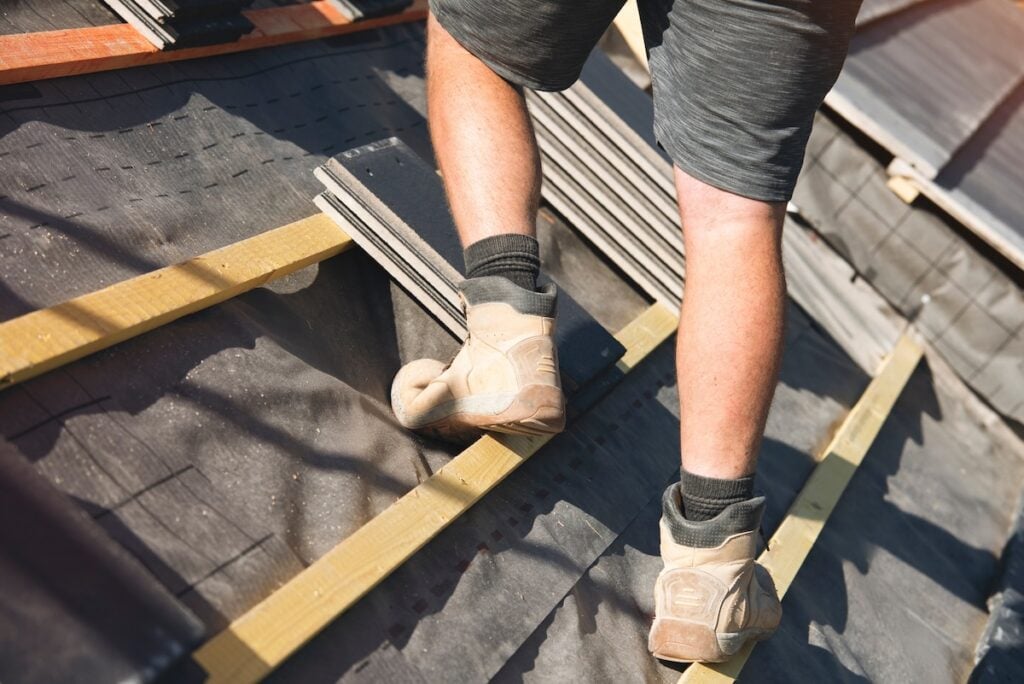
These six features show up in nearly every shoe that professional roofers actually wear on the job. Knowing what each one does helps narrow down the choice.
1. Soft Rubber Soles for Maximum Grip
Soft rubber soles deliver the grip that keeps roofers stable on shingles, metal panels, and tile. Hard soles, like those on most casual or athletic shoes, glide right off asphalt granules and shed loose debris under foot. Brands like Cougar Paws and Korkers built their reputations on soft-sole roofing shoes that bite into shingle surfaces, and many roofers consider them the industry standard. The tradeoff is that soft soles wear down faster than hard ones, especially on abrasive shingle surfaces, but most pros consider that a fair price for the safety benefit. For homeowners ever stepping on a roof for any reason, the cheap sneakers in the garage are exactly the wrong choice.
- Compound: Soft rubber compound rated for grip on sloped surfaces.
- Wear life: Typically 6 months to 2 years of regular professional use.
- Replacement sole option: Some brands offer replaceable soles for cost savings.
- Avoid: Hard-soled work boots designed for flat ground.
2. Aggressive Tread Pattern
Tread pattern matters as much as sole material, because the design of the grooves channels water, debris, and shingle granules away from the contact surface. Deep, multi-directional tread holds traction on sloped roofs in all conditions, while shallow or smooth tread loses grip the moment any debris gets underneath. Lug patterns common on hiking boots can also work, though purpose-built roofing shoes are designed with the specific demands of shingle surfaces in mind. After rain or in early morning dew, tread pattern is what keeps the foot planted. Many roofers also test new shoes by walking a slope before trusting them on a full day.
- Multi-directional grooves: Channel water and debris in all directions.
- Wide spacing: Allows granules and dirt to clear quickly.
- Depth matters: Deeper tread holds grip when surfaces get loose.
- Self-cleaning design: Prevents debris from packing into tread voids.
3. Steel or Composite Toe Protection
Steel or composite toe protection guards against dropped tools, materials, and accidental impacts that happen on any job site. Roofers commonly handle bundles of shingles weighing 60 to 80 pounds, and dropping one on an unprotected foot can result in a broken bone and weeks off the job. Composite toes weigh less than steel and don’t conduct cold the way steel does, which matters for winter work. Most reputable work boots used by professionals in Falls Church and surrounding areas meet ASTM F2413 safety standards for impact and compression resistance. For homeowner DIY work, this level of protection is overkill and a sign that the work probably belongs to a pro.
- ASTM F2413 standard: Industry standard for impact and compression protection.
- Steel toe: Strongest protection but heavier and cold in winter.
- Composite toe: Lighter, non-conductive, similar protection levels.
- Soft toe roofing shoes: Some pros prefer these for agility on steep roofs.
4. Ankle Support and Mid-Height Design
Ankle support reduces the risk of rolling an ankle, which on a steep roof can quickly turn into a fall. A mid-height boot that wraps around the ankle stabilizes the foot when working across slopes or stepping over ridges. The lacing system also matters because a properly tied boot keeps the heel locked in place, preventing the foot from sliding around inside the shoe. Roofers who work in low-top sneakers or athletic shoes are taking a real and unnecessary risk, especially as fatigue builds during a long workday. The added weight of mid-height boots is a small tradeoff for the stability benefit.
- Wraps the ankle: Reduces lateral movement and rolling risk.
- Lacing system: Locks heel and arch in place.
- Padded collar: Comfort during long workdays.
- Reinforced heel cup: Stops the heel from moving inside the shoe.
According to OSHA Standard 1926.501, workers engaged in residential construction six feet or more above lower levels must be protected by guardrail systems, safety nets, or personal fall arrest systems, which is why professional roofers combine specialized footwear with full fall protection equipment that homeowners typically don’t own.
5. Comfort Features for Long Workdays
Comfort features turn an acceptable roofing shoe into one you can wear all day without your feet, knees, and back paying the price. The most important comfort elements are a breathable upper material, a cushioned insole with proper arch support, and lightweight construction that doesn’t multiply fatigue with every step. Most quality roofing shoes use synthetic mesh combined with reinforced leather panels for breathability without sacrificing durability, and many roofers swap stock insoles for aftermarket options from brands like Superfeet or Powerstep for better arch support. Lightweight construction matters because every ounce on the foot adds up over a 10-hour workday, and tired legs lead to mistakes on a sloped surface. For homeowners briefly thinking about climbing on a roof, none of this compensates for the lack of fall protection equipment that pros use.
- Breathable upper: Synthetic mesh combined with reinforced panels for hot days.
- Cushioned insole: Arch support and heel cushioning reduce fatigue.
- Lightweight construction: Modern materials cut weight without sacrificing protection.
- Replaceable insoles: Aftermarket options often outperform stock.
6. Water Resistance and Weather Protection
Water resistance keeps feet dry on roofs slick with morning dew, light rain, or melted snow, which matters because wet feet inside a shoe become uncomfortable and unsafe over a long workday. Treated leather and waterproof membrane liners both work well, with the membrane options breathing better in hot weather. Wet roofing shoes also lose grip on the outside, so most pros either keep two pairs and rotate them or stop work in any real rain. In Falls Church and surrounding areas where weather can swing fast between sunny and stormy, weather-resistant footwear is a practical necessity, not a luxury. Quick-drying construction also matters because boots that take days to dry out can be a serious problem during a busy work week.
- Waterproof membrane: Liner that blocks water while breathing.
- Treated leather: Sheds water but eventually needs reproofing.
- Quick-drying design: Inner materials that don’t trap moisture.
- Sealed seams: Stitching reinforced to prevent water entry.
Should Homeowners Wear Roofing Shoes for DIY Work?
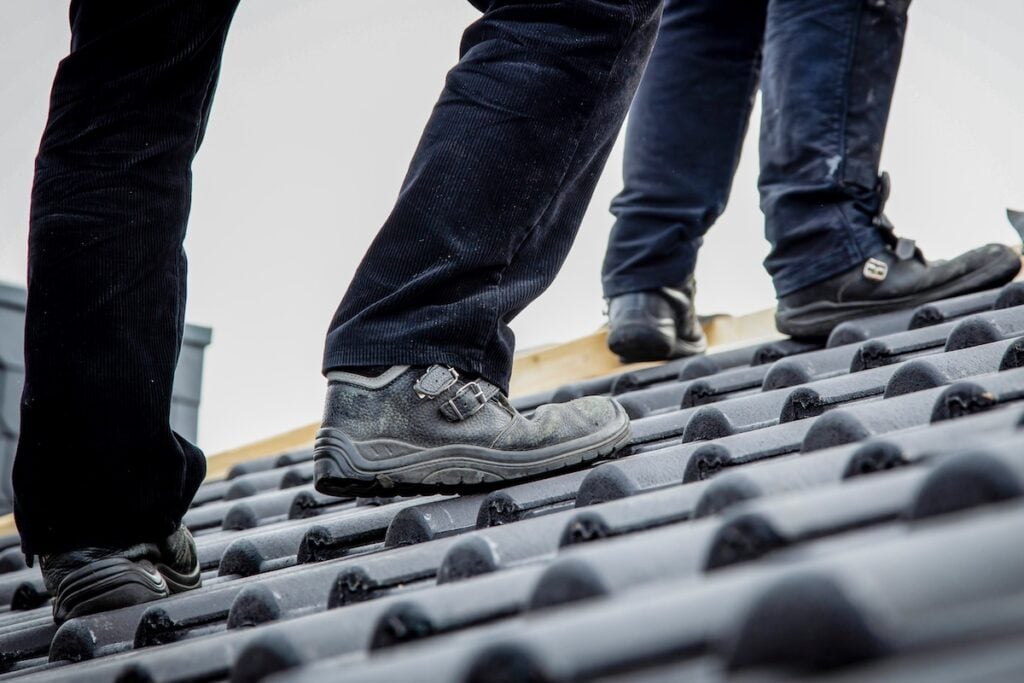
The honest answer requires looking at what roofing shoes actually do, and at what they don’t do. For homeowners thinking about climbing on a roof, the conversation needs to go further than footwear.
What Roofing Shoes Can and Can’t Do for Homeowners?
Roofing shoes can give a homeowner better grip than ordinary sneakers, but they don’t replace fall protection equipment, training, or the experience that keeps professional roofers safe. A homeowner in good roofing shoes on a steep slope is still at serious risk of a fall, and falls from roofs are one of the most common causes of household injury. Roofing shoes also don’t help with warranty considerations, since most shingle manufacturers require professional installation and maintenance for warranty validity. Homeowners in Falls Church and surrounding areas who notice a problem should photograph it from the ground, document any signs of damage in the attic, and call a reputable contractor rather than going up themselves.
- What they help with: Grip on shingles compared to casual shoes.
- What they don’t fix: Fall risk, balance, experience, or warranty issues.
- Better alternative: Ground-level documentation and a professional inspection.
- Free inspections: Most reputable roofers offer these at no cost.
When Is Hiring a Pro the Smart Move?
Hiring a pro is the smart move any time the task requires walking on the roof, working in any weather other than dry conditions, or making any repair that affects the shingles or sealing. Professional roofers wear specialized shoes, but they also wear harnesses, set anchors, and have years of experience reading roof surfaces. The cost of a professional inspection or repair is almost always less than the cost of a fall, and most reputable contractors in Falls Church and surrounding areas offer free assessments. Homeowners who limit themselves to ground-level observation and let a pro handle the climbing avoid the kind of risks that no amount of good footwear actually solves.
- Roof access needed: Any task requiring walking on the roof.
- Wet, snow, or ice: Professional fall protection becomes essential.
- Steep slopes: Anything above 6/12 pitch needs experience.
- Warranty work: Manufacturer warranties require certified contractor service.
Frequently Asked Questions
What’s the difference between roofing shoes and regular work boots?
Roofing shoes have softer, grippier soles specifically designed for sloped surfaces, while regular work boots typically have harder, more durable soles meant for flat ground and rougher work sites. Roofing shoes prioritize grip over abrasion resistance, which means they wear out faster but provide much better traction on shingles. Mixing them up can lead to slips on steep roofs.
How much do good roofing shoes cost?
Professional roofing shoes typically cost $100 to $250 per pair, with most quality options in the $130 to $200 range. Premium options with replaceable soles or specialized features run higher. Cheaper options often skip the grip features that actually matter, so most professional roofers consider quality footwear a worthwhile investment.
How long do roofing shoes last?
Roofing shoes typically last 6 months to 2 years of regular professional use, with the soles wearing out faster than the uppers because of the soft rubber compound. Homeowners who use them occasionally can expect much longer life, since most of the wear comes from constant abrasion on shingle surfaces. Some brands offer replaceable soles for cost savings.
Can I wear sneakers or hiking boots on a roof?
Sneakers are not safe on a roof because their hard soles slip easily on shingle surfaces and offer minimal ankle support. Hiking boots are better because of their tread design, but they’re still not ideal because the sole compounds are typically too hard for asphalt shingles. Purpose-built roofing shoes are the best choice for anyone working at height.
Are steel toe shoes required for roofing work?
Steel toe shoes aren’t legally required for all roofing work, but most professional crews wear them because of OSHA safety standards and the risk of dropped tools or materials. Composite toe shoes are increasingly popular because they offer similar protection with less weight and no temperature conductivity. Soft-toe roofing shoes exist and are preferred by some roofers for agility.
What’s the best roofing shoe brand?
Popular brands among professional roofers include Cougar Paws, Korkers, Wolverine, Thorogood, and Red Wing, though the right brand depends on individual fit and preferences. Cougar Paws is well known specifically for their soft-soled roofing shoes designed for shingle grip. Many roofers try several brands before settling on one that works for their feet and the type of roofing they do most.
Choose Springfield Roofing & Sheet Metal for Work That Stays Safely on the Roof
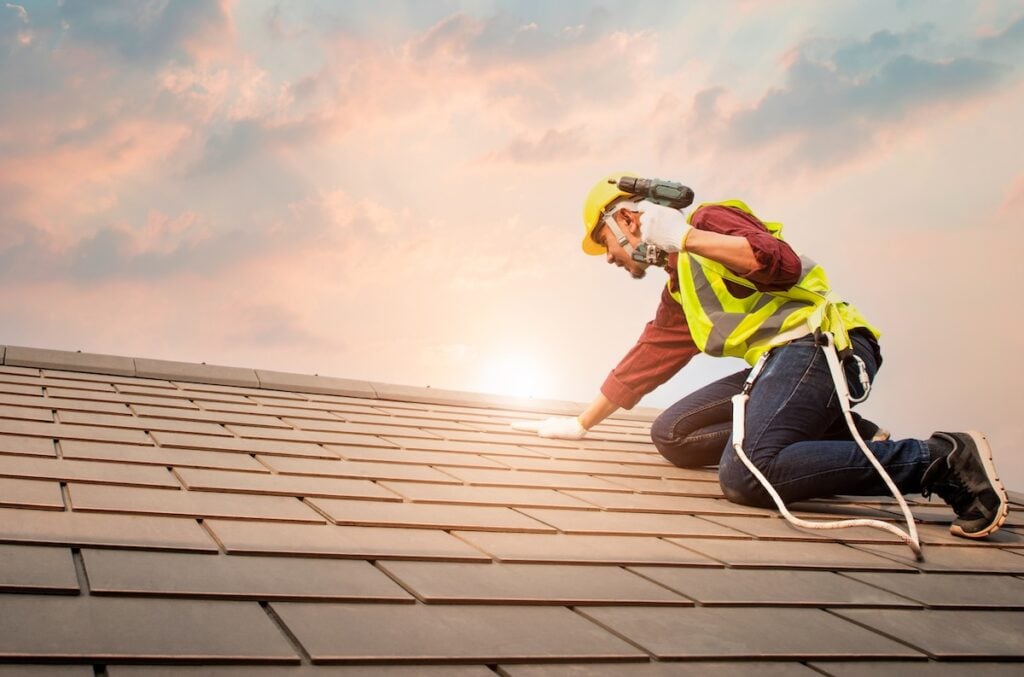
When it comes to roofing work, the best shoes for roofing only matter when paired with the right experience, fall protection, and training, which is why hiring a professional crew is almost always the smarter choice for homeowners. Springfield Roofing & Sheet Metal is a 1st and 2nd generation family-owned and operated company serving Falls Church and surrounding areas with a dedicated in-house crew, full labor and material warranties, and CertainTeed 5-Star Select Shingle Master certification, which is held by only a small percentage of roofing contractors nationwide. Our team uses specialized roofing footwear along with full safety gear so homeowners never have to take on the risk themselves. Contact Springfield Roofing & Sheet Metal today for a free estimate and let an experienced crew handle the work that’s best left off the ground.