Preventative roof maintenance is the cheapest insurance most homeowners ever buy, because the difference between a $200 fix today and a $20,000 repair next year often comes down to whether someone caught a small problem before it grew. Homeowners in Arlington and surrounding areas often think of their roof as something you only deal with when there’s an obvious problem, but the small, boring tasks (clearing gutters, replacing one shingle, resealing a vent boot) are what keep roofs reaching their full 25 or 30 year life. This guide walks through the small fixes that prevent big bills, when to handle them yourself versus when to call a pro, and how to build a simple yearly routine that protects your home.
- What it means: Catching small issues like cracked sealant or lifted shingles before they cause leaks.
- What it costs: Most preventative tasks run $100 to $600, far less than the repairs they prevent.
- What it saves: Avoiding water damage, mold, and premature replacement can save tens of thousands.
Why Preventative Roof Maintenance Saves Homeowners Money
Most homeowners don’t think about their roof until something goes wrong, which is exactly why so many end up paying for major repairs they could have avoided. Knowing the math helps make the case for spending a little now to save a lot later.
What Counts as Preventative Roof Maintenance?
Preventative roof maintenance covers anything that catches or stops small problems before they turn into leaks, structural damage, or shortened roof life. It includes things like clearing leaves out of gutters, replacing one or two lifted shingles, touching up cracked caulk around vents, trimming tree branches that scrape the roof, and having a professional inspection once a year. The work is mostly small and inexpensive on its own, but the long-term value adds up because each task prevents a much larger repair down the road. Homes in Arlington and surrounding areas with regular preventative care typically last their full warranty period, while neglected roofs often need replacement years early.
- Routine cleaning: Gutters, downspouts, and the roof surface kept clear of debris.
- Small repairs: One or two shingles replaced, sealant touched up, flashing checked.
- Annual inspections: Professional eyes on the roof at least once a year.
- Storm response: Quick check and minor repairs after any major weather event.
How Much Can Preventative Maintenance Really Save?
Preventative maintenance can save homeowners thousands of dollars over the life of a roof by catching small problems before they damage the rest of the house. A cracked sealant joint that costs $150 to fix today can let water into your attic for months, ruining insulation, soaking decking, and staining ceilings. Once water gets in, the repair turns from a $150 sealant touch-up into a $5,000 or $10,000 project that includes mold remediation, drywall repair, and replacement of damaged framing. Beyond direct repair costs, preventative maintenance also helps keep manufacturer warranties valid, which means a defective shingle is more likely to get covered if a claim ever comes up. The math favors maintenance in nearly every situation.
- Small repair cost: $100 to $600 for most preventative tasks.
- Avoided repairs: Water damage repairs often run $3,000 to $15,000.
- Warranty protection: Documented maintenance helps keep shingle warranties active.
- Roof life extension: Maintained roofs often hit their full 25 to 30 year service life.
7 Small Fixes That Stop Big Bills
These seven specific preventative tasks catch the most common problems homeowners face. Each one is small, inexpensive, and stops a much larger issue from developing.
1. Clearing Gutters and Downspouts
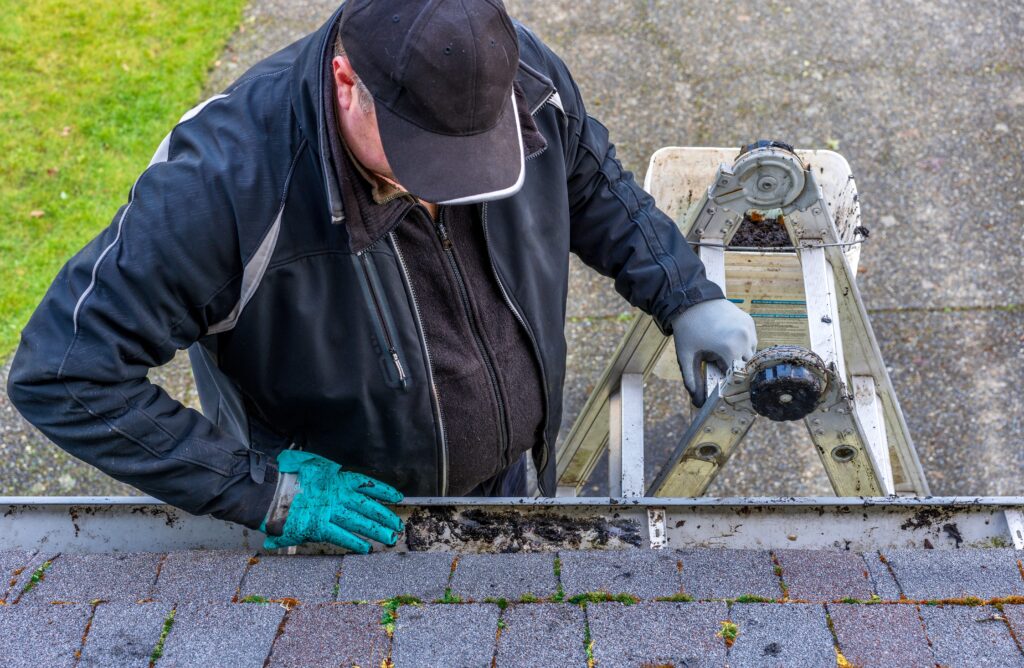
Clearing gutters and downspouts twice a year is the single highest-impact preventative task most homeowners can do, because clogged gutters back water up onto the roof and against the fascia, leading to rotted wood and leaks at the eaves. Leaves, twigs, and roof debris collect in gutters over the summer and after fall leaf drop, and once they clog the downspouts, water overflows the gutter edge instead of draining away. In Arlington and surrounding areas, gutter cleaning is most critical in late fall after the leaves come down, with a second pass in spring to catch winter debris. Many homeowners hire a pro for $100 to $250 per cleaning, which is far less than fixing rotted fascia or a leaking eave.
- Cleaning frequency: At least twice a year, more often near heavy tree cover.
- Cost per cleaning: Typically $100 to $250 for professional service.
- Damage prevented: Rotted fascia, soffit damage, and ice dam leaks.
- DIY warning: Ladder work is the source of most household falls; safety matters.
2. Replacing Cracked or Lifted Shingles
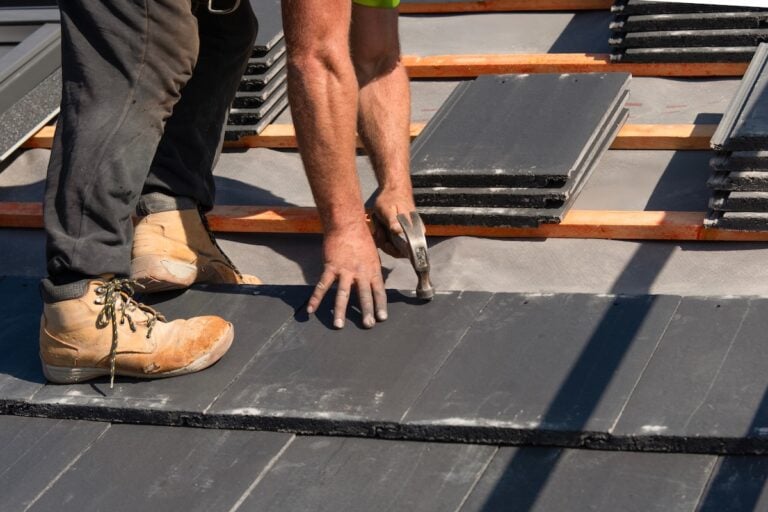
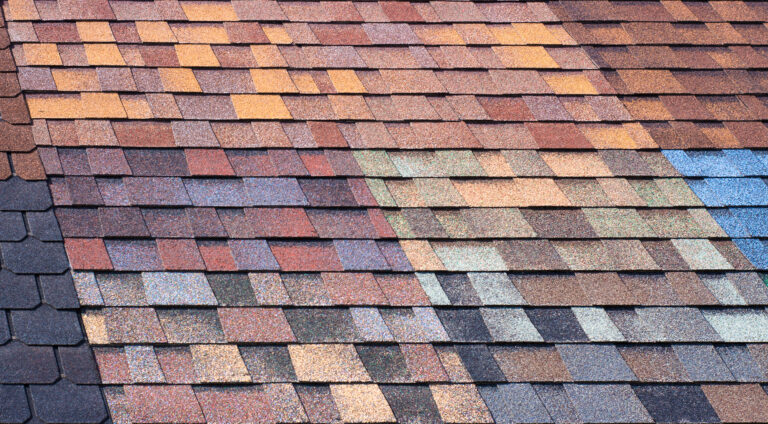
Replacing cracked or lifted shingles right when you notice them prevents wind from getting underneath and tearing larger sections off in the next storm. A single damaged shingle isn’t always an immediate leak because the underlayment underneath provides a backup, but the longer it stays exposed, the more likely water finds its way in. Most reputable contractors handle small shingle replacement for $200 to $500, including the cost of matching the color as closely as possible. Color matching gets harder on older roofs because sun fading changes the look, but a slightly mismatched shingle is much better than leaving the spot exposed. Catching this kind of damage during a walk-around of the property after each storm makes a real difference.
- Typical fix cost: $200 to $500 for one to a few shingles.
- Common causes: Wind damage, falling branches, age, or shingles that were poorly nailed.
- Time to fix: Usually completed in two to three hours.
- Damage prevented: Larger blow-offs, water intrusion, and underlayment exposure.
3. Resealing Flashing Around Chimneys and Vents
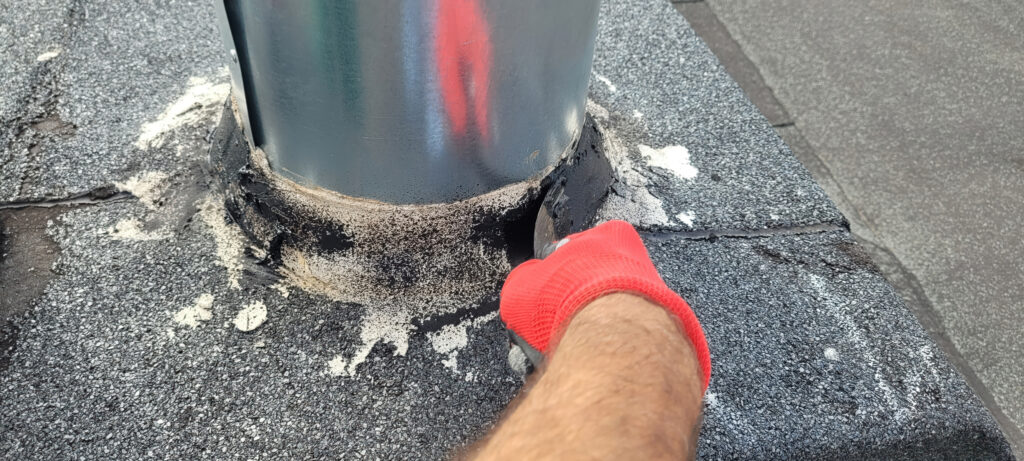
Resealing flashing around chimneys, vents, and other roof penetrations is critical because these are where roughly 90% of all roof leaks actually start, not in the middle of the field. The caulk and sealant used around flashings dries out, cracks, and pulls away from the metal over 5 to 10 years, leaving small gaps for water to sneak through. A reputable contractor can reseal all the flashing points on a typical home for $300 to $700, which is far less than fixing the ceiling damage from a chimney leak. Homeowners in Arlington and surrounding areas often discover failed flashing after years of slow leaks that finally show up as a ceiling stain inside.
- Typical fix cost: $300 to $700 for full flashing maintenance.
- Most common locations: Chimneys, plumbing vents, skylights, and wall transitions.
- Time to fix: Usually completed in half a day to a day.
- Damage prevented: Slow leaks, ceiling stains, attic moisture, and mold.
According to research from the Insurance Institute for Business & Home Safety, for every inch of rain that hits an exposed roof deck after shingles are lost, the equivalent of nine bathtubs of water can pour into a typical 2,000 square foot home, which is why catching small shingle and flashing problems early protects against major water damage.
4. Checking and Replacing Pipe Boots
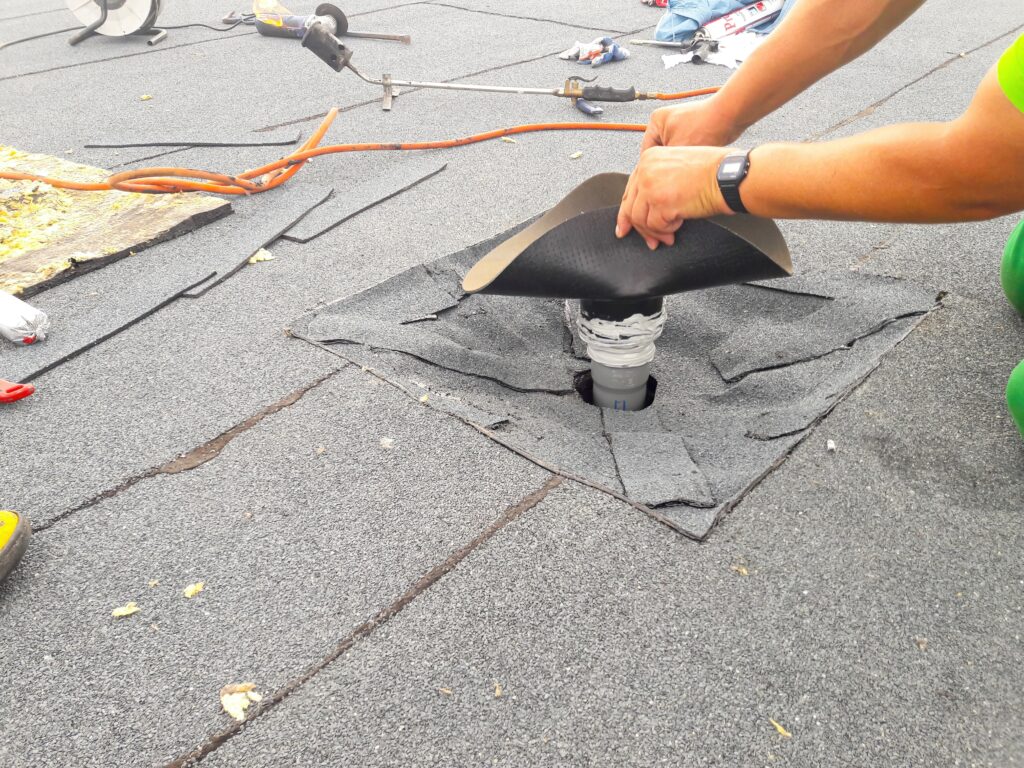
Pipe boots are the rubber or plastic collars that seal around plumbing vent pipes sticking out of the roof, and they’re one of the most common preventable leak sources. The rubber breaks down from UV exposure and typically fails 10 to 15 years into the life of a roof, well before the shingles themselves need replacement. A failed pipe boot lets water run directly down the pipe into the attic, often without any visible damage on the roof itself. Replacement runs $75 to $250 per boot, including labor, and catches a problem that would otherwise show up as a ceiling stain or attic moisture months later. Reputable contractors in Arlington and surrounding areas check pipe boots during every annual inspection.
- Typical fix cost: $75 to $250 per pipe boot replacement.
- Lifespan: Most pipe boots fail at 10 to 15 years, before the rest of the roof.
- Signs of failure: Cracked rubber, loose collar, or staining around the pipe.
- Damage prevented: Attic leaks, ceiling stains, and water-damaged insulation.
5. Trimming Overhanging Tree Limbs
Trimming overhanging tree limbs prevents branches from scraping shingles in the wind, dropping heavy loads of leaves and seeds onto the roof, and giving rodents and squirrels easy access to the attic. Branches that touch or hover within a few feet of the roof can wear down the shingle surface over years and break off during storms to cause serious damage. Tree trimming costs vary widely based on tree size, but $150 to $600 per tree is typical for branches within reach of the roof. This is one of the more visible signs that a homeowner takes care of their property, and a few hours of work each year prevents a lot of long-term roof wear. Aim to keep branches at least 6 to 10 feet off the roof surface.
- Typical trimming cost: $150 to $600 per tree for roof-adjacent branches.
- Recommended clearance: 6 to 10 feet between branches and the roof.
- Damage prevented: Shingle scuffing, clogged gutters, pest access, and storm damage.
- Best timing: Late winter or early spring before leaves come back.
6. Clearing Attic Vents and Improving Airflow
Clearing attic vents and making sure airflow stays balanced extends roof life by reducing the heat and humidity that bake shingles from underneath. Soffit vents at the eaves and ridge vents at the peak need to stay clear of insulation, debris, and bird or wasp nests for proper airflow. A hot, humid attic causes shingles to age years faster than they should, and condensation in winter can soak insulation and decking. Most attic ventilation issues can be fixed for $100 to $500, which is one of the highest-ROI maintenance tasks because of how much roof life it can add. Homeowners in Arlington and surrounding areas with older homes often discover their attic ventilation isn’t up to current standards.
- Typical fix cost: $100 to $500 for vent clearing and minor upgrades.
- What to check: Soffit vents, ridge vents, gable vents, and bathroom exhaust fans.
- Signs of poor ventilation: Hot attic in summer, ice dams in winter, damp insulation.
- Damage prevented: Shortened shingle life, attic mold, and ice dam leaks.
7. Replacing Worn Caulk and Sealant
Worn caulk and sealant around skylights, dormers, and roof-wall transitions break down over years of sun, heat, and temperature swings, opening small gaps where water can find its way in. Touching up these areas every 5 to 10 years is one of the cheapest preventative tasks a homeowner can do, with most touch-ups running $150 to $400 for an entire home. The sealant work isn’t visible from the ground, but it makes a huge difference in keeping water out. A reputable contractor can identify and reseal all the spots that need attention during an annual inspection. This kind of small fix is exactly the type of work that pays back many times over its cost.
- Typical cost: $150 to $400 for full sealant touch-up across the roof.
- Lifespan: Most caulk and sealant lasts 5 to 10 years before needing replacement.
- Common spots: Skylight edges, dormer transitions, and wall-roof joints.
- Damage prevented: Slow leaks at sealed joints, water damage to walls and ceilings.
When to Handle Maintenance Yourself vs. Call a Pro

Some preventative tasks are safe for most homeowners, while others belong to professionals because of safety risk or the technical care they need. Knowing the difference protects both your home and your back.
What Maintenance Tasks Are Safe to Do Yourself?
Ground-level tasks are the safest things for homeowners to handle themselves, including walking around the property to look for damage, photographing anything unusual, and trimming small branches that hang over the roof. Cleaning gutters can be done by homeowners comfortable with ladder work, though many people hire this out because falls from ladders are one of the most common household injuries. Looking for ceiling stains, checking the attic for daylight or wet insulation, and noting any granules collecting in downspouts are all easy DIY tasks. Anything that requires climbing onto the roof itself is usually better left to a professional with proper safety gear.
- Property walk-around: Safe ground-level check after storms or seasonally.
- Photo documentation: Anything unusual recorded for future reference.
- Gutter cleaning: Possible for homeowners comfortable with ladders.
- Attic checks: Looking for stains, daylight, or wet insulation from inside.
When Should You Hire a Professional?
You should hire a professional any time the task requires climbing onto the roof, reaching steep or hard-to-access areas, or making any repair that affects the shingles, flashing, or sealing. Falls from roofs are a serious safety risk, and untrained homeowners often miss the technical details that matter most, like proper sealant choice or fastener placement. Most reputable roofing contractors offer free annual inspections that catch the issues homeowners can’t see from the ground. The cost of one preventative inspection is typically less than the cost of a single emergency repair caused by a missed problem. Springfield Roofing & Sheet Metal and other reputable contractors in Arlington and surrounding areas offer free annual inspections.
- On-roof work: Any task that requires walking the roof should go to a pro.
- Repair work: Shingle replacement, flashing repair, or sealant work needs experience.
- Annual inspection: Free from most reputable contractors, well worth the time.
- Warranty work: Manufacturer warranties often require certified contractor service.
Frequently Asked Questions
How often should I have my roof inspected?
Most homeowners should have their roof professionally inspected once a year, with an extra inspection after any major storm. Annual inspections catch small problems before they cause damage, and most reputable contractors offer this service for free. After hail, high winds, or heavy snow, scheduling a quick post-storm inspection is also worth the time.
How much does annual roof maintenance cost?
Annual roof maintenance typically runs $150 to $500 for most homeowners, depending on what needs attention. A basic inspection and minor sealant touch-up is on the low end, while replacing pipe boots, addressing flashing, or doing more extensive sealant work runs higher. The cost is usually a fraction of what one missed problem could cost in repairs.
Can I walk on my own roof to check it?
Walking on your own roof is not recommended unless you have the right safety gear and experience. Falls from roofs are one of the most common serious household injuries, and untrained eyes often miss the subtle damage that matters most. Stick to ground-level inspections and call a professional for anything that needs on-roof access.
What’s the best time of year for preventative maintenance?
The best times for preventative roof maintenance are spring (after winter damage) and fall (before winter sets in). Spring inspections catch any damage from snow, ice, and freeze-thaw cycles. Fall maintenance clears gutters, addresses summer wear, and prepares the roof for the coming winter.
Will preventative maintenance void my roof warranty?
Preventative maintenance does not void roof warranties when it’s done by qualified professionals; in fact, manufacturer warranties often require documented maintenance to remain valid. DIY repairs that affect the roof system can sometimes void warranties, so it’s safer to have professional work done by certified contractors. Keep records of all maintenance for warranty purposes.
Do I need a maintenance plan or can I just call when something’s wrong?
A maintenance plan isn’t strictly necessary for most homeowners, but scheduling an annual inspection is a good baseline. The “call when something’s wrong” approach usually costs more over time because problems are caught later, after damage has spread. Many reputable contractors offer free annual inspections, which gives most of the benefit without a formal plan.
Choose Springfield Roofing & Sheet Metal for Honest Preventative Roof Maintenance
When preventative roof maintenance is done right, small fixes really do stop big bills, and homeowners save tens of thousands over the life of a roof. Springfield Roofing & Sheet Metal is a 1st and 2nd generation family-owned and operated company serving Arlington and surrounding areas with a dedicated in-house crew, full labor and material warranties, and CertainTeed 5-Star Select Shingle Master certification, which is held by only a small percentage of roofing contractors nationwide. We provide free annual inspections, honest assessments of what really needs attention, and clear pricing on any maintenance work so homeowners know exactly what they’re paying for. Contact Springfield Roofing & Sheet Metal today for a free estimate and find out what consistent, careful preventative care does for your roof.