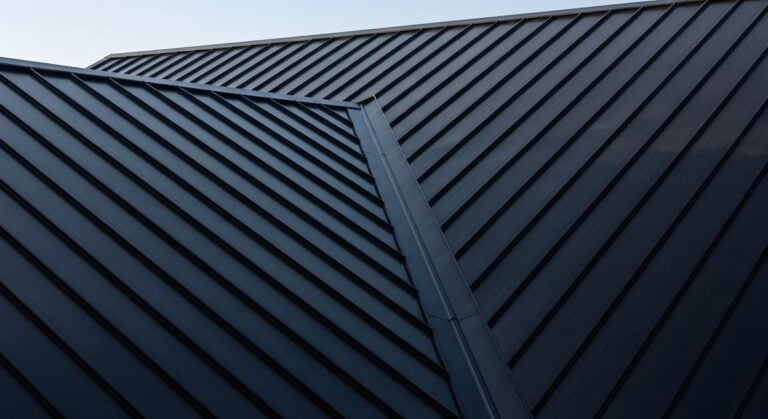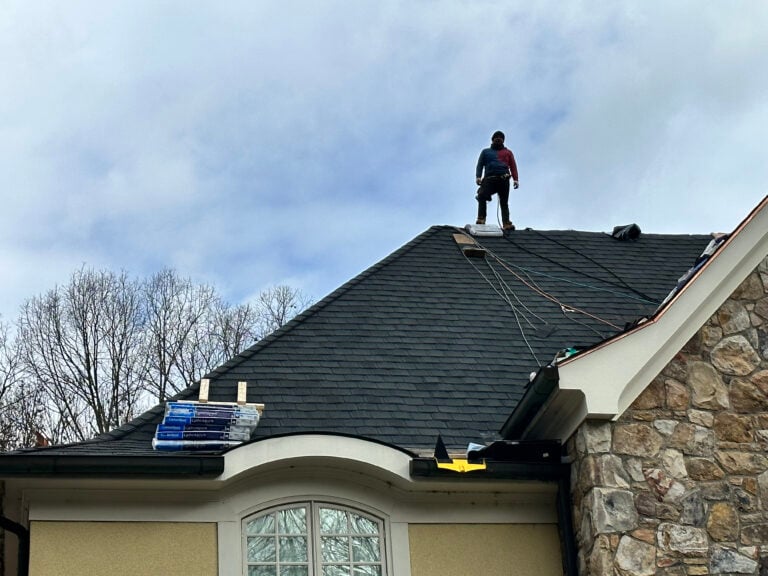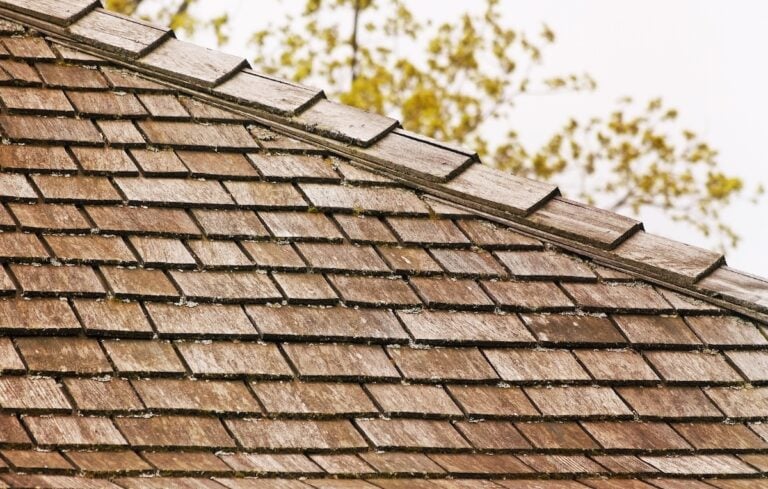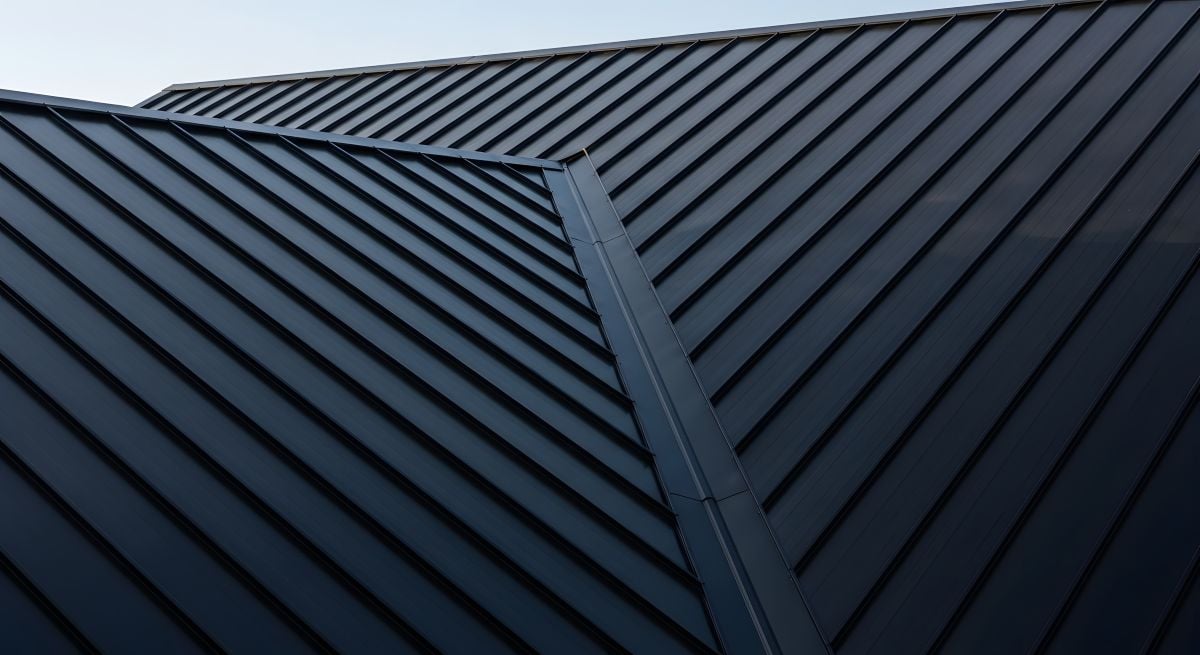
The metal roof installation cost in 2026 has settled into a fairly predictable range, with most residential standing seam projects landing between $10 and $18 per square foot installed, though premium materials and complex roofs can push the total significantly higher. Homeowners in Falls Church and surrounding areas considering the switch from asphalt to metal often experience real sticker shock at first, since metal typically costs two to three times what asphalt does upfront. But the math changes when you factor in a 50-year lifespan, lower energy bills, minimal maintenance, and stronger resale value. This guide walks through what metal roofing actually costs in 2026, what drives price differences, and how to figure out whether the investment makes sense for your home.
- 2026 price range: $10 to $18 per square foot installed for most steel and aluminum systems.
- Total project cost: Typical residential metal roofs run $20,000 to $40,000.
- Long-term value: 50-year lifespan and energy savings often offset higher upfront cost.
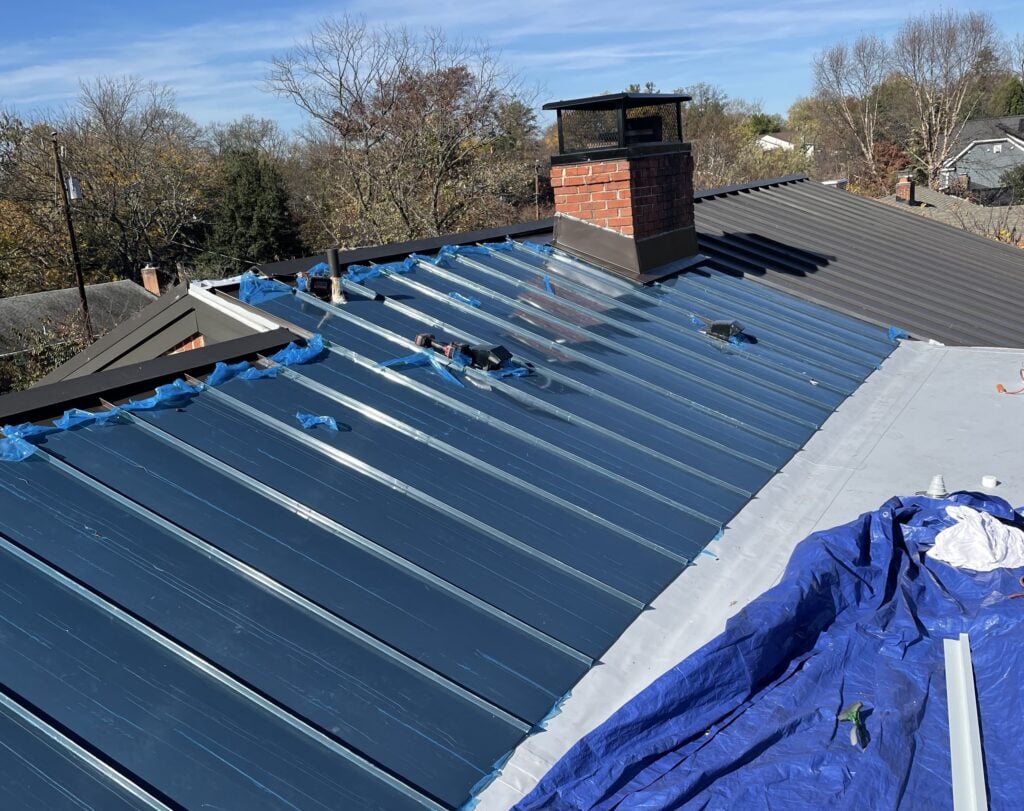
What Does Metal Roof Installation Cost in 2026?
Metal roofing prices in 2026 depend on the material, the panel style, and the complexity of the roof. Knowing the ranges helps homeowners set realistic expectations before getting quotes.
What’s the Average Cost of a Metal Roof Today?
The average metal roof installation cost in 2026 runs $10 to $18 per square foot installed for standard steel and aluminum standing seam systems, according to aggregated industry data. That translates to roughly $20,000 to $36,000 for a typical 2,000 square foot home in Falls Church and surrounding areas. Metal shingles and corrugated panels come in lower, often at $8 to $14 per square foot, while premium copper and zinc systems can reach $20 to $40 per square foot. Prices have risen roughly 8-12% since 2022 due to raw material costs and skilled labor demand. Getting three quotes from qualified metal roofing contractors is the best way to understand pricing for your specific home.
- Steel standing seam: $10 to $16 per square foot installed.
- Aluminum standing seam: $12 to $18 per square foot installed.
- Metal shingles: $8 to $14 per square foot installed.
- Copper standing seam: $20 to $40 per square foot for premium projects.
What Does the Total Bottom-Line Cost Look Like?
The bottom-line total cost for a residential metal roof in 2026 typically runs $20,000 to $40,000 for an average-sized home, with variation based on roof size, complexity, and material choice. Smaller homes (1,500 square feet or less) can come in closer to $16,000 to $22,000 for a straightforward standing seam installation. Larger or more complex homes with multiple slopes, dormers, and penetrations run higher because of extra material waste and labor time. Homes in Falls Church and surrounding areas with premium features (like copper accents at valleys or full copper standing seam) can exceed $60,000. The total also depends heavily on whether tear-off is required or whether the metal can be installed over existing shingles, which some local codes permit.
- Average home: $20,000 to $40,000 total installed cost.
- Small home (under 1,500 sq ft): $16,000 to $22,000 typical.
- Large or complex home: $40,000 to $60,000+ common.
- Premium materials: Copper or zinc can push total costs much higher.
3 Big Factors That Drive Metal Roof Pricing
Three major factors account for most of the price variation between metal roof quotes. Understanding each one helps homeowners compare bids and see where their money actually goes.
1. Material Type and Coating
Material type is by far the biggest single driver of metal roof cost, with steel and aluminum on the affordable end and copper and zinc at the premium end. Steel is the most common choice for residential standing seam because it balances durability, cost, and appearance well, and Galvalume-coated steel adds strong corrosion resistance without a huge price jump. Aluminum runs slightly higher but doesn’t rust, which makes it a good choice for humid climates. Coatings also matter significantly: PVDF finishes (like Kynar 500) cost more than SMP finishes but last decades longer without fading. Homeowners in Falls Church and surrounding areas typically choose Galvalume steel or aluminum with PVDF coatings for the best balance of cost and long-term performance.
- Galvalume steel: Most common residential choice, $10 to $16 per square foot.
- Aluminum: Rust-proof, $12 to $18 per square foot.
- PVDF coating: Premium finish that resists fading for 30+ years.
- SMP coating: Budget alternative but shorter color warranty.
The Metal Roofing Alliance, the primary industry association representing metal roofing manufacturers, distributors, and contractors, notes that metal roofing can typically save homeowners 10 to 40% on energy costs compared to asphalt shingles, with highly reflective and highly emissive painted or granular-coated metal roofing systems capable of re-emitting up to 90% of absorbed solar radiation, which is why the material’s higher upfront cost often pays back through decades of lower cooling bills.
2. Roof Complexity and Size
Roof complexity and size drive labor costs because metal panels require careful measuring, cutting, and fitting around every valley, dormer, chimney, and skylight. A simple gable roof takes far less time to install than a Victorian home with multiple slopes, hips, and details. Metal also requires extensive trim work at every edge and transition, which adds material and labor cost. Roof pitch matters too, since steeper roofs (above 6/12) require additional safety equipment and slow the installation pace. Homes in Falls Church and surrounding areas with older architectural styles often see quotes 20 to 40% higher than simple modern homes of the same square footage. Getting an on-site quote is important because roof shape shows up in the total price much more with metal than with asphalt.
- Simple gable: Base pricing applies without much markup.
- Multi-slope, dormered: 20 to 40% higher labor cost.
- Steep pitch: Additional safety and labor time.
- Trim work: Every edge and transition adds material cost.
3. Installation Method and Underlayment
Installation method and underlayment choices also affect the final metal roof installation cost, sometimes in ways homeowners don’t expect. Full tear-off of the existing roof adds labor and disposal costs, typically $2,000 to $4,000 for an average home. Some jurisdictions allow metal roofing over existing shingles, which saves on tear-off but requires careful evaluation of the substrate. Underlayment choice matters because metal roofs benefit from high-temperature synthetic underlayment (rated for 40+ years) rather than standard felt. Proper attachment method also matters: mechanical seam standing seam is more weather-resistant than snap-lock but costs more. Homeowners should ask each contractor for specifics on tear-off, underlayment brand, and seam type when comparing quotes.
- Full tear-off: $2,000 to $4,000 extra for removal and disposal.
- Metal over shingles: Cheaper but requires substrate assessment.
- High-temp underlayment: Adds $1 to $3 per square foot.
- Mechanical vs. snap-lock seams: Mechanical costs more, lasts longer.
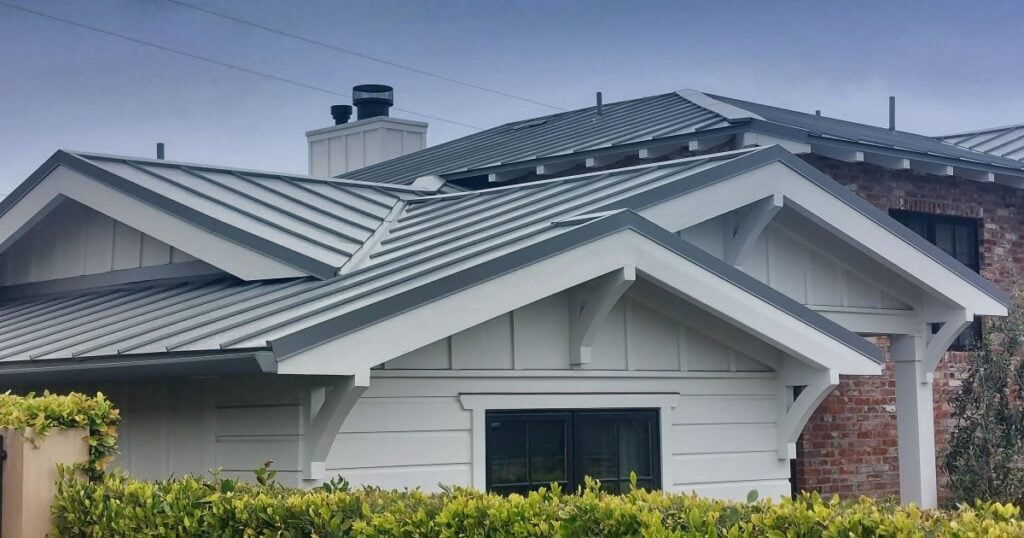
Is Metal Roofing Worth the Higher Upfront Cost?
The higher upfront cost of metal roofing is one of the biggest questions homeowners face. Looking at the full lifetime value helps clarify whether the investment makes sense.
How Does Metal Roofing Compare to Asphalt Over Time?
Metal roofing typically costs two to three times more than asphalt shingles upfront, but the math evens out over 40 to 50 years. A quality asphalt roof lasts 20 to 30 years and costs $15,000 to $25,000 installed for a typical home, meaning a homeowner staying long-term will replace it once or twice. A metal roof installed today can easily last 50 years or more, meaning one metal roof replaces two or three asphalt roofs over the same period. When you factor in energy savings, insurance discounts, and higher resale value, the lifetime cost per year for metal often comes in lower than asphalt. The choice depends on how long you plan to stay in the home and how you value upfront versus long-term costs.
- Asphalt lifespan: 20 to 30 years, then replacement needed.
- Metal lifespan: 40 to 70 years, often only one install per homeowner.
- Energy savings: 10 to 40% on cooling bills with reflective metal.
- Long-term math: Cost per year often lower for metal despite higher upfront.
What Other Benefits Justify the Higher Cost?
Other benefits that help justify the higher cost of metal roofing include improved storm resistance, insurance premium discounts, better fire protection, and higher resale value. Metal roofs are rated for winds up to 140 mph or more when properly installed, compared to 60 to 130 mph for asphalt shingles. Many insurance companies offer 5% to 30% discounts on homeowner premiums for impact-rated metal roofs. Metal is also Class A fire rated, the highest available, which matters in wildfire-prone areas and can further reduce insurance. Home resale value can also increase because buyers see decades of remaining roof life. For homeowners in Falls Church and surrounding areas planning to stay long-term, these benefits stack up over the years.
- Wind resistance: Up to 140 mph on properly installed systems.
- Insurance discounts: 5 to 30% off homeowner premiums common.
- Class A fire rating: The highest fire protection rating available.
- Resale value: Buyers value decades of remaining roof life.
Frequently Asked Questions
How much does a metal roof cost for a 2,000 square foot home?
A metal roof for a 2,000 square foot home typically costs $20,000 to $36,000 installed in 2026 for standard steel or aluminum standing seam. Premium copper or complex roof designs can push that higher. This includes materials, labor, tear-off, underlayment, and standard trim.
Is a metal roof more expensive than asphalt shingles?
Yes, a metal roof typically costs two to three times more than asphalt shingles upfront, but often costs less per year of service life. Asphalt runs $5 to $8 per square foot installed while metal runs $10 to $18. Metal’s longer lifespan and energy savings often close the gap over time.
How long does a metal roof last?
Metal roofs typically last 40 to 70 years for standing seam steel and aluminum systems, with copper and zinc lasting 100 years or more. This compares to 20 to 30 years for asphalt shingles. Proper installation and periodic maintenance help metal roofs reach the higher end of their expected lifespan.
Can I put a metal roof over my existing asphalt shingles?
You can sometimes install a metal roof over existing asphalt shingles if local building codes allow it and the substrate is sound, but full tear-off is usually the better choice. Installing over shingles saves on tear-off costs but can hide underlying problems and may affect warranty coverage. Ask a licensed contractor for guidance based on your specific roof.
Will a metal roof lower my insurance premiums?
A metal roof often lowers homeowner insurance premiums by 5 to 30% because of its wind, hail, and fire resistance. The exact discount varies by insurance carrier, policy, and location. Ask your insurance company for specific pricing based on the metal system being installed.
Are metal roofs noisy in the rain?
Metal roofs installed properly on a solid deck with underlayment are no noisier than asphalt roofs in the rain. The “metal roof is loud” myth comes from old barn-style installations directly on open framing. Modern residential metal installations include underlayment and decking that dampen sound to normal levels.
How much does it cost to repair a metal roof?
Metal roof repairs typically cost $500 to $2,500 depending on the issue, which is comparable to or slightly higher than asphalt repair costs. Because metal roofs need repairs less frequently and last much longer, total repair costs over the roof’s lifetime are typically lower than asphalt.
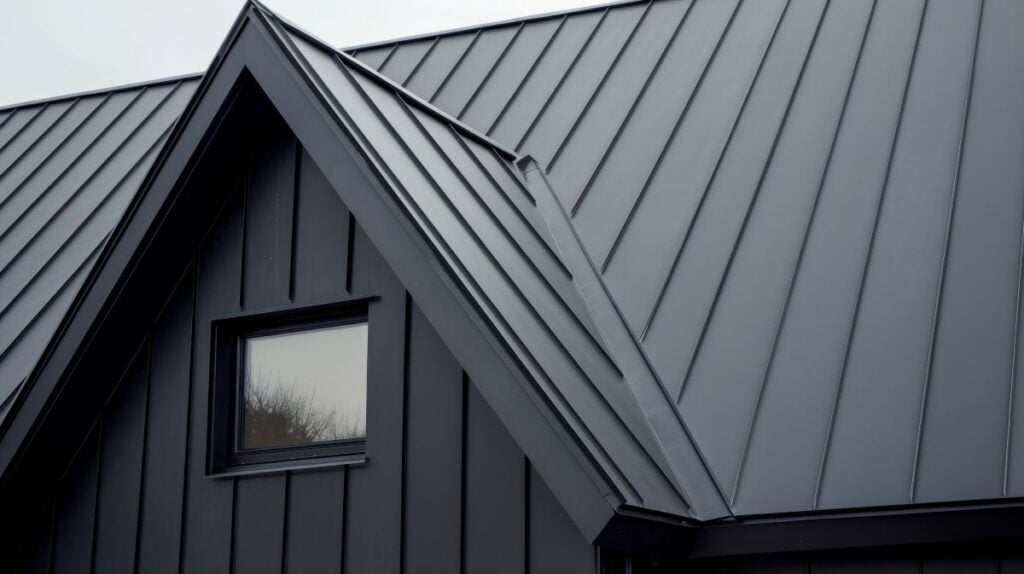
Choose Springfield Roofing & Sheet Metal for Honest Metal Roof Pricing
When you’re evaluating metal roof installation cost against long-term value, honest pricing and clear scope matter as much as the bottom-line number. Springfield Roofing & Sheet Metal is a 1st and 2nd generation family-owned and operated company serving Falls Church and surrounding areas with a dedicated in-house crew, full labor and material warranties, and CertainTeed 5-Star Select Shingle Master certification. Our sheet metal expertise runs deep, and we provide free, itemized estimates that spell out material choice, labor scope, tear-off allowance, and warranty terms so homeowners can compare bids accurately. Contact Springfield Roofing & Sheet Metal today for a free estimate and find out what a real metal roof will cost for your specific home.