Knowing how to choose a roofing contractor is one of the most important decisions homeowners make about their largest investment, because the wrong choice can turn a $20,000 roof replacement into a years-long regret with leaks, warranty headaches, and disputes over unfinished work. Homeowners in Alexandria and surrounding areas have plenty of roofing companies to choose from, but the quality gap between the best and worst is enormous, and the differences aren’t always obvious on a website or a glossy estimate. Knowing what to check, what questions to ask, and what red flags actually matter helps homeowners separate the honest contractors who’ll stand behind their work from the ones who disappear once the deposit clears. This guide walks through eight specific things to verify before you sign.
- What to verify: License, insurance, references, and certifications all matter.
- What to ask: A few specific questions quickly separate pros from problems.
- What to avoid: Storm chasers, lowball bids, and pressure to sign on the spot.
Why Contractor Choice Matters So Much
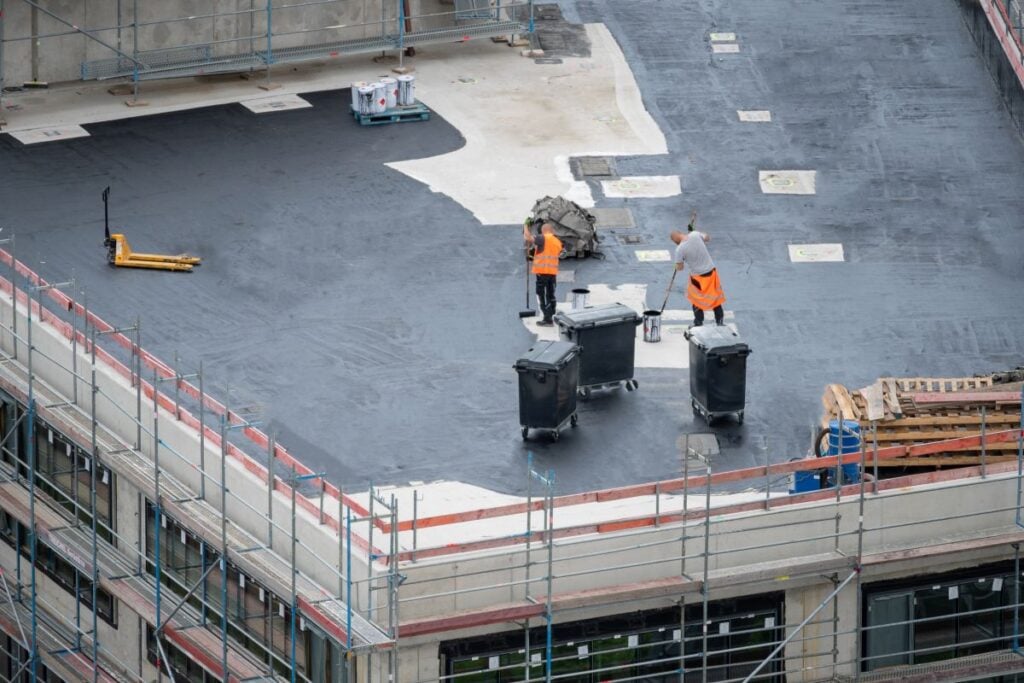
The contractor matters as much as the material, because even the best shingles installed badly will fail years early. Knowing why the choice matters helps homeowners take the research time it deserves.
What’s Really at Stake With a Roofing Contract?
A roofing contract typically involves $15,000 to $40,000 of work that lasts 25 to 30 years, which means a poor choice can affect your home, finances, and stress level for decades. A good contractor stands behind their work with written warranties, follows manufacturer specifications so material warranties stay valid, pulls permits properly, and finishes on schedule. A bad one cuts corners on materials, skips important steps like proper underlayment or flashing, voids your manufacturer warranty through improper installation, and may disappear when problems show up later. The financial difference between a good roof and a bad one isn’t just the initial cost; it’s the cost of premature replacement, water damage repair, and lost peace of mind. Homeowners in Alexandria and surrounding areas should treat contractor choice with at least as much care as choosing the roof itself.
- Long-term value: A good install can deliver 25-30 years of trouble-free service.
- Warranty validity: Improper installation voids manufacturer warranties.
- Water damage risk: Bad installs can lead to thousands in interior repair costs.
- Permit compliance: Proper permits protect you when you eventually sell.
How Common Are Roofing Scams and Disputes?
Roofing scams and disputes are more common than most homeowners realize, with the Better Business Bureau ranking home improvement scams as the third riskiest category for consumers 65 and older and one of the most common complaint categories overall. Scam tactics range from outright fraud (taking deposits and never returning) to subtler problems like quoting more work than needed, using lower-grade materials than promised, or skipping inspections. Door-to-door pitches after storms are a particularly common red flag, since reputable local contractors rarely solicit work this way. Knowing what real scams look like helps homeowners spot them before signing. The good news is that legitimate contractors usually distinguish themselves quickly through transparent practices, clear contracts, and a willingness to answer hard questions.
- Storm chasers: Out-of-area contractors appearing after weather events.
- Deposit theft: Large up-front payments that disappear with the contractor.
- Material substitution: Cheaper shingles or accessories than quoted.
- Door-to-door solicitation: Almost always a red flag for residential roofing.
8 Things to Verify Before You Sign a Roofing Contract
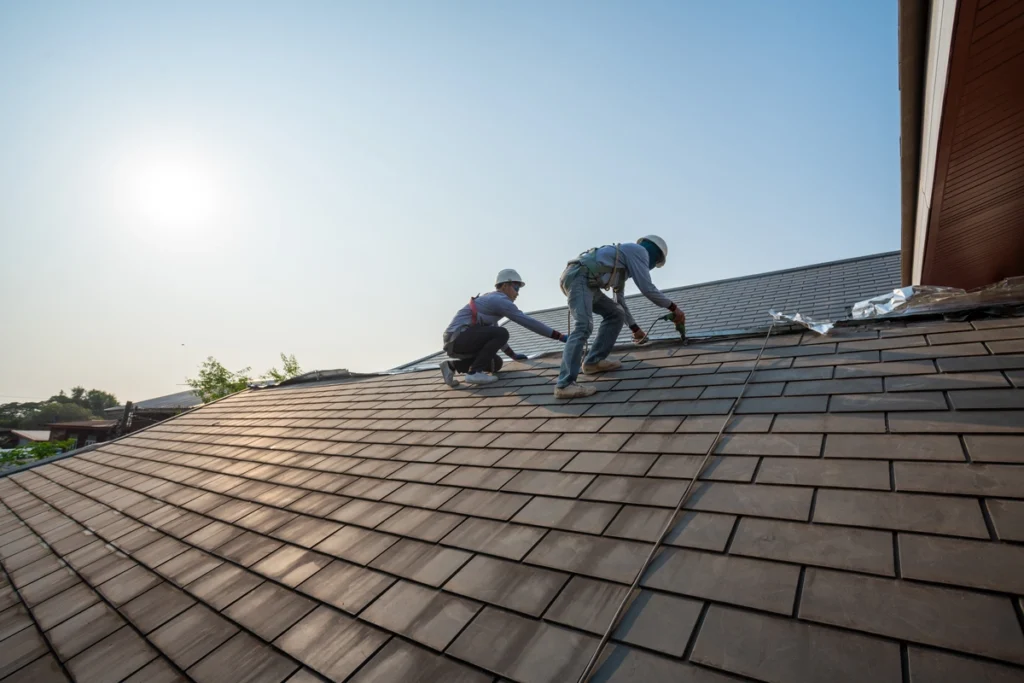
These eight specific checks separate trustworthy roofing contractors from the ones likely to cause regrets later. Walking through every one of them on every quote takes maybe an hour total, and saves homeowners from much bigger headaches.
1. State License and Local Registration
State licensing and local business registration are the most basic verifications, and any contractor unable or unwilling to provide proof is an immediate red flag. Virginia requires roofing contractors performing work over $1,000 to hold a Class A, B, or C contractor license through the Department of Professional and Occupational Regulation (DPOR). Homeowners in Alexandria and surrounding areas should also verify the contractor is registered to do business in Virginia and has a physical business address that exists. A quick check on the DPOR website confirms license status, type, and any disciplinary history. Out-of-state contractors moving in after storms often lack proper Virginia licensing, which leaves homeowners with no recourse if the work goes wrong.
- DPOR license verification: Free online check at the Virginia DPOR website.
- License class: Class A licenses required for the largest jobs.
- Physical address: Verify the business actually exists at the listed location.
- Local presence: Established local contractors are easier to hold accountable.
2. General Liability and Workers’ Compensation Insurance
Insurance coverage protects homeowners from being financially responsible if a crew member gets injured on their property or causes damage during the work. Reputable contractors carry general liability insurance (typically $1 million or more) and workers’ compensation for every employee on the job. Ask for a certificate of insurance and verify it’s current, since policies can lapse. Without proper insurance, a homeowner can be legally responsible for injuries that happen on their property, which can run into hundreds of thousands of dollars. Contractors who hesitate to provide insurance documentation, claim they “don’t need it” for small jobs, or offer expired certificates are not contractors to hire. This single check eliminates a huge percentage of fly-by-night operations.
- General liability: Protects against property damage during the work.
- Workers’ compensation: Required for any contractor with employees.
- Certificate of insurance: Current copies provided directly from the insurer.
- Coverage amount: $1 million minimum is industry standard.
3. Manufacturer Certifications
Manufacturer certifications signal that a contractor has met training, quality, and reliability standards set by the shingle manufacturers themselves. Programs like CertainTeed Shingle Master, GAF Master Elite, and Owens Corning Platinum Preferred require contractors to complete training, pass quality reviews, and maintain a track record of successful installations. Certified contractors also unlock enhanced manufacturer warranties that aren’t available through non-certified installers, sometimes adding 10 to 25 years of additional coverage. These certifications take real time and effort to earn, which is why only a small percentage of roofing contractors carry them. Asking which manufacturer certifications a contractor holds quickly reveals whether they invest in their trade.
- CertainTeed Shingle Master: Requires ongoing training and quality compliance.
- GAF Master Elite: Held by fewer than 3% of GAF-installing contractors.
- Owens Corning Platinum Preferred: Top-tier certification with quality reviews.
- Enhanced warranties: Available only through certified contractors.
The Better Business Bureau reports that home improvement scams rank among the top categories on its Scam Tracker Risk Report, with roofing scams becoming especially common after storms and approximately 20% of roofing complaints involving deposit theft, which is why verifying license, insurance, and certifications before paying any deposit is one of the strongest protections homeowners have.
4. Verified References and Recent Local Work
Verified references and recent local work tell you what the contractor’s actual customers think after the job is done. Ask for three to five references from jobs completed in the last year, ideally in your neighborhood or in Alexandria and surrounding areas. Call them and ask about timeline, communication, cleanup, follow-up, and whether any issues came up. Drive by some of the actual roofs they’ve installed to see the quality from the curb. Online reviews on Google, BBB, and other platforms also help, though be aware that fake AI-generated reviews are an increasing problem. Real local references and addresses you can drive to are the strongest verification.
- Recent jobs: References from work in the last 6 to 12 months.
- Local addresses: Roofs you can actually see in person.
- Reference call topics: Timeline, communication, cleanup, and post-job support.
- Online reviews: Helpful but increasingly polluted with fake content.
5. Detailed, Itemized Written Contract
A detailed written contract is what protects both sides when the work begins, and it should spell out everything from material brand and product line to per-sheet decking replacement rates. Lump-sum pricing without itemization makes it impossible to compare bids fairly and leaves room for surprise change orders. The contract should also include who’s responsible for permits, dumpster placement, cleanup, and HOA approvals. Both manufacturer and workmanship warranties should be written into the contract, not promised verbally. Under Virginia consumer protection laws, the contract must be signed before any work begins, and homeowners typically have a three-day right to cancel after signing. Never sign a contract that has blank spaces, “to be determined” pricing, or vague material specifications.
- Brand and product specifics: Shingle line, underlayment type, flashing materials.
- Itemized pricing: Each major component priced separately.
- Permit responsibility: Contractor should pull and pay for the permit.
- Warranty language: Both manufacturer and workmanship terms in writing.
6. Reasonable Payment Structure
Reasonable payment structure protects homeowners from contractors who collect large up-front deposits and disappear. A standard approach is 10% to 30% down at signing, a progress payment when materials are delivered or work begins, and the balance on satisfactory completion. Be wary of any contractor demanding 50% or more up front, or requesting payment through Venmo, Zelle, or Cash App rather than check or credit card. Peer-to-peer payment apps offer almost no buyer protection if things go wrong, which is why scammers prefer them. Credit card payments also offer dispute rights that wire transfers and checks don’t. Never pay the full balance until the work passes both the contractor’s own walkthrough and the local building inspector’s review.
- Deposit range: 10% to 30% at signing is standard.
- Payment method: Check or credit card preferred; avoid peer-to-peer apps.
- Final payment: Only after passing inspection and walkthrough.
- Progress payments: Tied to material delivery or work milestones.
7. Permit Handling and Inspection Plan
Permit handling is one of the clearest signals of a reputable contractor, because legitimate contractors pull permits as part of their service and welcome local building inspections. Roof replacements in Alexandria and surrounding areas typically require a permit, and the contractor should handle the application, fees, and inspection coordination. Homeowners should never pull their own permit for a contractor’s work, because doing so shifts liability for code compliance onto the homeowner. Contractors who suggest skipping the permit “to save money” are creating legal and warranty problems that can show up years later when you try to sell the home. Closing the permit properly also protects the manufacturer warranty, since most require code-compliant installation.
- Contractor pulls permit: Standard practice for legitimate contractors.
- Inspection coordination: Contractor schedules and meets the inspector.
- Permit closeout: Final paperwork filed after work is complete.
- Never homeowner-pulled: Shifts liability to the homeowner inappropriately.
8. Clear Written Warranty Terms
Clear written warranty terms protect homeowners for years after the contractor leaves, and they should cover both the materials (from the manufacturer) and the workmanship (from the contractor). Manufacturer warranties on architectural shingles typically run 25 to 50 years, but only stay valid when installed by qualified contractors using all manufacturer-specified components. Workmanship warranties from the contractor should be at least 5 years, with longer terms (10 to 25 years) signaling stronger commitment. Ask for both warranties in writing as part of the contract, with clear coverage terms and transferability rules. Verbal warranty promises mean nothing when problems surface 10 years later and the contractor is hard to reach.
- Manufacturer warranty: 25 to 50 years on materials, requires proper installation.
- Workmanship warranty: 5 to 25 years from the contractor, in writing.
- Coverage scope: Specifies what’s covered and what’s not.
- Transferability: Helps if you sell the home before the warranty expires.
Frequently Asked Questions
How many roofing quotes should I get?
Most homeowners benefit from getting three quotes from reputable local contractors before signing a contract. This gives a fair comparison of pricing, scope, and approach without becoming overwhelming. Quotes that come in significantly higher or lower than the others are worth investigating to understand why.
What’s the biggest red flag with a roofing contractor?
The biggest red flag is pressure to sign on the spot, especially combined with a discount that’s only available “today.” Reputable contractors give homeowners time to research, get other quotes, and review the contract. Anyone pushing for an immediate decision is usually trying to prevent that research.
Should I avoid storm chasers entirely?
Storm chasers (out-of-area contractors who appear after major weather events) are almost always best avoided in favor of established local contractors. They typically lack local licensing, leave when the work is done, and provide no real recourse if problems show up later. Local contractors who’ve been in business for years are the safer choice.
Is the cheapest quote always the worst choice?
The cheapest quote isn’t always the worst choice, but it’s worth scrutinizing carefully. Cheaper quotes often skip key materials (decking allowances, ice and water shield, proper underlayment), use lower-grade shingles than competitors, or rely on subcontractor labor. A quote 20% or more below the others deserves a detailed line-item comparison to see what’s missing.
How do I verify a roofing contractor’s license in Virginia?
Verify a Virginia roofing contractor’s license through the Department of Professional and Occupational Regulation (DPOR) online license lookup tool. This shows current license status, type, and any disciplinary actions. The check takes just a few minutes and protects you from unlicensed contractors.
What should I do if a roofing contractor causes a problem?
If a roofing contractor causes a problem, start by communicating in writing about the specific issue and the resolution you’re seeking. If that doesn’t work, file complaints with the Virginia DPOR, the Better Business Bureau, and the Virginia Attorney General’s office. For significant disputes, consider consulting a construction attorney about contract remedies.
What questions should I ask during the initial contractor meeting?
Ask about license number, insurance certificate, manufacturer certifications, recent local references, permit handling, warranty terms, and payment schedule. Specific answers indicate a legitimate contractor; vague or evasive answers indicate problems. A reputable contractor welcomes these questions because they distinguish them from competitors.
Choose Springfield Roofing & Sheet Metal for an Honest Roofing Experience
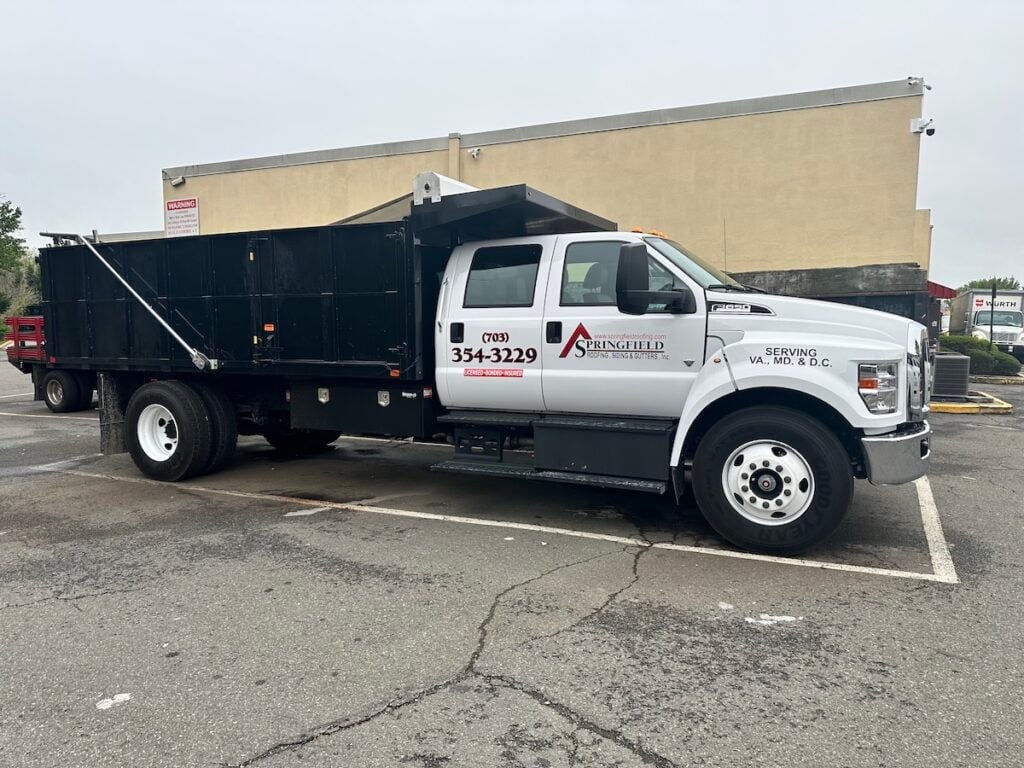
When you know how to choose a roofing contractor, you have the information you need to make a decision you won’t regret, and the eight checks in this guide separate the trustworthy contractors from the ones to avoid. Springfield Roofing & Sheet Metal is a 1st and 2nd generation family-owned and operated company serving Alexandria and surrounding areas with a dedicated in-house crew, full labor and material warranties, and CertainTeed 5-Star Select Shingle Master certification, which is held by only a small percentage of roofing contractors nationwide. We’re licensed in Virginia, fully insured, and welcome every question homeowners want to ask before signing. Contact Springfield Roofing & Sheet Metal today for a free estimate and an honest, straightforward conversation about your roofing needs.