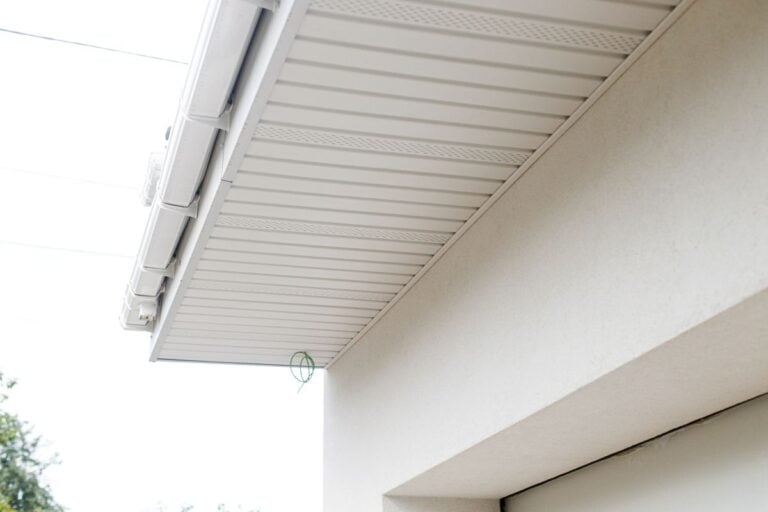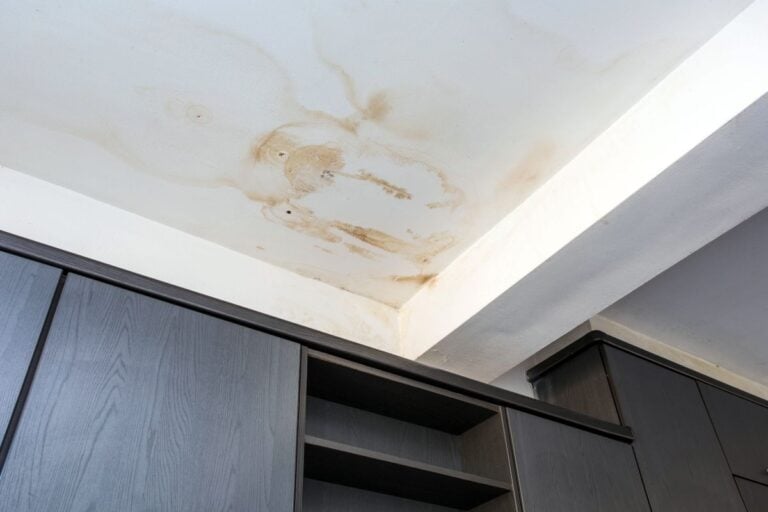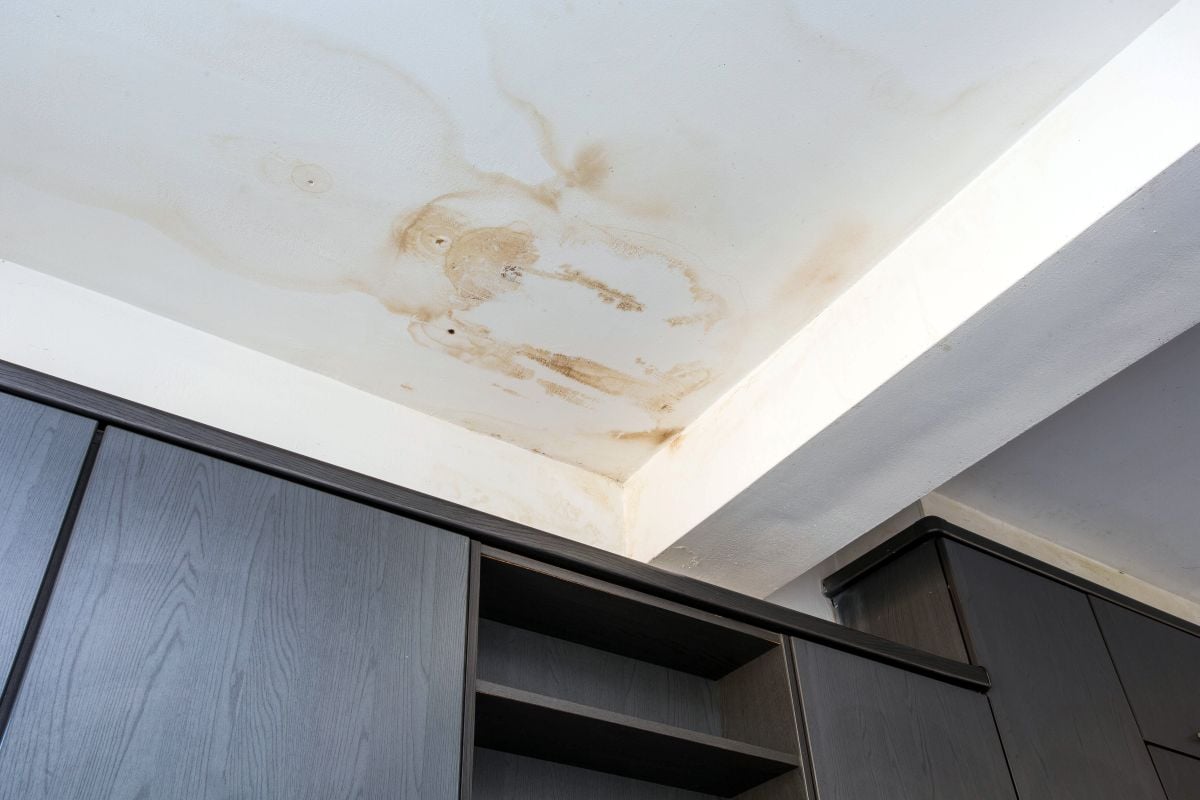
Few things cause more panic than water dripping through your ceiling during a storm. Knowing how to handle a temporary roof leak repair on a leaking roof can mean the difference between a small inconvenience and thousands of dollars in water damage while you wait for professional help. Understanding a few safe, quick methods can save money, protect your home, and give you time to schedule a lasting fix from a team that specializes in this kind of work.
Here’s what this guide will help you handle:
- Quick, safe ways to slow or stop an active leak
- What causes most sudden roof leaks in the first place
- How temporary fixes compare to a permanent repair
- Answers to the questions homeowners ask most during an active leak
Why Acting Quickly on a Leak Protects Your Whole Home
A roof leak rarely stays contained to one small spot for long. Water travels along rafters, soaks into insulation, and can spread to walls and ceilings far from the original entry point, which is why taking reasonable steps toward a fast response matters just as much as preventing further damage with a permanent fix.
- Prevents structural damage: Stopping water early protects wood framing and decking from rot and weakening over time.
- Limits interior repair costs: A quick response can save drywall, flooring, and paint from becoming part of the repair bill.
- Reduces mold risk: Standing moisture creates ideal conditions for mold, which becomes far more expensive to remediate the longer it sits.
- Buys time for a proper fix: A temporary repair gives you breathing room to schedule a licensed professional instead of rushing a permanent solution.
Learning how to trace a leak back to its actual source is often the hardest part of the process for homeowners in Falls Church and surrounding areas. Once the source is identified, applying a temporary fix becomes much more straightforward and effective.
8 Steps for a Temporary Roof Leak Repair
Every leak is a little different, but most temporary repairs follow a similar sequence of steps. Working through this list in order gives you the best chance of stopping water before it causes more damage inside your home.
1. Locate the Source of the Leak
Water often travels before it drips, so the wet spot on your ceiling may be several feet from where it actually entered the roof. Check the attic with a flashlight for damp insulation, dark stains, or visible daylight coming through the decking, and keep in mind that a storm damaged roof can sometimes have multiple leaks rather than just one leak feeding a single visible drip.
- Look near chimneys, vents, and skylights first
- Follow water stains upward along rafters
- Mark the spot from inside before heading outside
2. Clear the Area and Remove Standing Water
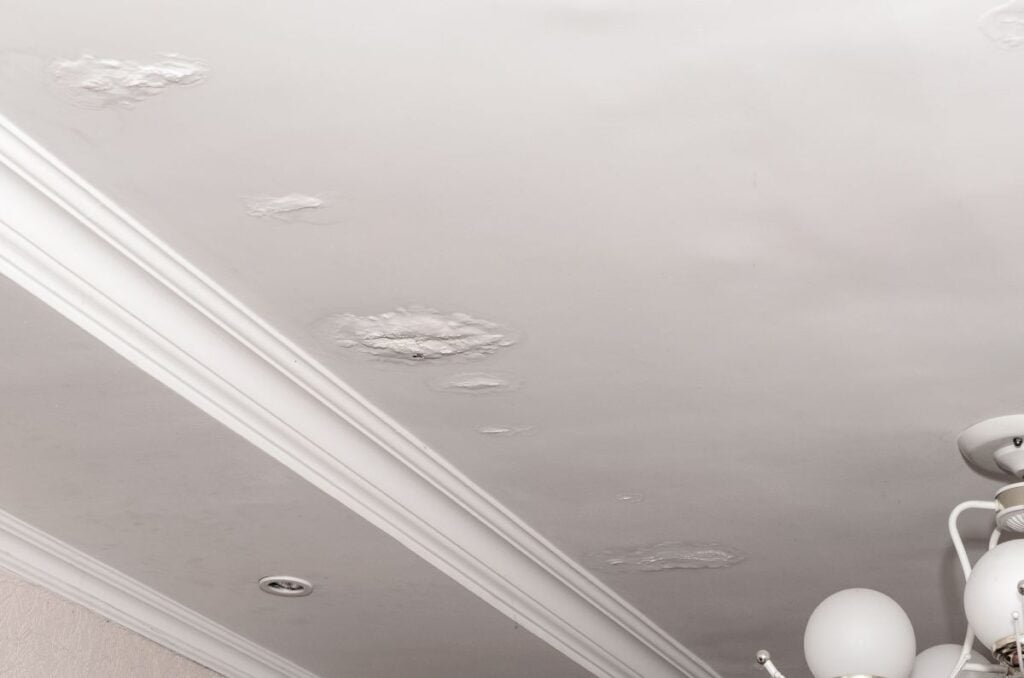
Before attempting any repair, remove furniture, electronics, and other belongings from the affected area. Place buckets or towels to catch dripping water so it does not pool on flooring or ceilings below, and if you notice a bulging ceiling, carefully puncture a small drain hole to release trapped water in a controlled way rather than letting it collapse on its own.
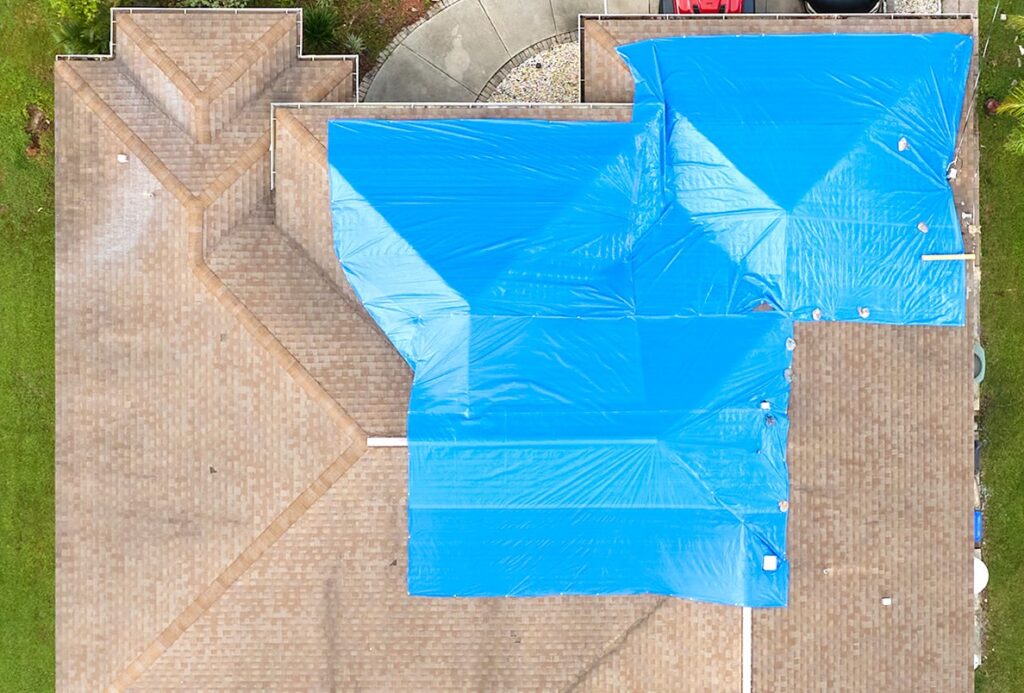
3. Cover the Damaged Section with a Tarp
A heavy duty tarp is one of the most reliable temporary solutions for an active leak, especially on a storm damaged roof where safe roof access is limited to short windows between rain bands. Extend it well beyond the damaged area on all sides, running the top edge just over the roof ridge if possible, and secure it with boards or wood strips rather than nails that could puncture the material further, since even a small gap can let heavy rain back underneath.
4. Apply Roofing Cement or Sealant
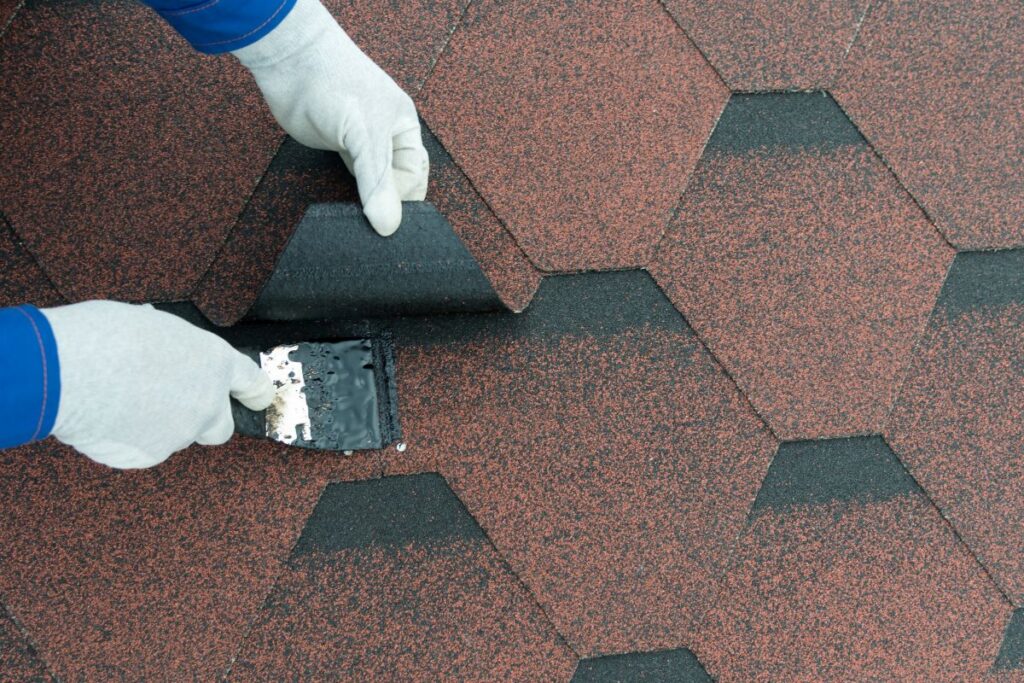
For smaller cracks or gaps, plastic roofing cement applied with a putty knife or caulk gun can create a temporary watertight seal, and its adhesive properties work best when applied to a clean surface free of debris or standing moisture. This works especially well around flashing, vent pipes, and small punctures where a full tarp would be overkill.
Other reliable temporary fix options include roofing tape, plastic sheeting weighted down with wood strips, or even duct tape for very small gaps, though none of these hold up quite as well once heavy rain sets in for an extended period.
5. Patch Small Holes with Plywood or Flashing
A piece of plywood or sheet metal can be screwed over a hole in the roof decking to block water while a permanent repair is scheduled. For an extra layer of protection, slide a sheet of tar paper or roofing felt underneath the patch so water sheds away from the seam rather than pooling against it, and avoid driving roofing nails through areas that are still actively leaking. Seal the edges with roofing cement to keep water from seeping around the patch.
- Cut the material slightly larger than the damaged area
- Use exterior grade screws rather than standard nails
- Seal all edges thoroughly before leaving the roof
6. Address Interior Water Damage
Once the leak itself is under control, turn your attention indoors. Dry out wet insulation, drywall, or flooring as quickly as possible to reduce the chance of mold growth taking hold.
7. Document Everything for Insurance
Take photos of the visible damage both inside and outside before making repairs, since this documentation can be essential if you decide to file an insurance claim later. Keep receipts for any temporary materials you purchase as well.
8. Schedule a Permanent Repair
A temporary fix is exactly that, temporary, and it should never be treated as a substitute for the actual roof repair. Contact a licensed professional roofer as soon as possible to inspect the damage and complete a professional repair, whether that means replacing a section of shingles or, in more serious cases, planning for a new roof down the road.
Working through each of these eight steps carefully can prevent a small leak from turning into a major renovation project. Homeowners near Falls Church and surrounding areas who act quickly and methodically tend to see far less interior damage than those who wait, and a professional repair will often include upgrades like ice and water shield to prevent the same problem from recurring.
Safety Considerations Before You Climb Onto the Roof
Before attempting any temporary repair, it is worth pausing to think honestly about whether the job is safe for you to do yourself. Roofs can be slippery, unstable, and dangerous even for experienced homeowners, especially during or right after a storm, so it pays to be extra careful before climbing up.
- Skip steep or wet roofs entirely: If the pitch is steep or the surface is wet, wait for a professional rather than risking a fall.
- Never work alone: Have someone nearby who can call for help or hold a ladder steady.
- Check the weather first: High winds or continued rain make any roof work significantly more dangerous.
- Know your limits: If the damage looks extensive, a temporary interior fix may be safer than climbing onto the roof at all.
Taking these precautions seriously protects you just as much as protecting your home matters. There is no repair worth risking a serious injury over, and a professional can often complete the same fix far more safely and quickly.
Temporary Fix vs. Permanent Repair: What Each One Actually Solves
Homeowners sometimes assume a well executed temporary fix means the problem is solved, but the two approaches serve very different purposes. Understanding the distinction between minor DIY roof repairs and patching roof leaks for good helps set realistic expectations for how long it will actually take to temporarily fix versus permanently resolve the issue.
| Factor | Temporary Fix | Permanent Repair |
| Materials used | Tarps, cement, plywood | Matched shingles, proper flashing |
| Expected lifespan | Days to a few weeks | Years, backed by warranty |
| Weather resistance | Limited | Full protection |
| Cost | Low | Higher, but longer lasting |
Seeing these differences side by side makes it clear why a temporary fix should never be the final step. A tarp or patch buys time, but only a full repair, such as replacing damaged asphalt shingles or securing loose shingles along the shingle surface, addresses the underlying cause and restores the roof’s ability to shed water properly.
Frequently Asked Questions About Temporary Roof Leak Repair
Homeowners dealing with an active leak tend to ask a lot of the same urgent questions. Here are straightforward answers to the ones that come up most often.
How long can a temporary roof patch last?
Most methods used to temporarily patch a leak are designed to hold for a few days to a few weeks at most, depending on the materials used and the severity of the weather during that time, though none should be considered a very reliable temporary fix beyond that window.
Can I fix a roof leak from inside the attic?
Yes, small leaks can often be sealed from inside if you apply roofing tape or cement directly to the decking, which is especially useful when the roof itself is too dangerous to access.
What should I do if I cannot find the source of the leak?
If you cannot locate the entry point after checking the attic and common trouble spots, it is best to call a professional who has experience tracing leaks that travel before they drip.
Will a tarp stop a leak completely?
A properly secured tarp can temporarily stop most of the water intrusion but rarely directly seals out every drop, especially during heavy or prolonged rain, so it should be paired with interior water management as needed.
Is it safe to use roofing cement in cold weather?
Most roofing cement products perform best in moderate temperatures and can be difficult to apply or slow to cure in freezing conditions, so check the product label and consider adding a tarp for extra protection before relying on it in winter.
These answers should help you feel more prepared the next time an unexpected leak appears. Every situation is a little different, so when in doubt, a quick call to a roofing professional can save you both time and stress.
Let Springfield Roofing Handle the Permanent Fix
A temporary repair can buy you valuable time, but it is never a substitute for a proper, lasting solution. Homeowners throughout Falls Church and surrounding areas count on Springfield Roofing to respond quickly and get the job done right the first time.
Whether you are dealing with an active leak right now or simply want to have a trusted team on call before the next storm hits, our crew is ready to help. Contact us today to schedule an inspection and get your roof back to full strength.