The soffit tucked under your roof’s overhang and eaves rarely gets a second glance until something goes wrong, but it plays a bigger role in your home’s overall health than most homeowners realize. Knowing when roof soffit repair is needed can prevent pests, moisture, and rot from spreading into your attic and beyond. Understanding the warning signs early can also help you find the right professional for the job before a minor issue on your home’s exterior turns into a costly one.
Here’s what this guide will cover:
- Why the soffit matters more than most homeowners expect
- The most common reasons soffits fail
- What typically drives repair costs up or down
- Answers to the questions homeowners ask most often
Why a Healthy Soffit Protects the Rest of Your Home
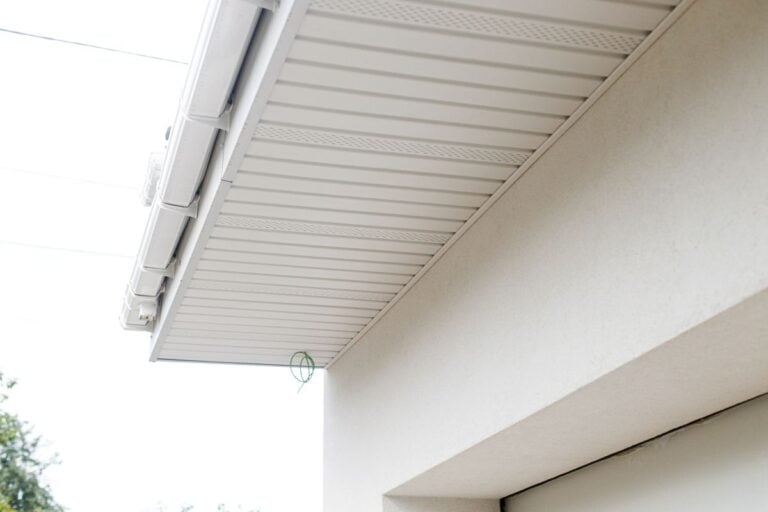
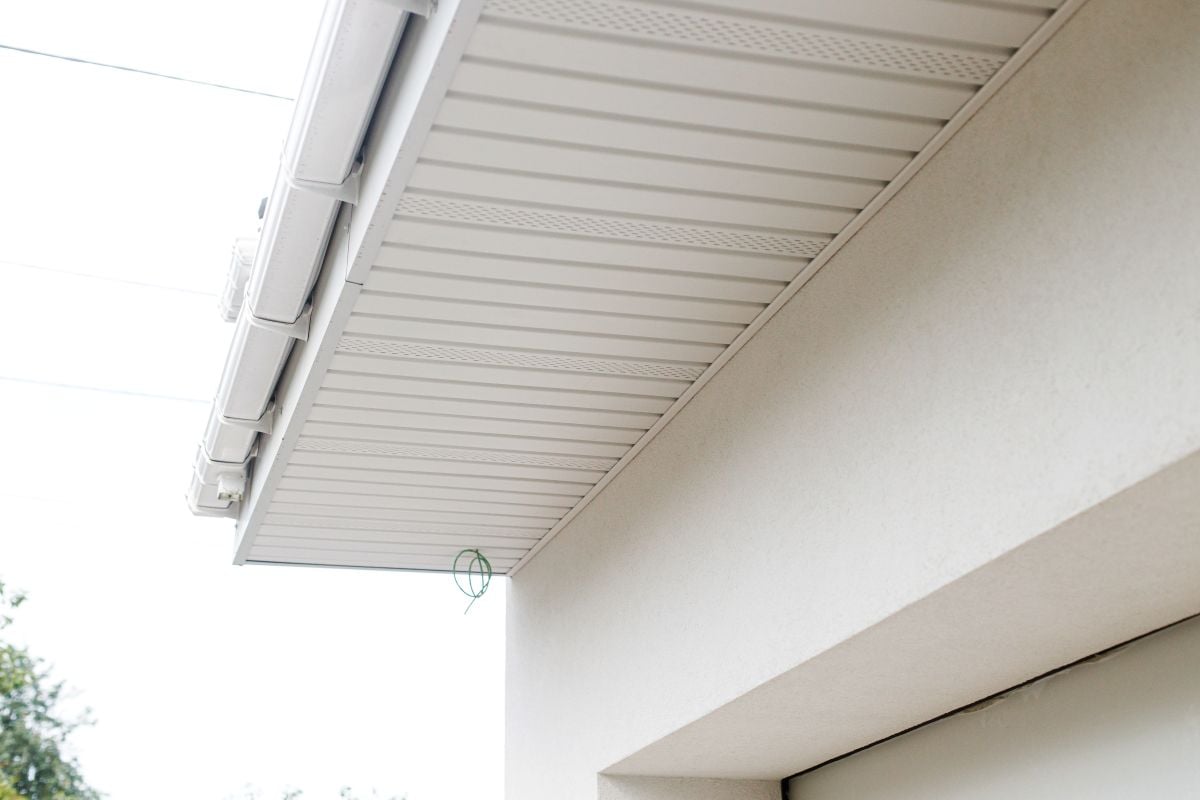
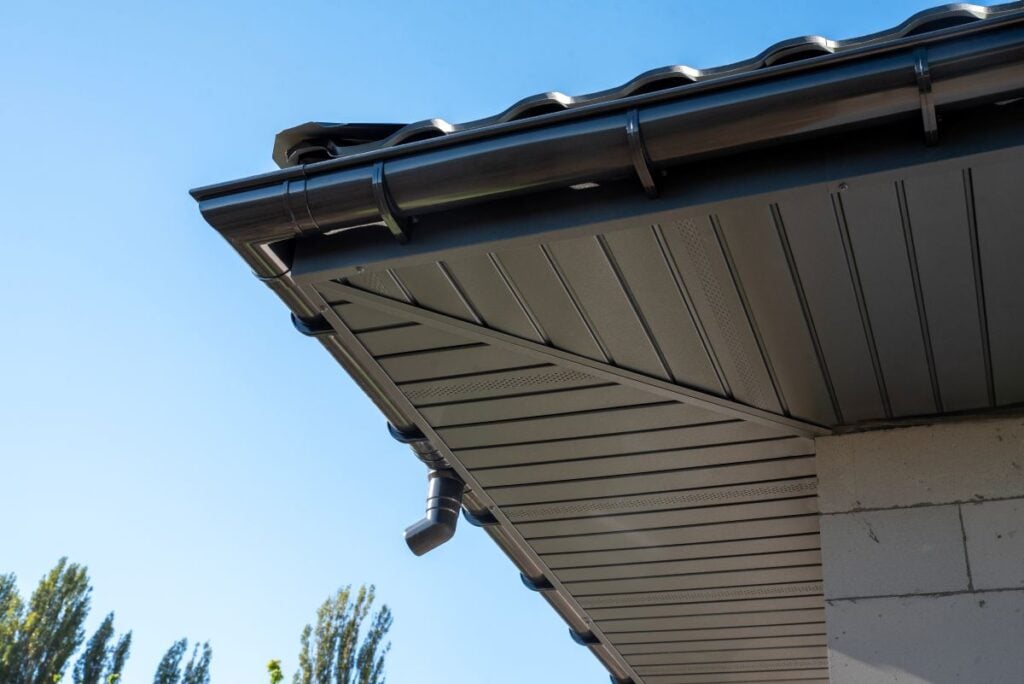
The soffit does more than finish off the underside of your roofline. It ventilates the attic, keeps pests out, and shields the rafters and fascia from moisture, which means a damaged soffit rarely stays a small, isolated problem for long. Left unattended, even a modest gap can allow the underlying framing to weaken over several seasons of exposure.
- Prevents pest entry: A gap or hole in the soffit is an open invitation for birds, squirrels, and insects looking for shelter.
- Protects attic ventilation: Soffit vents allow air to circulate properly, which helps regulate temperature and moisture in the attic year round.
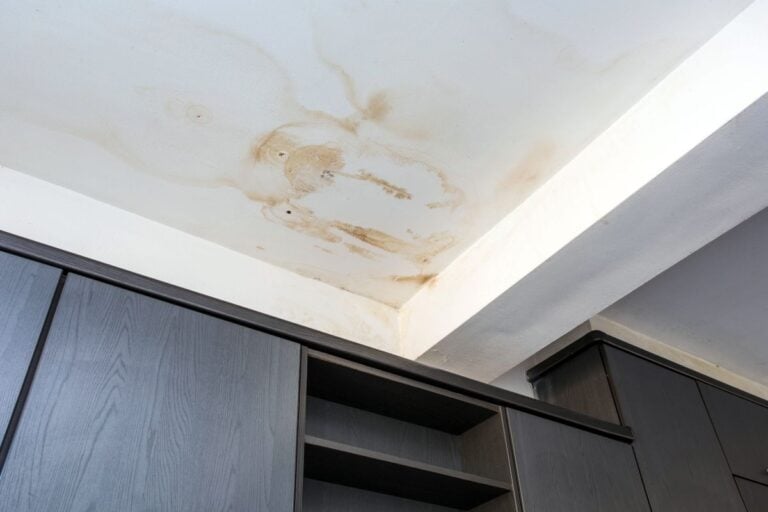
- Guards against rot: An intact soffit keeps water away from the roof deck and framing, preserving structural integrity and helping prevent water damage from spreading further into the home.
- Preserves curb appeal: Cracked, sagging, or discolored soffit panels are one of the first things neighbors and buyers notice on an otherwise well kept home.
Learning who typically handles this kind of repair and what usually causes the damage can help homeowners in Alexandria and surrounding areas know what to expect before calling a contractor. Knowing the underlying cause also makes it easier to prevent the same issue from returning after repairs are complete, and it can help you ask more informed questions during the estimate process.
4 Common Causes of Soffit Damage
Soffit problems rarely appear out of nowhere, and most trace back to one of a handful of underlying issues. Understanding these causes helps homeowners address the root problem rather than simply patching the surface, which can save both time and money over the life of the repair.
1. Water Damage from Clogged Gutters
When gutters overflow, water often runs directly behind the fascia and into the soffit, leading to rot, staining, and water intrusion that warps the material over time. In colder climates, clogged gutters can also contribute to ice dams that back water up under the roof edge and into the soffit during winter. This is one of the most common causes of soffit damage and is also one of the easiest to prevent with regular gutter cleaning and prompt gutter repair when problems are spotted.
- Overflowing gutters during heavy rain
- Water stains or dark streaks on the soffit surface
- Sagging panels near downspouts
2. Pest Infestation
Birds, squirrels, wasps, and other small animals frequently target soffits as an easy entry point into the attic. Once an opening forms, animal damage and insect damage can widen it significantly while also affecting insulation and wiring inside the attic space, and their nesting materials often trap additional moisture against the wood.
3. Poor Ventilation and Moisture Buildup
Soffits with blocked or insufficient venting can trap excess moisture in the attic instead of allowing proper air circulation, and that trapped moisture condenses and slowly damages the surrounding wood or vinyl. Over time, this buildup also encourages mold growth, which can spread beyond the soffit itself and, in severe cases, affect indoor air quality throughout the home.
4. Age and Weather Exposure
Like any exterior building material, soffits weaken over time from sun exposure, temperature swings, and repeated freeze and thaw cycles. Visible rot is often the clearest sign, whether it shows up as rotted soffit panels, rotted fascia boards, or general rotting wood along the roof edge. Older wood soffits are especially prone to this kind of deterioration compared to newer vinyl or aluminum alternatives, which is why many homeowners choose to upgrade materials during a repair.
Understanding which of these four causes applies to your situation makes a real difference in how the repair is approached. Homeowners near Alexandria and surrounding areas who address the underlying cause, rather than just the visible damage, tend to avoid repeating the same repair a few years down the line.
What Drives the Cost of Soffit Repair
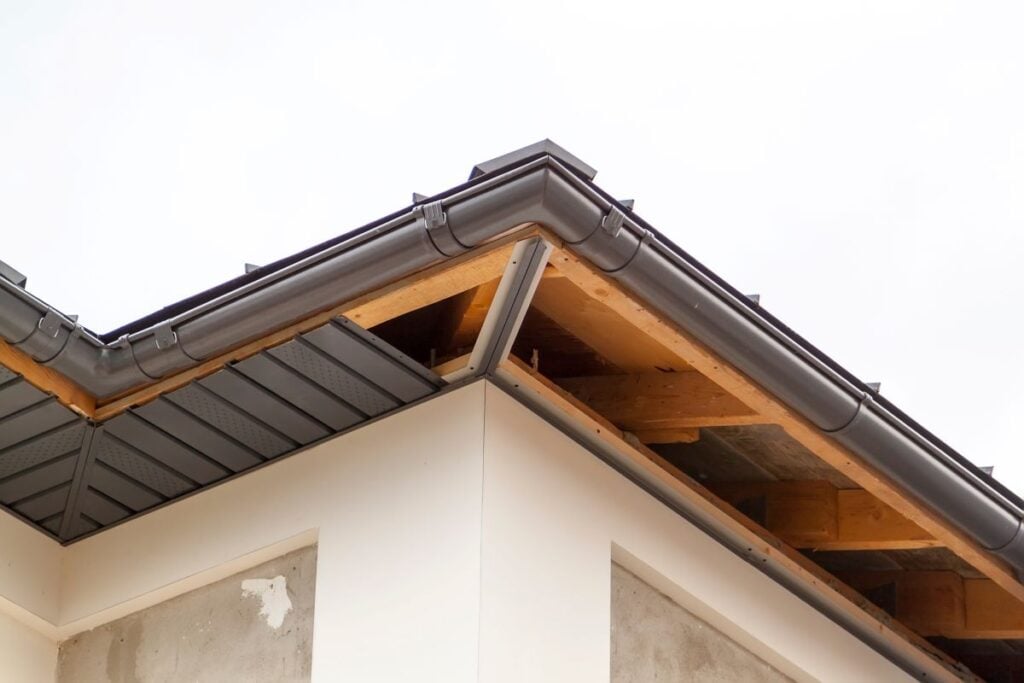
Soffit repair costs can vary widely depending on several factors, and understanding them ahead of time helps set realistic expectations before getting quotes. A little context here goes a long way toward avoiding sticker shock once estimates start coming in.
- Material type: Vinyl soffit typically runs $7 to $12 per linear foot installed, aluminum comes in around $10 to $15 per linear foot, and wood tends to run higher at $15 to $25 per linear foot installed, though it can be finished to match nearly any home’s exterior.
- Extent of the damage: A small section of rot is far less expensive to repair than an entire run of soffit affected by long term moisture damage.
- Accessibility: Soffits on steep rooflines or hard to reach areas of the home often require additional labor and equipment.
- Underlying repairs needed: If the damage has spread to the fascia, roof deck, or rafters, the project scope and cost will increase accordingly.
As a general reference point, replacing soffit and fascia together typically costs $9 to $34 per linear foot, with labor rates commonly falling between $50 and $100 per hour depending on the region. A full soffit replacement for an average home often lands between $1,500 and $3,500, while an isolated rafter tail repair can run $650 to $1,000 for one side of the house. Painting existing soffit and fascia rather than replacing them typically costs $400 to $2,800, a reasonable middle ground for cosmetic issues without structural damage.
Getting a written estimate that breaks down these cost factors individually makes it much easier to compare quotes from different contractors. It also helps homeowners understand exactly what they are paying for, rather than receiving a single lump sum figure with little explanation, which can make it harder to spot an inflated bid or a corner being cut on damaged materials.
Repair vs. Replacement: Which Option Makes Sense?
Not every soffit problem requires a full replacement, and knowing the difference can save homeowners a significant amount of money. Many roofers default to recommending a full replacement because it is simpler to price and install, but a targeted repair is often just as effective when the damage is limited. The table below outlines when each approach typically makes the most sense.
| Situation | Repair Usually Works | Replacement Usually Needed |
| Small section of rot or water damage | Yes | |
| Widespread damage across multiple panels | Yes | |
| Minor pest entry point | Yes | |
| Structural damage to the roof deck | Yes | |
| Cosmetic cracking or fading | Yes | |
| Soffit older than 20 to 25 years | Yes |
Reviewing this comparison can help homeowners have a more informed conversation with their contractor about the right scope of work. A trustworthy roofer will explain which category your specific situation falls into rather than automatically recommending the more expensive option, and will walk you through why a repair is or is not a reasonable path forward.
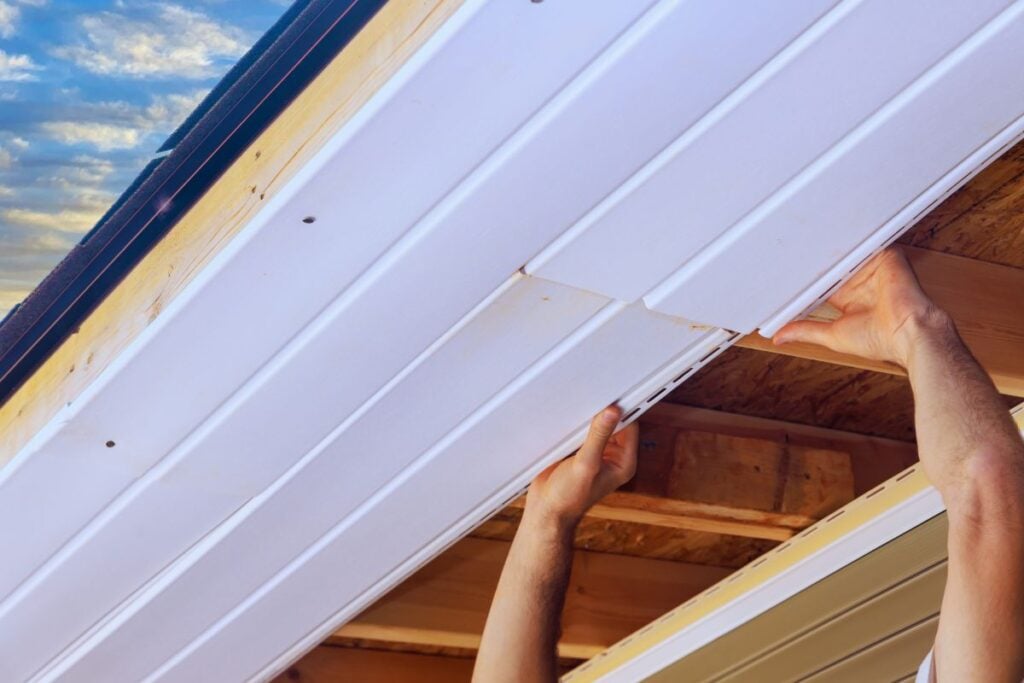
A typical soffit and fascia repair involves removing shingle mold to access the damaged fascia board, then using a flat pry bar or reciprocating saw to carefully remove the old material without harming surrounding sections. The contractor inspects the rafter tail and framing underneath for rot, replacing any rotted rafter with pressure treated lumber before installing a new fascia board with galvanized nails or corrosion-resistant screws in proper alignment. A new soffit panel is then secured to an attached cleat and sealed along the edges to keep out excess moisture, with proper safety gear used throughout.
Frequently Asked Questions About Roof Soffit Repair
Homeowners often have very practical questions once they notice a problem with their soffit. Here are answers to the ones we hear most often.
How do I know if my soffit needs repair or just cleaning?
Surface dirt or mild discoloration can often be cleaned, but sagging, soft spots, visible holes, or peeling paint usually indicate underlying damage that needs a professional repair.
Can I repair soffit damage myself?
Minor cosmetic issues can sometimes be handled by an experienced DIYer with the right tools, but working at height and identifying hidden rot, pest activity, or ventilation problems is often best left to a professional who can spot issues a homeowner might miss.
How long does soffit repair typically take?
Most soffit repairs can be completed in a single day, though more extensive damage involving the fascia or roof deck may take longer, especially if replacement materials need to be special ordered to match the existing home.
Will homeowners insurance cover soffit repair?
Coverage depends on the cause of the damage, since sudden events like storms are more likely to be covered than gradual issues like age related wear or neglected maintenance.
How can I prevent soffit damage in the future?
Regular gutter cleaning, prompt pest control, and periodic visual inspections are the most effective ways to catch small problems before they become expensive repairs.
What should I look for when hiring a soffit repair contractor?
Compare three or more in-person estimates before hiring, and verify that each contractor carries a current contractor’s license. Ask for an itemized cost estimate so you can see exactly what materials and labor are included, and check whether the company holds NRCA or GAF certification, which can be a good sign of ongoing training in roofing and fascia work.
These answers should give you a solid starting point, though every home and every soffit issue is a little different. A quick inspection from a qualified professional can clarify exactly what your situation requires.
Let Springfield Roofing Handle Your Soffit Repair
A damaged soffit might seem like a minor cosmetic issue, but it can quietly lead to much larger, costlier repairs if left unaddressed for even a single season. Homeowners throughout Alexandria and surrounding areas trust Springfield Roofing to identify the real cause of soffit damage and provide a lasting solution rather than a temporary patch.
Our team can inspect your soffit, fascia, and roofline together to catch any related issues before they spread, rather than treating each component as a separate, unrelated problem. If you would rather leave the reciprocating saw and ladder work to someone else, professional help is only a call away. Contact us today to schedule a free inspection and get a clear, honest estimate for your repair.