Few roofing materials offer the timeless elegance of a natural slate roof, but deciding between the real thing and a modern synthetic slate roof can feel overwhelming without the right information for your roofing project. Understanding the differences in a slate roof vs synthetic slate comparison helps homeowners choose the option that best fits their budget, home, and long-term goals without sacrificing aesthetic appeal. Many homeowners begin their research by exploring the range of premium roofing materials available for their home before narrowing down their options. This guide breaks down exactly how these two materials compare so you can make a confident decision.
Here’s what you’ll take away from this guide:
- Why choosing between slate and synthetic slate matters for your home
- The key differences between the two materials
- The pros and cons of each option
- Which homes and situations tend to favor one material over the other
What’s at Stake in This Roofing Choice
Choosing a roofing material is a decision that affects your home for decades, not just years, which makes the slate versus synthetic slate choice worth careful consideration. Homeowners throughout Springfield and surrounding areas are increasingly drawn to the classic look of slate, but the structural and financial realities of natural stone don’t fit every home or budget equally well, which is exactly why this comparison deserves a closer look before you sign a contract.
- Protects your long term investment: Choosing the right material the first time helps you avoid costly surprises down the road.
- Affects your home’s structure: Natural slate is significantly heavier than synthetic alternatives, which can influence whether your roof structure can support it.
- Impacts overall cost: Upfront price, installation complexity, and expected lifespan all factor into the true cost of ownership.
- Shapes curb appeal and resale value: Both options offer a similar classic look, but subtle differences in appearance may matter to future buyers.
Understanding these factors before you commit helps ensure the material you choose actually fits your home, both structurally and financially. It also gives you the confidence to have an informed conversation with any contractor you’re considering for the project, rather than relying entirely on their recommendation without understanding the tradeoffs yourself. For most homeowners, finding the more cost effective option that still meets their goals matters just as much as the material itself.
6 Key Differences Between Slate and Synthetic Slate
Real slate and synthetic slate tiles may look similar from the street, but they differ significantly once you look past the surface. Understanding these differences helps homeowners in Springfield and surrounding areas figure out which option truly fits their needs, budget, and home structure.
1. Material Composition
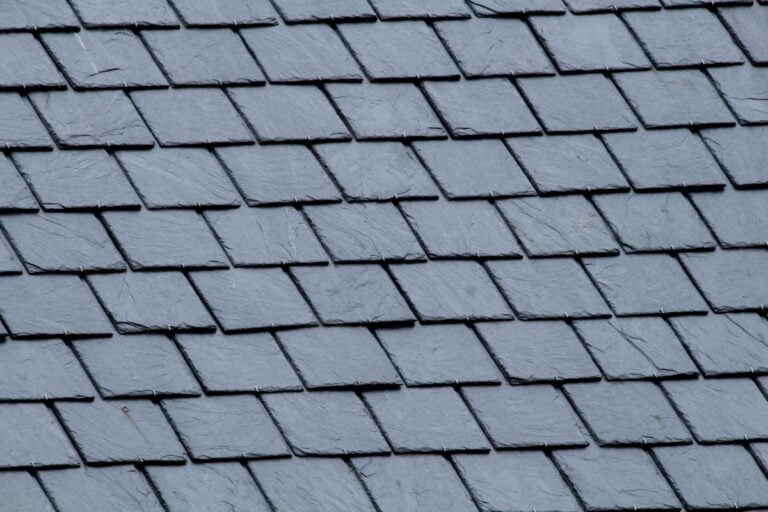
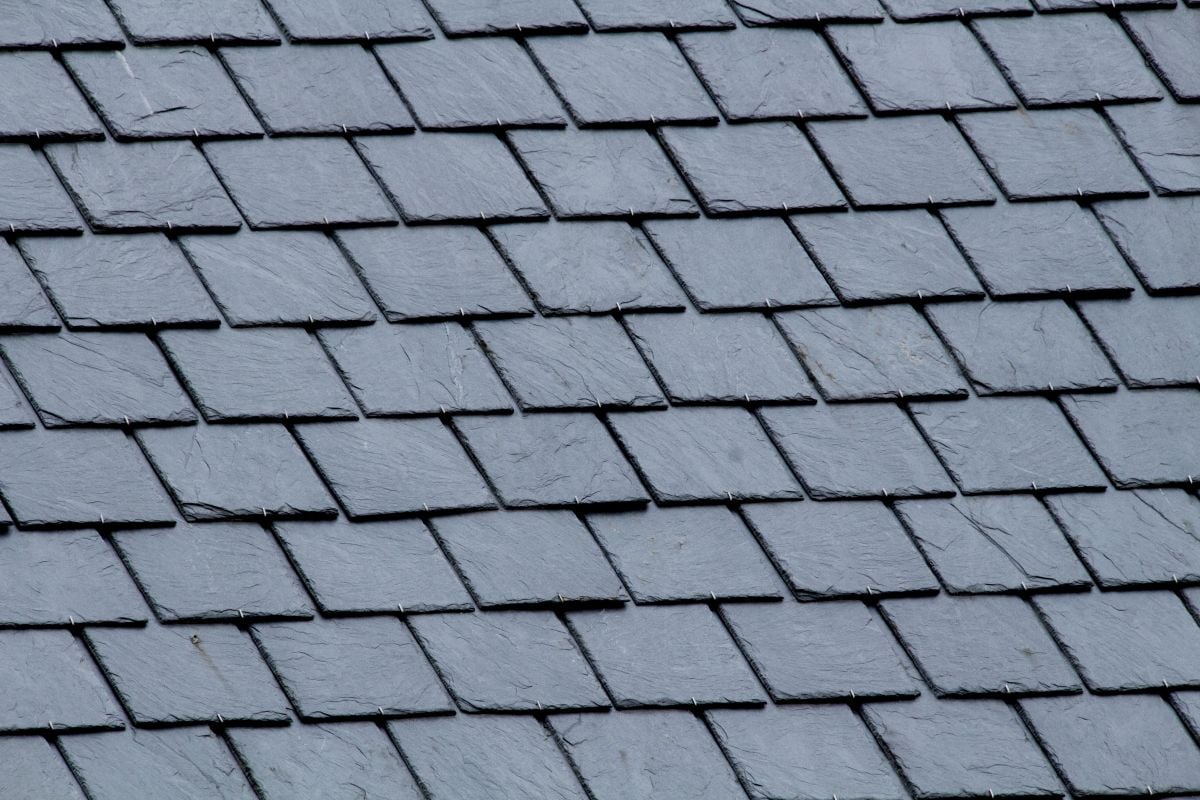
A real slate roof tile is quarried directly from real stone deposits in the earth, while synthetic slate tiles are manufactured from synthetic materials like rubber, plastic polymers, or recycled materials designed to mimic the look of natural materials. This fundamental difference in composition drives most of the other distinctions between the two options, from weight and cost to how each material ages over time.
2. Weight
Natural slate is remarkably heavy, often weighing several times more per square foot than synthetic alternatives, though that weight also reflects the material’s inherent strength. This weight difference matters a great deal, since many older homes weren’t built with a roof structure designed to support genuine stone, and retrofitting that support can add significantly to the overall project cost.
- Natural slate typically requires additional structural support in older homes
- Synthetic slate’s lighter weight makes it compatible with a wider range of existing roof structures
- A structural assessment is often necessary before committing to natural slate
3. Cost
Natural slate carries a significantly higher price tag than synthetic slate, both in material cost and the specialized labor required for proper installation. Synthetic slate offers a lower cost path to a similar aesthetic without the same financial commitment, which makes it an appealing option for homeowners who love the look of slate but can’t justify the high cost of the genuine material.
- Natural slate installation often requires specialized, experienced roofers
- Synthetic slate installation can be faster and less labor-intensive
- The price gap between the two options can be substantial depending on your region
4. Lifespan
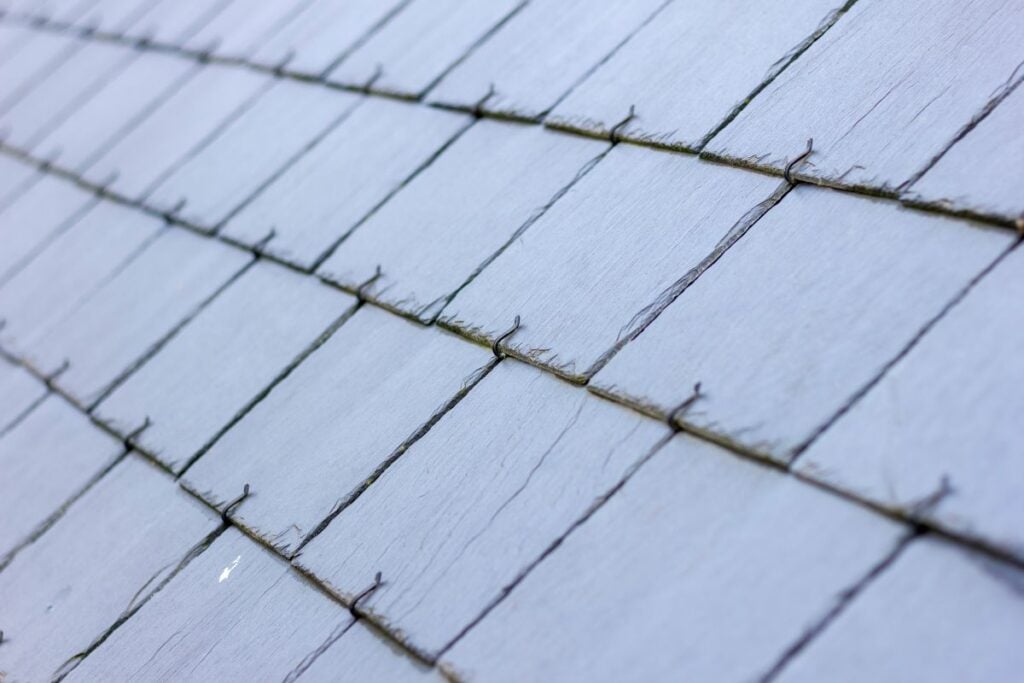
Natural slate is known for its extraordinary longevity and impressive durability, often lasting well over a century when properly installed and maintained, in part because it can withstand extreme weather conditions and repeated freeze thaw cycles better than most materials. Synthetic slate, while durable, generally comes with a shorter expected lifespan, though it still significantly outperforms many other common roofing materials, making it a reasonable middle ground for homeowners who want durability without slate’s extreme cost.
5. Installation Requirements
Installing natural slate requires specialized training and experience, since improper handling can crack the material and improper spacing can compromise the roof’s performance for decades to come. Synthetic slate installation more closely resembles standard shingle installation, making it accessible to a broader range of roofing contractors.
- Natural slate installers need specific expertise most general roofers don’t have
- Synthetic slate can often be installed by contractors familiar with standard roofing systems
- Installation timelines for synthetic slate are typically shorter
6. Maintenance Needs
Natural slate requires relatively little maintenance once installed correctly, though individual tiles can crack and need replacement over time, usually due to foot traffic or falling debris rather than normal wear. Synthetic slate is generally low maintenance as well, though its long-term durability against UV exposure and temperature swings varies by manufacturer and product quality.
Each of these differences plays into the overall decision, and weighing them against your specific home and budget helps clarify which direction makes the most sense. A qualified roofing contractor can walk you through how these factors apply to your particular situation and give you a realistic sense of cost and timeline before you commit to either option.
Pros and Cons of Each Option
Beyond the raw differences between the two materials, it helps to see the advantages and drawbacks of each laid out side by side. This kind of direct comparison often makes the decision clearer once you can see exactly what you’d be gaining or giving up with each option, rather than trying to weigh six separate factors all at once. Compared to standard asphalt shingles or even premium architectural shingles, both slate options offer a dramatically different level of curb appeal and durability, though at a correspondingly higher cost.
Natural Slate Pros and Cons
Natural slate offers unmatched authenticity, exceptional longevity, an authentic look, and impressive fire resistance since real stone simply won’t burn. On the downside, its substantial weight, high upfront cost, and need for specialized installation make it a less accessible option for many homes and budgets, and finding a contractor with genuine slate experience can sometimes be a challenge depending on your area.
Synthetic Slate Pros and Cons
Synthetic slate offers a perfect blend of affordability and authentic look, lighter weight that suits a wider range of roof structures, and generally simpler installation for most roofing crews. Many synthetic slate products also carry a strong fire rating despite being made from synthetic materials, and manufacturer warranties have grown noticeably stronger over the past decade as the technology has matured. Some options made from recycled materials also offer a more eco friendly footprint than quarrying natural stone. However, it typically won’t match natural slate’s extreme longevity, and the quality can vary significantly between manufacturers, making product research important before you commit to a specific brand.
Weighing these pros and cons against your own priorities, whether that’s authenticity, budget, or structural compatibility, helps you see past the surface-level similarities between the two materials. Neither option is objectively better in every situation, which is exactly why this comparison matters so much for homeowners trying to make the right long-term decision.
Which Option Fits Your Home?
Beyond the general pros and cons, certain home characteristics and homeowner priorities tend to point more clearly toward one material over the other. Considering these factors alongside your budget can help narrow down the right choice for your specific situation.
- Historic homes: Homes with historic designation often require or benefit from natural slate to maintain architectural authenticity.
- Older roof structures: Homes without reinforced framing may be better suited to the lighter weight of synthetic slate.
- Long-term ownership plans: Homeowners planning to stay for decades may find natural slate’s extreme longevity worth the higher upfront cost.
- Budget-conscious renovations: Synthetic slate offers a similar look at a more accessible price point for homeowners working within a tighter budget.
- Storm-prone regions: Areas that see frequent hail or high winds benefit from synthetic slate’s impact resistance, since many products are engineered specifically to withstand these conditions.
- Environmentally conscious homeowners: Synthetic slate made from recycled materials can reduce the environmental impact compared to quarrying and transporting real stone.
Thinking through these considerations alongside a professional structural assessment gives you the clearest picture of which material truly fits your home. It also helps prevent the disappointment of falling in love with a material your roof structure or budget ultimately can’t support, since discovering that mismatch mid-project is far more costly than addressing it upfront.
Get Expert Guidance on Slate vs Synthetic Slate
Choosing between slate and synthetic slate is a significant decision, whether you’re planning new construction or replacing an aging roof, and getting it right matters for both your home’s appearance and its long-term performance. Springfield Roofing has helped homeowners throughout Springfield and surrounding areas navigate this exact decision with honest, experienced guidance every step of the way.
Whether you’re drawn to the authenticity of natural slate or the practicality of synthetic slate, our team can walk you through how each option would work for your specific home in Springfield and surrounding areas. We’ll assess your roof structure, discuss your budget and priorities, and help you choose the material that truly fits your needs both now and for decades to come.
Don’t leave this decision to guesswork. Contact us today to talk through your options and get a clear recommendation for your home.