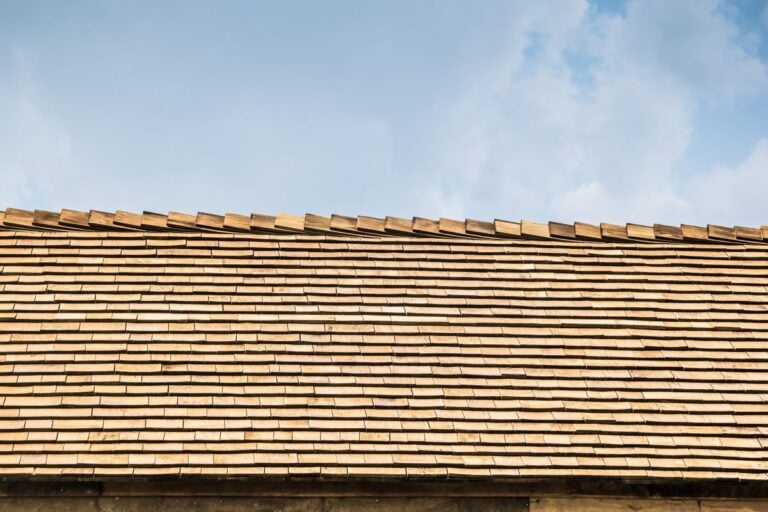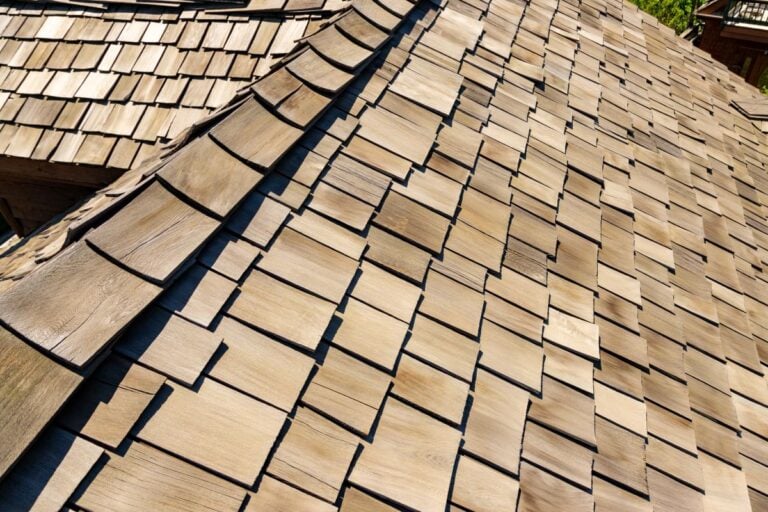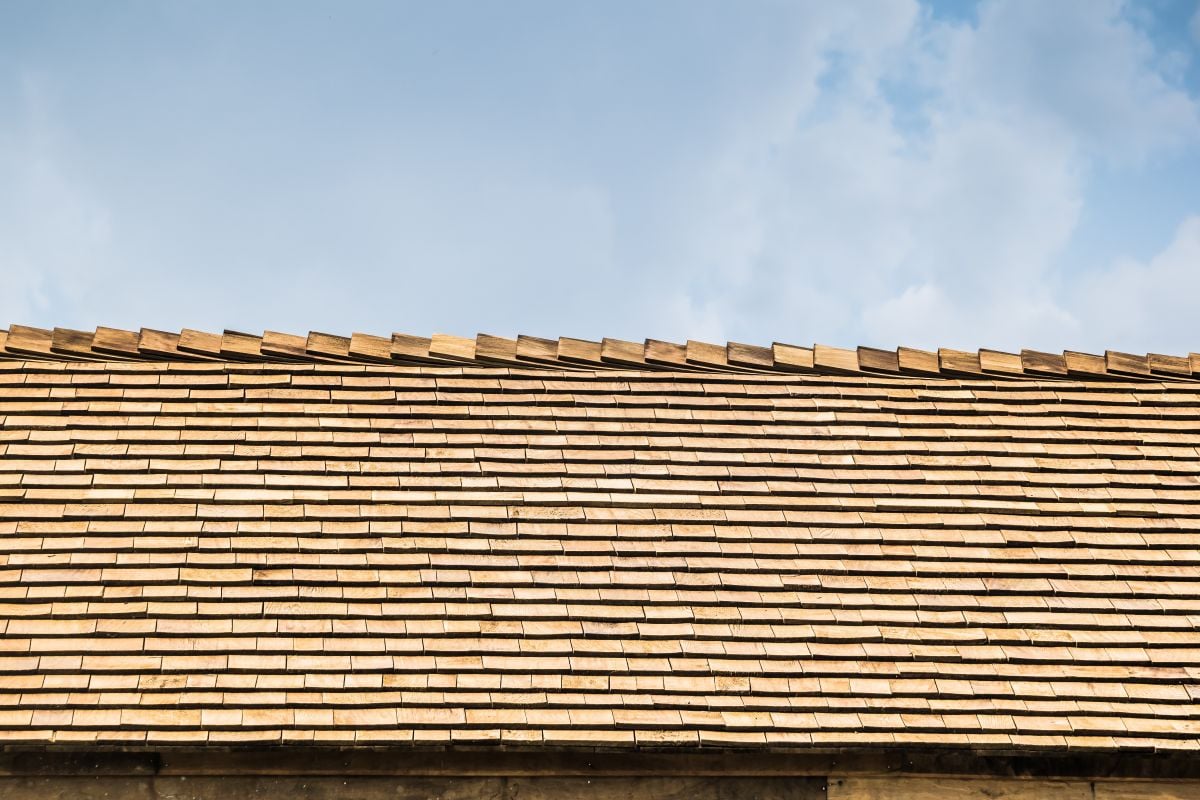
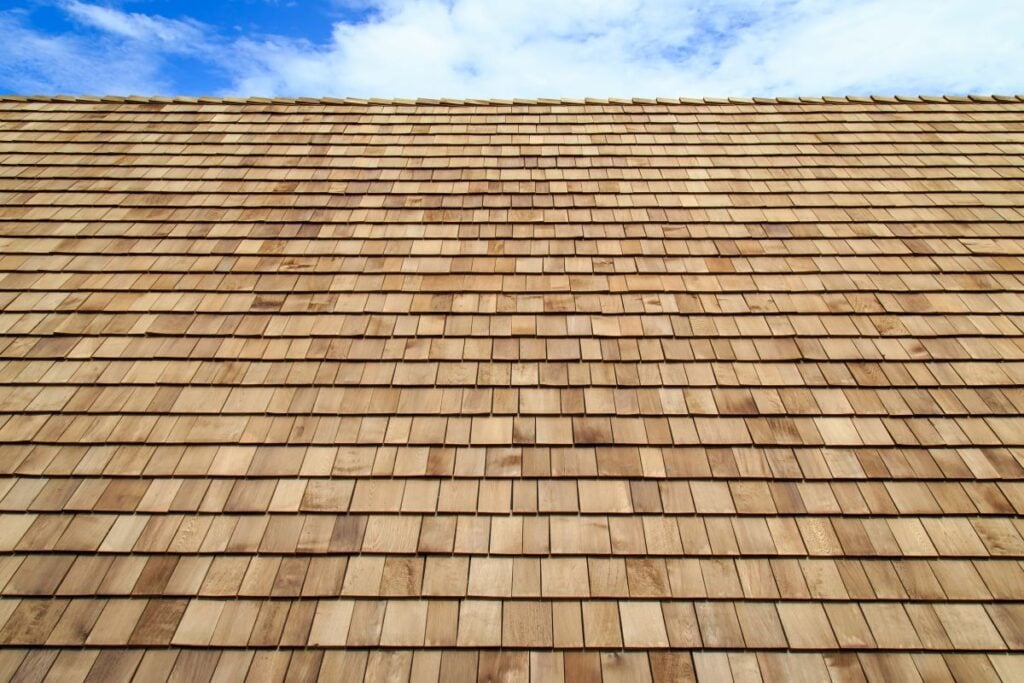
Cedar shake roofing, sometimes called a cedar roof or built from cedar shingles, is prized for its natural aesthetic appeal, but homeowners considering this roofing material want to know it will hold up over time. Understanding how long does a cedar shake roof last helps you weigh the upfront cost against years of performance before committing to cedar roofing. Many homeowners start by researching the range of premium roofing materials available for their home before deciding whether a new cedar roof fits their long-term plans. This guide breaks down what determines cedar shake lifespan and how to help your roof reach its full potential.
Here’s what you’ll take away from this guide:
- Why cedar shake lifespan matters when planning a roofing investment
- The main factors that determine how long your roof will last
- Warning signs that your cedar shake roof is nearing the end of its life
- How cedar shake compares to other roofing materials in terms of longevity
Why Cedar Shake Roof Lifespan Matters
A roof is one of the biggest investments a homeowner makes, and knowing what kind of lifespan to expect helps you judge whether the upfront cost of cedar shake truly pays off over time. Homeowners throughout McLean and surrounding areas often choose cedar shake for its appearance, but understanding its expected lifespan helps set realistic expectations for maintenance and eventual replacement, rather than being surprised by either outcome years down the road.
- Informs your budget: Knowing the average lifespan helps you plan for replacement costs well in advance.
- Guides maintenance decisions: Understanding what affects longevity helps you prioritize the regular maintenance that actually extends roof life.
- Factors in fire risk and insurance: Cedar carries a fire risk that can affect insurance premiums in some regions, which is worth weighing against its real lifespan and appeal.
- Prevents premature replacement: Recognizing normal wear versus a genuine end-of-life issue can save you from replacing a roof too soon.
Going into a cedar shake purchase with realistic expectations about lifespan helps you get the most value out of the investment despite its relatively high costs. It also helps you recognize when your roof is aging normally versus when a specific problem is cutting its life short, so you’re not caught off guard by what can otherwise feel like a limited lifespan for such a significant investment in your house.
3 Factors That Determine How Long Your Cedar Shake Roof Lasts
Cedar shake lifespan isn’t a single fixed number, since several variables combine to determine how long any individual roof will actually last in most cases. Understanding these factors helps homeowners in McLean and surrounding areas set realistic expectations for their specific home and location.
1. Climate and Weather Exposure
Cedar shake performs differently depending on the climate it’s installed in, since prolonged moisture, intense sun, and temperature swings all accelerate wear on natural wood. Roofs in humid climates, common along much of the east coast, tend to face more moisture absorption and decay-related issues, while roofs in sunnier, drier regions like parts of California may see more cracking and splitting from UV exposure. Homes that see heavy rain or snow, where wood expands and contracts repeatedly throughout the year, often see slightly more wear than those in milder, stable climates.
- Humid climates increase the risk of moss, algae, and fungal growth
- Intense sun exposure can dry out and crack exposed shakes over time
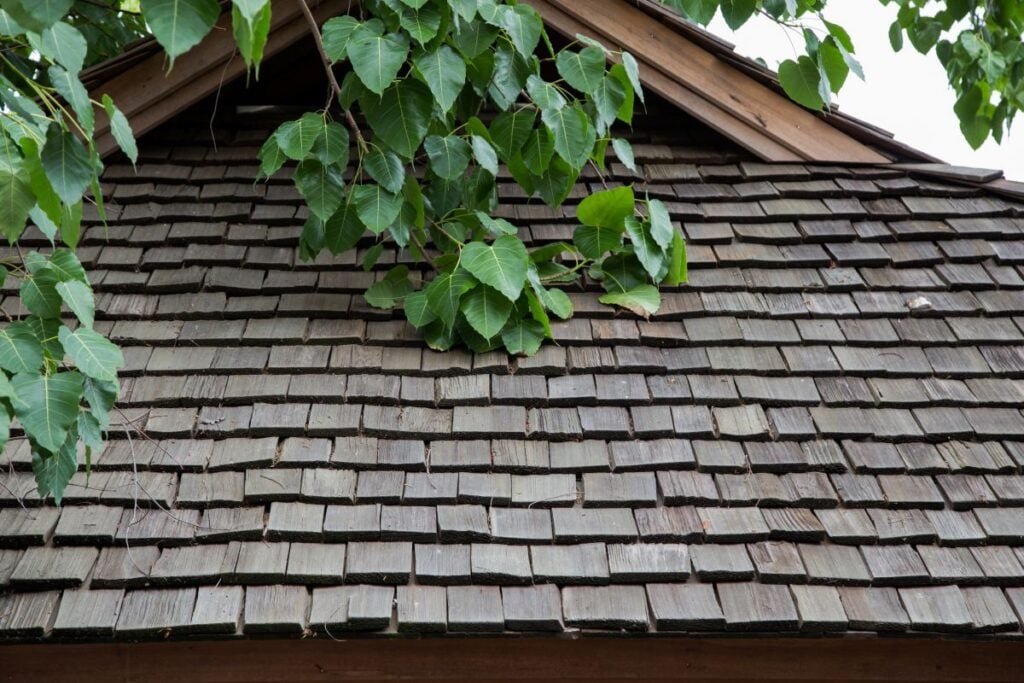
- Overhanging branches from nearby trees create shade that traps moisture and encourages decay
- Roofs with good airflow and sun exposure balance tend to last longer
2. Maintenance and Care
How well a cedar shake roof is maintained has a significant impact on how long it actually lasts, often making the difference between reaching the low end or high end of its expected lifespan. Regular cleaning, prompt repairs, and periodic treatment all play a role in preserving the wood. Cedar shake does require more constant upkeep than some other roofing material options, but that investment of time helps extend the roof’s usable life considerably.
- Annual or biannual cleaning removes debris that traps moisture, and keeping gutters clear helps prevent water from backing up onto the roof
- Routine professional cleaning every 5 to 7 years helps remove buildup that regular homeowner cleaning can miss
- Prompt replacement of damaged shakes prevents water from spreading to neighboring areas and underlying structures
- Chemical treatments can help prevent moss and mold growth between cleanings
- Trimming overhanging branches improves sunlight exposure and helps prevent damage from falling limbs
3. Installation Quality
Even the best cedar shakes won’t reach their full potential lifespan if the installation itself wasn’t done correctly. Proper installation includes correct spacing between shakes, adequate ventilation beneath the roof deck, and correctly installed flashing, all of which play a major role in how the roof performs over decades. Premium-grade cedar, sometimes cut from old growth cedar, resists decay more effectively than lower-grade wood, giving an already well-installed roof an additional edge in longevity. These details are easy for an inexperienced crew to install incorrectly, which is why the quality of the installer often matters just as much as the quality of the material itself.
- Improper spacing can trap moisture and accelerate rot
- Inadequate ventilation shortens the lifespan of the entire roofing system
- Poorly installed flashing around chimneys and vents is a common source of early leaks
Each of these factors interacts with the others, which means a well-installed roof in a favorable climate with consistent maintenance can significantly outlast one showing early deterioration from a missing element. Working with an experienced cedar shake installer from the start gives your roof the best possible foundation for a long life, and staying on top of maintenance afterward helps extend that investment for decades to come.
Signs Your Cedar Shake Roof Is Reaching the End of Its Life
Recognizing the warning signs of an aging cedar shake roof helps you plan for replacement before a small, common issue turns into a major problem. Most cedar shake roofs show clear indicators well before they fail completely, giving homeowners time to plan ahead.
Curling and Splitting Shakes
As cedar shakes age, they naturally begin to curl at the edges and develop splits along the grain as the wood dries out and loses its natural oils. A few isolated instances aren’t usually cause for alarm, but widespread curling and splitting across the roof often signals that the material has reached the end of its useful life.
Moss and Fungal Growth
While some moss growth can often be cleaned and treated, extensive fungal growth that keeps returning despite treatment suggests the wood itself is breaking down and retaining moisture it shouldn’t. This is often one of the clearest signs that individual shakes, or the roof as a whole, need attention, since fungal growth left unchecked can spread to structural components beneath the shakes over time.
Widespread Leaks
A single leak might point to a localized repair need, but leaks appearing in multiple areas of the roof usually indicate that the shakes and underlayment have deteriorated broadly rather than in just one spot. At this stage, a full replacement often makes more financial sense than continuing to patch individual problem areas, since the underlying material has likely lost much of its remaining protective value.
Recognizing these signs early gives you more control over the timing and cost of a roof replacement. Waiting until the roof fails completely often means dealing with interior water damage in addition to the roofing project itself, which adds unnecessary expense on top of the replacement you were already planning for.
How Cedar Shake Lifespan Compares to Other Materials
Understanding how cedar shake stacks up against other roofing material options helps put its lifespan into proper context when you’re weighing your options. Longevity is only one part of the decision, but it’s an important one for homeowners planning to stay in their home for many years.
- Cedar shake: Typically lasts 25 to 30 years, with premium, well-maintained roofs sometimes reaching closer to 50 years. Installed cost generally runs $6 to $12 per square foot, meaning a 2,000 square foot cedar roof typically costs $12,000 to $24,000, and it offers a textured appearance and natural insulation that few other materials can match.
- Asphalt shingles: Generally last 15 to 25 years, making them a shorter-term option compared to cedar shake, though they typically come with lower upfront costs.
- Metal roofing: Often lasts 40 to 70 years and requires minimal maintenance, lasting longer than cedar shake with far less constant upkeep.
- Slate roofing: Can last 75 to 100 years or more, making it the longest-lasting option but also the most expensive.
- Fire rating: Untreated cedar carries only a Class C fire rating, while pressure-treated cedar can achieve a Class B or Class A rating, closing much of the gap with other roofing material options.
Cedar shake lands in a middle position among these materials, offering a longer lifespan than asphalt while remaining more attainable than slate for most homeowners in McLean and surrounding areas. It’s also worth noting that cedar shake roofs are considered high-risk in wildfire-prone areas like parts of California, and many municipalities there ban untreated wood roofing altogether, which can affect both installation options and insurance premiums. The right choice ultimately depends on how much you value the natural aesthetic of cedar against materials that may outlast it by decades and come with fewer fire-related restrictions.
Make the Most of Your Cedar Shake Roof’s Lifespan
Understanding how long a cedar shake roof lasts helps you make a more informed decision about whether it’s the right fit for your home and how to care for it once it’s installed. Springfield Roofing has helped homeowners throughout McLean and surrounding areas get the most out of their cedar shake roofs through quality installation and honest guidance.
Whether you’re considering cedar shake for a new roof or want to know how much life is left in your current one, our team can give you a clear, accurate assessment. We’ll inspect your roof, explain what we find in plain language, and help you plan whether maintenance, repair, or replacement makes the most sense for your specific situation and budget.
Don’t wait until small issues become bigger problems. Contact us today to schedule an inspection and get a clear picture of your cedar shake roof’s condition.