A new roof is one of the biggest home improvement projects a homeowner will take on, and the price tag can catch even well prepared families off guard. Fortunately, a wide range of roof replacement financing options exist to help spread out the cost so a damaged or aging roof does not have to drain your savings all at once. Taking a few minutes to understand roof financing and see what options might work best for your household budget can turn an intimidating expense into a manageable monthly plan.
Here’s a quick look at what we’ll cover:
- The main ways homeowners typically pay for a new roof
- What lenders and contractors look at before approving financing
- How the most common options stack up side by side
- Answers to the questions we hear most often about paying for a roof
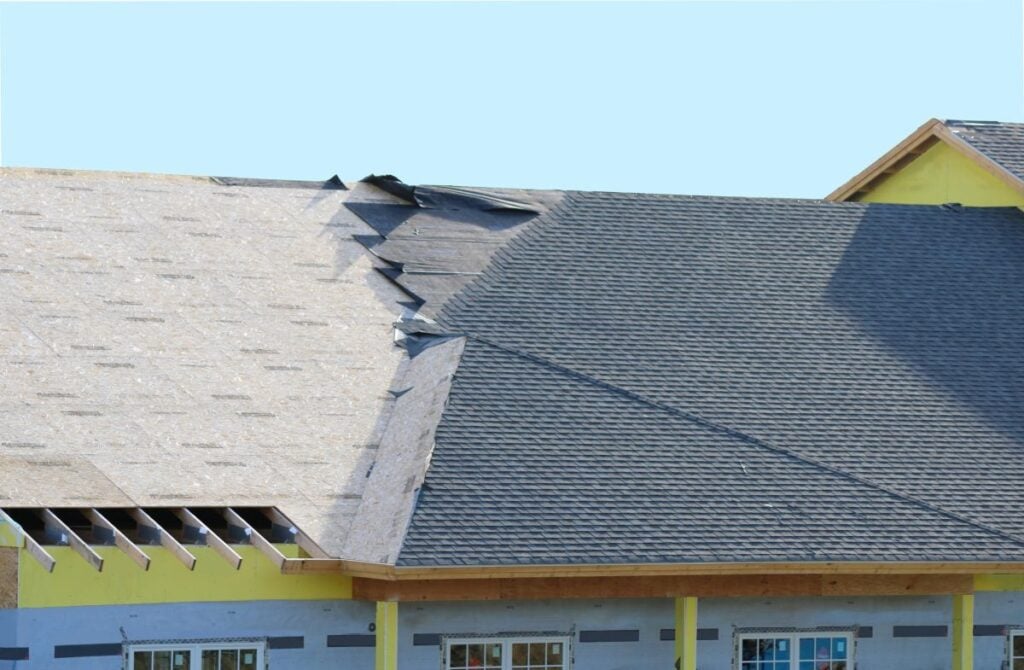
Why Choosing the Right Payment Method Matters as Much as the Roof Itself
Picking a roofing contractor and material is only half the decision when it comes to a roof replacement. The way you pay for the project can affect your monthly budget, your credit, and even how quickly the work can begin, so it deserves just as much attention as choosing shingles or a roofing crew.
- Budget flexibility: Spreading the cost over time with fixed monthly payments can keep a roof replacement from derailing your finances.
- Faster repairs: Financing can let you move forward with a needed replacement right away instead of waiting years to save up.
- Better materials: Some financing options make it easier to afford upgraded, longer lasting roofing materials than paying cash for the cheapest option available.
- Peace of mind: Knowing your payment plan in advance removes a lot of the stress that comes with an unexpected home repair.
Reviewing a full breakdown of financing paths homeowners commonly use can help you walk into a conversation with a lender or contractor already informed. Homeowners in Great Falls and surrounding areas who compare their options ahead of time tend to end up with terms that actually fit their situation.
5 Ways to Pay for a New Roof
There is no single right way to pay for a roofing project, since several factors, including your credit, your available savings, and how quickly the work needs to happen, will shape which route makes the most sense. The following five approaches cover most of what homeowners decide between when the time comes.
1. Filing a Homeowners Insurance Claim
If your roof damage resulted from a covered event such as a windstorm, hail, or a fallen tree, your homeowners insurance may cover some or all of the replacement cost once coverage kicks in. This route is worth exploring first, since it can significantly reduce what you need to pay out of pocket, even after the minimum amount of your deductible is subtracted.
- Review your policy’s declarations page for covered perils
- Document damage thoroughly before making repairs
- Ask your insurer how deductibles and depreciation affect your payout
2. Using Personal Savings
Paying with cash avoids interest entirely and lets you move forward with the project without waiting on approval from a lender. This option works best for homeowners who have set aside funds specifically for home maintenance and can absorb the expense now without jeopardizing their emergency fund or their financial cushion for the future.
3. Taking Out a Personal Loan
A personal loan is a common type of home improvement loan and an unsecured way to borrow the funds needed for a roof replacement, meaning your home is not used as collateral. Many financial institutions can move through the approval process quickly for borrowers with good or excellent credit, and these loans tend to be faster to obtain than options tied to home equity, though the fixed interest rate and loan terms are often less favorable, especially for borrowers with a thinner credit history or stricter credit requirements.
4. Borrowing Against Home Equity
A home equity loan or home equity line of credit lets you borrow against the value you have built up in your house, typically at lower rates than an unsecured loan since your bank treats it as a form of second mortgage. Both options require home equity to qualify, and a home equity loan provides a lump sum with fixed payments, while a line of credit works more like a revolving account you can draw from as needed.
- Home equity loan: fixed rate, lump sum, predictable payments
- HELOC: variable rate, flexible draws, revolving balance
5. Asking About Contractor Financing
Many roofing companies partner with third party lenders to offer financing directly through the point of sale, often with a simple application process. This option can be convenient because approval is often quick and can come with low monthly payments, and some plans include promotional periods with reduced or no interest for a set number of months, though it is worth asking about fees and prepayment penalties before signing anything.
Weighing these five paths against your own financial situation is the best way to land on a plan you can comfortably manage for your new roof project. Homeowners near Great Falls and surrounding areas often find that combining two approaches, such as a partial insurance payout plus a short term loan, works better than relying on a single option alone, and this pattern tends to hold true regardless of geographical area.
What Lenders Look at Before Approving You
Before any financing option becomes available, lenders and contractors need to evaluate whether you are a reasonable risk for the loan or payment plan being offered. Applicants with stronger credit profiles tend to qualify for more choices, so understanding these factors ahead of time can help you prepare your application and avoid unnecessary delays.
- Credit score: A higher score generally unlocks better interest rates and more financing options.
- Income and debt-to-income ratio: Lenders want to see that your existing debts leave enough room in your budget for a new monthly payment.
- Home equity: For secured options like a home equity loan, the amount of equity you have built up directly affects how much you can borrow.
- Project quote: A detailed, written estimate from a licensed contractor gives lenders a clear picture of exactly what they are financing.
Gathering pay stubs, a recent credit report, and a written roofing estimate before you apply can speed up the entire process considerably. Being prepared with this documentation often means the difference between approval within days and a frustrating back and forth that delays your project by weeks.
Comparing Financing Options Side by Side
Every financing path, whether it is a dedicated roof loan or one of the other roof financing options covered here, comes with its own trade offs in terms of speed, cost, and risk, which can make the decision feel overwhelming without a clear comparison. The table below lays out how the most common options generally compare against one another.
| Option | Typical Rate Range | Approval Speed | Best For |
| Insurance claim | N/A (deductible applies) | Weeks | Storm or covered peril damage |
| Personal savings | No interest | Immediate | Homeowners with sufficient reserves |
| Personal loan | Moderate to high | Days | Good credit, no desire to use home as collateral |
| Home equity loan or HELOC | Low to moderate | 2 to 6 weeks | Homeowners with built up equity |
| Contractor financing | Varies widely | Same day to days | Urgent projects needing fast approval |
Looking at these options together makes it easier to see which trade offs matter most for your situation. A homeowner facing an urgent leak may prioritize speed over the lowest possible rate, while someone planning a replacement months in advance has the flexibility to shop around for the most favorable terms.
Frequently Asked Questions About Roof Replacement Financing Options
Paying for a new roof raises a lot of practical questions, especially for homeowners going through the process for the first time. Here are answers to some of the most common ones.
How much does a typical roof replacement cost?
Costs vary widely based on roof size, material, and location, but most homeowners can expect a range from several thousand dollars for a smaller asphalt shingle roof to well over ten thousand for larger or premium material projects.
Will financing a roof hurt my credit score?
Applying for a loan can cause a small, temporary dip in your credit score due to the hard inquiry, but making consistent, on time payments afterward can actually help build your credit over the long run, especially valuable if you are working toward excellent credit for future purchases.
Can I combine multiple financing options?
Yes, many homeowners use a partial insurance payout, some savings, and a smaller loan together to cover the full cost, which can reduce the amount of interest paid overall.
Is contractor financing trustworthy?
It can be, but homeowners should read the terms closely and compare them against other options, since promotional rates sometimes increase significantly once an introductory period ends.
How far in advance should I apply for financing?
Applying about two months before you need the work completed gives most loan types, especially home equity products, enough time to process without holding up your project.
Does new roof financing work the same way for a repair instead of a full replacement?
Many of the same options apply, though a smaller roof repair may only require a low cost credit card or a short term loan rather than a larger home equity product, since the total amount of money needed is usually much lower.
These answers should help narrow down which path makes the most sense for your household, though every financial situation is a little different. A conversation with a lender or your roofing contractor can help fill in the remaining details specific to your project.
Let Springfield Roofing Help You Plan Your Next Roof
Paying for a new roof does not have to mean choosing between your budget and the quality of the work being done. Homeowners throughout Great Falls and surrounding areas count on Springfield Roofing not only for skilled installation and roof repair services, but for honest guidance on the payment options available to them.
Our team is happy to walk you through the process, provide a detailed written estimate for lenders, and help you understand which financing path fits your specific project. When you are ready to take the next step toward a new roof, contact us today and let us help make the process as straightforward as possible.