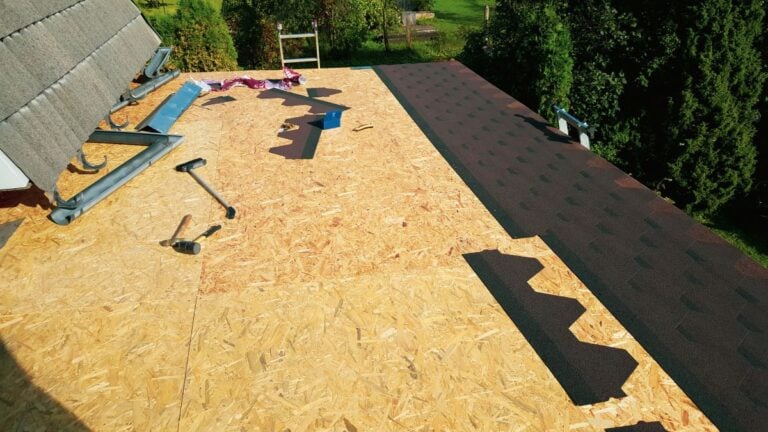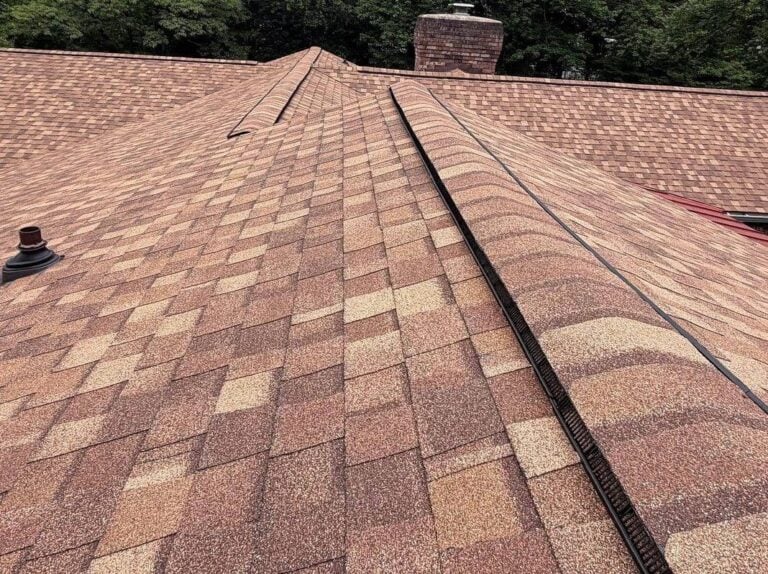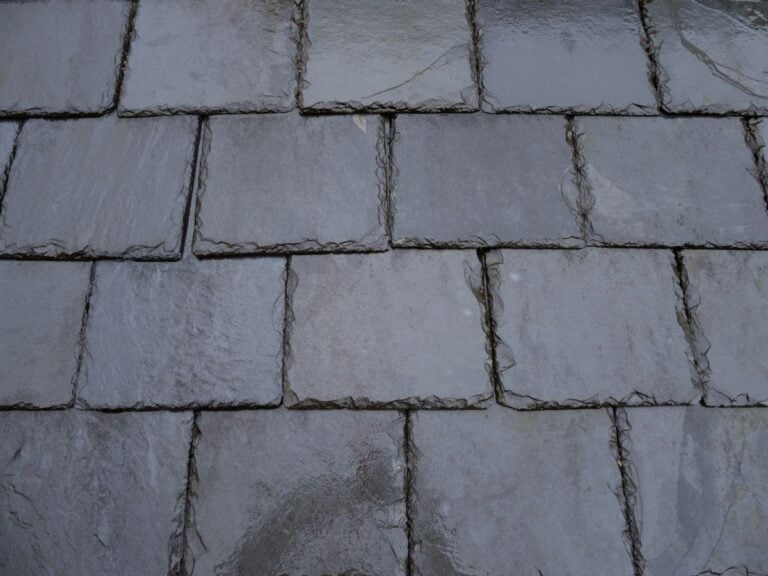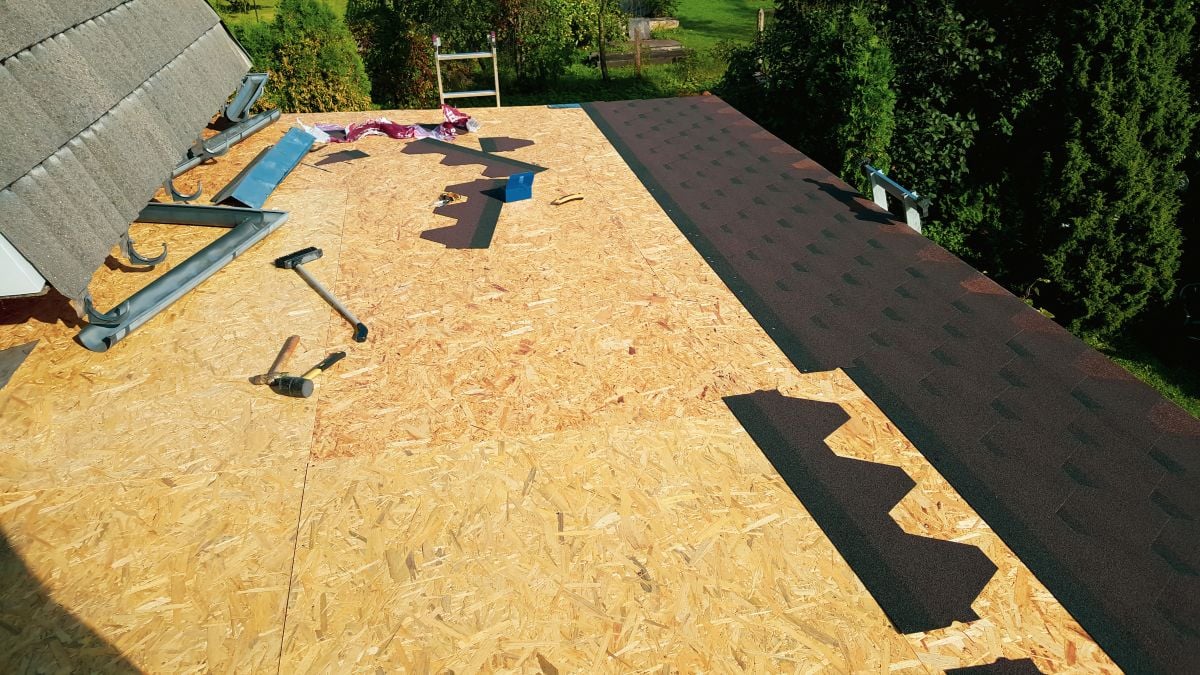
A steady drip from the ceiling is stressful enough without also wondering who is going to pay for the repair. It’s one of the most common questions we hear from homeowners: does homeowners insurance cover roof leaks? The honest answer depends heavily on whether a leaking roof was caused by a sudden and accidental event or something that built up slowly over time, and understanding the difference before disaster strikes can save you from an unpleasant surprise. Reviewing ways to make the investment fit your budget ahead of time can also make any uncovered repairs easier to manage.
Here’s what this guide will help you sort out:
- When a roof leak is likely covered and when it isn’t
- The most common reasons insurers deny roof claims
- Steps to take before and after filing a claim
- How to keep your policy working in your favor
Why Understanding Your Coverage Saves You Money and Stress
Roof damage is one of the most costly repairs a homeowner can face, and dwelling coverage under your homeowners insurance policy can make or break your budget when it happens. Knowing what your insurance provider will and will not pay for before a leak occurs puts you in a much stronger position when it’s time to file a claim.
- Financial protection: Coverage for a covered peril provides financial support that can save you thousands of dollars in repair or replacement costs.
- Faster claims: Homeowners who understand their policy tend to file more complete claims, which can speed up approval.
- Fewer disputes: Knowing the difference between a covered peril and a maintenance issue helps you avoid arguing with your insurer over a claim that was never going to be approved.
- Better prevention: Understanding what voids coverage encourages the kind of regular maintenance that prevents leaks in the first place.
Learning how insurers decide whether a roof leak qualifies for coverage can help homeowners in Arlington and surrounding areas avoid filing a claim that was destined for denial. It also gives you a head start on the kind of documentation your insurance company will expect to see, which can make the difference between a claim that gets approved quickly and one that drags on for weeks.
4 Factors That Determine Whether Your Roof Leak Is Covered
Insurance companies do not look at a leak in isolation. They look closely at what caused it, and the following factors carry the most weight once a claim lands on an adjuster’s desk.
1. The Cause of the Leak
The single biggest factor in any roof leak claim is whether the damage came from a sudden and accidental event or from something that developed slowly over time. A standard homeowners insurance policy will usually keep roof damage covered when it results from wind, hail, fire, lightning, or falling trees, especially during severe weather, while gradual seepage, mold, and pest damage are typically excluded.
- Covered perils: windstorms, hail, fire, lightning, falling debris
- Usually excluded: flooding, earthquakes, and earth movement
2. Your Roof’s Age and Condition
An older, damaged roof is far more likely to see a claim reduced or denied outright, even when a covered event caused the damage. Insurers often apply actual cash value coverage instead of a replacement cost basis to aging roofs, which factors in depreciation from normal wear and can leave you with a payout well short of full replacement cost.
3. How Quickly You Report the Damage
Insurance companies expect homeowners to act promptly once a leak is discovered, both to file the claim and to prevent further damage to the home. A regular roof inspection helps you catch problems early and spot warning signs before they turn into a denied claim, since waiting weeks to report a leak, or continuing to live with visible water stains without addressing them, can be used as evidence that the damage was a maintenance issue rather than a sudden event. Insurers may also argue that any secondary damage, such as warped flooring or mold growth, could have been avoided with faster action, which can shrink your eventual payout even on an otherwise valid claim.
4. What Your Specific Policy Excludes
Every homeowners policy is a little different, and the declarations page will spell out exactly which perils are covered and which require a separate endorsement. Flood damage and earthquake damage are common examples that require their own standalone policies rather than being included in a standard homeowners plan, and other structures coverage for a detached garage or shed often has its own separate limits worth checking. Repairs also need to meet local building codes, so it pays to ask your insurer about coverage options if you live in an area prone to severe storms.
Reviewing these four factors before a leak happens can help you spot gaps in your coverage early. Homeowners throughout Arlington and surrounding areas who take time to understand their policy tend to have a much smoother experience if they ever need to file a claim.
What to Do the Moment You Notice a Roof Leak
The steps you take in the first hours after discovering a leak can influence both the outcome of your insurance claim and the total cost of repairs. Acting quickly and methodically limits structural damage to the affected areas and gives your insurer the documentation they need to process your claim fairly.
- Contain the damage: Use buckets, tarps, or towels to limit water intrusion while you arrange repairs.
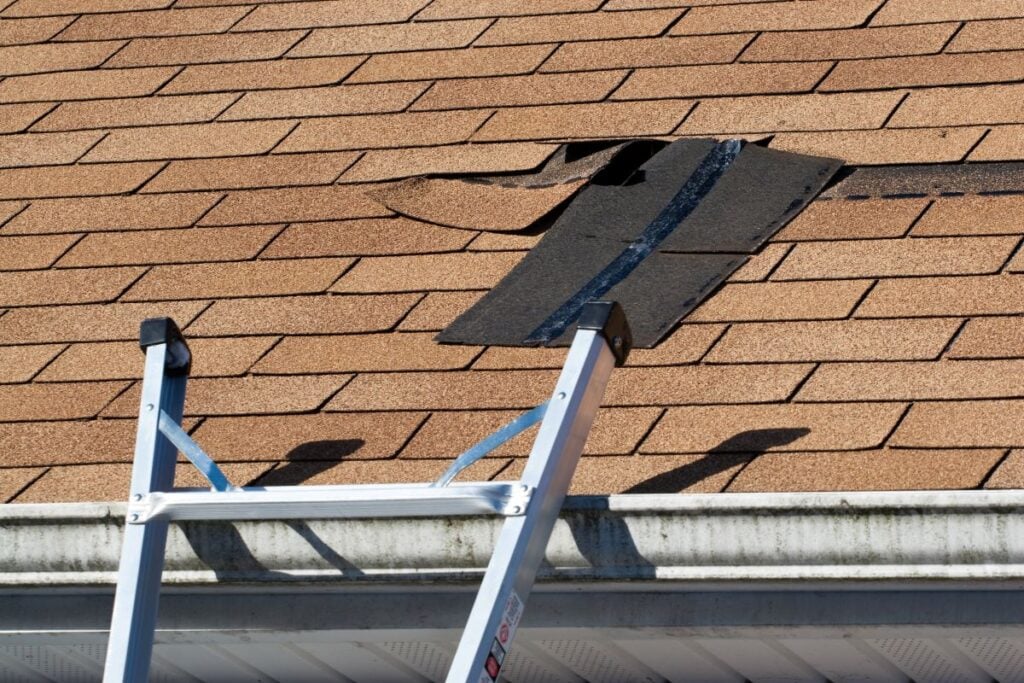
- Document everything: Photograph the leak, any missing or loose shingles, and any items affected before you clean up or make repairs.
- Contact your insurer promptly: Most companies want to know about damage as soon as possible, and delays can complicate a claim.
- Get a professional inspection: A licensed roofer can identify the cause of the leak and provide documentation that supports your claim.
- Avoid permanent repairs before the adjuster visits: Temporary fixes are fine, but major repairs before an inspection can make it harder to prove what happened.
- Keep nearby trees trimmed: A tree falling onto your roof is often covered, but reducing the risk in advance is still the smarter move.
Taking these steps in order helps establish a clear timeline that supports your version of events. Insurers are far more likely to approve a claim when the homeowner has been organized and responsive from the very beginning.
Covered vs. Not Covered: A Side-by-Side Look
It can be difficult to predict how an insurer will respond to a specific situation without seeing a few real examples side by side. The table below illustrates how similar looking damage can lead to very different outcomes depending on the underlying cause.
| Scenario | Likely Covered | Likely Not Covered |
| Wind tears off shingles during a storm | Yes | |
| Old shingles curl and crack from age | Yes | |
| A tree limb falls and punctures the roof | Yes | |
| Slow leak from years of clogged gutters | Yes | |
| Hail punctures the roof deck | Yes | |
| Ice dams back up water under shingles | Yes | |
| Improper installation causes water intrusion | Yes |
Seeing these scenarios laid out makes the underlying pattern easier to spot. Insurers are consistently looking for a sudden, identifiable event, whether it is shingles torn loose in a storm or ice dams forming after a hard freeze, rather than the slow accumulation of everyday wear. Choosing durable, fire resistant roofing materials when it’s time to replace your roof will not guarantee coverage, but it can reduce how often you need to file a claim in the first place.
Frequently Asked Questions About Roof Leak Insurance Coverage
Homeowners dealing with a leak for the first time tend to have a lot of the same questions. Here are straightforward answers to the ones that come up most often.
Will filing a claim raise my premium?
It can, especially if you file multiple claims with the same insurance provider within a short period. It is worth weighing the cost of the repair against your deductible and potential future home insurance premium increases before deciding to file.
Does my policy cover a full roof replacement?
Only if the damage from a covered peril is extensive enough that repair is not practical. Most homeowners insurance policies base your payout on whether you have replacement cost or actual cash value coverage options, so it is worth confirming which one applies to your roof.
What if my insurer denies my claim?
You can request a written explanation, gather additional documentation from a roofing professional, and appeal the decision. A second opinion from an independent adjuster can also help in disputed cases.
Do I need a separate policy for flood damage?
Yes, standard homeowners insurance does not cover flooding, so a separate flood insurance policy is necessary if your home is at risk from rising water.
How much does homeowners insurance typically pay after a covered roof leak?
The payout depends on your coverage limits, your deductible, and whether your policy uses replacement cost or actual cash value, so amounts vary significantly from one homeowner to the next. If the damage is severe enough that you cannot stay in your home during repairs, additional living expenses coverage may also help with temporary housing costs.
These answers cover the basics, but every insurance policy has its own fine print worth reading closely. When in doubt, a quick call to your insurance agent can clarify exactly what your specific plan covers.
Let Springfield Roofing Help You Navigate the Claims Process
Figuring out whether your roof leak is covered by insurance does not have to be something you sort out on your own after an unexpected event turns your week upside down. Homeowners in Arlington and surrounding areas trust Springfield Roofing not just for repairs and replacements, but for honest guidance and the kind of customer satisfaction that comes from feeling genuinely supported during a stressful time.
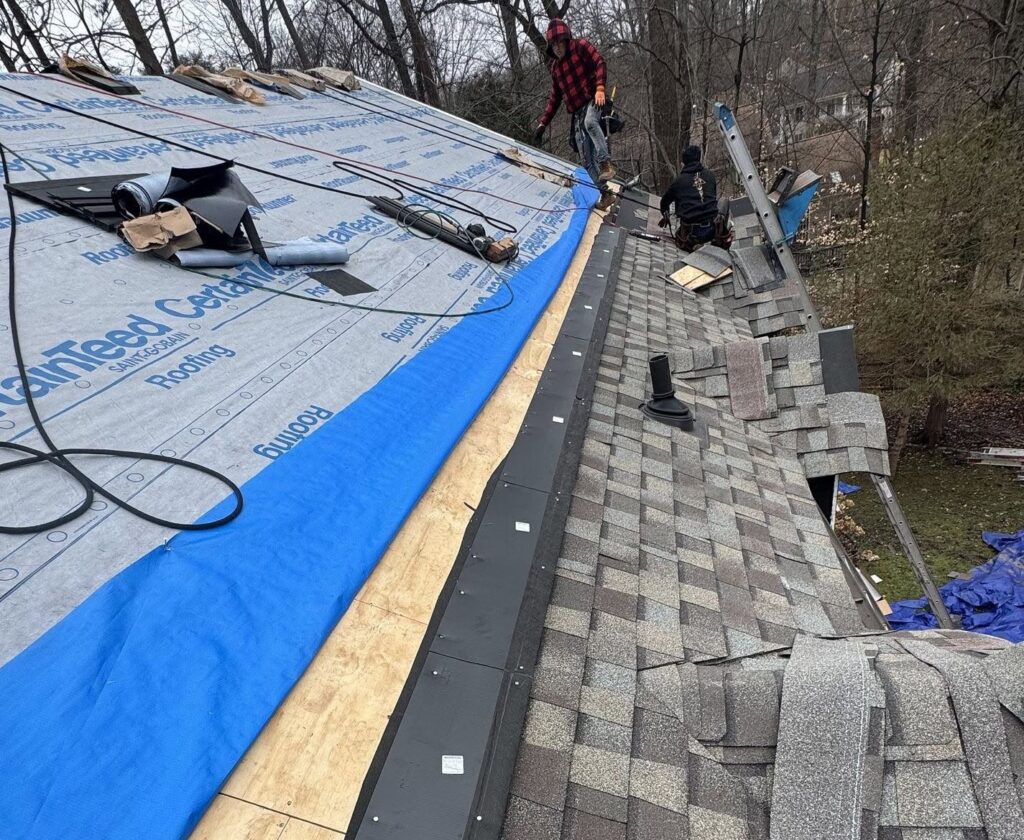
Our team can inspect your roof, document the damage clearly, and provide the kind of detailed report that strengthens your claim and offers enhanced protection for your next conversation with your insurer. We have worked with homeowners through storms, aging roofs, and everything in between, and we know how to translate what an insurance adjuster sees into a plan that gets your roof fixed properly. Whether you are dealing with storm damage right now or simply want to understand your coverage before something happens, contact us today and let us help you protect your home and your budget.