One of the most common questions homeowners ask is how long do roofs last, and the answer depends on several key factors such as materials, maintenance, and climate. Knowing what to expect from your roofing system helps you plan for replacements, repairs, and long-term home protection.
For homeowners in McLean and surrounding areas, understanding roof longevity can make the difference between a roof that performs for decades and one that fails prematurely due to neglect or poor installation.
- Material choice affects lifespan and durability.
- Regular maintenance extends your roof’s service life.
- Local weather and installation quality play major roles in longevity.
Factors That Affect How Long Roofs Last
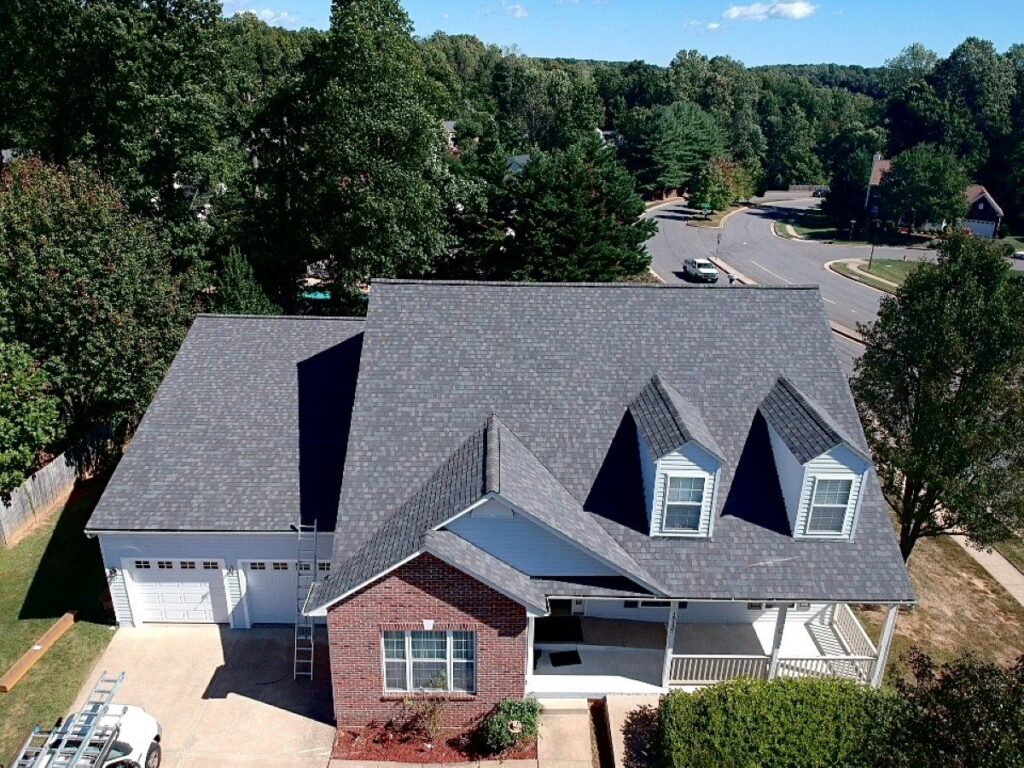
Every roof is unique, but several factors determine its overall performance and lifespan. Understanding these helps homeowners make better decisions about care and replacement timelines.
- Roofing material: Different materials have different natural lifespans.
- Installation quality: A properly installed roof lasts much longer.
- Climate and weather: Heavy rain, snow, and UV exposure shorten lifespan.
- Ventilation and insulation: Proper airflow prevents heat and moisture damage.
- Maintenance frequency: Regular inspections prevent small issues from becoming major problems.
Even the best roofing materials require consistent maintenance to reach their full lifespan potential.
Average Lifespan by Roofing Material
Homeowners can expect varying results depending on which type of roof they have. Below is a general overview of average lifespans for common roofing materials in Virginia’s climate.
| Roofing Material | Average Lifespan | Maintenance Level | Key Advantages |
| Asphalt Shingles | 20–30 years | Moderate | Affordable, widely available |
| Metal Roofing | 40–70 years | Low | Long-lasting and energy efficient |
| Wood Shakes | 25–40 years | High | Natural look and good insulation |
| Tile Roofing | 50–75 years | Low | Fire-resistant and durable |
| Slate Roofing | 75–100+ years | Low | Extremely durable and elegant |
| Flat Roofing (TPO, EPDM, etc.) | 20–35 years | Moderate | Ideal for low-slope structures |
These ranges reflect typical performance in Virginia’s weather conditions. Harsh storms, improper installation, or lack of maintenance can shorten any roof’s lifespan.
6 Signs Your Roof May Be Nearing the End of Its Lifespan
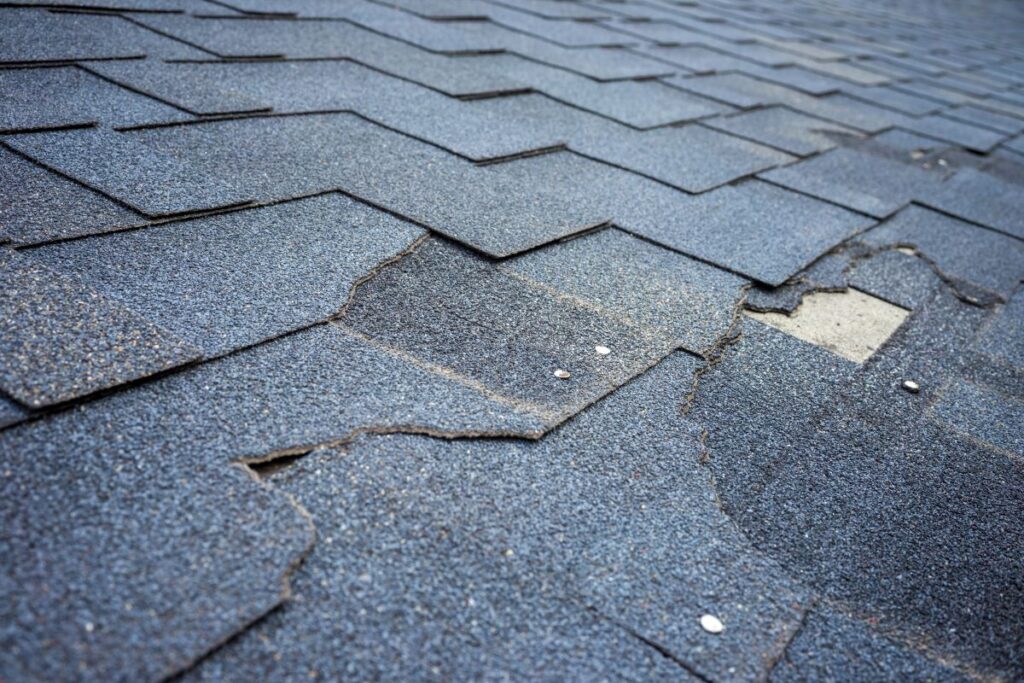
Even a well-built roof eventually shows signs of aging. Recognizing these early gives homeowners time to plan repairs or replacements before leaks occur.
- Curling or missing shingles: Indicates shingle wear and exposure to the elements.
- Granule loss: Asphalt shingles lose their top layer as they age.
- Moss or algae growth: Trapped moisture weakens roof materials over time.
- Sagging areas: Could indicate structural damage or trapped moisture.
- Leaks or interior water stains: Often a sign of aging underlayment or flashing issues.
- Faded color: Prolonged UV exposure breaks down protective coatings.
If you notice any of these issues, a professional inspection can help determine whether repair or replacement is necessary.
Extending the Life of Your Roof
Proper maintenance can add years to your roof’s lifespan, regardless of the material. Homeowners who follow a consistent care routine often avoid major problems and save money in the long run.
- Schedule regular inspections: Have your roof checked by professionals at least once a year.
- Clean gutters and downspouts: Prevent blockages that cause water to back up onto the roof.
- Trim nearby trees: Remove overhanging branches that drop debris or cause damage.
- Address small repairs quickly: Fix minor leaks or missing shingles before they worsen.
- Maintain ventilation and insulation: Reduces heat buildup and moisture damage in the attic.
A well-maintained roof not only lasts longer but also maintains curb appeal and energy efficiency.
How Climate in Virginia Impacts Roof Lifespan
Roofs in McLean and surrounding areas face a mix of hot summers, heavy rain, and occasional snow, all of which affect performance.
- Heat and UV exposure: Over time, sunlight causes materials like asphalt to dry out and crack.
- Moisture and humidity: Excessive moisture encourages algae, mold, and rot.
- Storm events: Wind and hail can loosen shingles and damage flashing.
- Seasonal temperature swings: Expansion and contraction can weaken sealants and fasteners.
Local roofing experts understand how these conditions influence material performance and can recommend options that withstand Virginia’s climate best.
Roof Maintenance Timeline by Material
Each roofing type has its own maintenance requirements to maximize performance.
| Roof Type | Inspection Frequency | Maintenance Tasks |
| Asphalt Shingles | Once per year | Replace damaged shingles, clean gutters |
| Metal Roofing | Every 2–3 years | Recoat panels and tighten fasteners |
| Wood Shakes | Twice per year | Remove moss, reseal, replace damaged shakes |
| Tile Roofing | Every 2 years | Inspect underlayment and replace cracked tiles |
| Slate Roofing | Every 3–5 years | Replace loose or broken tiles |
| Flat Roofing | Twice per year | Clean drains, reseal seams, remove debris |
Following these maintenance intervals helps ensure your roof lasts as long as possible.
Repair vs. Replacement: Knowing When It’s Time
Sometimes repairs are enough to restore roof function, but there comes a point when replacement is more cost-effective.
- Repair when: Damage is localized or the roof is under 10 years old.
- Replace when: Widespread wear, sagging, or recurring leaks appear.
- Inspect annually: A professional can determine when continued repairs are no longer practical.
Proactive replacement avoids expensive damage to insulation, walls, and ceilings caused by leaks or water intrusion.
Cost Expectations for Roof Longevity
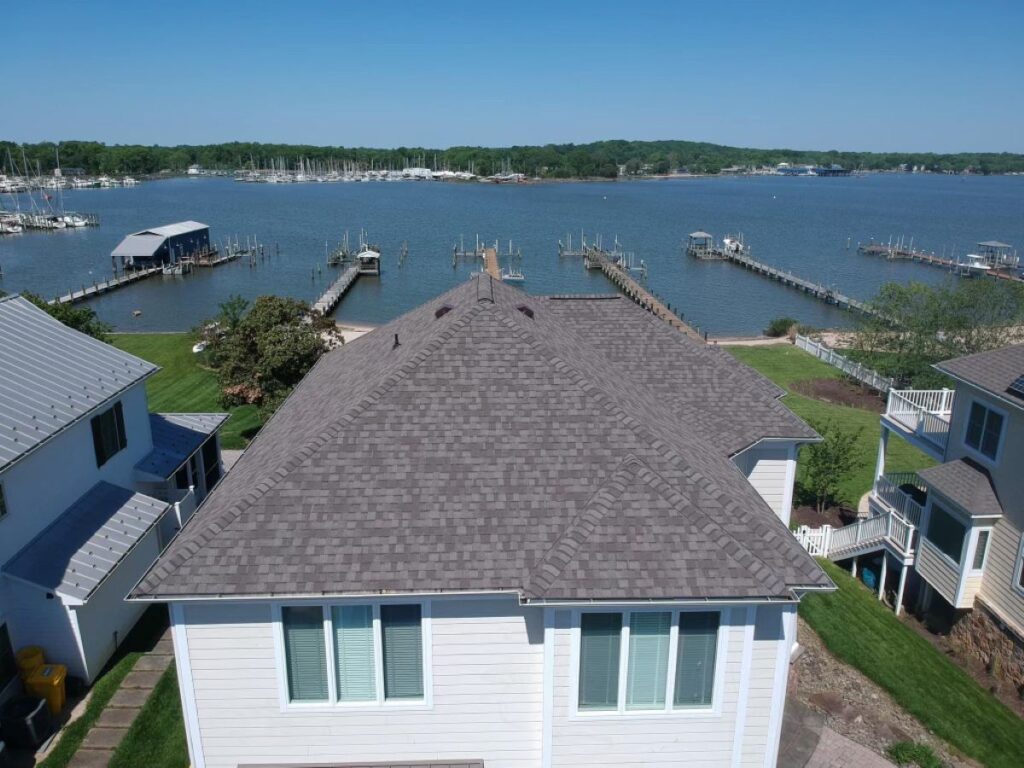
The cost of maintaining or replacing a roof varies depending on materials and labor. In Virginia, average roof replacement costs range from $9,000 to $25,000, depending on size and materials. Asphalt shingles remain the most affordable, while slate and metal represent higher upfront investments that pay off through longevity and reduced maintenance.
Regular inspections and small repairs can significantly delay the need for full replacement, saving homeowners thousands over the years.
Plan Ahead for Long-Term Roof Performance
When asking how long do roofs last, remember that lifespan depends on material quality, installation, and care. By understanding these factors and keeping up with maintenance, homeowners can extend the life of their roof and protect their home for decades.
If your home in McLean or surrounding areas needs a professional assessment, contact Springfield Roofing & Sheet Metal. Our experienced team provides honest evaluations, expert maintenance, and dependable service to help your roof reach its full potential.