A commercial roof maintenance plan does more than keep the roof in good shape; it protects property owners from three specific financial risks that quietly grow without one: voided manufacturer warranties, reduced insurance claim payouts, and liability exposure that can turn a $2,000 repair into a six-figure loss. Property owners in Alexandria and surrounding areas often think of maintenance as a nice-to-have expense that helps roofs last longer, which it does, but the real reason to have a documented plan is what happens when something goes wrong. Without one, warranty claims get denied, insurance adjusters reduce payouts, and tenant lease disputes become expensive to defend. This guide walks through the specific risks that a documented maintenance plan protects against, and why the documentation matters as much as the physical work.
- Warranty protection: Most commercial roof warranties require documented maintenance as a condition of coverage.
- Insurance leverage: Documented maintenance records support fair claim payouts.
- Liability defense: Records protect against tenant disputes and lease compliance issues.
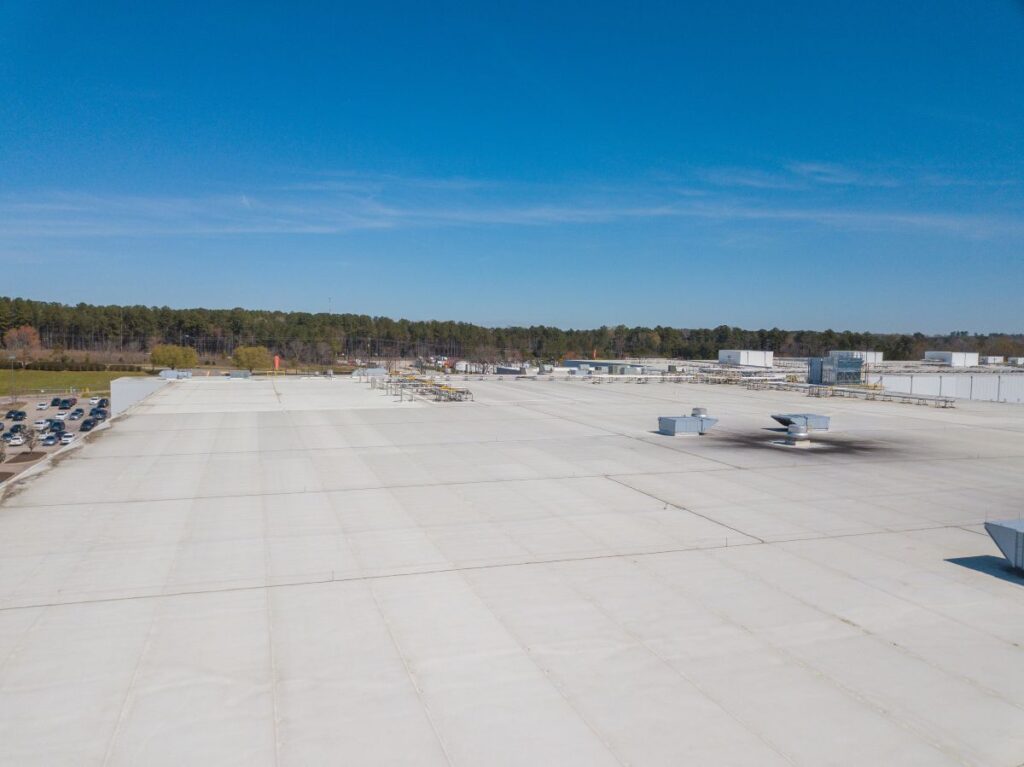
The Three Financial Risks a Maintenance Plan Actually Protects Against
Most property owners understand that maintenance helps roofs last longer, but the financial protection is what makes the plan worth its cost. Three specific risks show up in almost every commercial roofing dispute.
What’s the Warranty Risk Without Documented Maintenance?
The warranty risk without documented commercial roof maintenance is significant, because virtually every manufacturer warranty from Carlisle, GAF, Firestone, Johns Manville, Sika, SOPREMA, Duro-Last, and Holcim Elevate requires documented periodic maintenance to remain valid. When a warranty claim comes in years after installation, manufacturers request maintenance records as a first step. Without them, claims that would otherwise be covered can be denied outright, regardless of whether the defect was clearly a manufacturing issue. Property owners in Alexandria and surrounding areas with 20-year or 25-year NDL (No Dollar Limit) warranties have real money at stake, since a covered failure that would cost the manufacturer to fix can become the owner’s problem instead.
- Documentation required: Nearly all commercial warranties require maintenance records.
- Certified installers: Repairs must be done by manufacturer-approved contractors.
- Approved materials: Only manufacturer-specified materials preserve coverage.
- Modification tracking: New penetrations or equipment additions may need notification.
How Does Maintenance Documentation Affect Insurance Claims?
Insurance documentation gets weighed heavily by adjusters evaluating commercial roof claims. When damage occurs (from wind, hail, or other covered perils), the adjuster’s job is to determine whether the damage resulted from the covered event or from pre-existing wear and tear that the policy doesn’t cover. Documented maintenance records establishing the roof’s condition before the event help support claims that damage was event-related rather than gradual. Without records, insurance carriers often reduce payouts by attributing damage to lack of maintenance or age, sometimes cutting settlements by 30% to 50% or denying claims entirely. Property owners in Alexandria and surrounding areas dealing with storm damage claims routinely see this play out in real dollars.
- Baseline documentation: Records establish roof condition before damage events.
- Cause attribution: Adjusters separate storm damage from age-related wear.
- Payout impact: Missing records can reduce settlements 30% to 50%.
- Claim support: Time-stamped photos and reports strengthen your position.
What Liability Exposure Exists Without a Maintenance Plan?
Liability exposure without a documented maintenance plan extends beyond direct roof repair costs into tenant lease disputes, business interruption claims, and even personal injury liability. Multi-tenant commercial buildings typically have lease language requiring the landlord to maintain the building envelope, which includes the roof. When a tenant’s operations are disrupted by a leak that could have been prevented, they have grounds to file claims for rent abatement, business interruption losses, and damaged inventory. Without documented maintenance showing reasonable care, landlords have limited defense against these claims. Property owners in Alexandria and surrounding areas with triple-net leases sometimes face documentation requirements as a landlord obligation, making the paper trail a legal necessity rather than just good practice.
- Lease compliance: Landlord obligations often require documented maintenance.
- Tenant claims: Business interruption and rent abatement claims from tenant leaks.
- Personal injury: Slip-and-fall or ceiling collapse liability from water damage.
- Legal defense: Documentation supports your case in disputes.
3 Ways a Maintenance Plan Delivers Documented Protection
Three specific protections come from having a structured commercial roof maintenance plan in place. Each one addresses a distinct risk category that property owners face.
1. Warranty Preservation Through Documented Inspections
Warranty preservation through documented inspections is the most straightforward benefit of a commercial roof maintenance plan, because every major manufacturer requires documented inspections at specific frequencies to keep warranties active. The Carlisle SynTec Owner’s Manual explicitly lists warranty documents, maintenance inspection logs, rooftop traffic logs, service logs, and repair invoices as records the owner must retain. Similar requirements apply to GAF, Firestone, Johns Manville, Sika, SOPREMA, and other major commercial manufacturers. A structured maintenance plan produces this documentation automatically, at the frequency required by the warranty. Property owners in Alexandria and surrounding areas without formal plans often discover years later that their claims are denied because the paper trail doesn’t exist.
- Semi-annual inspections: Standard minimum for most manufacturer warranties.
- Written reports: Time-stamped documentation of every visit.
- Photo records: Visual proof of roof condition over time.
- Repair invoices: Every fix documented with materials and labor.
2. Insurance Documentation That Supports Full Claim Payouts
Insurance documentation that supports full claim payouts is the second major benefit of a formal maintenance plan. When a storm hits, adjusters need to determine what damage came from the covered event versus what was pre-existing. Building owners with year-by-year documentation of roof condition (including photos, drain inspections, membrane assessments, and repair records) can prove that damage was event-related rather than long-standing wear. This documentation typically supports fair settlements that reflect the actual damage, while missing documentation tilts adjuster decisions toward reduced payouts. Property owners in Alexandria and surrounding areas dealing with wind, hail, or other storm damage benefit substantially from having a documented pre-event roof condition history.
- Pre-event condition: Establishes roof state before storm damage.
- Event correlation: Documents damage that matches storm timing.
- Repair history: Shows the owner has maintained reasonable care.
- Photo timeline: Visual proof supports adjuster’s damage assessment.
3. Legal Protection From Tenant and Lease Disputes
Legal protection from tenant and lease disputes is the third documented benefit of a structured maintenance plan, and it matters most in multi-tenant commercial properties. Modern commercial leases typically require landlords to maintain the building envelope (roof, exterior walls, foundation) in good condition. When a tenant suffers a business disruption from a roof leak, they can claim the landlord failed to meet that obligation. Documented maintenance showing regular inspections, timely repairs, and reasonable care gives landlords a strong defense against those claims. Property managers in Alexandria and surrounding areas handling multi-tenant buildings should treat maintenance documentation as legal insurance, not just operational record-keeping.
- Reasonable care standard: Documentation proves you met landlord obligations.
- Business interruption defense: Records support your case in tenant disputes.
- Rent abatement protection: Show you took reasonable steps to prevent leaks.
- Litigation support: Detailed records help attorneys defend your position.
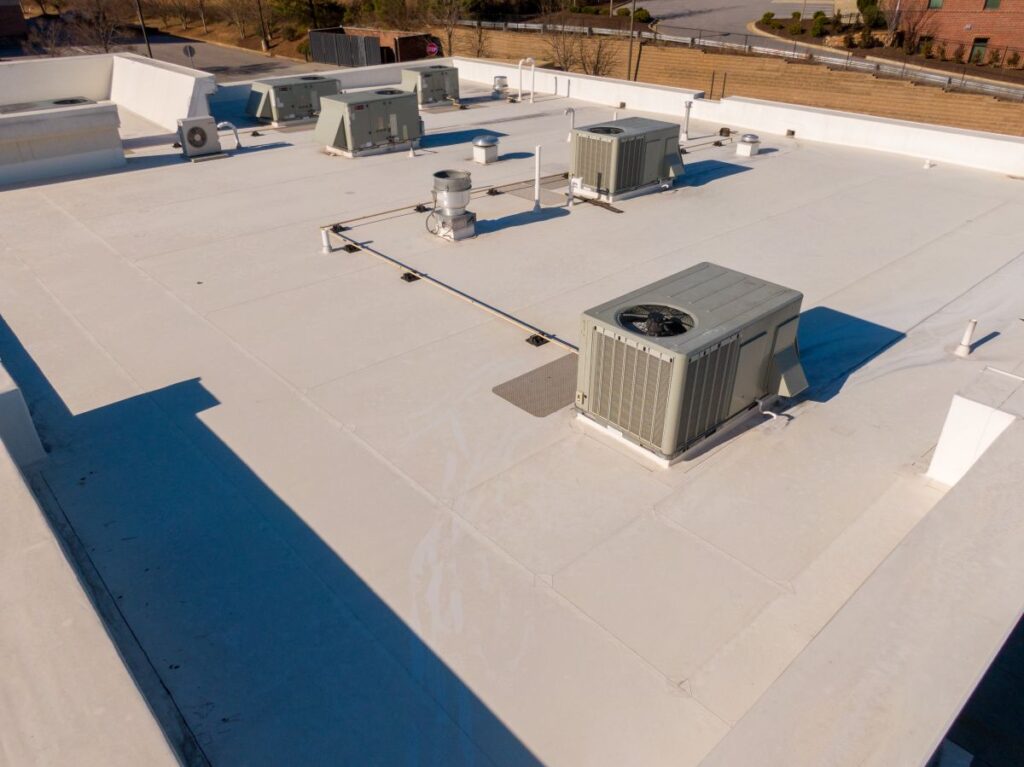
What Should a Commercial Roof Maintenance Plan Actually Include?
A maintenance plan is only as good as what it delivers. Knowing what to expect from a legitimate plan helps property owners evaluate quotes and hold contractors accountable.
What Are the Non-Negotiables in a Real Maintenance Plan?
The non-negotiables in a real commercial roof maintenance plan include semi-annual professional inspections (spring and fall at minimum), written reports with time-stamped photos, documented drain and gutter clearing, sealant and flashing service, rooftop equipment inspection, and clear repair recommendations. Anything less than this doesn’t meet manufacturer warranty requirements and won’t provide the documentation needed for insurance and liability protection. Reputable commercial contractors in Alexandria and surrounding areas provide sample reports before you sign so you can see exactly what documentation you’ll receive. Vague “maintenance service” without specifics isn’t real protection; it’s paper covering a service that doesn’t actually deliver what property owners need.
- Semi-annual inspections: Spring and fall minimum, more often for older roofs.
- Written reports: Detailed documentation with time-stamped photos.
- Drain and debris clearing: Standard at every visit.
- Repair recommendations: Prioritized list with cost estimates.
How Should Building Owners Verify a Contractor Can Actually Deliver?
Building owners should verify a contractor can actually deliver by asking for sample maintenance reports from other commercial properties, checking manufacturer certifications (Carlisle Continu-Care, GAF CMP, Firestone Red Shield, etc.), verifying insurance and workers’ compensation, and calling references from similar building types. Manufacturer certifications matter because they mean the contractor is authorized to perform work that maintains warranty compliance. Reference checks with other property managers reveal whether the contractor actually shows up when promised and produces the documentation they said they would. Property owners in Alexandria and surrounding areas should also ask about the contractor’s emergency response protocols, since maintenance and emergency service typically go together.
- Sample reports: Real documentation from actual commercial properties.
- Manufacturer certifications: Continu-Care, CMP, Red Shield, and similar programs.
- Insurance verification: Current certificates for general liability and workers’ comp.
- Reference checks: Property managers with similar building types.
Frequently Asked Questions
How much does a commercial roof maintenance plan cost?
A commercial roof maintenance plan typically costs $0.05 to $0.20 per square foot per year, depending on roof size, complexity, and level of service included. For a typical 20,000 square foot commercial building in Alexandria and surrounding areas, that translates to roughly $1,000 to $4,000 per year for a structured program.
Will a maintenance plan really keep my warranty valid?
Yes, a documented commercial roof maintenance plan is typically required to keep manufacturer warranties valid. Nearly every major commercial manufacturer requires documented periodic maintenance as a condition of warranty coverage. Skipping documentation is one of the most common reasons legitimate warranty claims get denied years after installation.
What documentation do insurance companies actually want?
Insurance companies want time-stamped inspection reports with photos, records of debris removal and drain clearing, documented repair work with dates and materials, and year-over-year condition tracking. This documentation helps adjusters attribute damage to specific events rather than gradual wear, which supports fair claim payouts.
Can I document maintenance myself instead of hiring a contractor?
You can document your own visual inspections, but manufacturer warranties typically require inspections performed by qualified roofing professionals, not in-house facility staff. A property manager walking the roof doesn’t satisfy the manufacturer’s requirements. Certified contractors provide the documentation that actually holds up when a claim is filed.
What’s the biggest risk of skipping a maintenance plan?
The biggest risk of skipping a commercial roof maintenance plan is compounding financial exposure: a voided manufacturer warranty on a $50,000 leak, reduced insurance payouts on a $100,000 storm claim, and tenant business interruption claims that can reach six or seven figures. The plan’s cost is a small fraction of what a single denied claim can cost.
How often should the maintenance plan be reviewed?
A commercial roof maintenance plan should be reviewed annually to make sure the scope still matches the building’s needs, especially as the roof ages. Roofs older than 15 years may need more frequent inspections, and roofs with heavy rooftop traffic or newly installed equipment may benefit from additional visits. Annual capital planning updates also help owners forecast eventual replacement.
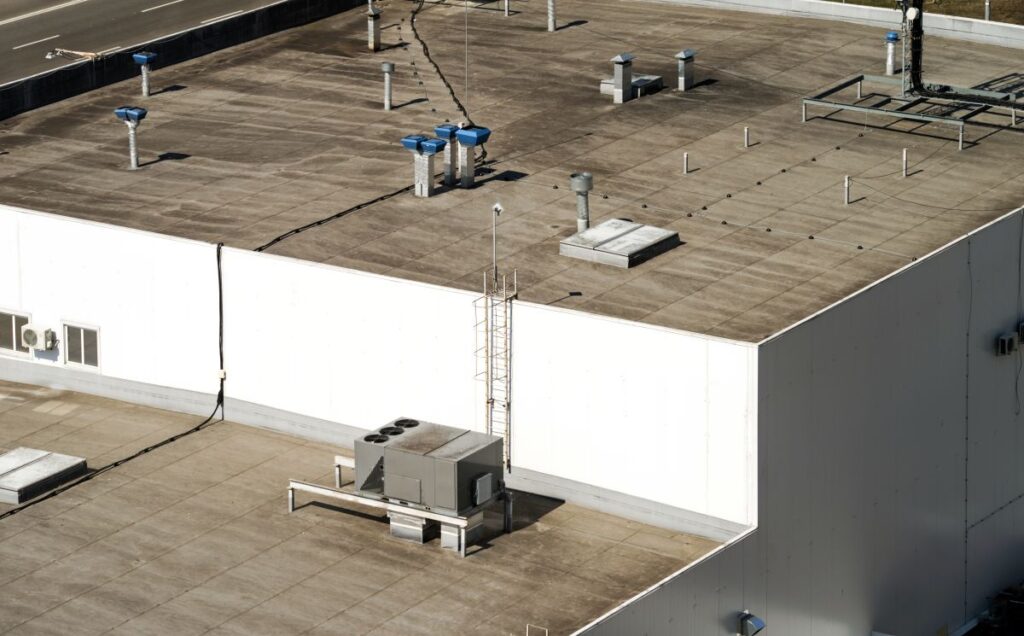
Choose Springfield Roofing & Sheet Metal for a Documented Commercial Maintenance Plan
When a commercial roof maintenance plan is set up right, property owners have the documentation and protection they need to defend warranty claims, support insurance settlements, and meet lease obligations. Springfield Roofing & Sheet Metal is a 1st and 2nd generation family-owned and operated company serving Alexandria and surrounding areas with a dedicated in-house crew, full labor and material warranties, and CertainTeed 5-Star Select Shingle Master certification. We provide structured commercial maintenance programs with scheduled inspections, detailed written reports with time-stamped photos, drain and flashing service, and clear pricing so building owners know exactly what documentation they’ll have when it matters. Contact Springfield Roofing & Sheet Metal today for a free commercial roof assessment and find out what real documented protection looks like for your building.