A single hailstorm can leave a roof looking untouched from the ground while causing real damage that shortens its lifespan. Learning the signs of hail damage on shingles helps homeowners catch problems early, before a small dent from a hard hail hit turns into a costly leak. Knowing what to look for across the roof surface and your roof shingles also puts you in a stronger position when it comes time to get a professional set of eyes on the situation.
Here’s a quick rundown of what this guide covers:
- The most common visual clues that hail has affected your shingles
- Why even minor damage deserves prompt attention
- How hail damage compares across different roofing materials
- Answers to the questions homeowners ask most after a storm
Why Spotting Hail Damage Early Protects Your Whole Roof
Hail damage rarely announces itself the way a fallen tree branch does. Instead, it tends to hide in plain sight, weakening a shingle’s protective layer long before an actual leak develops, which is why learning the most reliable signs to look for is one of the most valuable habits a homeowner can build.
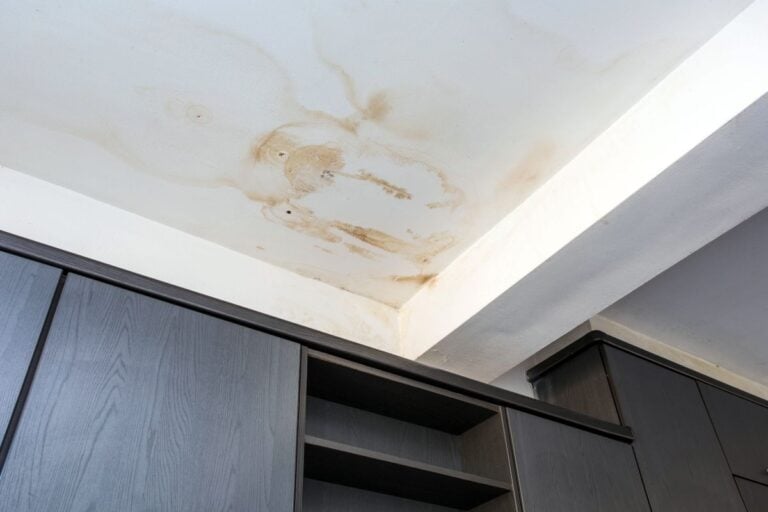
- Prevents hidden leaks: Compromised shingles let moisture in gradually, often without any visible warning until real damage appears inside the home.
- Preserves insurance eligibility: Many policies require an insurance claim to be filed within a set window after a storm, so early detection protects your case.
- Extends roof lifespan: Addressing hail damage promptly can prevent a roof from aging years ahead of schedule.
- Avoids costlier repairs later: A handful of damaged shingles is far less expensive to fix than significant damage that has spread across a full section of the roof.
Reviewing a detailed walkthrough of what hail damage typically looks like can help homeowners in Manassas and surrounding areas know exactly what to check for after the next storm passes through. Familiarity with these signs also makes it easier to communicate clearly with an inspector or your insurance company, and many local contractors offer a free roof inspection that can speed up the entire claims process considerably.
6 Signs Your Shingles May Have Hail Damage
Hail damage can look different depending on the size of the hailstones, the age of the roof, and the type of shingle involved. The following six signs are the most common indicators homeowners and inspectors look for after a storm.
1. Dents or Bruises on the Shingle Surface
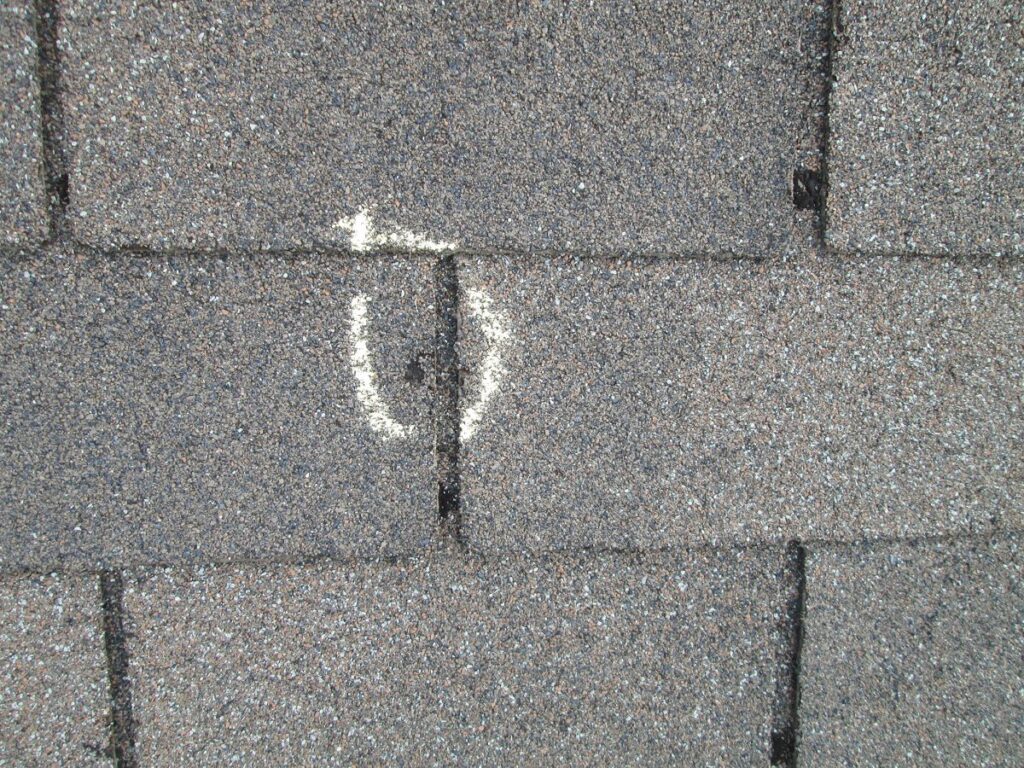
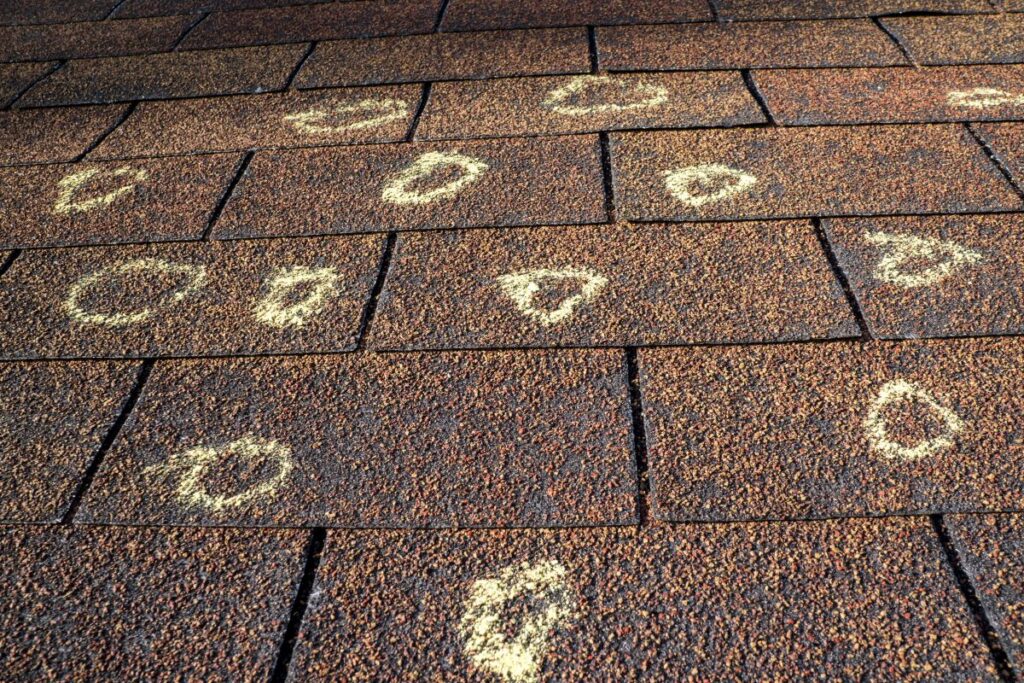
Hail often leaves small, round dents that feel slightly soft when pressed, and these bruised shingles are one of the most common results of a storm. Fresh dents may not be visible at first glance but can be felt by running a hand gently across the shingle surface, and how noticeable they are often depends on both hail size and wind speed during the storm.
- Look for circular impact marks scattered across the roof
- Check areas most exposed to the storm’s direction
- Feel for soft spots rather than relying on sight alone
2. Granule Loss
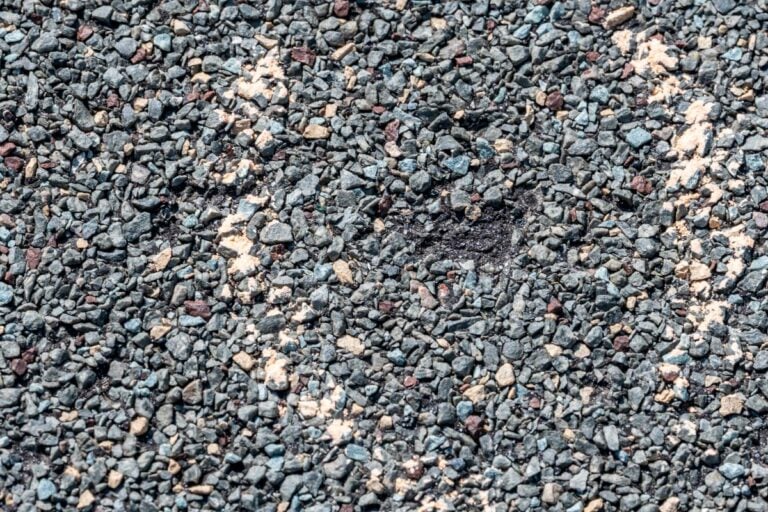
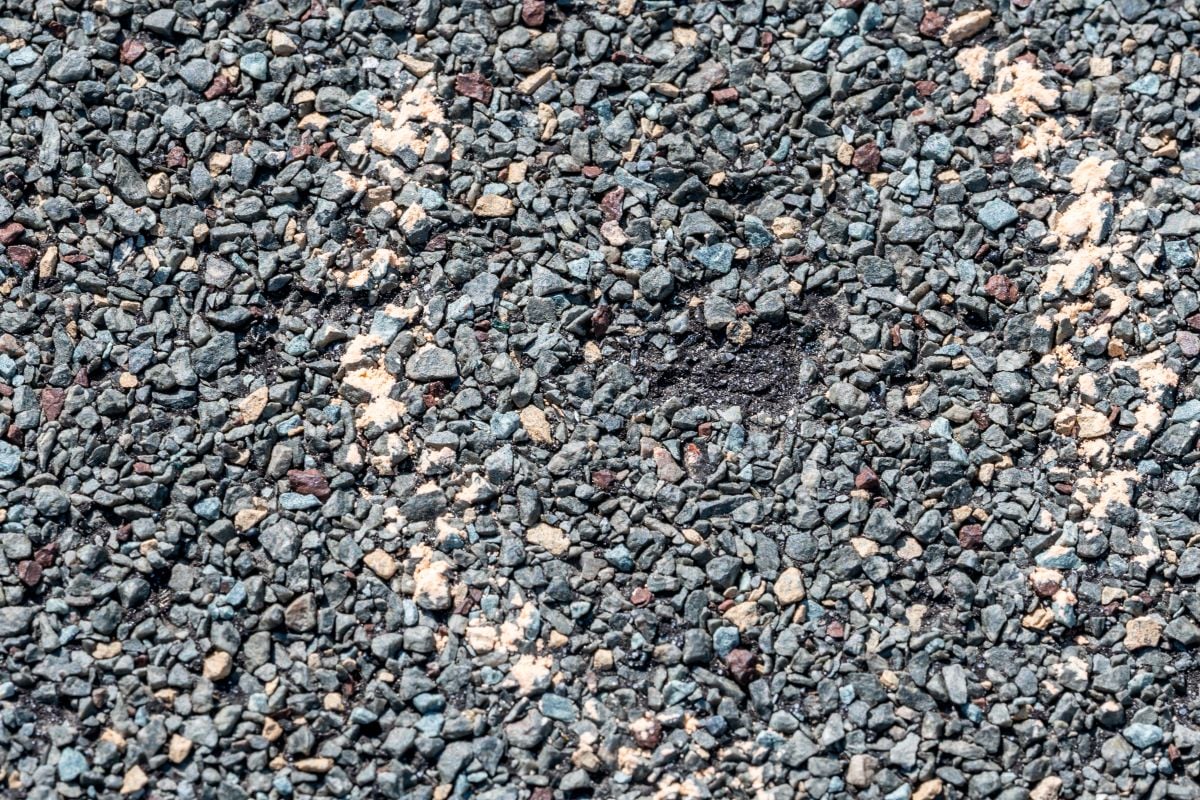
One of the clearest signs of hail impact is a loss of the protective granules that coat asphalt shingles, often leaving dark spots where the underlying asphalt is exposed. Homeowners often notice these missing granules collecting in gutters or at the base of downspouts after a storm.
3. Cracked or Split Shingles
Larger hailstones can crack a shingle outright, especially on roofs that are already a bit older and more brittle from years of sun exposure. This type of shingle damage often shows up as cracked shingles or even missing corners where a piece has broken away entirely, compromising the shingle’s ability to shed water and making it one of the more urgent signs to address quickly, since a single crack can widen significantly during the next heavy rain or freeze thaw cycle.
4. Exposed Fiberglass Mat
When granule loss becomes severe enough, the underlying fiberglass mat and asphalt beneath the shingle can become visible. This exposed layer is often considered functional hail damage rather than purely cosmetic, since it accelerates deterioration once it no longer has the protective coating designed to block UV rays and moisture.
- Shiny or dark patches where granules are completely gone
- Faster wear in that specific spot compared to surrounding shingles
- Increased vulnerability to further storm damage
5. Soft Spots When Walked On
A professional inspector walking the roof may notice areas that feel unusually soft or spongy underfoot, one of the more subtle warning signs of storm impact. This softness often indicates that the shingle mat has weakened from repeated hail impact, even if the surface still looks intact from a distance, which is exactly why a hands on inspection matters so much more than a quick look from the driveway.
6. Damage to Soft Metals Around the Roof
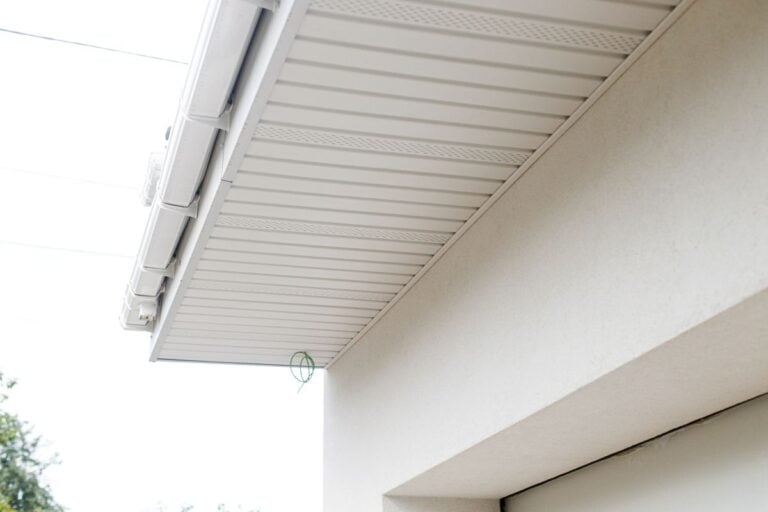
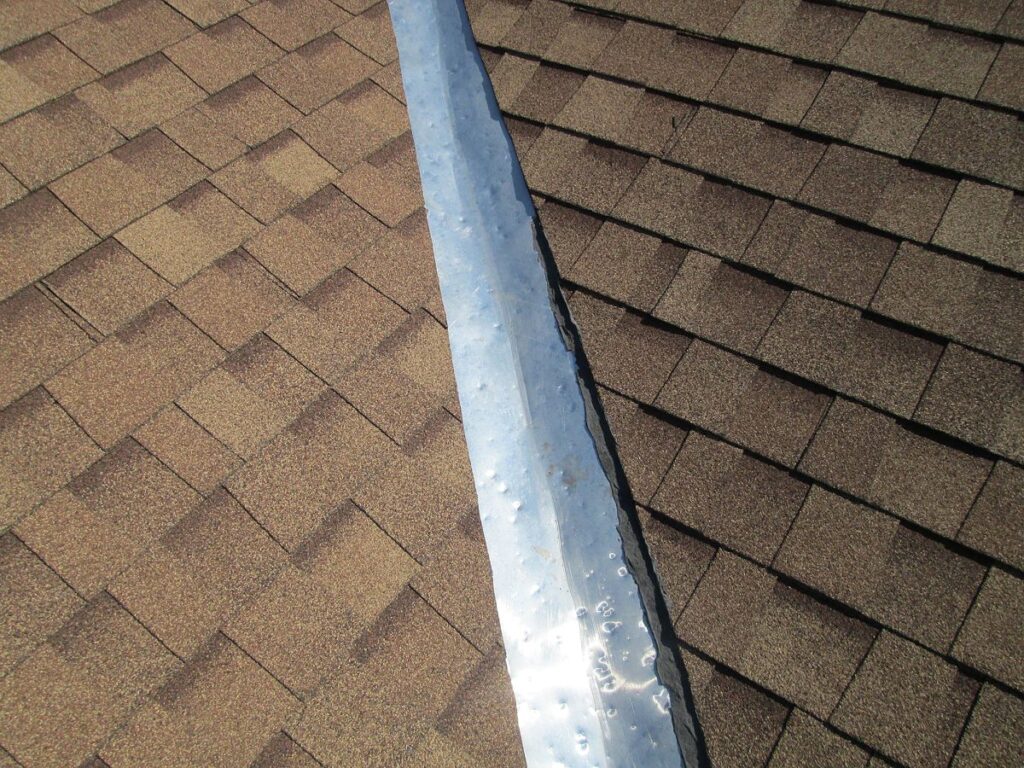
Hail damage is not limited to the shingles themselves. Metal vents, roof vents, flashing, and dented gutters are often made from softer materials that dent easily, and even window screens or vinyl siding on the sides of the home can show similar impact marks, making them a strong clue that the shingles nearby were likely affected as well.
Working through this list gives homeowners near Manassas and surrounding areas a solid starting point before calling in a professional. Because several of these signs are subtle or only visible up close, a trained inspector can often confirm what a homeowner already suspects but cannot fully verify from the ground when they first begin to suspect hail damage.
Why Hail Damage Looks Different Depending on Your Roofing Material
Not every roof responds to hail the same way, and understanding these differences helps set realistic expectations for an inspection. The material covering your home plays a significant role in both how visible any sustained hail damage will be and how urgently it needs attention.
- Asphalt shingles: Show granule loss, dark soft spots, and cracking, making them one of the more common materials affected by hail.
- Wood shingles: Tend to split with sharp edges or show splintering rather than the rounded bruising seen on asphalt.
- Metal roofing: Generally resists smaller hail well but can dent noticeably from larger stones, especially on softer metal panels.
- Tile or slate: Rarely dents but can crack or shatter individual pieces under a strong enough impact.
Understanding how your specific roofing material typically responds can help you know what questions to ask during an inspection. It also explains why two neighbors with the same storm exposure might end up with very different numbers of damaged roof shingles simply because their roofs are made from different materials.
Hail Damage Signs by Location: A Quick Comparison
Different parts of a home tend to show hail damage in distinct ways, and checking multiple areas gives a fuller picture than inspecting the roof alone. The table below breaks down what to look for in each common location.
| Location | What to Look For | Urgency Level |
| Shingles | Granule loss, dents, cracks | High |
| Roof deck and attic | Roof leaks, wet insulation | High |
| Gutters and downspouts | Dents, dislodged granules | Medium |
| Vents and flashing | Dents, cracked seals | High |
| Siding and window frames | Dings, chipped paint | Low |
| Outdoor AC units | Bent or dented fins | Medium |
Checking each of these locations after a storm builds a more complete case for whether a roof inspection is warranted. A dented AC unit or gutter alone might not confirm roof damage, but paired with other signs, such as wet insulation found in the attic, it strengthens the overall picture considerably.
Frequently Asked Questions About Signs of Hail Damage on Shingles
Homeowners often have specific questions once they suspect their roof has been affected by a storm. Here are answers to some of the ones we hear most often.
How soon after a hailstorm should I inspect my roof?
It is best to inspect for visible signs within a few days of the storm, and to schedule a professional inspection promptly since some insurance policies require damage to be reported within a limited window that varies by carrier. Homeowners in known hail alley regions who see frequent hail events should keep this timeline in mind every season.
Can hail damage be invisible from the ground?
Yes, many signs of hail damage, such as granule loss or bruising, are only noticeable up close or by touch, which is why a ground level look is rarely enough to rule out damage completely.
Does a small amount of granule loss really matter?
Yes, even minor granule loss exposes the shingle’s protective layer to UV rays and moisture, which can accelerate aging and eventually lead to leaks if left unaddressed.
Will my insurance cover hail damage repairs?
Most insurance companies cover hail as a named peril, though coverage depends on your specific policy, your deductible, and how promptly the damage is reported. Once you file hail claims with your insurance company, the insurance company sends an adjuster to confirm the damage before approving repair or roof replacement costs.
Do I need a professional inspection if I do not see obvious damage?
Yes, since many signs of hail damage are subtle, a professional inspection is the most reliable way to confirm whether your roof was affected, even when nothing looks wrong from the ground.
Should I be cautious of contractors who show up uninvited after a storm?
Yes, so called storm chasers sometimes go door to door after major hail events offering a free hail damage inspection, and while some are legitimate, it is safer to work with an established, professional roofing contractor who can properly identify hail damage and stands behind their work long after the storm has passed.
These answers should help you feel more confident about what to look for and when to call in help. Every roof and every storm is a little different, so when in doubt, an inspection is always the safer choice.
Let Springfield Roofing Inspect Your Roof After the Next Storm
Hail damage is easy to underestimate, but leaving it unaddressed almost always costs more in the long run than catching it early, especially once roof leaks begin after inclement weather. Homeowners throughout Manassas and surrounding areas trust Springfield Roofing to provide thorough, honest inspections after severe weather rolls through.
Our team knows exactly what to look for, from subtle granule loss to dented flashing, and we can help you understand whether your roof needs repair, partial replacement, or simply a bit of monitoring to prevent further damage. We’re happy to provide a free roof inspection so you know exactly where things stand. Contact us today to schedule an inspection and get a clear answer about the condition of your roof.