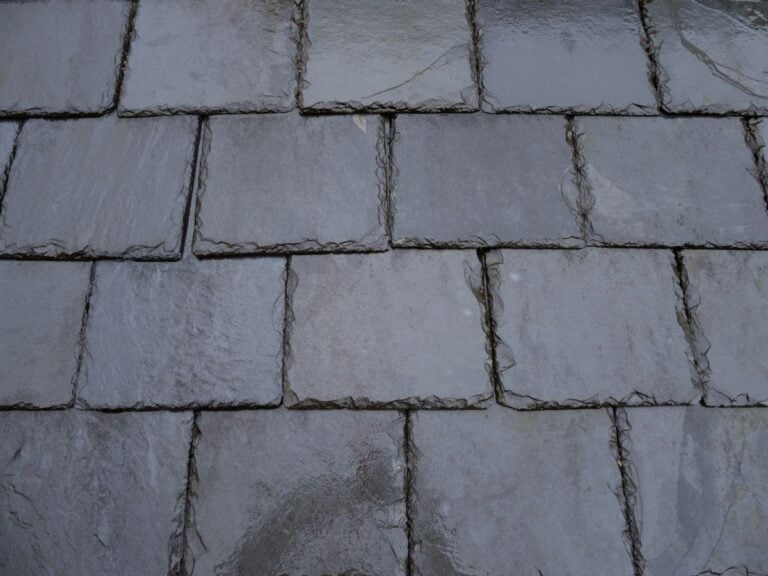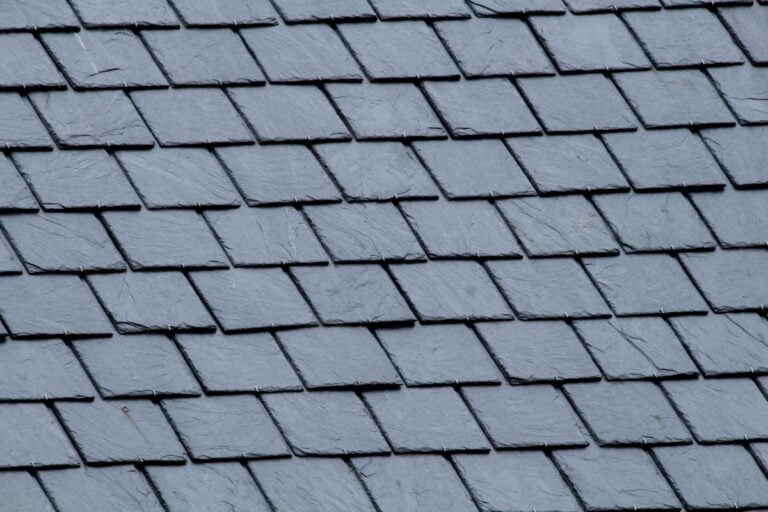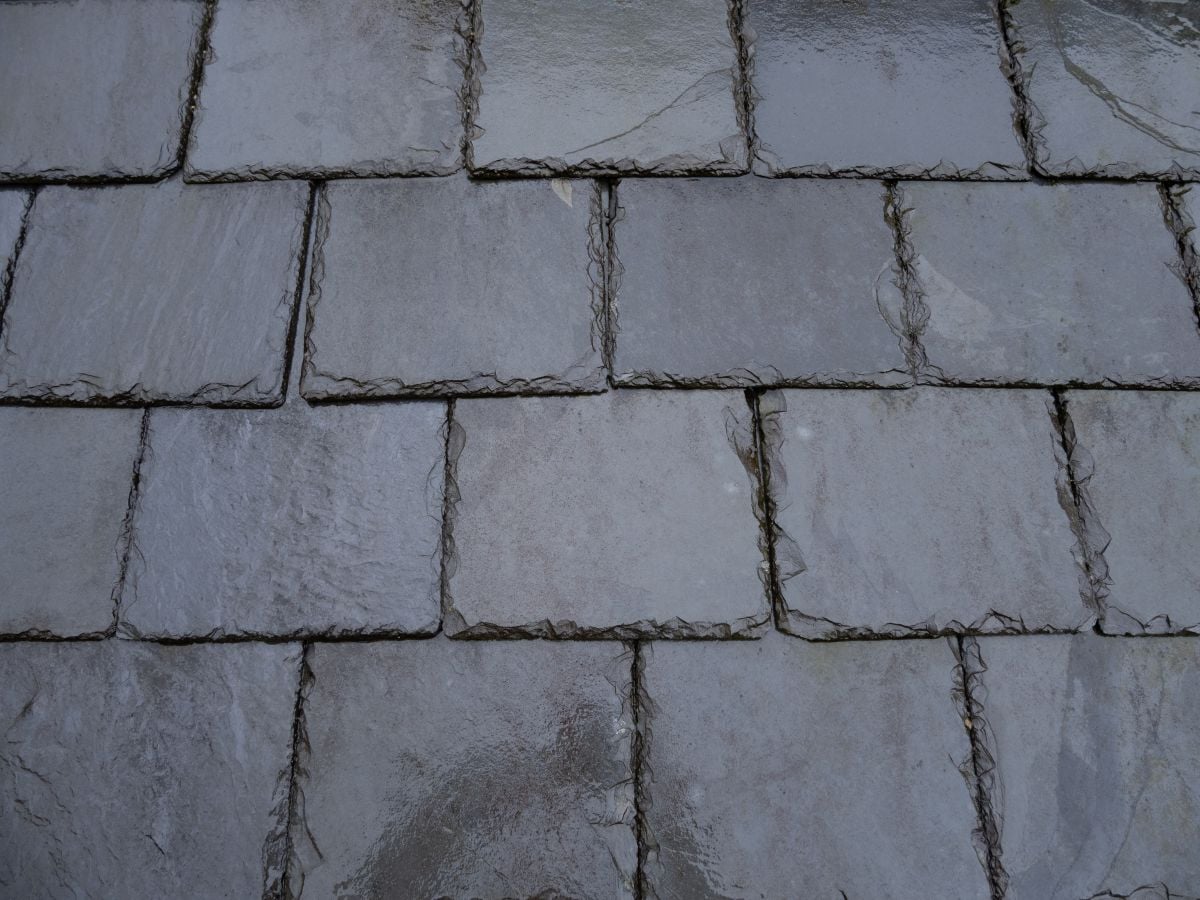
Slate, sometimes called natural roofing slate or slate shingles, is one of the most beautiful natural stone roofing materials available, but it’s also one of the heaviest, and that weight has real implications for your home’s structure. Knowing how much does a slate roof weigh before committing to the material helps you avoid costly surprises once a contractor evaluates your roof. Many homeowners begin exploring the range of premium roofing materials available for their home without realizing just how much this particular choice depends on structural readiness. This guide breaks down what determines slate’s weight and what your home needs to support it safely.
Here’s what you’ll take away from this guide:
- Why slate roof weight matters before you commit to the material
- The main factors that determine how much a slate roof actually weighs
- Signs your roof structure may need reinforcement
- How slate’s weight compares to other common roofing materials
Why Slate Roof Weight Matters
Slate’s weight isn’t just a technical detail buried in a spec sheet, it’s a factor that can determine whether your home is even a candidate for the material in the first place. Homeowners throughout Falls Church and surrounding areas often fall in love with slate’s appearance before realizing that most homes, especially those built decades ago, weren’t always constructed with this kind of load in mind, and that gap between expectation and structural reality can be a difficult surprise partway through planning.
- Protects structural safety: A roof structure that wasn’t designed for slate’s weight can be at risk of sagging or failure over time.
- Prevents costly surprises: Discovering a structural issue mid-project is far more expensive than identifying it during initial planning.
- Informs your budget: Reinforcement work, if needed, adds to the overall cost and should be factored in from the start.
- Guides material decisions: Understanding weight requirements helps you compare slate against lighter alternatives more fairly.
Taking slate’s weight seriously from the outset protects both your home and your investment. It also helps you approach the conversation with a structural engineer or roofing contractor with a high level of confidence, since you’ll already understand why weight comes up in the first place. Slate is prized for its natural sheen and its ability to complement home styles from brick to stucco, which is why so many homeowners consider it worth the added structural planning.
5 Factors That Affect How Much a Slate Roof Weighs
Slate roof weight isn’t a single fixed number, since several variables combine to determine the actual load your roof structure needs to support. Understanding these factors helps homeowners in Falls Church and surrounding areas get a more accurate picture of what their specific roof would weigh.
1. Slate Type and Origin
Different slate varieties, quarried from different regions, have naturally varying densities depending on their mineral composition. Some slate types run noticeably heavier than others, even at the same thickness, simply because of the stone’s inherent characteristics. Some of the most sought-after natural roofing slate in the United States comes from quarries in Virginia and Pennsylvania, and slate can range in color from classic gray to green, with either a smooth texture or a more rustic, textural finish.
- Slate density can vary meaningfully between quarries and regions
- Heavier slate types require more robust structural support
- A contractor familiar with your chosen slate type can provide more accurate weight estimates
2. Slate Thickness
Thicker slate tiles weigh more per square foot than thinner ones, and thickness is often chosen based on durability needs, regional style, and budget. Standard slate tiles, typically 3/16 to 1/4 inch thick, weigh about 7 to 10 pounds per square foot, or roughly 900 to 950 pounds per roofing square. Thicker slate can weigh 12 to 15 pounds or more per square foot, with half-inch slate reaching close to 18.70 pounds per square foot, or about 1,870 pounds per square. Across the full range, natural slate roofs can weigh anywhere from about 675 to 1,870 pounds per square depending on thickness.
- Quarter-inch slate weighs approximately 935 pounds per square, while half-inch slate can weigh close to 1,870 pounds per square
- Thicker slate offers greater durability but adds substantially to overall weight
- Standard and graduated thickness slate roofs will weigh differently even on the same size roof
- Thickness choices should be made with the roof structure’s capacity in mind
3. Total Roof Size
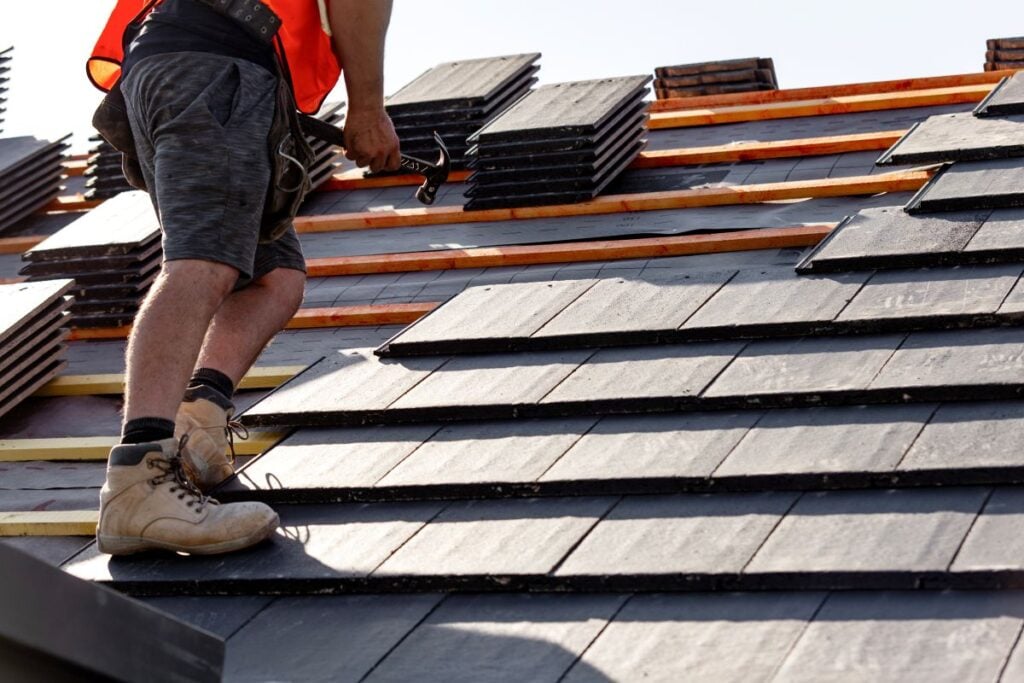
Since slate weight is calculated per roofing square, or per 100 square feet of slate coverage, the total square footage of your roof directly multiplies the load your structure needs to bear. A larger roof doesn’t just mean more material cost, it means substantially more weight distributed across the entire structure, which is why roof size is one of the first numbers any structural assessment will account for.
4. Underlayment and Battens
Slate installations typically require heavy-duty roofing felt or synthetic membranes, and sometimes wood battens, to properly support the tiles, and these additional materials add their own weight to the total load. A continuous and solid wood deck is also required for slate installations, which is another detail that adds to the overall structural picture beyond just the slate tiles themselves.
- Battens add weight but provide necessary support for slate installation
- Heavy-duty roofing felt or synthetic membranes contribute to the overall load
- These additions should always be included in structural weight calculations
5. Snow Load Additions
In regions that see significant snowfall, the weight of accumulated snow adds to the baseline weight of the slate roof itself, and structural calculations need to account for this combined load. Homes in snowier climates require a more conservative structural assessment than those in milder regions, since a roof that can handle slate alone might still struggle under slate plus a heavy, wet snow accumulation.
For context, standard residential roofs are typically designed to support a dead load of about 15 to 20 pounds per square foot, but slate roofs, once snow load and structural additions are factored in, can push requirements up to 25 to 50 pounds per square foot. Installing a slate roof requires careful engineering, premium materials, and experienced roofers, along with considerations related to roof pitch and proper water shedding. Structural reviews are essential before installing slate on any existing building, and an experienced slate roofing contractor can calculate these figures precisely for your specific home rather than relying on rough estimates.
Signs Your Roof Structure May Need Reinforcement
Before committing to slate, it’s worth understanding the warning signs that suggest your existing roof structure might not be ready to support the material without modification. Recognizing these signs early can save you from a difficult and expensive situation partway through a roofing project.
Visible Sagging
A roof deck or ridge line that already shows visible sagging is a clear sign that the structure is struggling with its current load, let alone the added weight of slate. This kind of sagging should be addressed and evaluated by a professional before any slate installation is considered.
Roof Age and Original Design
Older homes were often built with lighter roofing materials in mind, and their original framing may not have anticipated the possibility of a heavier material like slate being installed later. Knowing your home’s construction era and original roofing material can offer an early clue about whether reinforcement will likely be necessary, since homes originally built with asphalt shingles in mind often have lighter framing than those designed with heavier materials from the start.
Cracking or Shifting Interior Finishes
Cracks in interior ceilings or walls that seem to trace back to the roof structure can sometimes indicate existing stress on the framing, which would only be compounded by adding significant additional weight. These signs warrant a professional structural evaluation before moving forward with any heavy roofing material.
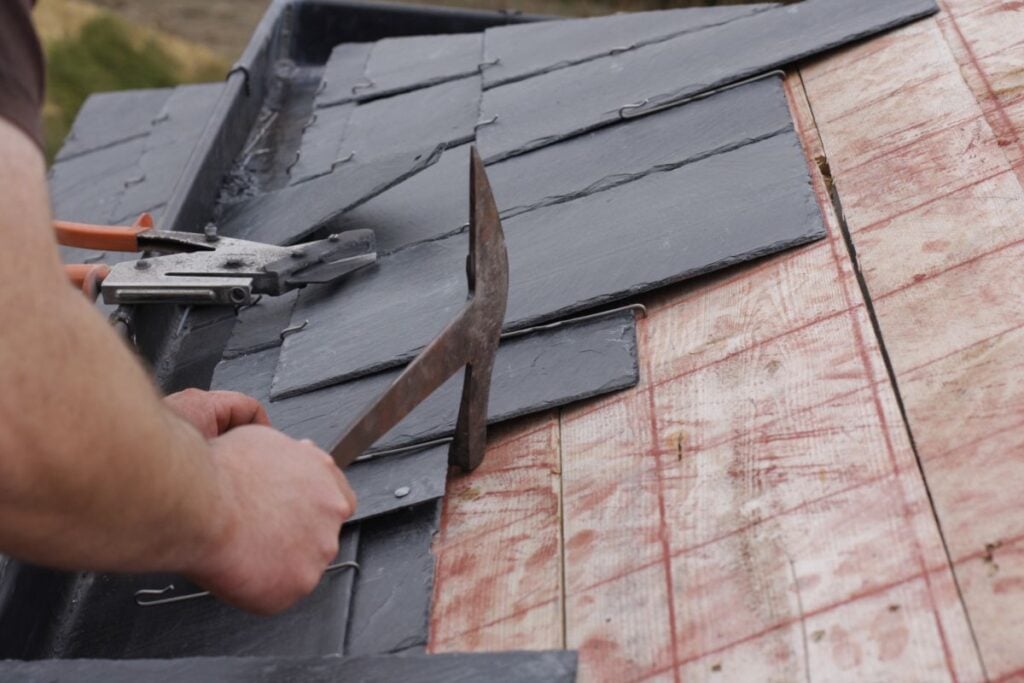
Recognizing these warning signs early gives you time to plan for reinforcement or reconsider your material choice before you’re committed to a specific direction. It’s also worth noting that individual slate tiles occasionally crack or split over time, a normal part of caring for this natural product, and experienced slate roofers can repair or replace individual tiles using specialized tools like a slate ripper and a slate punch without disturbing the surrounding roof.
Slate Weight vs Other Roofing Materials
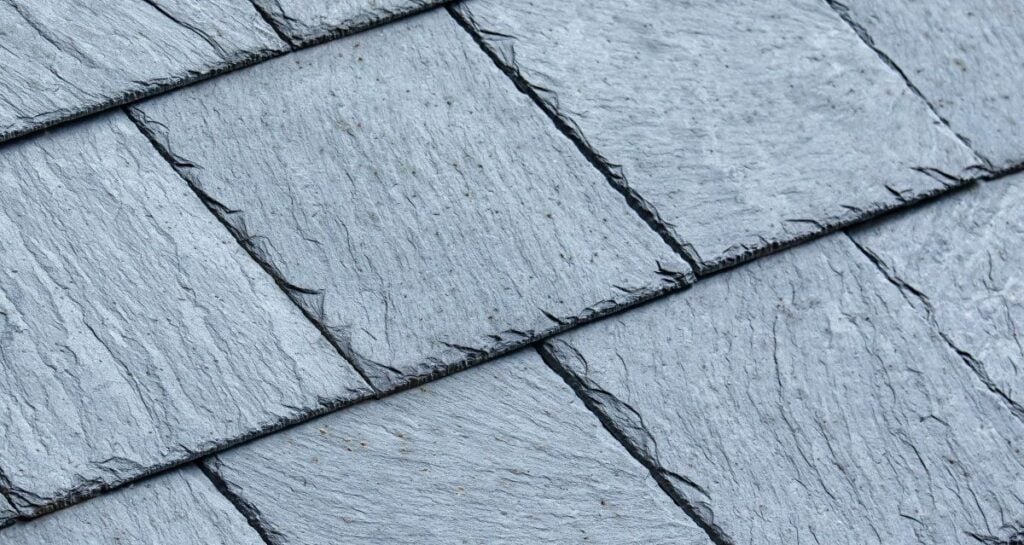
Understanding how slate’s weight compares to other common roofing materials helps put the structural conversation into perspective, and it also highlights just how durable slate is relative to nearly everything else on the market. Some homeowners are surprised by just how significant the difference can be once they see the range side by side, for example when comparing a lightweight asphalt shingle to genuine stone.
| Material | Weight per Square Foot | Typical Service Life |
| Natural slate | 7 to 20 pounds | 50 to 200+ years |
| Synthetic slate | 2 to 3 pounds | 40 to 50 years |
| Asphalt shingles | 2.5 to 4 pounds | 25 to 30 years |
| Clay or cement tile | 6 to 12 pounds | Up to 100 years |
| Metal roofing | 1 to 2 pounds | 40 to 70 years |
As the table shows, natural slate can weigh several times more than nearly every other common roofing material, which is exactly why structural evaluation is such a critical step before moving forward with the material. On average, a well-maintained slate roof can remain in service for a century or more, decades longer than most alternatives, and some slate roofs have lasted over 200 years, making it the longest lasting roofing option available. Given that natural slate installation can cost tens of thousands of dollars, with hard slate material alone often priced around $25 per square foot compared to $5 to $10 per square foot for synthetic slate, understanding the structural requirements upfront matters just as much as budgeting for the material itself.
Find Out If Your Roof Can Handle Slate
Understanding how much a slate roof weighs is essential before making a decision that affects both your home’s safety and your budget. Springfield Roofing has helped homeowners throughout Falls Church and surrounding areas evaluate whether their homes are ready for slate, and what it would take to get there if not.
Whether you’re set on natural slate or simply exploring your options, our team can assess your roof structure and give you an honest, accurate picture of what’s possible. We’ll walk you through the findings in plain language, explain any reinforcement that might be needed, and help you weigh your options clearly before you commit to a direction.
Don’t guess when it comes to your roof’s structural capacity. Contact us today to schedule an assessment and find out what your home can truly handle.