A commercial roof is one of the most important investments a business owner will make, yet it’s often overlooked until a problem becomes impossible to ignore. Knowing the signs your commercial roof needs replacement can save facility managers and property owners from costly emergency repairs, tenant complaints, and interrupted operations. Many property owners eventually turn toward long-term protection for their building’s exterior once small issues start piling up on their commercial building. This guide breaks down exactly what a professional roofing contractor looks for so you can plan ahead with confidence.
Here’s what you’ll take away from this guide:
- The most common signs that indicate your roof is failing
- Why ignoring these issues can lead to bigger, more expensive problems
- How to tell the difference between a simple repair and a full replacement
- What steps to take once you suspect your roof has reached the end of its life
Why Commercial Roof Condition Matters More Than You Think
Your roof does more than keep rain out. It protects your inventory, your equipment, your employees, and your roof’s integrity as part of the building’s overall structure, which means a failing roof can quietly put your entire operation at risk. For business owners in Great Falls and surrounding areas, understanding your roof’s condition often reveals disruptions that go far beyond a simple leak.
- Protects your bottom line: Water damage to inventory, equipment, or interior finishes can cost far more than a planned roof replacement.
- Preserves property value: A roof in poor condition can significantly lower your building’s resale or lease value.
- Reduces liability risk: Structural issues caused by roof failure can create safety hazards for employees, tenants, and visitors.
- Maintains energy efficiency: An aging roof often allows air leaks that drive up heating and cooling costs.
Recognizing these risks early and scheduling routine maintenance can prevent costly repairs before a minor issue turns into a major disruption. Well maintained roofs typically last longer and cost less over the life of the building, helping business owners avoid the scramble that comes with emergency repairs.
7 Warning Signs Your Roof Is Nearing the End of Its Life
Many commercial roofs show warning signs long before they fail completely, and learning to spot them early can make the difference between a manageable repair and a costly emergency. Below are the most common indicators property owners in Great Falls and surrounding areas should watch for throughout the year.
1. Persistent Leaks and Water Stains
A single leak might be a quick fix, but recurring roof leaks in different areas of the building usually point to a roofing system that has broken down at multiple points. A leaky roof rarely stays contained to one spot, and water stains on ceilings, walls, or support beams are often the first visible clue that something more serious is happening above.
- Leaks that reappear after repairs
- Stains that spread or darken over time
- Mold growth or mildew growth developing near affected areas
2. Visible Sagging or Ponding Water
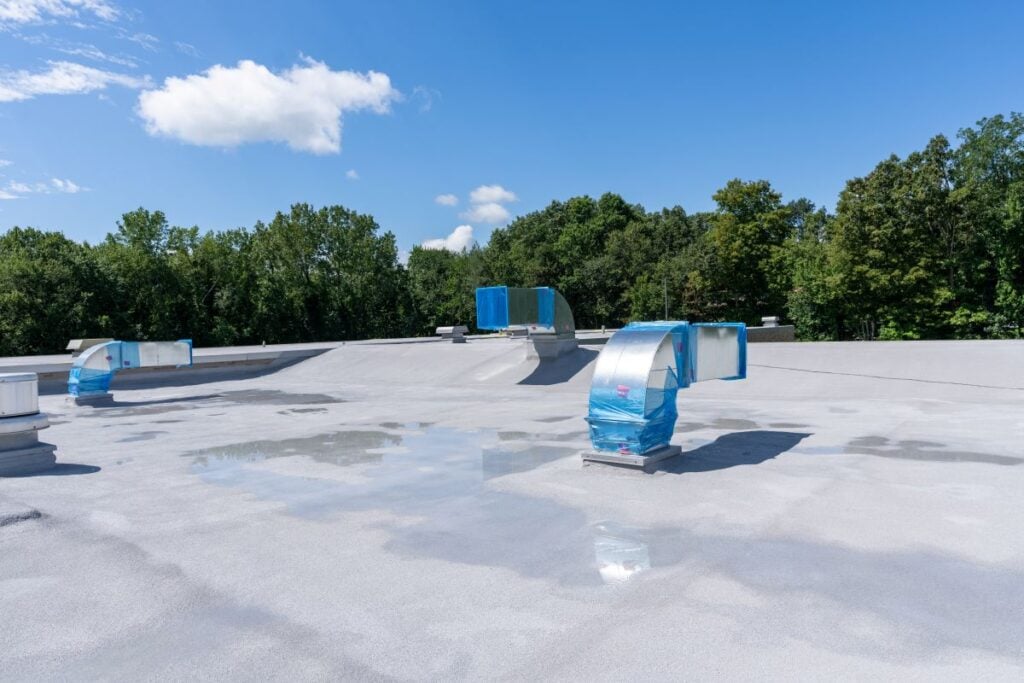
A roof deck should remain flat and structurally sound, so a sagging roof or any noticeable dipping is a red flag that shouldn’t be ignored. Standing water that lingers for more than 48 hours after rainfall often points to poor drainage or a roof’s drainage system that’s no longer functioning properly, and the added weight can accelerate membrane deterioration if left unaddressed.
3. Cracked, Blistered, or Deteriorated Roofing Membrane
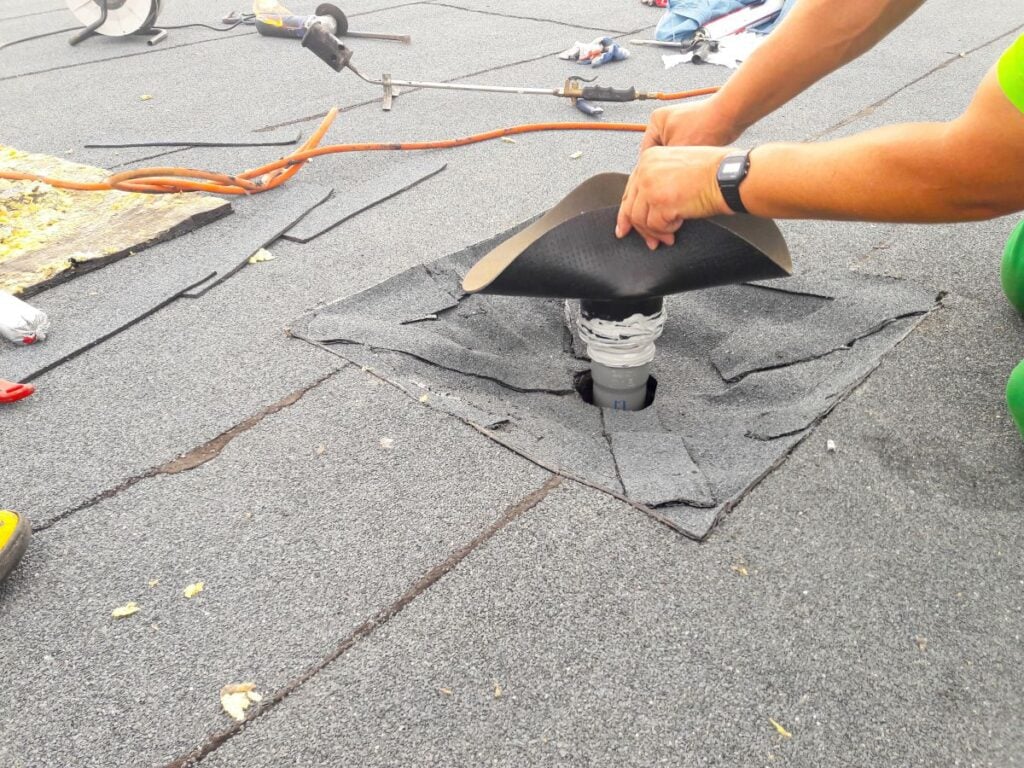
The roof membrane is your building’s primary defense against the elements, and once it starts cracking, blistering, or splitting, its ability to protect the roof surface is seriously compromised. This kind of wear is common on aging roofs with flat and low-slope designs that have been exposed to years of temperature swings and UV exposure, though it sometimes traces back to poor installation rather than age alone.
- Bubbling or blistering across large sections
- Brittle or cracked seams, or damaged shingles and broken shingles on sloped sections
- Membrane that feels soft or spongy underfoot
4. Rising Energy Bills
If your heating and cooling costs have crept upward without an obvious explanation, your roof may be to blame. Deteriorated insulation and damaged roofing materials allow conditioned air to escape, forcing your HVAC system to work harder than it should.
5. Frequent, Costly Repairs
At some point, the cost of ongoing commercial roof repair starts to outweigh the value it provides. If you find yourself scheduling frequent repairs multiple times a year, it’s usually a sign that a string of minor repairs is masking a bigger underlying problem.
- Repeated repairs to the same section of roof
- Rising repair costs year over year
- Contractors recommending replacement rather than patching
6. Roof Age Beyond Its Expected Lifespan
Most commercial roofing systems are built to last between 15 and 30 years depending on the roofing material, and once a roof approaches or exceeds that range, the risk of failure increases significantly for older roofs in particular. Even a roof that looks fine on the surface can be hiding age-related wear that shortens your roof’s lifespan and isn’t visible until a professional roof inspection is performed.
7. Visible Damage After Severe Weather
High winds, hail, and heavy storms can cause damage that isn’t always obvious from ground level. Damaged flashing, torn membrane sections, or debris punctures can create vulnerabilities that need immediate repair, especially for buildings throughout Great Falls and surrounding areas that see seasonal weather extremes.
Spotting even one of these signs is a good reason to schedule regular inspections rather than waiting for the problem to escalate. Catching roof failure early gives you more control over timing, budget, and the overall scope of the project.
Understanding the True Cost of Waiting
Delaying a necessary commercial roof replacement rarely saves money in the long run, even though it might feel like the more affordable option in the moment. The longer a failing roof is left in place, the more opportunities there are for water intrusion to spread into insulation, decking, and interior spaces, turning a manageable problem into extensive damage.
Hidden Structural Damage
Once water gets past the roofing membrane, it can travel along structural components before ever showing up as a visible leak inside the building. By the time staining appears on a ceiling tile, the damage may already extend into the roof deck and compromise the roof’s structure.
Increased Repair Frequency
A roof that’s already deteriorating tends to need more frequent roof repairs as new problem areas emerge. This cycle of ongoing repairs often ends up costing more than a single planned replacement would have.
Business Interruption Risk
Water damage doesn’t just affect the building. It can damage inventory, disrupt daily operations, and in some cases force a temporary shutdown while repairs are completed. For businesses that rely on consistent uptime, an unplanned closure can be far more expensive than the roof itself.
- Lost productivity: Employees may be unable to work safely in affected areas.
- Damaged inventory or equipment: Water intrusion can ruin stock, electronics, or documents.
- Tenant dissatisfaction: Commercial tenants expect a dry, safe space and may push back on lease renewals if issues persist.
The Upside of Replacing Sooner
Replacing a failing roof isn’t only about stopping damage. It’s also a chance to upgrade to modern roofing materials, including reflective coatings that reduce heat absorption and ease the load on your cooling systems throughout the warmer months. These upgrades can lower your building’s environmental footprint while improving comfort and energy costs year-round.
Understanding these downstream costs helps put the price of a replacement into proper perspective. What looks like a big expense upfront is often the more economical choice once you account for everything a failing roof can put at risk.
Repair or Replace: How to Make the Right Call
Not every roofing issue requires a complete replacement, and knowing how to tell the difference can help you avoid spending money on the wrong solution. Deciding when to replace a commercial roof usually comes down to the age of the roof, the extent of the damage, and how much longer you need the system to perform reliably.
| Factor | Points to Repair | Points to Replacement |
| Roof age | Under 10 years old | Near or past expected lifespan |
| Leak pattern | Isolated, single location | Recurring across multiple areas |
| Membrane condition | Minor wear, localized damage | Widespread cracking or blistering |
| Repair history | First or second repair | Repeated repairs within a short span |
| Energy performance | Stable utility costs | Noticeable, unexplained increases |
If your situation lines up mostly with the left column, a targeted repair may extend the life of your current roof for several more years. If it leans toward the right column, a complete roof replacement is typically the more cost-effective path forward, even though it requires a larger upfront investment.
A professional roof inspection remains the most reliable way to determine which category your roof falls into, but it’s a job best left to a reputable contractor. An experienced commercial roofing contractor can assess the full scope of damage and give you a realistic picture of what to expect, whether that means a repair plan or a full replacement timeline.
Ready for a Roof You Can Rely On?
A commercial roof in decline puts your building, your tenants, and your daily operations at unnecessary risk, which is why acting on these warning signs sooner rather than later makes such a difference. Springfield Roofing is a trusted roofing contractor that has helped countless property owners throughout Great Falls and surrounding areas navigate this exact decision with clear, honest guidance every step of the way.
Whether you’re noticing a few early warning signs or you already know your roof is due for an upgrade, getting a professional opinion is the best next step. Our team can walk you through an inspection, explain your options in plain language, and help you plan a new commercial roof that fits your timeline and budget. Every business deserves a reliable roof it can count on for years to come.
Don’t wait until a small issue becomes a major disruption to your business. Contact us today to schedule an inspection and get a clear picture of whether your building needs a new roof.