The short answer to “how often should a metal roof be replaced” is far less often than most homeowners expect, with quality standing seam systems commonly lasting 40 to 70 years and sometimes exceeding 100 years for premium materials like copper or zinc. Homeowners in McLean and surrounding areas switching from asphalt to metal often assume they’re on a similar replacement schedule, but metal roofing operates on a completely different timeline. That said, “how long” isn’t the whole answer, because different metal types, coatings, and installation methods have very different expected lifespans. This guide walks through realistic replacement expectations, the factors that shorten or extend metal roof life, and the specific signs that mean your metal roof is actually reaching end of life.
- Realistic lifespan: 40 to 70 years for standing seam steel and aluminum systems.
- What varies it: Metal type, coating quality, installation method, and climate.
- Replacement signs: Widespread rust, seam failure, coating breakdown, and structural damage.
How Long Do Different Metal Roofs Actually Last?
Different metal roofing systems have significantly different lifespans, so the first step in answering the replacement question is knowing what type you have. The gap between the shortest and longest-lived options is decades.
What’s the Real Lifespan of Standing Seam Metal Roofs?
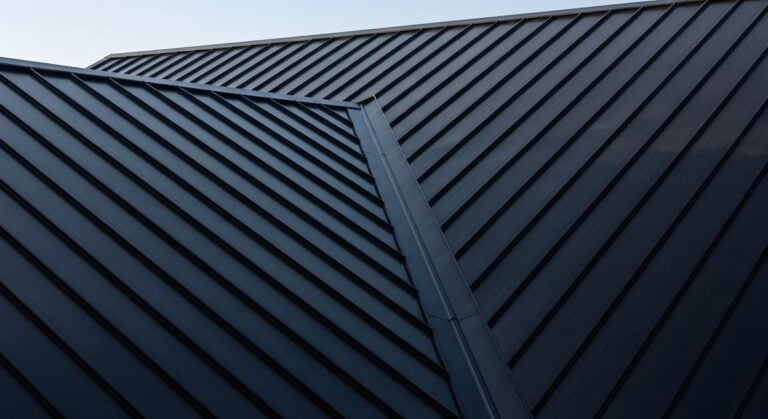
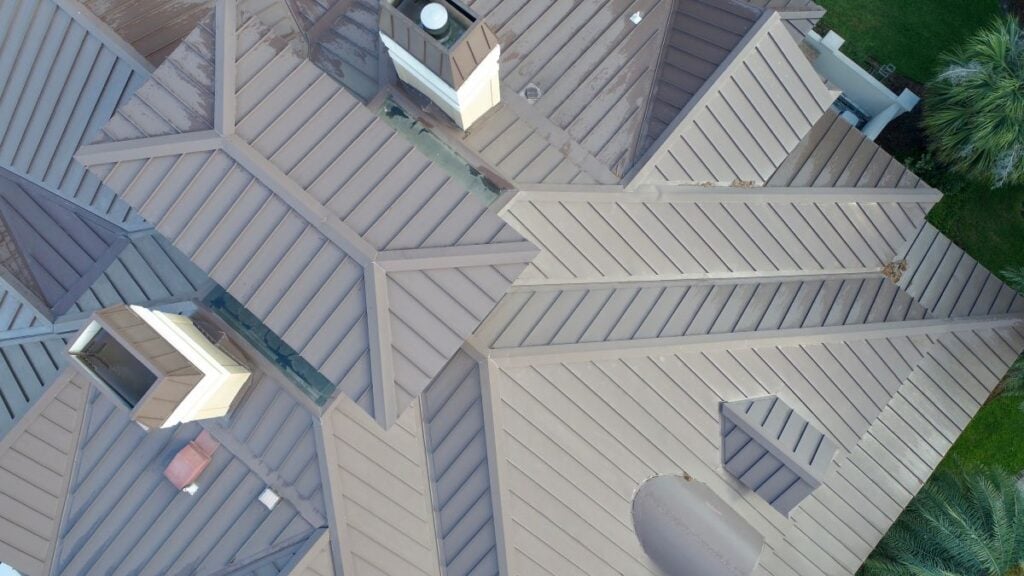
Standing seam metal roofs typically last 40 to 70 years for steel and aluminum systems, with premium copper and zinc versions often reaching 100 years or more. The panels themselves rarely fail; what usually reaches end of life first is the sealant at seams and around penetrations, followed by fasteners and the coating. Homes in McLean and surrounding areas with quality Galvalume-coated steel standing seam roofs installed today can realistically expect 50 or more years of service before replacement becomes necessary. Copper standing seam is one of the longest-lived materials in building construction, with documented service lives well over a century in favorable conditions. The specific numbers depend on installation quality, coating type, and climate.
- Galvalume steel standing seam: 40 to 70 years typical.
- Aluminum standing seam: 40 to 60 years, especially in humid climates.
- Copper standing seam: 100+ years documented in favorable conditions.
- Zinc standing seam: 60 to 100 years with proper installation.
How Long Do Exposed-Fastener Metal Roofs Last?
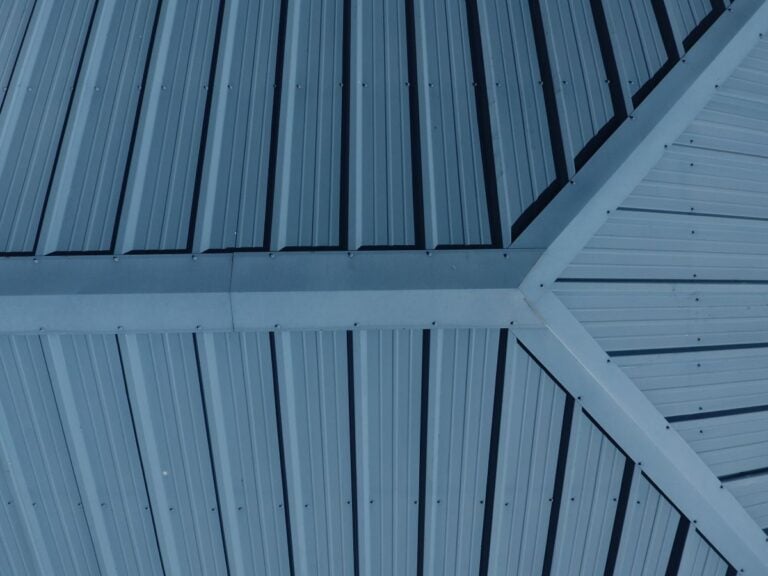
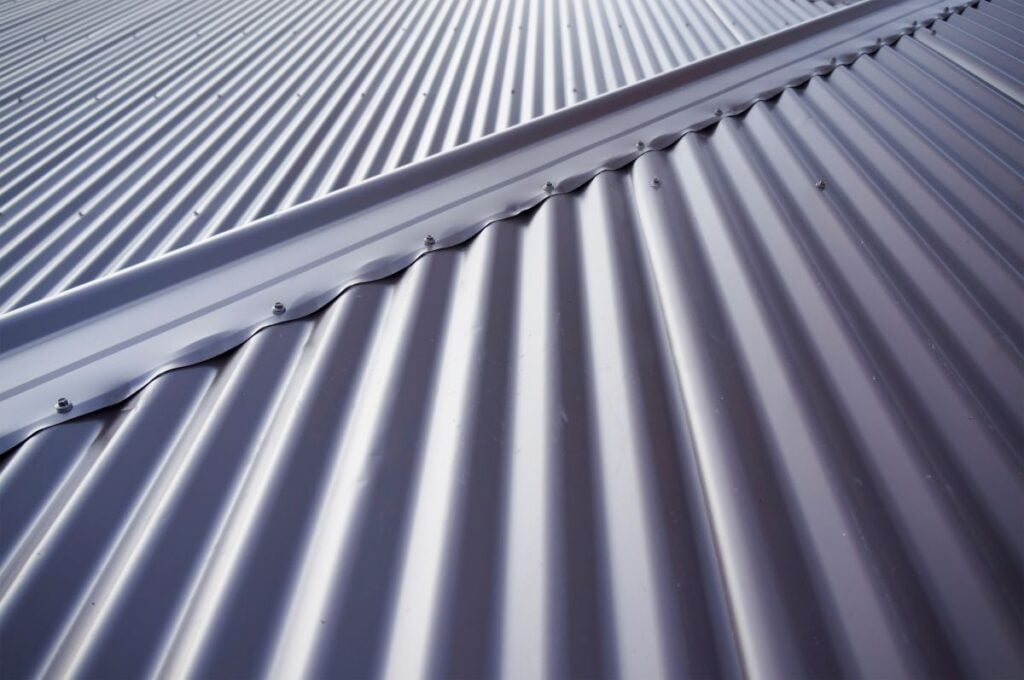
Exposed-fastener metal roofs (also called screw-down or corrugated panel systems) last significantly less than standing seam, typically 20 to 30 years before replacement becomes necessary. The shorter lifespan comes from the thousands of exposed screws that hold the panels down, each with a rubber gasket that deteriorates from sun and weather. Gaskets typically start failing at 10 to 15 years, requiring re-screwing or replacement to prevent leaks. Homeowners in McLean and surrounding areas with older barn-style or budget metal roofs often have exposed-fastener systems and shouldn’t assume the 50-plus year lifespan common to standing seam. These systems can also be re-screwed several times to extend life, but eventually the panel edges and holes wear out.
- Screw-down panels: 20 to 30 years typical service life.
- Gasket failure: Rubber washers begin failing at 10 to 15 years.
- Re-screwing: Can extend life 5 to 10 years per cycle.
- Full replacement: Usually needed when panel edges or holes wear out.
4 Factors That Determine When Your Metal Roof Needs Replacement
Four specific factors control the actual replacement timeline for any metal roof. Knowing which ones apply to your home helps set realistic expectations.
1. Metal Type and Coating Quality
Metal type and coating quality set the ceiling on how long a metal roof can last, and choices made at installation determine most of the outcome. Galvalume-coated steel is the most common residential choice because it balances lifespan and cost, while pure aluminum resists rust better in coastal environments but costs slightly more. Premium metals like copper and zinc develop natural protective patinas that extend service life for generations. Coating type matters just as much: PVDF (Kynar 500) finishes hold their color and integrity for 30-plus years, while SMP (silicone-modified polyester) coatings often fade or chalk at 15 to 20 years. Homeowners in McLean and surrounding areas should ask what specific metal and coating are on their roof to gauge remaining life.
- Galvalume steel: 55% aluminum-zinc alloy coating adds decades of life.
- Kynar 500 (PVDF): Premium coating with 30+ year color warranty.
- SMP coating: Budget alternative with shorter color life.
- Pure metals: Copper and zinc develop protective patinas.
The Metal Construction Association’s Service Life Assessment study, based on field inspections of 14 low-slope 55% aluminum-zinc alloy-coated steel standing seam roofs with up to 35 years of service across the United States, concluded that the expected service life of a similar roof installed today using best practices can be expected to exceed 60 years, with butyl sealant life being the deciding factor in establishing end-of-life for these roof systems.
2. Installation Quality and Fastening Method
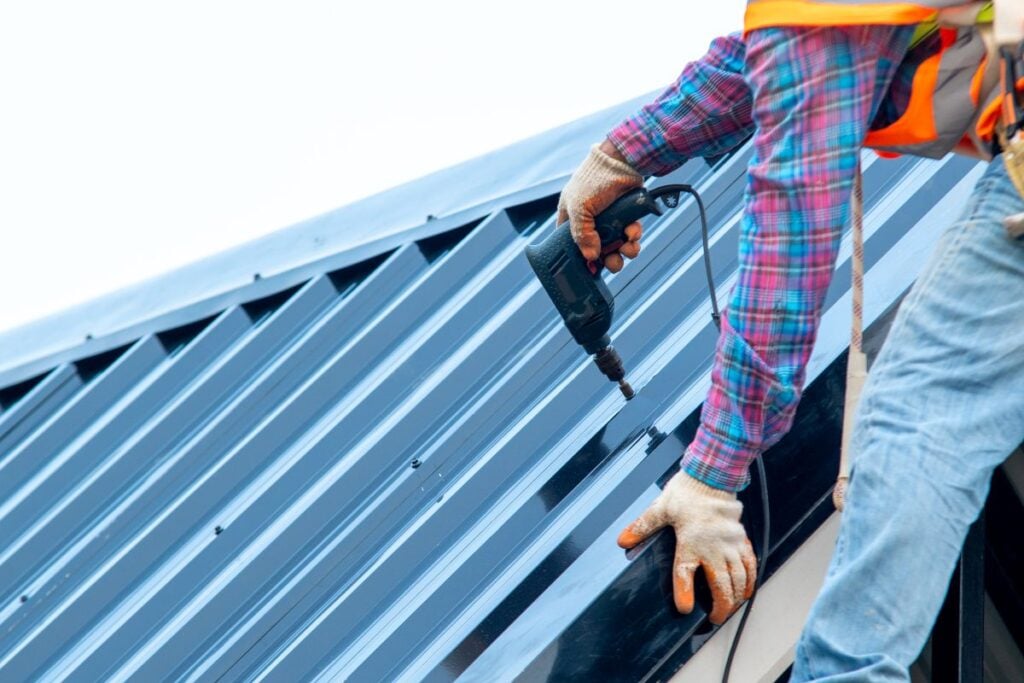
Installation quality has an outsized effect on metal roof lifespan because even the best materials fail early when installed poorly. Improperly attached panels can lift in high winds, misaligned seams can leak, and wrong fasteners can corrode and pull free years before the metal itself would fail. Standing seam systems use hidden clips that let panels expand and contract with temperature, while exposed-fastener systems use screws directly through the panels. The National Roofing Contractors Association estimates that up to 40% of roofing issues result from improper installation, which means the contractor matters as much as the material. Homeowners in McLean and surrounding areas should verify contractor credentials and manufacturer certifications before installing metal.
- Standing seam clips: Allow thermal expansion, extending panel life.
- Wrong fasteners: Can corrode and fail decades early.
- Underlayment quality: High-temp synthetic underlayment lasts as long as the metal.
- Installer certification: Manufacturer-certified installers deliver the longest results.
3. Climate and Environmental Exposure
Climate and environmental exposure affect how quickly metal roofs age, with coastal salt air, industrial pollution, and severe weather all shortening lifespan. Salt air can reduce metal roof life by 15 to 20% in coastal areas unless the metal is specifically rated for coastal use (like marine-grade aluminum). Acid rain in urban environments can degrade coatings faster than in rural areas. Freeze-thaw cycles and hail impacts also age metal, though metal handles both better than asphalt shingles. Homes in McLean and surrounding areas with moderate mid-Atlantic weather see metal roofs land near the higher end of typical lifespan ranges, since Northern Virginia lacks the coastal or extreme conditions that shorten metal life elsewhere.
- Coastal exposure: Salt air shortens metal roof life 15 to 20%.
- Industrial pollution: Acid rain degrades coatings faster.
- Severe weather: Hail and wind stress accumulate over years.
- Moderate climates: Northern Virginia weather supports higher end of lifespan.
4. Maintenance and Repairs Over the Years
Maintenance and repairs performed (or skipped) over the years determine whether a metal roof hits the low end or high end of its expected life. Metal roofs need less maintenance than asphalt, but they still benefit from annual inspections, sealant touch-up around penetrations, occasional re-fastening of loose screws, and cleaning of debris that can trap moisture. Small problems like a lifted seam or a failing sealant joint that get caught early stay small, while the same issues left unaddressed can compromise the entire system over time. Homeowners in McLean and surrounding areas who work with reputable contractors for annual metal roof maintenance typically extend the useful life by 10 to 20 years compared to no maintenance at all.
- Annual inspections: Catch small problems before they become big.
- Sealant touch-up: Butyl and polyurethane sealants need refresh every 15 to 20 years.
- Debris removal: Leaves and dirt trap moisture against metal.
- Fastener checks: Loose screws re-tightened as needed.
What Signs Show Your Metal Roof Actually Needs Replacement?
Even a well-maintained metal roof eventually reaches end of life. Recognizing the real signs (as opposed to cosmetic issues that can be addressed with maintenance) helps homeowners plan replacement on their own schedule.
What Are the Clearest End-of-Life Signs?
The clearest end-of-life signs for a metal roof include widespread rust penetrating through the panels, seam failures across multiple sections, coating breakdown to bare metal, structural damage from severe weather, and multiple leaks from different locations. Panels with rust holes are past repair, while surface staining or minor rust spots can often be treated. Seam failure in one spot may be a repair, but seam failures across the roof point to systemic problems. Widespread coating loss where the metal underneath is fully exposed also signals replacement. Multiple unrelated leaks tell you the roofing system as a whole is failing, not just one component.
- Rust penetrating through: Holes in panels are past repair.
- Widespread seam failure: Multiple sections leaking or lifting.
- Coating fully worn: Bare metal exposed across large areas.
- Multiple leak sources: Systemic failure rather than one problem area.
What Signs Look Serious but Aren’t?
Some signs on metal roofs look concerning but don’t actually require replacement, and knowing the difference saves homeowners from unnecessary work. Surface staining, chalking, and fading are all cosmetic and can often be addressed with cleaning or repainting rather than replacement. Individual dented panels from hail can be replaced without doing the whole roof. Small rust spots on Galvalume-coated steel are common and often self-healing due to the coating’s chemistry. Loose screws on exposed-fastener systems can be re-tightened or replaced. A reputable contractor in McLean and surrounding areas will tell homeowners honestly which issues warrant repair versus replacement, rather than upselling a full re-roof when maintenance would work.
- Surface staining: Usually cleanable, not a replacement issue.
- Chalking or fading: Coating-level cosmetic problem.
- Individual dents: Panel replacement, not full roof.
- Loose fasteners: Re-tightening extends life significantly.
Frequently Asked Questions
Can a metal roof last 100 years?
A metal roof can last 100 years or more if it’s made of copper or zinc with quality installation and maintenance. Standing seam steel and aluminum systems typically top out at 60 to 70 years even under favorable conditions. Most homeowners installing metal today can realistically plan for their roof to outlast their ownership of the home.
How can I tell what type of metal roof I have?
You can identify your metal roof type by looking at how the panels are attached. Standing seam has raised vertical seams and no visible screws in the field of the roof. Exposed-fastener systems have visible screws in rows across the panel surface. Color and profile also help identify specific brands and coatings, and a qualified roofer can inspect and confirm.
Do metal roofs need to be replaced after 25 years like asphalt?
No, metal roofs do not need to be replaced on the same 20-to-30 year timeline as asphalt shingles. Standing seam metal typically lasts 40 to 70 years, sometimes exceeding 100 years for premium metals. Only exposed-fastener systems have shorter lifespans in the 20-to-30 year range.
What causes a metal roof to fail earlier than expected?
Metal roofs fail early most often because of improper installation (wrong fasteners, poor seam work), environmental factors (coastal salt or acid rain), and neglected maintenance. Poor installation is the biggest factor, so choosing a certified contractor is critical. Regular inspections catch most issues while they’re still small.
Can a metal roof be repaired instead of replaced?
Yes, most metal roof problems can be repaired rather than requiring full replacement. Individual damaged panels can be replaced, seams can be resealed, coatings can be renewed, and fasteners can be tightened or replaced. Full replacement is typically only needed when problems are widespread across the roof or the underlying substrate has failed.
How often should I have my metal roof inspected?
Metal roofs should be professionally inspected once a year, plus after any major storm. Annual inspections catch small problems like loose fasteners, failed sealants, or minor coating issues before they cause bigger damage. Most reputable contractors offer free annual inspections for metal roofs, which typically pay for themselves many times over.
Choose Springfield Roofing & Sheet Metal for Metal Roof Expertise
When homeowners ask how often should a metal roof be replaced, the answer usually depends on the specific system installed and how well it’s been maintained, and having a knowledgeable contractor makes all the difference. Springfield Roofing & Sheet Metal is a 1st and 2nd generation family-owned and operated company serving McLean and surrounding areas with a dedicated in-house crew, full labor and material warranties, and CertainTeed 5-Star Select Shingle Master certification. Our sheet metal expertise runs deep, and we provide free honest assessments of existing metal roofs to help homeowners decide whether repair, maintenance, or replacement makes the most sense. Contact Springfield Roofing & Sheet Metal today for a free estimate and get straight answers about your metal roof’s condition and remaining service life.