TPO roofing, short for thermoplastic polyolefin, is a popular single ply membrane choice for commercial properties thanks to its energy efficiency and durability, but even the toughest membrane on a flat roof can develop problems over time. Knowing how to approach tpo roof repair early can mean the difference between a quick fix and a much larger project down the road for your commercial roof. Many property owners eventually reach out to a team experienced with low-slope membrane systems once seams start to lift or small punctures appear on their existing TPO. This guide breaks down the most common problems and what it takes to fix them properly.
Here’s what you’ll take away from this guide:
- Why timely TPO repairs matter for your building’s protection
- The most common problems that affect TPO roofing systems
- Best practices that help repairs last longer
- How to decide between a repair and a full replacement
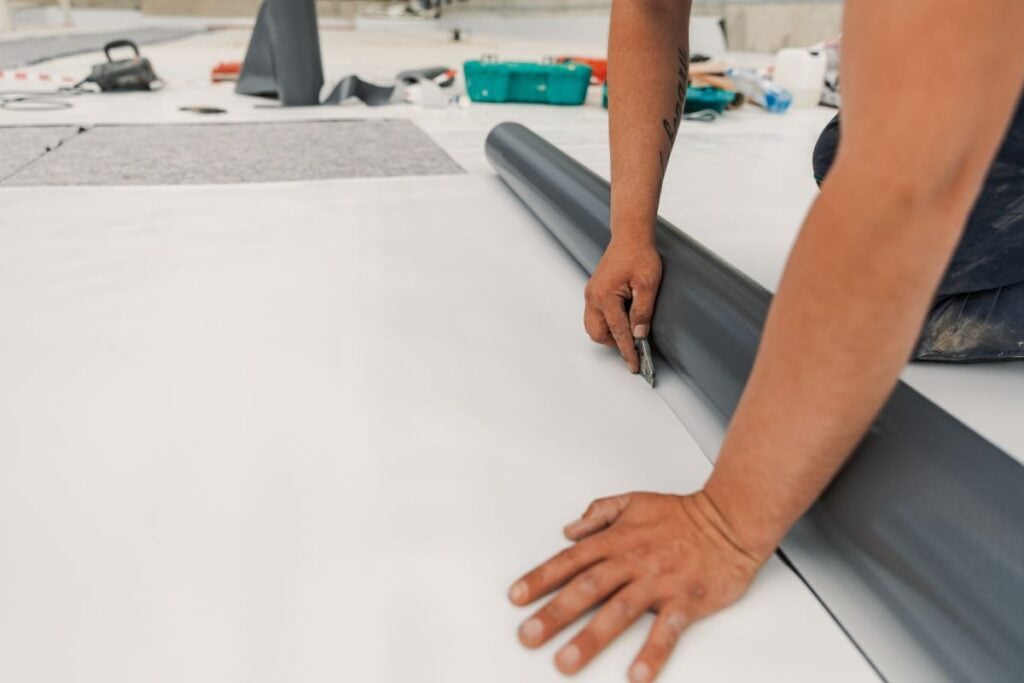
Why Timely TPO Roof Repair Matters
TPO membranes are built to handle years of sun, rain, and temperature swings, but no roofing material is immune to wear. When small issues go unnoticed, they tend to spread quickly across the membrane, turning a simple patch job into a much larger and more expensive repair. Business owners throughout Arlington and surrounding areas who stay ahead of TPO maintenance typically avoid the kind of emergency calls that disrupt daily operations.
- Prevents water intrusion: Even a small seam failure can let water travel beneath the membrane and damage insulation or decking.
- Protects energy efficiency and UV resistance: TPO’s reflective surface helps control cooling costs, and surface damage can reduce that performance and its UV resistance over time.
- Extends roof lifespan: Addressing problems early helps the membrane reach or exceed its expected service life.
- Reduces long-term costs: A small, timely repair almost always costs less than the water damage a delayed one can cause.
Staying proactive about TPO repair protects more than the roof itself. It protects the building’s interior, tenants, and budget, which is why quick problem identification and proactive care are worth the effort. A brief seasonal inspection can catch a developing issue before it affects your roof’s life or long term durability.
5 Common TPO Roof Problems and How to Fix Them
TPO roofing is susceptible to specific types of wear and environmental stress, and most issues fall into a handful of recurring categories. Surface erosion often signals UV degradation, while seam separation and moisture-related damage tend to develop more gradually. Below are the problems property owners in Arlington and surrounding areas run into most often, along with what it typically takes to resolve them.
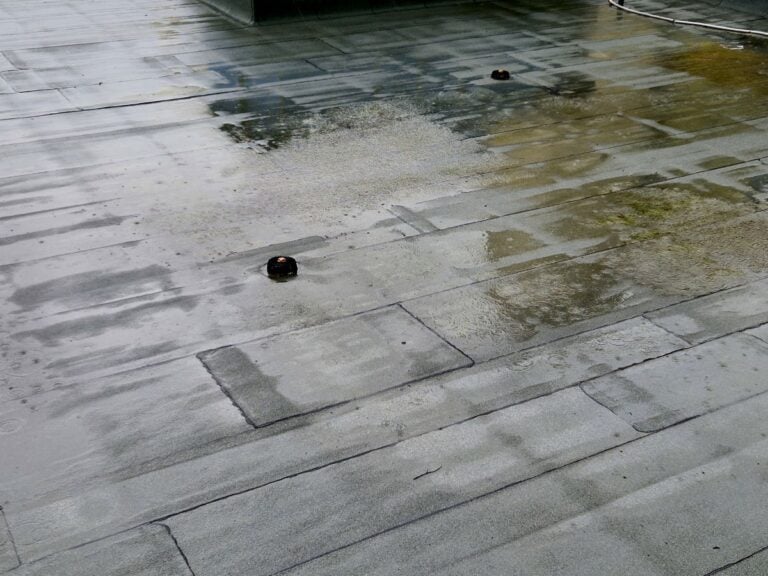
Poor drainage, clogged drains, and standing or ponding water often accelerate these issues, even when the root cause is sun exposure or foot traffic. Low-slope roofs should shed water within 48 hours, and when they don’t, clearing drains or adjusting tapered insulation restores proper flow before further deterioration sets in.
1. Seam Separation
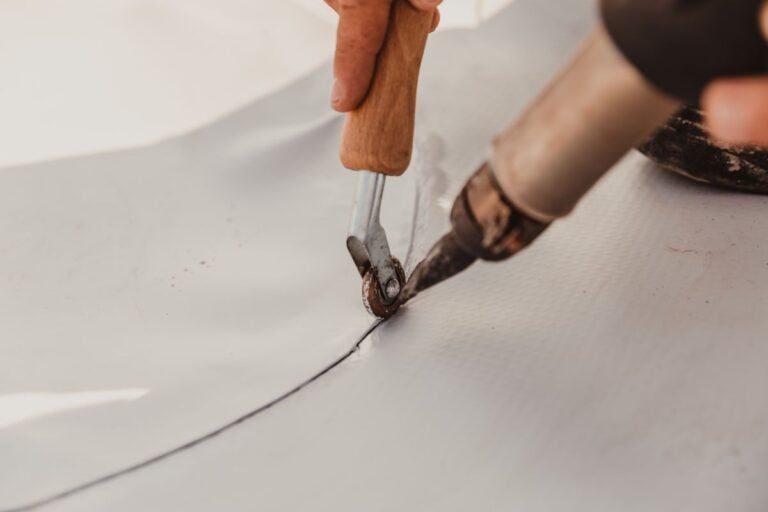
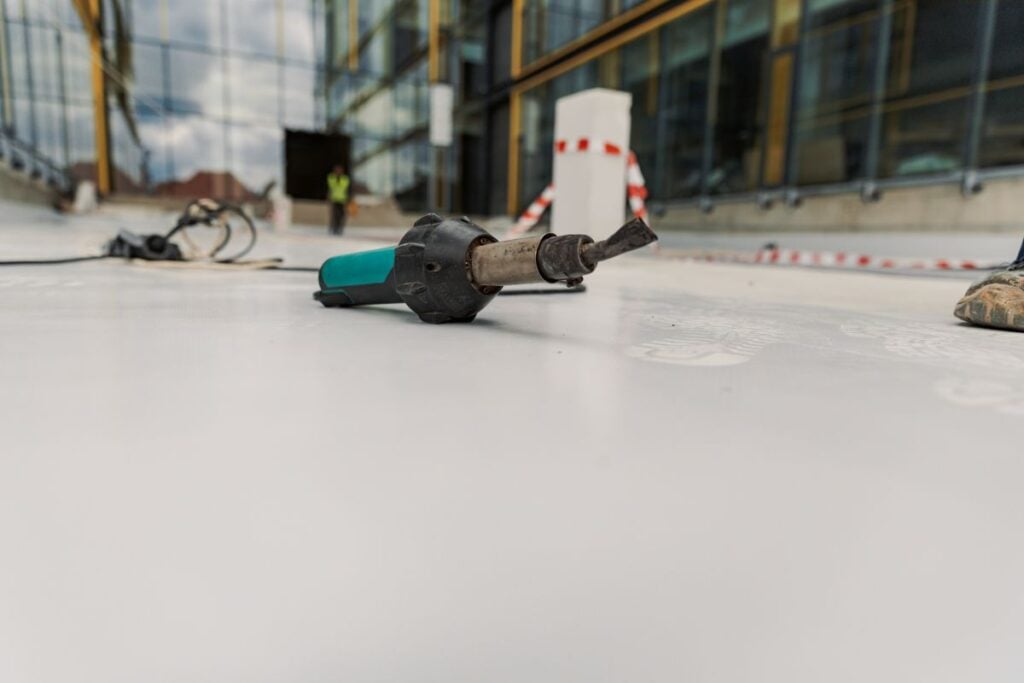
Seams are the most vulnerable part of any TPO roof, since they rely on heat welded seams created through hot air welding to stay watertight. Continuous thermal cycling can cause TPO membrane shrinkage and contribute to failed seams, especially if the original installation wasn’t done correctly. This is one of the most frequent reasons TPO roofs develop leaks, since a seam failure often goes unnoticed until water has already made its way inside.
- Visible gaps or lifting along seam edges
- Water stains that trace back to a seam location
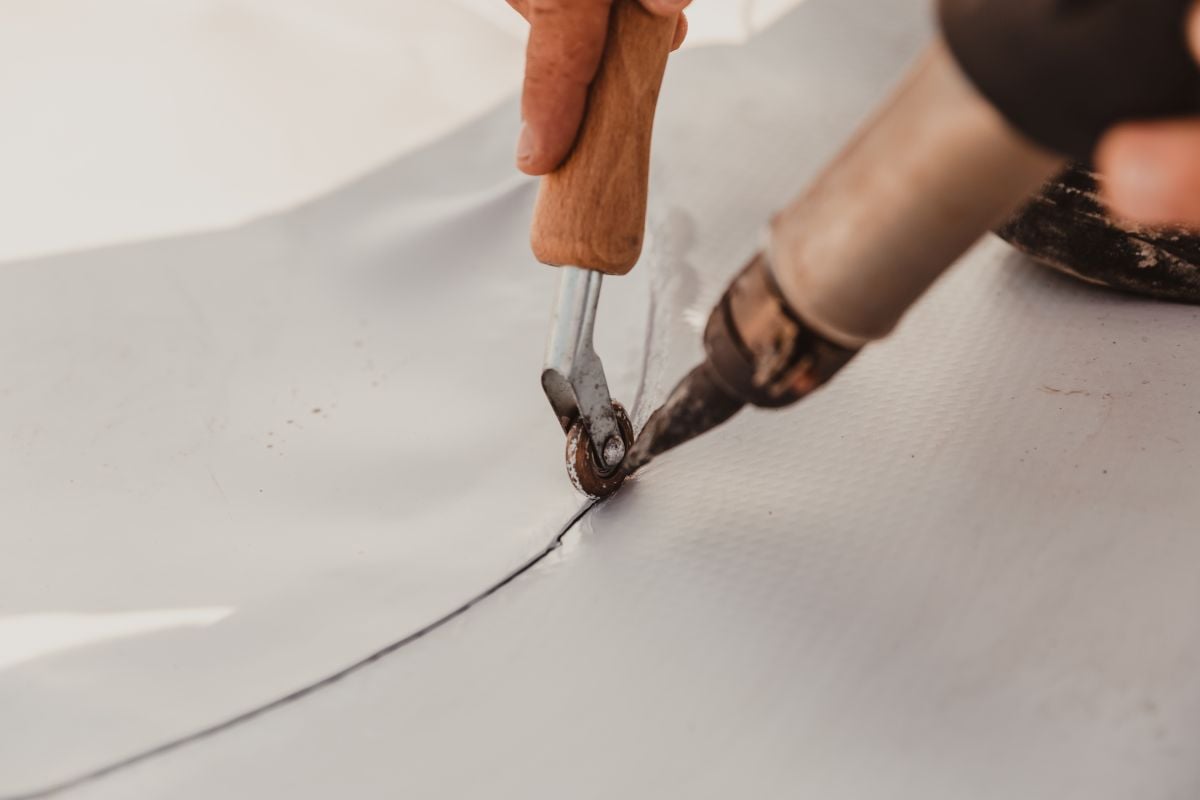
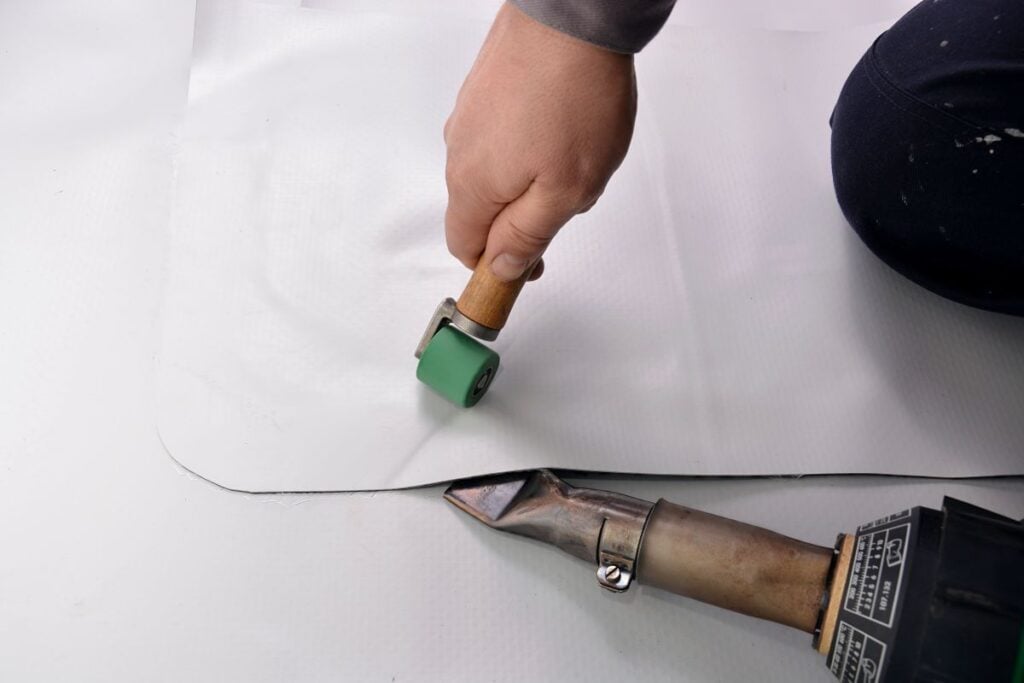
- Repair method: re-welding the seam with a heat gun and appropriate primer, then checking the result with seam probes to confirm a watertight bond
2. Punctures and Tears
Foot traffic, dropped tools, or falling debris from storms can puncture or tear the roof membrane, creating a direct path for water to enter. Heavy foot traffic near rooftop equipment is a common source of this kind of damage. Even small punctures should be addressed quickly, since they rarely stay small once water starts working its way underneath the surface, though localized damage is usually a quick fix.
- Repair method: cleaning the damaged area and applying a repair patch or TPO repair tape for small repairs, using compatible adhesive or hot air welding
- Larger tears may require a full section replacement rather than a minor patch
3. Membrane Shrinkage
TPO membranes can shrink slightly as they age, which pulls the roof membrane away from flashing, penetrations, and roof edges. This shrinkage often shows up as tension wrinkles or gaps that weren’t there when the roof was first installed, and it can compromise the edge sealant that protects the scrim layer from moisture.
- Visible pulling away from parapet walls or curbs
- Wrinkling across large sections of the membrane
- Repair method: reinforcing affected areas with new flashing, additional fastening, and cut-edge sealants applied according to manufacturer specs
4. Blistering and Bubbling
Trapped moisture or air beneath the membrane can create blisters that expand and contract with temperature changes, gradually weakening the material. If left alone, these blisters often crack open and allow water to reach the insulation beneath, sometimes leaving wet insulation or saturated insulation against the roof deck. Blisters tend to appear most often where the membrane wasn’t fully adhered during installation, making them a common issue on older or improperly installed roofs. An infrared scan can catch hidden moisture before blisters form.
- Repair method: cutting open the blister, drying the area completely, and welding a patch over the section, or a targeted insulation replacement if saturation is widespread
5. Flashing Failures
Flashing around vents, drains, and rooftop equipment serviced by HVAC technicians is one of the most common places for TPO roofs to develop leaks, since these transitions see more movement and stress than the flat field of the roof. When flashing pulls away or cracks, water finds an easy path into the building below.
- Cracked or lifted flashing around penetrations
- Repair method: removing damaged flashing and welding in a new, properly sized piece
Most of these problems are manageable with a professional repair when they’re caught early. Waiting too long, however, often allows what started as a small issue to spread into further deterioration across a much larger portion of the roof. Scheduling regular inspections, ideally at least twice a year, supports an accurate diagnosis and helps catch developing issues before they turn into larger repairs.
Best Practices for Long-Lasting TPO Repairs
A repair is only as good as the process behind it, and TPO roofing requires specific techniques to hold up over time. Following a few key practices can make the difference between a patch that lasts for years and one that fails again within a season.
Match Materials Correctly
Not all TPO membranes are created equal, and using a patch material that doesn’t match the membrane thickness or manufacturer specifications of the existing roof can lead to premature failure. A qualified contractor will always confirm compatibility before beginning any repair work, since mismatched materials rarely bond as strongly as they should.
Prepare the Surface Thoroughly
TPO welding depends on a clean, dry surface to create a strong bond, so any dirt, moisture, or old adhesive left behind can compromise the repair before it even starts. TPO membrane cleaners help remove contaminants from the surface, and TPO primer is often necessary before applying peel-and-stick accessories or patches. Proper surface preparation takes time, but skipping this step is one of the most common reasons repairs fail early.
Test the Weld
A properly welded seam should be tested with a seam probe to confirm it has bonded completely before the job is considered finished. Patches should also have rounded corners and overlap the damaged area by at least two inches to help prevent future peeling. Skipping this final quality check can leave hidden weak points that show up as leaks months later.
Following these practices consistently separates a repair that holds up for years from one that fails within a season. It’s also a clear sign of a contractor who understands the specific demands of TPO roofing systems.
Repair or Replace: Weighing Your TPO Roof Options
Not every TPO problem calls for a full roof replacement, but repeated repairs can eventually signal that the membrane has reached the end of its useful life. Understanding where your roof falls on that spectrum, and what each option tends to cost, helps you avoid spending money on the wrong solution.
Costs vary depending on the extent of the damage. Minor TPO repairs typically cost between $200 and $600, while larger repairs involving more extensive damage can range from $3,000 to $8,000. A full TPO roof replacement generally averages $7,800 to $13,800, or roughly $7 to $13 per square foot, with labor rates and membrane thickness both playing a significant role in the final number.
| Consideration | Points to Repair | Points to Replacement |
| Roof age | Under 15 years old | Near or past 20 year lifespan |
| Damage pattern | Isolated to one or two areas | Spread across multiple sections |
| Seam condition | Occasional lifting | Widespread separation |
| Repair history | First or second repair | Frequent repairs with recurring leaks |
| Membrane surface | Mostly intact, minor wear | Extensive shrinkage or blistering |
If your roof lines up mostly with the left column, a targeted repair can keep it performing well for years, and localized repairs are especially cost-effective for roofs under 15 years old. Professional repairs can last as long as the original roof, often adding another 5 to 10 years of service life. If it leans toward the right column, or more than 25 percent of the roof is compromised, a full replacement is usually the more cost-effective choice once you factor in ongoing repair costs, and with proper maintenance a TPO roof can last more than 20 years.
A professional inspection remains the best way to reach an accurate diagnosis. An experienced roofing contractor can assess the membrane’s condition, provide a detailed estimate with transparent pricing, and give you an honest recommendation rather than pushing you toward the more expensive option by default. If storm damage played a role, they can also help document the issue for insurance claims.
Get Expert Help With Your TPO Roof
A well-maintained TPO roof protects your building, your tenants, and your bottom line, which is why addressing problems quickly matters so much. Springfield Roofing has helped property owners throughout Arlington and surrounding areas keep their TPO roofing systems in good condition for years.
Whether you’re dealing with a single lifted seam or noticing multiple issues across your roof, our team can help you find the right path forward. We’ll inspect the membrane, explain what we find, and recommend a repair or replacement plan that fits your budget and timeline.
Don’t let a small TPO issue turn into a major disruption for your business. Contact us today to schedule an inspection and get your roof back in shape.