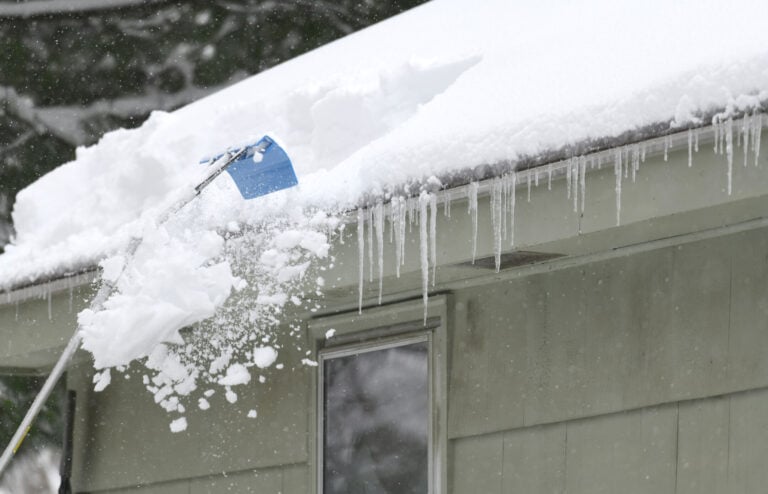
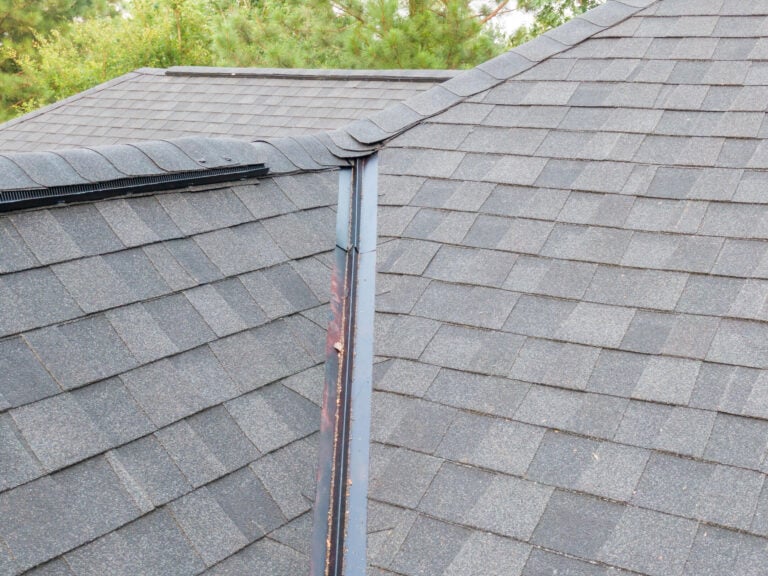
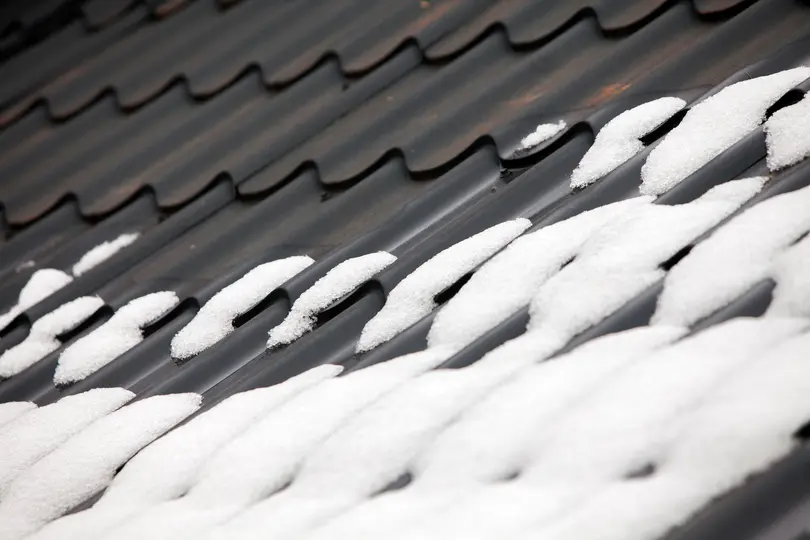
When snow piles up on your home, the material on your roof makes a real difference in what happens next. Some roofs let snow slide away quickly, while others hold onto it and give ice a chance to form. Comparing a metal roof vs shingle roof in snow can help you decide which option fits your home, your budget, and your winter weather. If you are weighing an upgrade, understanding how smooth, durable panels handle cold-weather conditions is a great place to start. Here is how the two compare.
A quick preview of what is ahead:
- How each roof type handles snow and ice
- Seven key differences in winter performance
- What metal roof owners should know about sliding snow
- How to choose the right material for your home
Why Your Roof Material Matters When Snow Falls
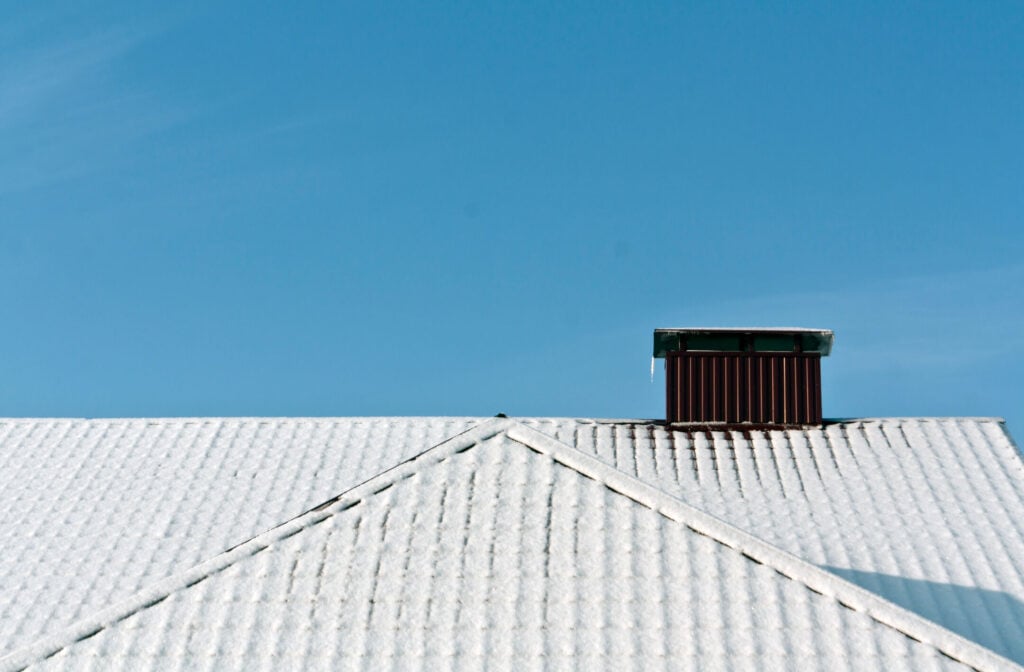
Snow is more than a seasonal inconvenience. The way it sits on, melts from, and slides off your roof affects everything from ice dam risk to the long-term health of your shingles or panels.
Asphalt shingles have a textured surface that grips snow, while metal panels are smooth and slick. That difference shapes how each roof ages in winter. One widely read home improvement guide notes that on shingle roofs, ice dams can create cracks and swings between daytime and nighttime temperatures can shorten roof life. Here is why the choice matters:
- Affects ice dam risk: Roofs that hold snow longer give it more time to melt, refreeze at the eaves, and back water up under the roofing.
- Influences roof load: Snow that stays put adds weight, while snow that sheds quickly reduces strain on the structure during heavy snow loads.
- Shapes maintenance needs: Some roofs require more maintenance, raking, and repairs after a hard winter than others.
- Impacts safety around your home: How and where snow comes off the roof affects walkways, entrances, gutters, and landscaping below.
For homeowners in Alexandria and surrounding areas, winter storms range from light snow to heavy, wet snowfall, with frequent freeze-thaw cycles in between. Those conditions make it worth understanding how each option responds before you choose the right roofing material.
7 Key Differences in How Each Roof Handles Snow
Metal and shingle roofs both provide reliable protection in winter, but they do it in very different ways. These seven differences explain what you can expect from each material when snow arrives.
1. Snow Shedding Speed
Metal roofs are known for shedding snow quickly. Once the sun warms the panels or temperatures rise slightly, snow often slides off in sheets. Shingle roofs, on the other hand, tend to hold snow in place until it melts gradually.
- Metal: fast, sometimes sudden shedding
- Shingles: slow, gradual melting in place
2. Ice Dam Formation
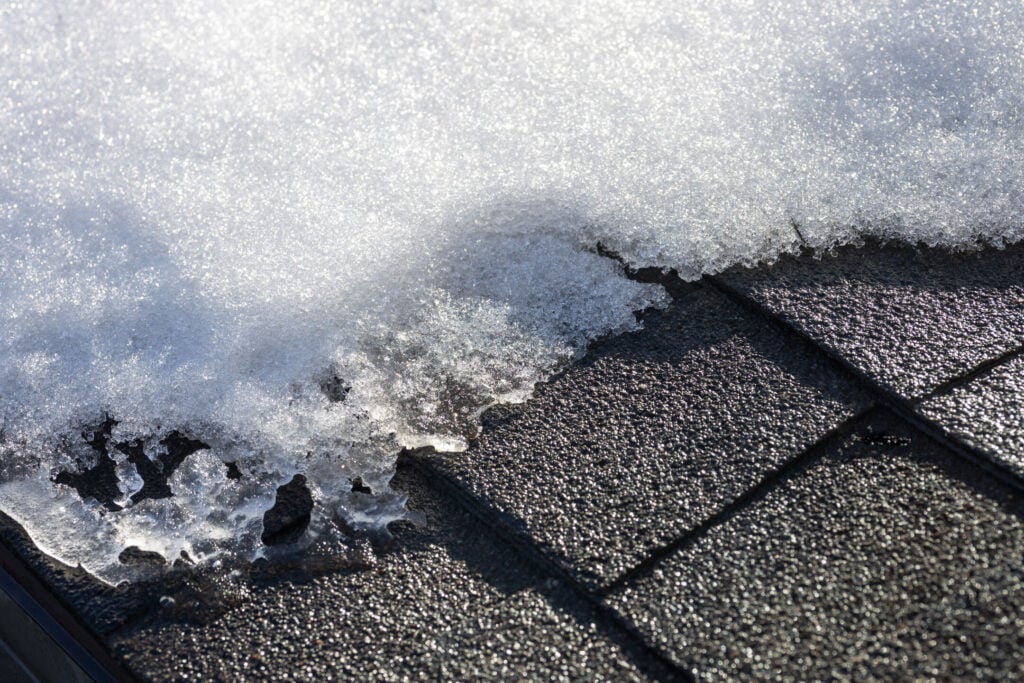
Because snow lingers on shingles, it has more opportunities to melt and refreeze along the cold eaves. Metal roofs generally see fewer ice dams since snow does not stay on the roof as long, though poor attic insulation can still cause problems with either material.
3. Resistance to Freeze-Thaw Damage
Repeated freezing and thawing can work water into small gaps between shingles and crack aging materials. Metal panels are less affected by these cycles, though fasteners and seams still depend on a careful installation process to stay watertight.
4. Snow Load and Structural Strain
Snow that stays on the roof adds weight over time. Since metal roofs shed snow faster, they typically carry less accumulated load during long winter stretches. Shingle roofs can still handle normal snow loads well, but heavy, wet snow that lingers puts more strain on the roof’s structural integrity.
5. Effect of Roof Pitch
Pitch plays a role for both materials. Steeper metal roofs shed snow almost immediately, while low-slope metal roofs may hold snow briefly. On shingle roofs, even a steep pitch does not guarantee quick shedding because of the textured surface.
- Steeper pitches improve shedding on both roof types
- Low-slope sections of either material need closer attention
6. Wear and Tear After Winter
After a snowy season, shingle roofs may show cracked, curled, or loose shingles and granule loss, especially near the eaves. Modern metal roofs are less likely to show winter wear thanks to their superior durability, although sliding snow and ice can occasionally bend gutters or damage features below the roof edge.
7. Maintenance During Snowy Weather
Shingle roofs often benefit from raking the lower few feet after heavy snow to reduce ice dam risk. Metal roofs usually need less raking, but owners should keep walkways and entrances clear of the areas where snow tends to slide off.
Taken together, these differences show that metal roofs generally shed snow better, while shingle roofs need more attention to prevent ice-related damage. Neither material is perfect, and proper installation, insulation, and ventilation matter just as much as the roofing itself.
Managing Sliding Snow on a Metal Roof
The same quality that makes metal roofs excellent at shedding snow can create challenges of its own. When snow lets go all at once, it can land with surprising force on whatever is below.
Install Snow Guards Where Needed
Snow guards are small brackets or bars attached to the roof that hold snow in place so it melts gradually or releases in smaller amounts. They are especially useful above entrances, walkways, decks, and driveways. A roofer can recommend the right type and spacing for your roof pitch and panel style.
Protect Gutters and Landscaping
Sliding snow and ice can bend or tear gutters that are not designed for the load. Sturdier gutters, properly spaced hangers, and snow guards above gutter runs help prevent damage. It is also wise to avoid planting delicate shrubs directly beneath metal roof edges.
Plan Around Doors and Walkways
Think about where people walk and where cars park. Snow sliding off a metal roof can block doors or create hazards in high-traffic areas. Placing snow guards or adjusting the roof design over entryways keeps those spaces safer.
Keep Ventilation and Insulation in Good Shape
Even metal roofs can develop ice buildup if heat loss through the attic melts snow unevenly. Balanced ventilation and proper insulation help snow melt and shed more predictably, and they keep warmth inside where your heating system can use it, which also helps with reducing heating costs.
Homeowners in Alexandria and surrounding areas who choose metal often find that a few thoughtful additions, like snow guards over key areas, make winter far easier. With the right planning, sliding snow becomes a minor consideration rather than a recurring problem.
Choosing the Right Roof for Snowy Winters
Snow performance is an important factor, but it is only one part of the decision. Cost, lifespan, energy efficiency, appearance, and neighborhood guidelines all play a role in choosing between metal and shingles.
The table below compares the two materials across several winter-related and long-term factors:
| Factor | Metal Roof | Shingle Roof |
| Snow shedding | Fast; snow slides off easily | Slow; snow melts in place |
| Ice dam risk | Lower | Higher, especially with poor insulation |
| Freeze-thaw durability | Strong resistance | More prone to cracking over time |
| Winter maintenance | Low maintenance; snow guards and clear walkways | More maintenance; raking and post-winter repairs |
| Energy efficiency | Reflects solar radiation, which can cut cooling costs | Absorbs more heat in summer |
| Initial cost | Higher | Lower |
| Typical lifespan | Several decades longer | Shorter; replaced more often |
| Environmental impact | Often made from recyclable materials | Petroleum-based; more landfill waste |
Here are a few questions to help guide your decision:
- How long will you stay in your home? If you plan to stay for many years, the longer lifespan of metal may justify its higher initial cost.
- How much snow does your home see? Homes with frequent ice dams or heavy snow exposure benefit most from metal’s shedding ability.
- How much do energy costs matter to you? Modern metal roofs reflect heat from the sun’s rays, which can lower cooling costs and energy bills in hot weather. In cold climates, a home’s energy efficiency depends far more on attic insulation than on the roofing material itself.
- What does your budget allow? An asphalt shingle roof remains a reliable, affordable choice when installed with proper underlayment and ventilation.
- Are there HOA rules? Some communities limit roofing materials, so check guidelines before deciding.
Keep in mind that the final cost of either roof depends on material quality, roof size, and local labor rates. The right roofing solution is the one that balances winter performance and energy efficiency with your long-term goals and budget.
Frequently Asked Questions About Metal vs Shingle Roofs in Snow
Homeowners comparing roofing materials often have similar questions about winter performance. Here are clear answers to some of the most common ones.
Do metal roofs really shed snow better than shingles?
Yes. The smooth surface of a metal roof allows snow to slide off much more easily than the textured surface of asphalt shingles, especially on steeper pitches.
Is sliding snow from a metal roof dangerous?
It can be. Large sheets of snow and ice can fall suddenly onto walkways, cars, or people below. Snow guards help control how snow releases from the roof.
Do shingle roofs get more ice dams?
Generally, yes. Because snow stays on shingle roofs longer, it has more time to melt and refreeze at the eaves. Good attic insulation and ventilation help reduce this risk for either material.
Can I install a metal roof over shingles?
In some cases, metal roofing can be installed over a single layer of existing shingles if the roof deck is in good condition. A roofer should inspect the roof first to confirm it is a good candidate.
Which roof lasts longer in snowy climates?
Metal roofs can last much longer than an asphalt shingle roof and hold up better to freeze-thaw cycles and harsh winter conditions. Shingles can still perform well for years with proper installation and maintenance.
Every home has different needs, so the right choice depends on your roof design, budget, and how long you plan to stay. A professional assessment can help you compare options with confidence.
Find the Right Roof for Winter and Beyond
Choosing between metal and shingles comes down to how you want your roof to perform when snow and ice arrive, as well as your long-term plans for your home. Understanding how each material sheds snow makes it easier to invest wisely.
Springfield Roofing helps homeowners in Alexandria and surrounding areas compare metal roofs and shingles and choose the material that fits their home and winter weather. If you are thinking about a new roof, contact us today to talk through your options.