Gutter guards earn their keep in the fall by blocking leaves and twigs, but many homeowners wonder what happens once the snow starts falling. The truth about gutter guards in winter is that most systems keep working, though snow and ice can test them in ways a leaf pile never will. Knowing what to expect helps you keep water flowing safely away from your roof and foundation all season long. Here is how different guards handle cold weather, where they struggle, and what you can do to help.
A quick look at what this guide covers:
- How snow and ice interact with gutter guards
- Which guard styles hold up best in cold weather
- Simple ways to keep guarded gutters draining all winter
- When guards need extra help to prevent ice dams
What Winter Weather Means for Your Gutters
Winter is when your gutter system works hardest with the least attention. Snow piles up on the roof, melts during sunny afternoons, and refreezes overnight, and every one of those cycles sends water toward gutters that may be partly blocked by ice.
Gutter guards help by keeping leftover debris out of the trough, which gives meltwater a clear path to the downspouts. According to one widely read home improvement source, unguarded gutters are more prone to ice dams because meltwater sits stagnant and repeatedly freezes and thaws. Here is why winter performance matters so much:
- Reduces ice dam risk: Clear gutters let meltwater drain instead of pooling and refreezing at the roof edge, where it can back up under shingles.
- Protects your roof and fascia: Standing ice adds weight and moisture that can loosen gutters, rot fascia boards, and damage the roof edge.
- Safeguards your foundation: When gutters overflow, meltwater dumps right beside the house and can seep into basements and crawl spaces.
- Cuts down on risky chores: Fewer clogs mean fewer trips up an icy ladder, which is one of the most dangerous maintenance tasks a homeowner can take on.
For homeowners in Fairfax and surrounding areas, winter brings a mix of light snow, freezing rain, and frequent freeze-thaw swings. That combination makes well-functioning gutters especially important, even in years when big snowstorms are rare.
6 Things That Happen to Gutter Guards in Snow and Ice
Gutter guards do not stop working when temperatures drop, but cold weather changes how they behave. Here are six things you can realistically expect once winter arrives.
1. Snow Sits on Top of the Guard
Most guards cover the gutter opening, so falling snow often rests on the guard surface rather than filling the trough. This is usually harmless. As the snow melts, water filters through the guard and drains normally, and the gutter underneath stays free of the slushy debris that causes clogs.
2. Meltwater Can Refreeze in the Mesh
On cold nights, water trickling through fine mesh or screen openings may freeze before it reaches the gutter. A thin layer of ice can temporarily cover the guard and send meltwater over the edge instead of into the trough.
- This usually clears on its own once daytime temperatures rise
- It is most common on north-facing roof sections that see little sun
3. Icicles Form Along the Edge
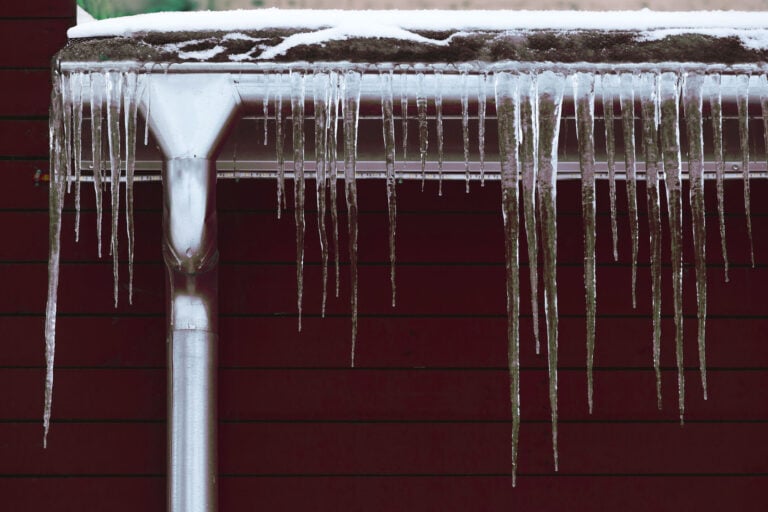
Icicles tend to form wherever water drips off the roof edge and refreezes. Guards do not cause icicles, but when meltwater runs over a frozen guard, icicles can build along the gutter line. Small ones are normal. Large, heavy formations are a sign that water is not draining properly and that warm air may be escaping from the attic.
4. Some Guard Styles Trap More Snow
Not every design handles snow the same way. Reverse curve guards, which rely on water following a rounded lip into the gutter, can collect snow and ice along that curve. Solid covers can also hold snow in place longer than flat mesh systems that sit flush with the gutter.
5. Extra Weight Strains Fasteners
Wet snow and ice are heavy, and the load rests on both the guard and the gutter hangers beneath it. Guards that are poorly attached, or gutters with weak hangers, may sag or pull away from the fascia after a heavy storm.
- Check for sagging sections after major snowfalls
- Look for loose screws or gaps between the guard and roofline in spring
6. Guards Keep Fall Debris From Freezing Solid
This is the biggest winter benefit. Without guards, leaves and pine needles left over from autumn can freeze into a solid block inside the gutter. With guards in place, the trough stays mostly clear, so meltwater has somewhere to go when the thaw arrives.
Taken together, these effects show that guards are a real advantage in winter, even if they are not completely maintenance-free. The key is choosing the right style and keeping an eye on how your system behaves after storms.
How Common Gutter Guard Types Handle Snow
The style of guard on your home has a big influence on how it performs in cold weather. Some designs shed snow easily and keep water moving, while others are better suited to milder climates with heavy leaf fall.
The table below compares the most common types and how they typically hold up during winter:
| Guard Type | Winter Performance | What to Watch For |
| Stainless steel micro-mesh | Excellent; sits flush and drains well | Thin ice film on very cold nights |
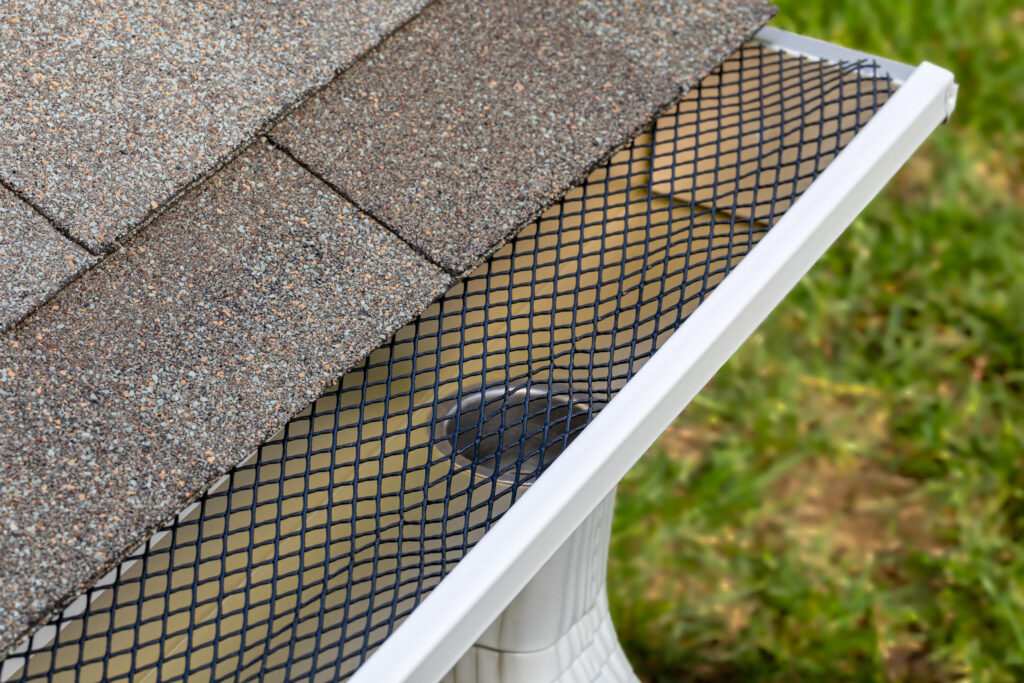
| Screen guards | Good; lets meltwater through easily | Small debris and ice can collect in openings |
| Reverse curve (surface tension) | Fair; snow can build up along the curve | Overshooting water and ice along the lip |
| Solid covers | Fair; snow may sit on top longer | Slow drainage until snow melts |
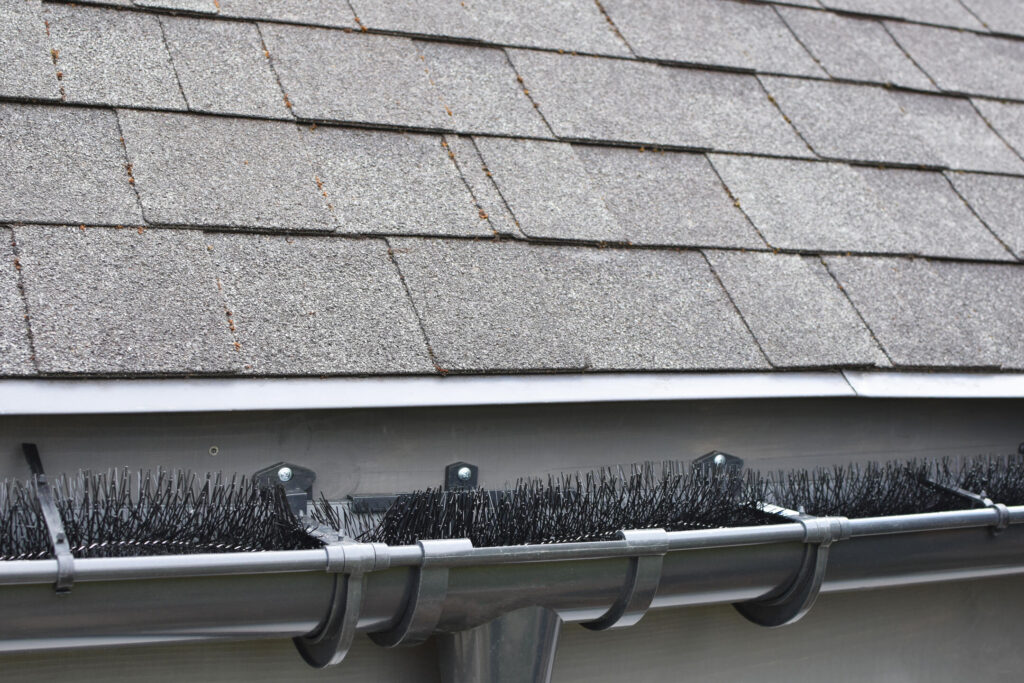
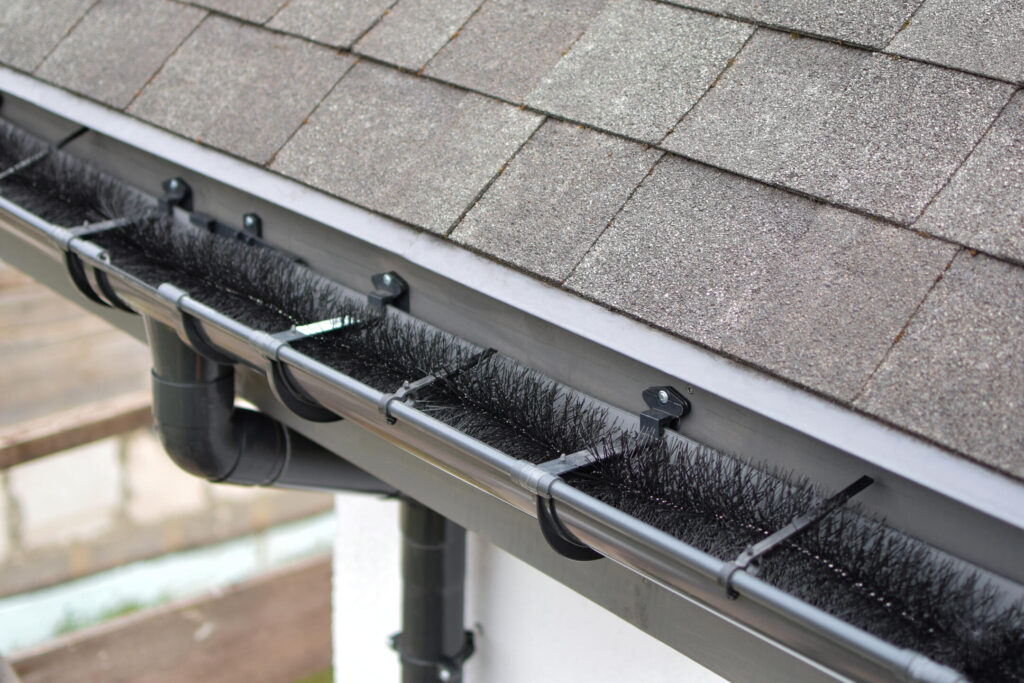
| Brush guards | Fair to poor; bristles can freeze together | Trapped debris and ice inside the trough |
| Foam inserts | Poor; foam can absorb water and freeze | Waterlogged foam blocking flow |
In general, durable metal guards that sit flat or slightly angled with the roofline perform best when snow and ice are common. Lightweight plastic or foam products may work fine in the fall but often struggle through repeated freeze-thaw cycles.
If you are planning a new installation, it is worth choosing a guard with your winter weather in mind rather than focusing only on leaves. A slightly higher upfront cost for a sturdier system can pay off in fewer problems each winter.
When Gutter Guards Need a Little Backup
Even the best gutter guards cannot solve every winter problem on their own. Some issues start on the roof or inside the attic, and guards simply cannot reach them.
Attic Heat Loss and Ice Dams
Ice dams usually begin when heat escapes through the attic and melts snow on the upper roof. That water runs down to the colder eaves and refreezes, often right above the gutters. Guards help water drain once it reaches the gutter, but improving attic insulation and ventilation is what keeps the roof cold enough to stop the cycle at its source.
Heat Cables for Problem Areas
For roof sections that ice up every year, heat cables can keep a channel open so meltwater can reach the downspouts. Many guards are compatible with heat cables, but installation should be planned carefully so the cables do not damage the guard or the roofing.
Sturdy Gutters and Hangers
A guard is only as strong as the gutter it sits on. Hidden hangers spaced closely together, solid fascia boards, and properly pitched gutters help the whole system carry snow loads without sagging.
Simple Seasonal Maintenance
A little attention before and after winter goes a long way:
- Late fall check: Clear any debris resting on top of the guards before the first snowfall.
- After big storms: Look for sagging sections, large icicles, or water spilling over the gutter edge.
- Downspout care: Make sure downspouts are clear and that extensions direct water well away from the foundation.
- Spring inspection: Check for cracked materials, loose fasteners, or guards that have shifted during the winter.
Homeowners in Fairfax and surrounding areas who pair good guards with proper attic insulation and seasonal checks tend to have the fewest winter gutter problems. Addressing the root cause of ice buildup protects both your gutters and your roof for years to come.
Common Questions About Gutter Guards in Winter
Winter raises a lot of questions about how gutter guards perform. Here are straightforward answers to some of the ones homeowners ask most often.
Do gutter guards cause ice dams?
No. Ice dams are mainly caused by heat escaping through the attic and melting snow on the roof. Certain guard styles, like reverse curve designs, can hold snow along the roof edge and make an existing problem worse, but they are not the root cause.
Should I remove my gutter guards for the winter?
In most cases, no. Removing guards exposes your gutters to debris and makes it more likely that leaves will freeze inside the trough. Leaving them in place is usually the better option.
What is the best type of gutter guard for snow?
Stainless steel micro-mesh guards that sit flush with the gutter generally perform best. They shed snow well, resist corrosion, and let meltwater drain through quickly.
Can snow damage my gutter guards?
Heavy, wet snow and ice can strain guards and gutter hangers, especially if they were not securely installed. Inspecting your system after major storms and again in spring helps you catch damage early.
Is it safe to knock ice off my gutters?
It is best to avoid chipping or hammering ice off gutters and guards. This can damage the gutters, guards, and roofing, and working on an icy ladder is dangerous. A roofing professional can safely assess persistent ice problems.
If your gutters are showing signs of trouble this winter, a professional inspection can help pinpoint whether the issue lies with the guards, the gutters, or the roof itself. Getting the right answer early keeps small issues from turning into costly repairs.
Keep Your Gutters Flowing Through Every Season
Gutter guards are a smart investment that continue to protect your home through the cold months, as long as the system is the right fit and properly maintained. Pairing quality guards with sturdy gutters and a well-insulated attic gives meltwater a clear path away from your roof and foundation.
Springfield Roofing helps homeowners in Fairfax and surrounding areas keep their gutters and roofs ready for whatever winter brings. If you have questions about how your guards are holding up or want a system better suited to snow and ice, contact us today to schedule an inspection.