A few inches of snow on the roof may not seem like a big deal, but heavy, wet snow can add serious weight and set the stage for ice dams. That is why finding the best roof snow rake for your home is a smart move before winter arrives. The right tool lets you clear the lower edge of your roof from the ground, which helps keep your shingles and gutters in good shape through every storm. This guide explains what to look for so you can buy with confidence.
Here is what we will cover:
- Why a roof rake is worth having
- Eight features that separate good rakes from great ones
- How to use a roof rake safely
- Which type of rake fits your roof
Why a Roof Rake Belongs in Your Winter Toolkit
Snow does not slide off most roofs on its own, especially on lower-pitched sections, porches, and areas shaded by trees. As accumulated snow sits, it melts during the day, refreezes at night, and builds up along the eaves, where problems tend to start.
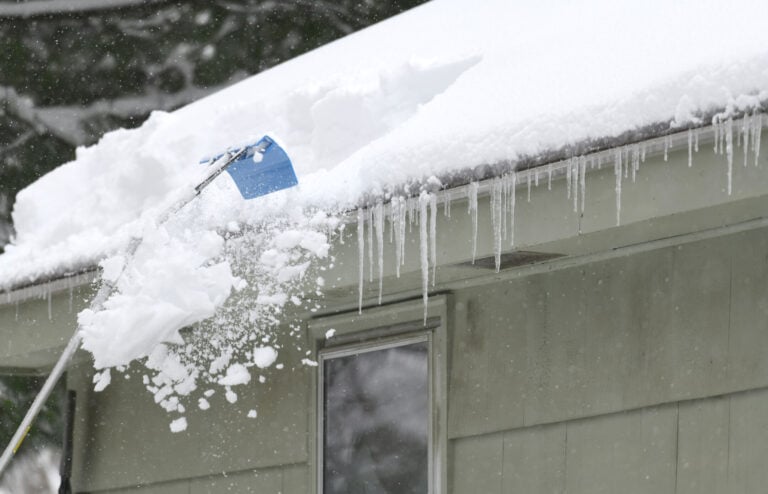
A snow roof rake gives you a safe way to remove that snow without climbing a ladder. One trusted home improvement guide notes that roof snow rake poles typically measure between 14 and 24 feet, giving homeowners enough reach to clear the lower portion of most roofs from the ground. Here is why that matters:
- Helps prevent ice dams: Clearing the bottom few feet of the roof removes the snow that would otherwise melt, refreeze, and form ice along the edge.
- Reduces roof strain: Removing heavy, wet snow takes all the extra weight off your roof and lowers the risk of structural damage, particularly on older homes or low-slope sections.
- Protects your gutters: Less snow and ice at the eaves means less weight pulling on gutters and fewer chances for them to bend or detach.
- Keeps you off the ladder: Working from the ground is far safer than climbing onto a slippery, snow-covered roof.
For homeowners in Great Falls and surrounding areas, snowfall can vary widely from year to year, but a single heavy snowfall can still cause winter damage. Having a rake ready before the season starts means you can act quickly when the forecast turns.
8 Features to Look for in the Best Roof Snow Rake
Roof rakes may look simple, but small design differences can make a big difference in how well they work and how kind they are to your roof. Here are the features worth comparing before you buy.
1. Reach and Pole Length
The pole needs to be long enough to reach at least the first several feet of roof above the eaves. Measure from where you will stand to the roof edge, and remember that roof pitch and snow depth reduce your usable reach.
- Single-story homes often need around 16 to 20 feet of reach
- Two-story homes or homes with deep eaves may need extra long poles
2. Telescoping or Sectional Design
Adjustable poles make the rake easier to store and easier to control. Telescoping poles extend smoothly to the length you need, while segmented poles snap together in pieces. Either works, but look for secure locking points between pole segments that will not slip under the weight of wet snow.
3. Lightweight, Corrosion-Resistant Pole
A lightweight aluminum telescoping pole is the most common choice because it is easy to handle and resists rust. Some rakes use fiberglass, which is also strong and durable. A lightweight rake reduces physical effort and fatigue, especially when you are working with your arms extended overhead.
4. Blade Size
Wider blades move more snow with each pull, but they also get heavier when loaded with wet snow. A medium-width blade often strikes the best balance for homeowners.
- Wide blades work well for light, fluffy snow and large roof areas
- Narrower blades are easier to control in packed snow or heavy, wet snow
5. Roof-Friendly Blade Material
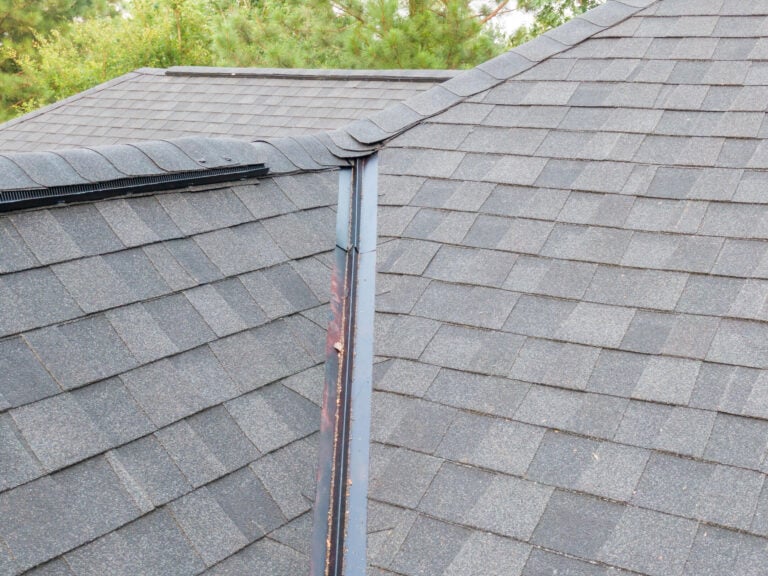
The rake head should be gentle on shingles. Plastic or poly blades and heads with rubber or vinyl edges are less likely to scrape away granules than bare metal. If you choose an aluminum blade, look for protective edges or glide pads.
6. Wheels or Rollers
Some rakes have small plastic wheels or rollers built into the blade that keep the edge slightly above the roof surface. These built-in wheels protect shingles better than almost any other feature, and it also makes the rake easier to pull because you are not dragging the blade directly across the roof.
7. Comfortable Grip
Foam, rubber, or anti-slip grips make a noticeable difference when your hands are cold and gloved. Good grips help you maintain control and reduce strain during longer clearing sessions.
8. Snow Slide Attachment
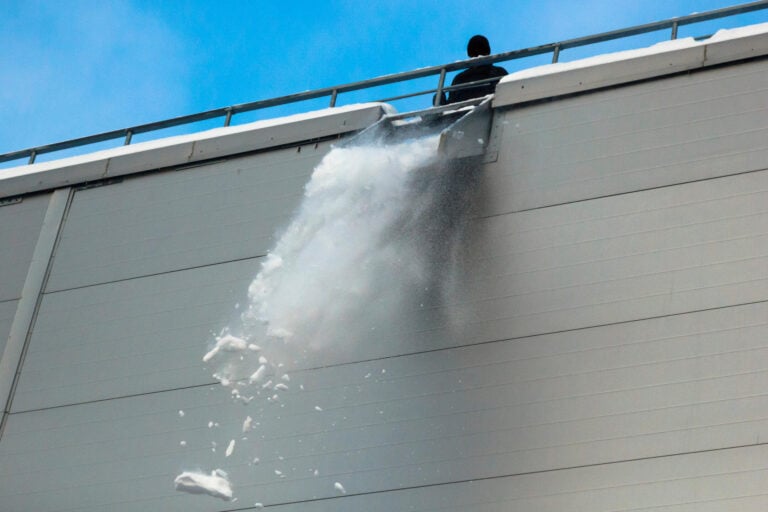
Some rakes include a fabric or plastic slide that hangs from the blade. Instead of pulling snow toward you, the rake cuts into the snow and lets it slide down the sheet to the ground. This can make clearing faster and gives you more control over where the snow lands.
Not every homeowner needs every feature, but reach, a roof-friendly blade, and a comfortable weight should be at the top of the list. Choosing a rake that fits your roof and your strength will make it much more likely that you actually use it when snow piles up.
How to Use a Roof Rake Without Damaging Your Roof
Even the best snow rake can cause roof damage if it is used the wrong way. A few simple habits will help you use a snow rake properly and protect your shingles at the same time.
Keep these tips in mind:
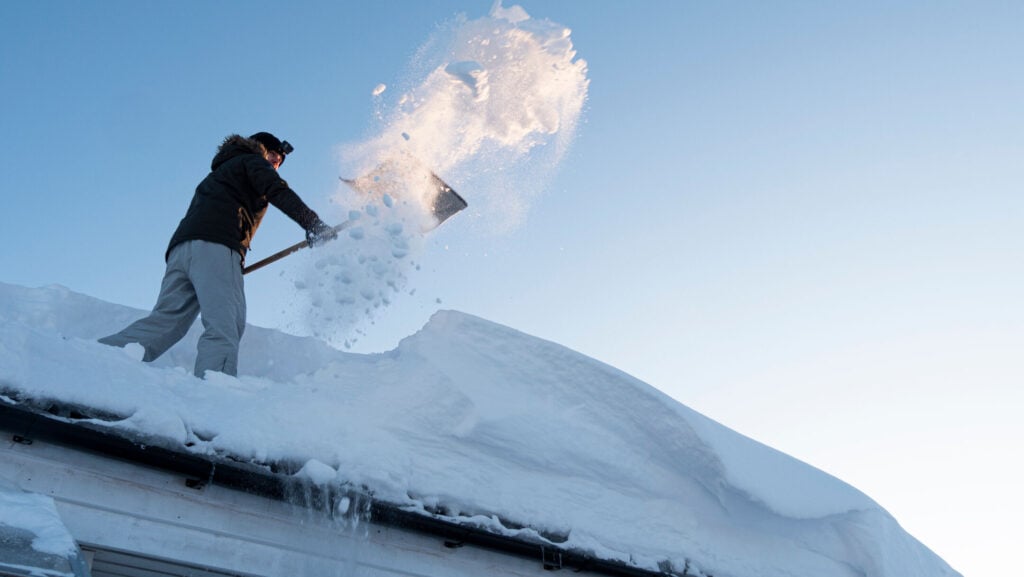
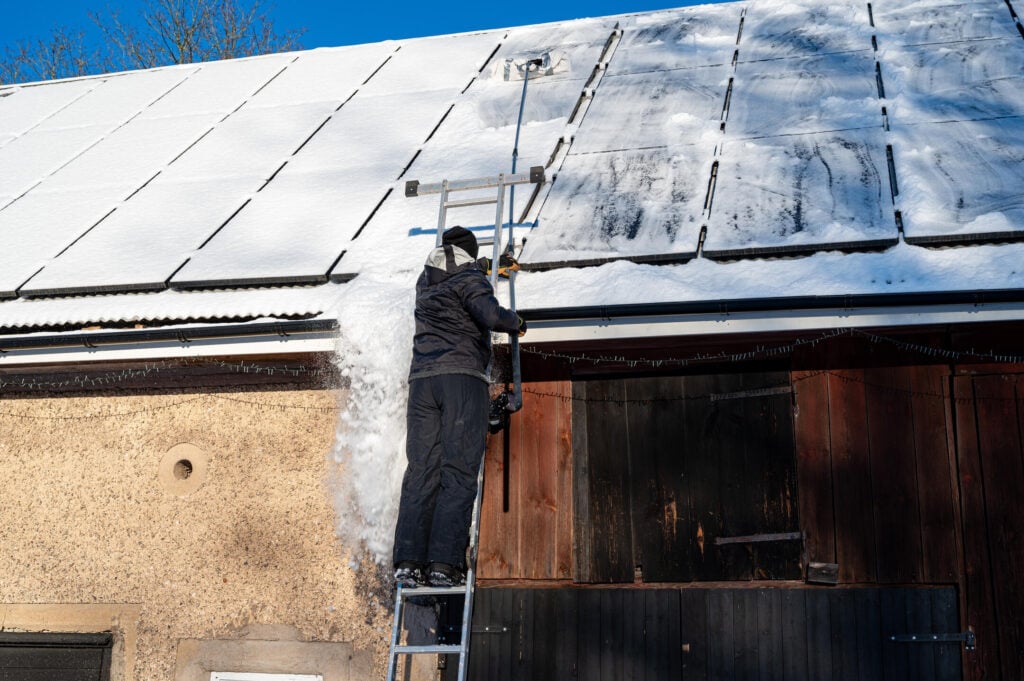
- Work from the ground: Never climb onto the roof or stand on a ladder while raking. The tool is designed to be used with both feet firmly on solid ground.
- Watch for power lines: Aluminum poles conduct electricity. Always look up before extending the pole and keep well clear of overhead lines.
- Leave a thin layer of snow: Scraping all the way down to the shingles can loosen granules. Leaving an inch or two protects the roof surface.
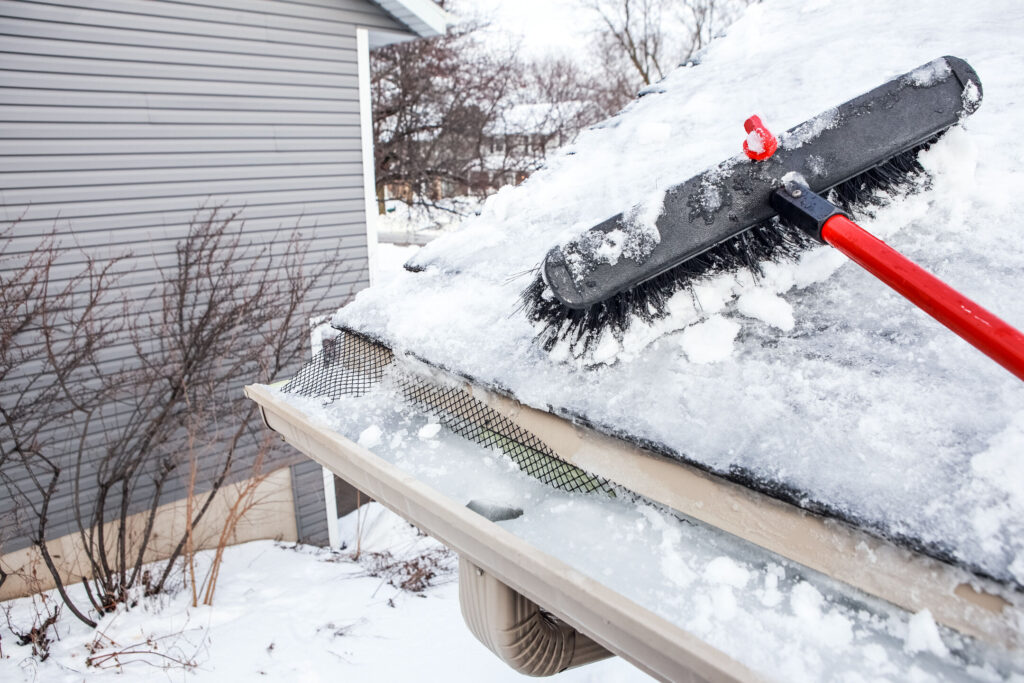
- Pull gently, do not chop: Avoid slamming the blade onto the roof or hacking at ice. Use smooth, steady pulls to remove snow in manageable sections.
- Focus on the eaves: Clearing the bottom three to four feet of the roof is usually enough to reduce ice dam risk without overextending yourself.
- Stand clear of falling snow: Snow can suddenly slide off in large amounts, so position yourself out of its path rather than directly beneath the section you are clearing.
- Leave ice dams alone: If an ice dam forms, do not try to break it with the rake. Chipping at ice can damage shingles and gutters.
If your roof is too high, too steep, or covered in thick ice, it is best not to tackle it yourself. Knowing when to step back is just as important as knowing how to rake.
Choosing the Right Type of Rake for Your Roof
Roof rakes come in several styles, and the best choice depends on your roof shape, height, and the type of snow you usually see. Comparing them side by side makes it easier to narrow down your options.
Comparing Common Roof Rake Styles
The table below highlights the main types and where each one works best:
| Rake Style | Best For | Advantages | Drawbacks |
| Standard pull rake | Single-story homes and moderate snow | Simple, affordable, easy to store | Requires more pulling effort in heavy snow |
| Wheeled rake | Asphalt shingle roofs | Protects shingles and pulls more easily | Wheels can catch in deep, crusty snow |
| Slide-style rake | Large roof areas and frequent snowfall | Fast clearing with less lifting | Heavier and takes practice to use |
| Foam-head rake | Delicate surfaces, skylights, and solar panels | Very gentle on surfaces | Less effective on heavy, wet snow |
| Wide heavy-duty rake | Low-slope roofs and sheds | Moves large amounts of snow at once | Heavier and harder to maneuver |
When a Rake Is Not Enough
Roof rakes are great for routine snow removal along the eaves, but they have limits. If you notice large ice dams, sagging areas, leaks during a thaw, or snow on parts of the roof you cannot reach, it is time to call a professional. Homeowners in Great Falls and surrounding areas with larger or multi-level homes often find that a combination of a good rake and a professional inspection is the most practical approach.
Recurring ice dams can also point to deeper issues such as poor attic insulation or ventilation. A roofer can help identify those causes, and in some cases recommend options such as heated cables, so you spend less time raking each winter.
Common Questions About Choosing the Best Roof Snow Rake
Buying a roof rake for the first time can raise a few questions. Here are answers to some of the ones homeowners ask most often.
Can roof rakes damage shingles?
It can if it is used aggressively or has a bare metal blade. Choosing a rake with wheels, rollers, or a plastic blade and leaving a thin layer of snow on the roof helps protect your shingles.
How long should my roof rake pole be?
Most homeowners need a snow roof rake that reaches at least 16 to 20 feet. Measure from where you will stand to the roof edge, and add a few extra feet so you can reach several feet up the roof.
Do I need to rake the whole roof?
No. Clearing the bottom three to four feet of the roof is usually enough to reduce the risk of ice dams. Trying to reach higher sections can be tiring and unsafe.
Can I use a roof rake on a metal roof?
Yes, but snow tends to slide off a metal roof’s slick surface on its own, sometimes suddenly. Use caution and stand well clear, and choose a rake with a soft blade to avoid scratching the finish.
How much snow should build up before I rake?
It is best to rake after a storm drops several inches of heavy or wet snow, especially if temperatures will hover around freezing. Raking early, before snow melts and refreezes, is the best way to prevent ice dams.
Every home is a little different, so the ideal rake for your neighbor may not be the perfect fit for you. Thinking about your roof height, pitch, and typical snowfall will help you choose a tool you will be glad to own.
Get Ahead of Winter Before the First Storm
A quality snow rake is an affordable way to protect your roof, gutters, and home from the effects of heavy snow. Choosing the right features and using the tool carefully can help you prevent ice dams and avoid unnecessary roof repairs.
Springfield Roofing helps homeowners in Great Falls and surrounding areas keep their roofs ready for winter. If you are dealing with ice dams, leaks, or snow damage, contact us today to schedule an inspection.