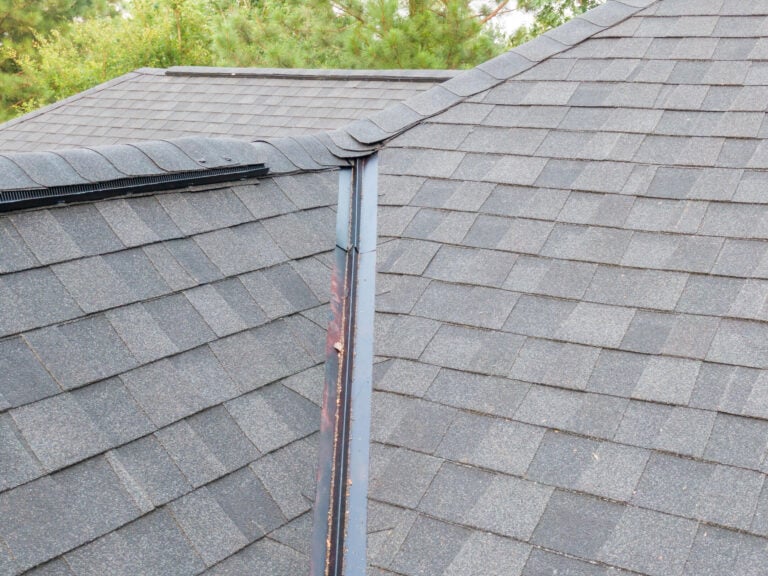
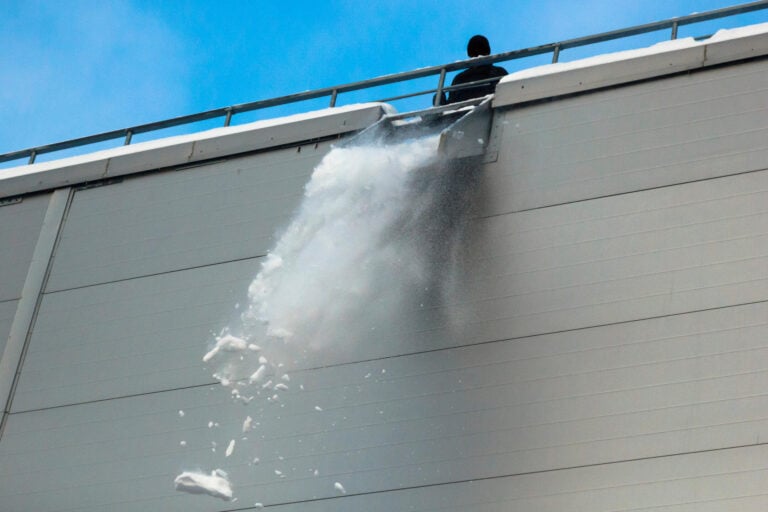
Every roof has a few weak points, and the valleys sit near the top of the list. These are the channels where two roof slopes meet, and they carry more water than almost any other part of the roof. When something goes wrong there, a roof valley leak can soak your attic, stain ceilings, and rot decking before you notice a single drip. Understanding how valleys work is one of the best ways to protect your home from the top down and catch small problems early. Here is what every homeowner should know.
Quick takeaways from this guide:
- Why valleys handle more water than the rest of your roof
- The five most common causes of valley leaks
- How different valley styles compare
- Seasonal tips to keep valleys working properly
Why Roof Valleys Take the Hardest Hit
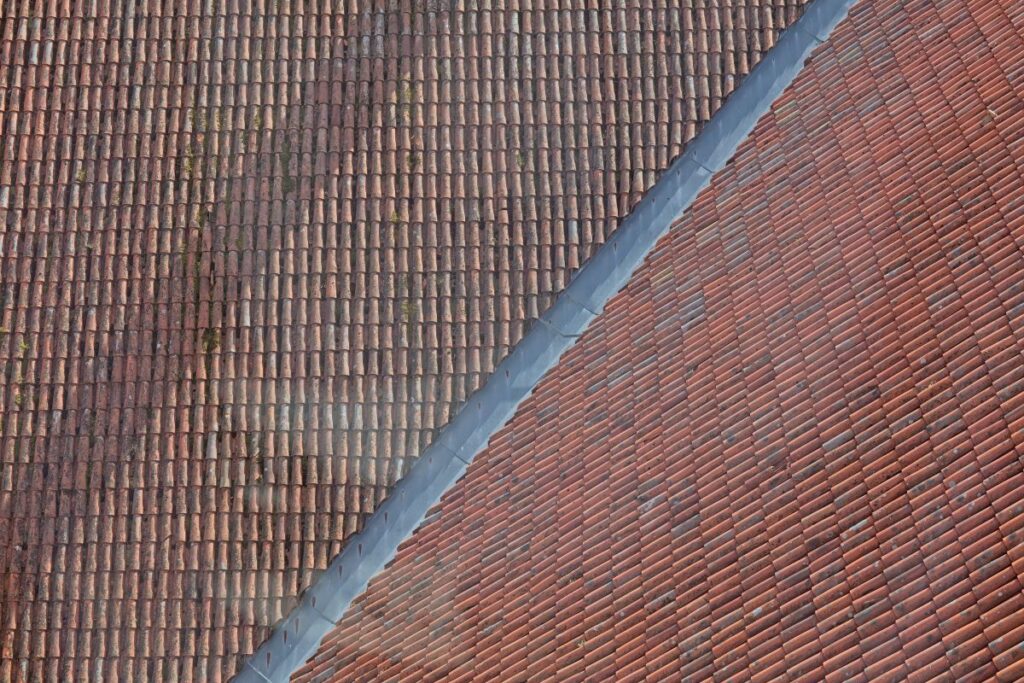
A roof valley is essentially a funnel. Rain and snowmelt from two separate slopes drain into one narrow channel, so the valley carries a concentrated stream of water every time it storms.
One roofing expert quoted in a popular home services guide explains that during heavy rain, poorly sealed roof valleys can carry as much water as a small creek. That volume, combined with snow, ice, and debris, makes valleys one of the most leak-prone areas on any home. Here is why paying attention to them pays off:
- Stops leaks at the source: Because so much water flows through valleys, even a small gap or worn shingle can let in a surprising amount of water.
- Protects your roof deck: Valley leaks often soak into the plywood beneath the shingles, leading to soft spots, rot, and expensive decking repairs.
- Prevents interior damage: Water that slips past the valley can travel along rafters before appearing as ceiling stains far from the actual entry point.
- Extends the life of your roof: Well-maintained valleys help the rest of the roof shed water properly, reducing wear on shingles and underlayment.
For homeowners in Falls Church and surrounding areas, the mix of heavy summer storms, fall leaf drop, and winter freeze-thaw cycles puts valleys under stress all year long. Keeping them in good shape is one of the simplest ways to avoid major roof repairs.
5 Common Causes of Roof Valley Leaks
Valley leaks rarely come out of nowhere. In most cases, one or more of these issues is to blame, and many of them can be caught early with regular inspections.
1. Missing or Inadequate Ice and Water Shield
Beneath the shingles, valleys should be lined with a self-adhering waterproof membrane, often called ice and water shield. This layer is the last line of defense if water gets past the surface. On older roofs or poorly installed ones, it may be missing entirely or cover too little of the whole valley.
- Leaks during wind-driven rain or ice buildup often point to underlayment problems
- Older homes may have only standard felt paper in the valleys
- Valleys on low slope sections drain more slowly and need full membrane coverage
2. Improper Shingle Installation
Valleys require careful shingle work. When trimming shingles along the valley is rushed, cuts end up too short, nails land too close to the valley center, or overlaps are wrong, and water can work its way to the shingles underneath. Thicker dimensional shingles need extra care, since they do not bend into a valley as easily as thinner three-tab shingles. Nails driven through the middle of a valley are a particularly common mistake, since they create holes exactly where the most water flows.
3. Damaged or Corroded Valley Flashing
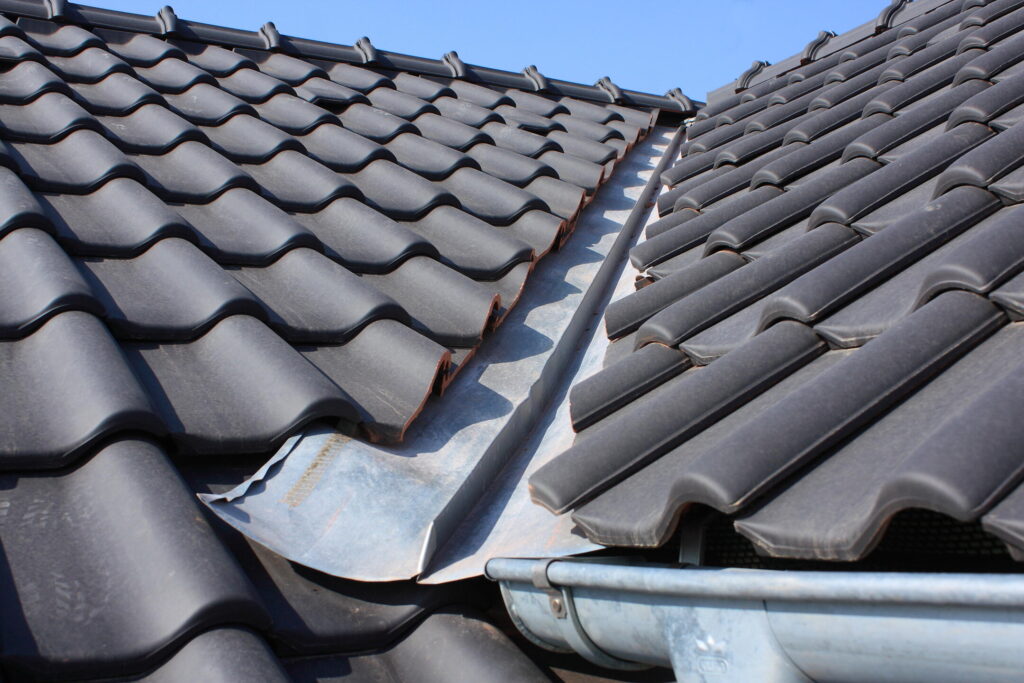
Open valleys use a strip of metal, such as galvanized steel, copper, or aluminum flashing, to channel water down the roof. Over time, that metal can rust, crack, or separate from the shingles along its edges. Storm damage and foot traffic can also bend flashing out of shape, creating gaps that let water slip through. Where a valley runs into a dormer or sidewall, the step flashing must tie in correctly as well.
4. Debris Buildup
Leaves, pine needles, and twigs naturally collect in valleys, especially on homes surrounded by mature trees. That debris slows water flow, traps moisture against the shingles, and can cause water to back up and spill sideways under the shingle edges.
- Debris can hold moisture long enough to encourage moss and rot
- Clogged valleys often overflow during heavy downpours
5. Ice Dams and Snow Accumulation
Valleys tend to collect snow because of their shape, and they often stay shaded longer than the rest of the roof. As snow melts during the day and refreezes at night, ice can build up in the valley and force water back under the shingles. This is one of the main reasons valleys leak in winter even when they seem fine the rest of the year.
Because several of these causes often occur together, finding the true leak source usually requires a close inspection from the roof. Smearing caulk over the surface without addressing what lies underneath often leads to the same leak returning a season later.
Open, Closed, and Woven Valleys: How They Compare
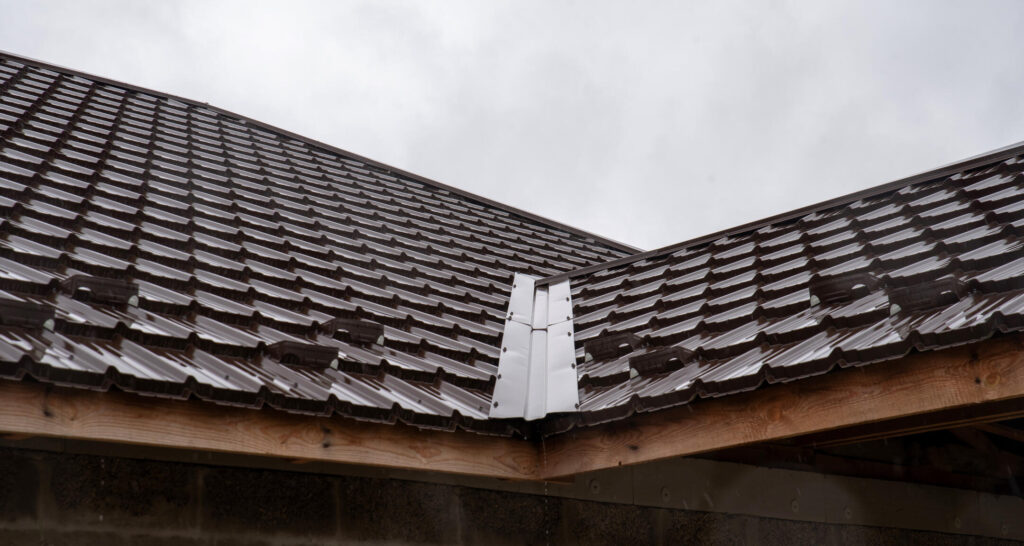
Not all roof valleys are built the same way. The style used on your home affects how well it sheds water, how it handles debris, and what kinds of problems are most likely to develop.
The three most common valley types each have their own strengths and weak points:
| Valley Type | How It Is Built | Strengths | Common Weak Points |
| Open valley | Metal flashing is exposed down the center, with shingles cut back on each side | Sheds water and debris quickly; very durable | Flashing can corrode or loosen over time |
| Closed cut valley | Shingles from one side run across the valley, and the other side is cut along a straight line | Clean look; common on asphalt shingle roofs | Leaks if cuts or nailing are done incorrectly |
| Woven valley | Shingles from both slopes are interlaced across the valley | Extra shingle layers add protection | Harder to repair; not ideal for thick architectural shingles |
Each style can perform well when installed correctly with proper underlayment. Problems usually come from shortcuts during installation or from age, not from the valley type itself. Some open valleys are lined with mineral-surfaced rolled roofing instead of metal, a traditional method that still works well over proper underlayment, and valleys on a low slope deserve extra attention because water moves through them more slowly.
If you are planning a new roof, it is worth asking your roofer which valley style fits your roof pitch and shingle type best. Homeowners in Falls Church and surrounding areas with heavy tree cover often benefit from open metal valleys, since they shed leaves and needles more easily than closed styles.
Keeping Your Valleys Leak-Free Through the Seasons
Valleys face different challenges as the seasons change. A little attention at the right time of year can prevent most of the leaks described above.
Fall: Clear the Debris
Autumn is when valleys collect the most leaves and needles. Clearing them out before winter keeps water moving and prevents debris from freezing into place. If your roof is steep or high, this is a job best left to a professional with proper safety equipment.
Winter: Watch for Ice
After a snowfall, keep an eye on your valleys from the ground. Thick ice buildup or large icicles hanging below a valley are signs that water may be backing up. Improving attic insulation and ventilation helps reduce the melting and refreezing that leads to ice dams.
Spring: Inspect for Storm Damage
Once winter is over, check for loose, cracked, or missing shingles along the valleys, as well as bent or rusted flashing and open seams. Pay special attention where a valley runs near a skylight or chimney, since these features add more joints where water can find a way in. Spring is also a good time to look inside the attic for water stains or wet insulation near valley locations.
Summer: Prepare for Heavy Downpours
Summer thunderstorms test valleys with sudden, high volumes of water. Make sure gutters at the bottom of each valley are clear so water has somewhere to go once it leaves the roof.
Pairing seasonal checks with a professional inspection every year or two gives you the best chance of catching valley problems early. Small repairs made promptly save real money compared to replacing decking or interior drywall later.
Frequently Asked Questions About Roof Valley Leaks
Homeowners often have questions once they learn how vulnerable valleys can be. Here are answers to some of the most common ones.
How do I know if my roof valley is leaking?
A leaking roof valley usually shows up as water stains on ceilings or walls beneath where roof slopes meet, along with damp spots in the attic near the valley or missing and damaged shingles along the valley line. Ice buildup in valleys during winter is another warning sign.
Can a roof valley leak be repaired without replacing the roof?
Yes, in many cases. A roofer can remove shingles or tiles along the valley, add or replace the waterproof underlayment and flashing to restore the seal, and reinstall new roofing. If the roof will need replacing within a few years or has other issues, a new roof may be the better long-term choice.
Why does my valley only leak in winter?
Winter leaks are often caused by ice dams. Snow melts, refreezes in the valley, and forces water under the shingles. Missing ice and water shield can make this problem worse.
Is roofing cement a good fix for a valley leak?
Roofing cement or caulk can serve as a short-term patch, but it tends to crack and fail over time. A lasting repair usually involves addressing the underlayment, flashing, or shingle installation.
How often should roof valleys be inspected?
It is a good idea to check valleys at least twice a year, typically in spring and fall, and after major storms. A professional inspection every year or two can catch hidden issues early.
Every roof is different, so the right solution depends on your valley style, roof age, and the source of the leak. A professional evaluation takes the guesswork out of choosing between a repair and a larger project.
Give Your Roof Valleys the Attention They Deserve
Roof valleys work harder than almost any other part of your roof, and that makes them one of the first places leaks appear. Staying on top of debris, ice, and worn materials helps protect your attic, ceilings, and roof deck from costly water damage.
Springfield Roofing helps homeowners in Falls Church and surrounding areas track down valley leaks and make repairs that last. If you have spotted ceiling stains, ice buildup, or damaged shingles along your valleys, contact us today to schedule an inspection.