


Pipe boots are easy to overlook. These small rubber and metal collars seal the spots where plumbing vents pass through your roof, and most homeowners never give them a second thought until a water stain appears on the ceiling. A roof pipe boot leak is one of the most common sources of roof leaks, and because it starts small, it often goes unnoticed for months. Understanding how these parts fail is a simple way to keep water out of your attic and living spaces for the long haul.
Here is what this guide covers:
- What a pipe boot does and why it fails
- The warning signs of a leaking boot
- Repair and replacement options compared
- How to keep pipe boots sealed longer
Why Such a Small Part Deserves Your Attention
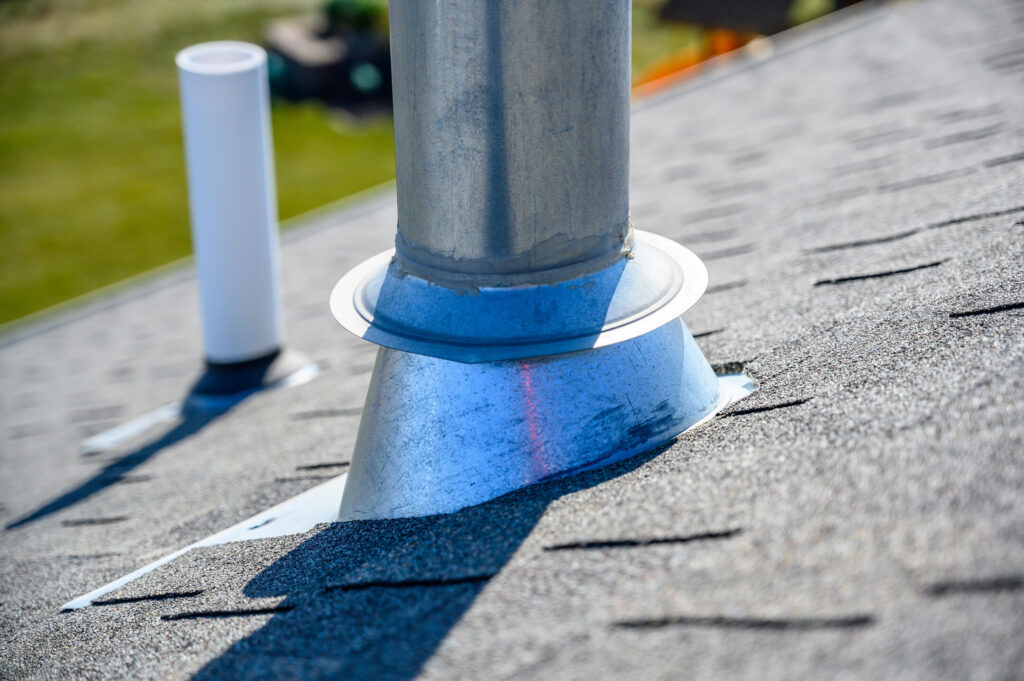
Every home with indoor plumbing has at least one vent pipe sticking out of the roof, and many have three or four. Each of those openings is a hole in your roof, and the pipe boot is the only thing standing between it and the next rainstorm.
Rooftop vent pipes let sewer gases escape and help drains flow properly, but constant exposure to sun and weather wears down the seal around them. One respected home improvement guide notes that a leaking rooftop vent pipe can cause significant damage if it is not addressed quickly. Here is why paying attention to pipe boots pays off:
- Prevents hidden water damage: Pipe boot leaks often drip onto attic insulation or the top of a ceiling, so the damage spreads quietly before you see it.
- Protects your roof deck: Slow, repeated leaks soften the plywood around the pipe, which can lead to rot and costly decking repairs.
- Stops mold before it starts: Damp insulation and framing in a warm attic create ideal conditions for mold growth.
- Keeps repairs simple and affordable: Replacing a worn boot is a small job compared to repairing a stained ceiling, soaked insulation, and rotted wood.
For homeowners in McLean and surrounding areas, hot summers and cold winters put pipe boots through constant expansion and contraction. That makes them one of the first roof components to show their age, often well before the shingles around them.
4 Reasons Pipe Boots Fail
Pipe boots do not last forever, and several factors can shorten their lifespan. Knowing why they fail makes it easier to spot problems early and choose the right fix.
1. Sun Damage and Rubber Breakdown
Most standard pipe boots use a rubber or neoprene collar that hugs the vent pipe. Years of direct sunlight and UV exposure cause that rubber to dry out, harden, and crack. Once the collar splits, rainwater runs straight down the pipe and into the attic.
- Cracks usually start on the side of the collar facing the most sun
- A boot that looks gray, chalky, or brittle is nearing the end of its life
2. Temperature Swings
Roofs experience dramatic temperature changes between day and night and from season to season. Rubber and metal expand and contract at different rates, and that constant movement stresses the seal. Over time, gaps can open between the collar and the pipe or between the boot’s base and the shingles.
3. Poor Installation
A pipe boot is only as good as its installation. If the base is not tucked under the shingles above it, water can run right underneath. Sharp edges on a cut pipe can also nick the rubber collar during installation, weakening it from day one.
- Exposed or unsealed nails on the boot’s base can let water in
- Boots sized incorrectly for the pipe will never seal properly
4. Physical Damage From Weather and Wildlife
Hail, falling branches, and wind-blown debris can tear or dent a pipe boot. Squirrels and other animals sometimes chew on rubber collars, leaving gaps that let water through. Even foot traffic from other roof work can bend the metal base out of position.
In many cases, more than one of these factors is at work. A boot that has been baking in the sun for a decade is far more likely to crack after a hailstorm or a hard freeze than a newer one.
Warning Signs Your Pipe Boot Is Leaking
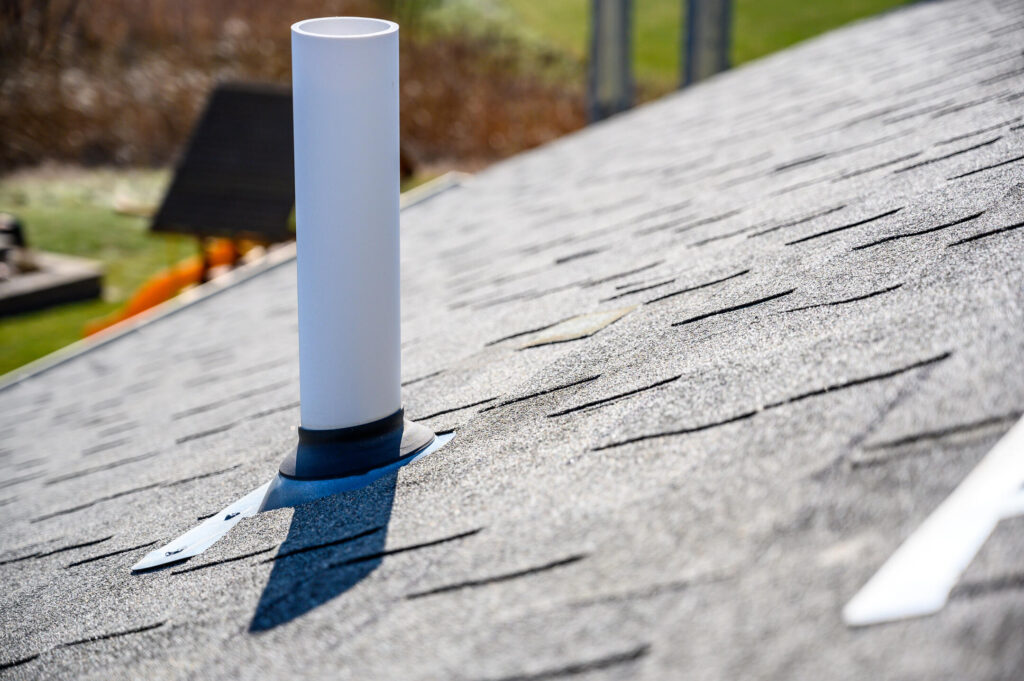
Pipe boot leaks rarely announce themselves with a dramatic drip. More often, the clues show up slowly, both inside the home and on the roof itself.
Here are the most common signs to watch for:
- Ceiling stains near bathrooms or kitchens: Plumbing vents usually sit above these rooms, so a brown or yellow stain nearby is a strong hint.
- Damp or matted attic insulation: Wet spots directly around a vent pipe in the attic almost always point to a failing boot.
- Musty odors upstairs: A persistent damp smell in upper rooms can signal moisture building up in the attic.
- Dripping sounds during rain: If you hear water in the attic or ceiling during a storm, the vent area is one of the first places to check.
- Visible cracks or gaps on the roof: From a safe vantage point, such as a window or with binoculars, look for split rubber or a base that has lifted away from the shingles.
- Rust or stains around the pipe: Rust on the metal base or dark streaking on the shingles below can indicate long-term water exposure.
If you notice any of these signs, it is best to have the area inspected before the next heavy rain. Catching a failing boot early usually means a quick repair instead of a larger project involving drywall, insulation, and decking.
Repair or Replace: Your Options for a Leaking Pipe Boot
Once a leaking boot is confirmed, there are a few ways to fix it. The right choice depends on the condition of the boot, the age of your roof, and how long you want the repair to last.
Quick Fixes and Their Limits
Sealant or caulk around a cracked collar may slow a leak for a short time, but it is not a lasting solution. Sealants break down in the sun just like rubber does, and a patch can trap water underneath if it is applied over a damaged base.
Slip-Over Repair Collars
When the metal base is still in good shape and only the rubber collar has cracked, a repair collar can slide over the existing boot to create a new seal around the pipe. This is a fast, affordable option for roofs that still have plenty of life left.
Full Pipe Boot Replacement
If the base is rusted, bent, or poorly installed, full replacement is the better choice. A roofer removes the surrounding shingles, takes out the old boot, checks the decking for water damage, and installs a new boot with its base properly tucked under the shingles above.
Comparing Pipe Boot Materials
If you are replacing a boot, it is worth considering the material. The table below shows how common options compare:
| Boot Type | Typical Durability | Best For |
| Standard rubber or neoprene with metal base | Shortest; rubber cracks with sun exposure | Budget repairs and newer roofs |
| Silicone collar | Longer; resists UV and temperature swings | Homeowners wanting fewer replacements |
| Lead or copper | Very long; no rubber to crack | Slate, metal, or high-end roofs |
| Hard plastic gasket-free systems | Long; designed to avoid collar cracking | Retrofits on existing shingle roofs |
If your roof is nearing replacement, it usually makes sense to wait and install new boots along with the new shingles. For homeowners in McLean and surrounding areas planning a roof replacement in the next few years, upgrading to longer-lasting boots at that time can prevent repeat leaks down the road.
Frequently Asked Questions About Roof Pipe Boot Leaks
Pipe boots raise plenty of questions, especially when a mysterious ceiling stain appears. Here are answers to some of the questions homeowners ask most often.
How long do pipe boots usually last?
It depends on the material and how much sun the roof gets. Standard rubber boots often wear out before the shingles around them, while silicone, lead, and copper boots typically last much longer.
Can I fix a leaking pipe boot myself?
Some handy homeowners can install a slip-over collar, but working on a roof carries real fall risks. A roofer can also check for hidden damage to the decking and insulation that a quick DIY repair might miss.
Is caulk enough to stop a pipe boot leak?
Caulk can slow a leak temporarily, but it is not a permanent fix. Once the rubber collar has cracked, the boot or collar should be replaced.
How do I know the leak is from the pipe boot and not something else?
Leaks near bathrooms or kitchens, and wet insulation right around a vent pipe in the attic, strongly suggest a pipe boot problem. A professional inspection can confirm the source.
Should pipe boots be replaced with a new roof?
Yes. Reusing old boots on a new roof is a common shortcut that can lead to leaks within a few years. New boots should always be installed during a full roof replacement.
Every roof is different, so the best answer for your home depends on the condition of your boots and the roof around them. A quick inspection can tell you whether a simple repair will do or whether replacement makes more sense.
Small Part, Big Protection
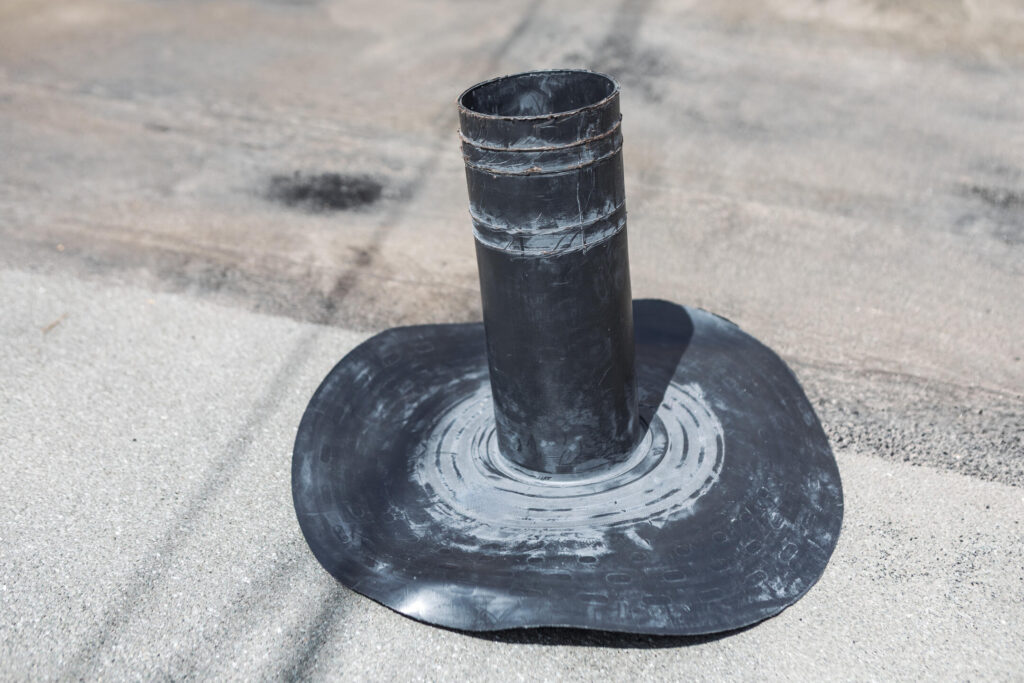
Pipe boots may be one of the smallest parts of your roof, but they play an outsized role in keeping your home dry. Catching cracks and gaps early protects your attic, ceilings, and roof deck from damage that is far more expensive to fix than the boot itself.
Springfield Roofing helps homeowners in McLean and surrounding areas find and fix pipe boot leaks before they turn into bigger problems. If you have spotted a ceiling stain or suspect your boots are past their prime, contact us today to schedule an inspection.


