Winter damage does not always come from a single big storm. More often, it builds slowly as temperatures climb above freezing during the day and drop below it again at night. The freeze-thaw cycle shingles go through each winter can loosen seals, crack surfaces, and let water creep into places it should never reach. Knowing how this process works helps you catch problems early and protect the layer that keeps your whole home dry through the coldest months of the year.
Here is a quick look at what this guide covers:
- What the freeze-thaw cycle is and why it matters
- Seven ways repeated freezing and thawing damages shingles
- Warning signs to look for after a cold snap
- Practical steps to protect your roof all winter
Why Winter Temperature Swings Take Such a Toll
Asphalt shingles are built to handle freezing temperatures, but they struggle with fluctuating temperatures. Each time a freeze thaw cycle occurs, water sneaks into tiny cracks and gaps. When temperatures drop again, that water freezes and expands, prying those openings a little wider every cycle.
One round of freezing and thawing rarely causes noticeable damage. The problem is that multiple freeze thaw cycles can happen in a single week, and the effects add up. The same cycle is also what creates ice dams along the roof edge. Here is why it deserves your attention:
- Hidden damage spreads: Small cracks and loose seals grow slowly, often without any visible sign from the ground.
- Leaks start in winter: Water that sneaks under shingles can reach the decking and attic during the winter months, when you need your roof most.
- Shingles age faster: Repeated expansion and contraction wears down shingles years before they would otherwise need replacing.
- Repairs get more expensive: Catching damage early costs far less than the costly repairs needed for rotted decking, wet insulation, or interior damage later.
Homeowners in Springfield and surrounding areas are especially familiar with this pattern. Northern Virginia winters often bounce between mild afternoons and freezing nights, which means roofs here can go through dozens of freeze-thaw cycles in a single season.
7 Ways the Freeze-Thaw Cycle Damages Asphalt Shingles
Roof damage from freezing and thawing shows up in several different ways. Some are easy to spot, while others stay hidden until a leak appears inside the home.
1. Water Expands Inside Small Cracks
Water expands when it freezes. When moisture settles into hairline cracks in a shingle, each freeze forces those cracks a little wider. Over time, small imperfections can turn into splits that let water pass straight through. Sudden temperature drops add thermal shock, which stresses roofing materials even further.
2. Granules Loosen and Wash Away
The granules on top of asphalt shingles protect them from UV rays and weather. Ice and constant moisture exposure can loosen these granules, a problem known as granule loss, which leaves the underlying asphalt unprotected.
- Bare patches leave the asphalt exposed to sun, water, and further damage
- Granules collecting in gutters are an early warning sign
3. Shingles Become Brittle
Cold temperatures make asphalt stiffer and less flexible. When older shingles become brittle, they are more likely to crack under wind, foot traffic, or the weight of ice and snow.
4. Sealant Strips Break Loose
Shingles are held together by heat-activated adhesive strips. Constant expansion and contraction can weaken that bond, leaving shingle edges lifted and vulnerable to wind and water.
5. Nails Begin to Back Out
Temperature swings cause the roof deck to expand and contract slightly. Over many cycles, this movement can push nails upward, creating what roofers call nail pops. A raised nail can puncture the shingle above it and open a path for water.
- Nail pops often appear as small bumps on the roof surface
- Each one is a potential leak point
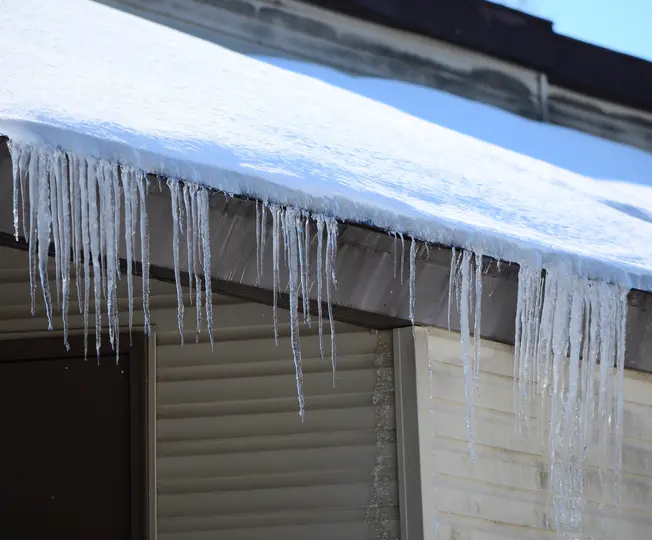
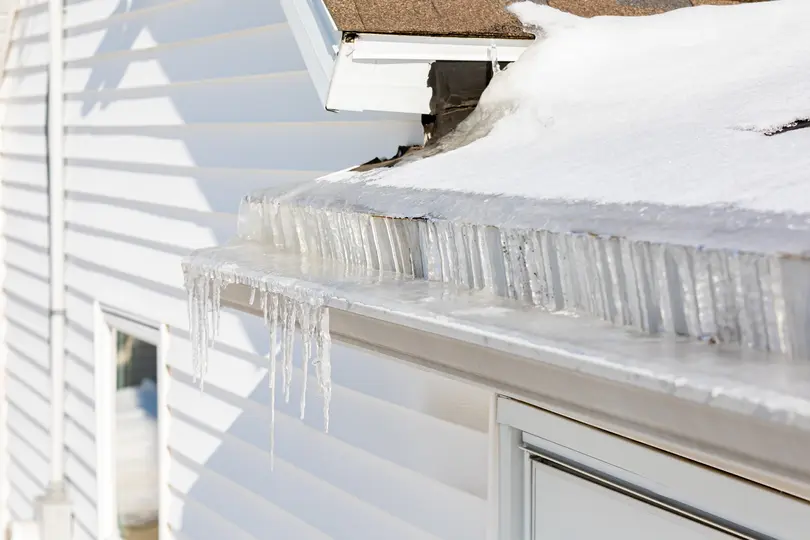
6. Ice Dams Form Along the Eaves
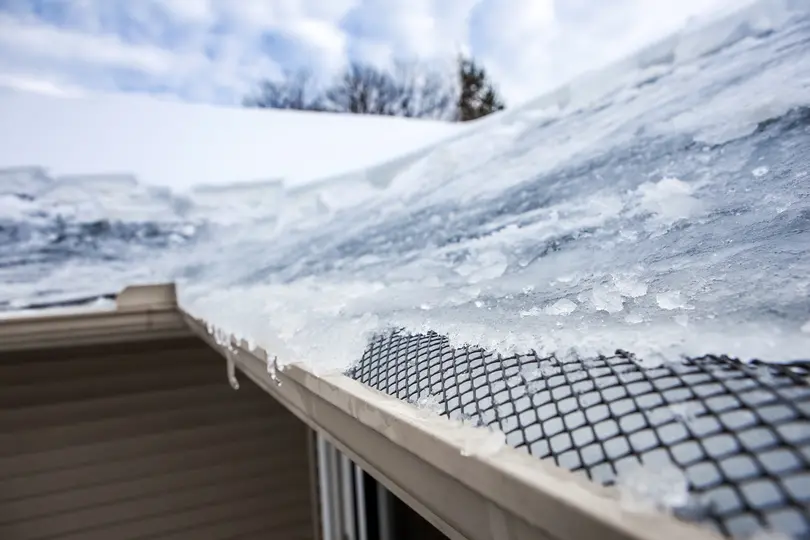
When heat loss from the living space warms the attic, it melts snow on the roof. The meltwater runs down and refreezes at the colder eaves, starting ice dam formation. That ridge of ice traps more meltwater behind it, which can back up under shingles and into the home.
7. Moisture Reaches the Decking
Once moisture intrusion gets past the shingles, it can soak into the underlayment and roof deck, threatening the structural integrity of the roofing system. Repeated wetting and freezing can lead to soft spots, rot, and mold growth in the attic. Because this damage happens beneath the shingles, it often goes unnoticed until a ceiling stain or sagging section appears.
Each of these problems makes the next one more likely, which is why freeze-thaw damage tends to accelerate once it starts. Left unaddressed, small issues grow quickly, but most can be caught and corrected before they turn into major problems.
Signs Your Shingles Are Feeling the Effects
Freeze-thaw damage is easiest to spot right after a thaw, when snow has melted and the roof surface is visible. A quick look from the ground and a check inside the attic can tell you a lot.
- Cracked or split shingles: Look for visible lines or breaks, especially on older sections of the roof.
- Curling or lifted edges: Shingles that no longer lie flat may have lost their seal.
- Granules in gutters or downspouts: Small, sand-like particles collecting near the downspouts point to surface wear.
- Small bumps on the roof: Raised spots can indicate nail pops pushing up through the shingles.
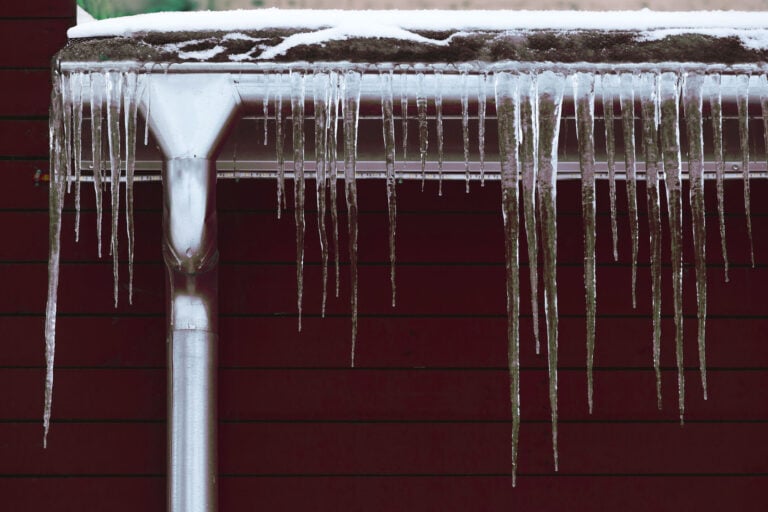
- Large icicles or ice along the eaves: These often signal ice dams and heat escaping from the attic.
- Water stains or damp insulation: Discoloration on ceilings or wet spots in the attic mean water has already made its way inside.
Never climb onto an icy roof to inspect it yourself. If you notice any of these signs, a professional inspection can confirm the extent of the damage and recommend the right fix.
How to Protect Your Roof From Freeze-Thaw Damage
You cannot control the weather, but you can make your roof far more resilient against it. These steps target the root causes of freeze-thaw damage and help your shingles last longer.
Improve Attic Ventilation
Proper attic ventilation keeps the attic close to the outdoor temperature, which helps heavy snow melt evenly instead of refreezing at the eaves. Balanced intake and exhaust vents are key.
Add or Upgrade Insulation
Insulation keeps heat inside your living space and out of the attic. Less heat reaching the roof deck means fewer melt-and-refreeze cycles on the roof surface.
Seal Attic Air Leaks
Gaps around light fixtures, vent pipes, and attic hatches let warm air escape into the attic. Sealing these openings is one of the most effective ways to reduce ice dams.
Keep Gutters Clear
Clogged gutters hold water and ice right at the roof edge. Cleaning them in the fall helps meltwater drain away quickly instead of freezing in place.
Repair Small Problems Quickly
Replacing a few cracked shingles or resealing a lifted edge is a small job that usually takes very little time. Leaving those problems through a full winter allows freeze-thaw cycles to make them much worse.
Consider Upgrades During Replacement
If you are planning a roof replacement, ice and water shield along the eaves and valleys adds an important layer of protection. Many modern shingles also use superior materials, with stronger sealants and more flexible formulas than traditional shingles, so they hold up better to cold climates and severe storms.
Taken together, these steps reduce the amount of water and heat your roof has to deal with. For most homeowners in Springfield and surrounding areas, a combination of better ventilation and timely repairs makes the biggest difference.
Frequently Asked Questions About Freeze-Thaw Damage
The freeze-thaw cycle can be confusing, especially when damage is not visible right away. Here are answers to some of the most common questions homeowners ask.
What is the freeze-thaw cycle?
It is the repeated process of water freezing and melting as temperatures move above and below 32°F. On a roof, it causes water to expand inside cracks and gaps, slowly widening them.
Are new shingles affected by freeze-thaw cycles?
New shingles hold up well, but they are not immune. Older shingles that have already lost flexibility and granules are far more vulnerable.
Can freeze-thaw damage cause roof leaks?
Yes. Cracked shingles, broken seals, nail pops, and ice dams can all allow water to reach the decking and attic, leading to leaks.
How can I tell if my roof has freeze-thaw damage?
Look for cracked or curling shingles, granules in your gutters, raised nails, and water stains inside the home. A professional inspection can find damage you cannot see from the ground.
When should I have my roof inspected?
Regular inspections in late fall catch weak spots before winter, and early spring is a good time to check for damage before spring rain arrives.
Every roof handles winter a little differently depending on its age, materials, and ventilation. A trained set of eyes can help you understand exactly how your shingles are holding up.
Help Your Roof Stand Up to Winter
The freeze-thaw cycle may be slow and quiet, but its effects on asphalt shingles add up quickly. Staying ahead of small problems and improving how your roof handles heat and moisture can extend its life by years.
Springfield Roofing helps homeowners in Springfield and surrounding areas protect their roofs through every season. Whether you need an inspection of your roof’s condition, shingle repairs, or advice on a replacement, our team is ready to help. Contact us today to schedule a visit and keep your roof strong all winter long.