A metal roof is one of the toughest choices a homeowner can make, but its smooth surface has one winter quirk: snow tends to slide off all at once. A sudden rooftop avalanche can crush shrubs, dent cars, tear off gutters, and put anyone below at risk. Metal roof snow guards keep that snow in place so it melts off gradually instead. If you are weighing the long-term upkeep of a durable, low-maintenance roof, knowing whether you need snow guards is an important piece of the puzzle.
A few quick takeaways from this article:
- Why snow slides off metal roofs and what it can damage
- Seven factors that decide whether your home needs snow guards
- The main types of snow guards and how they differ
- How snow guards compare to other winter roof solutions
The Real Reason Snow Guards Matter on Metal Roofs
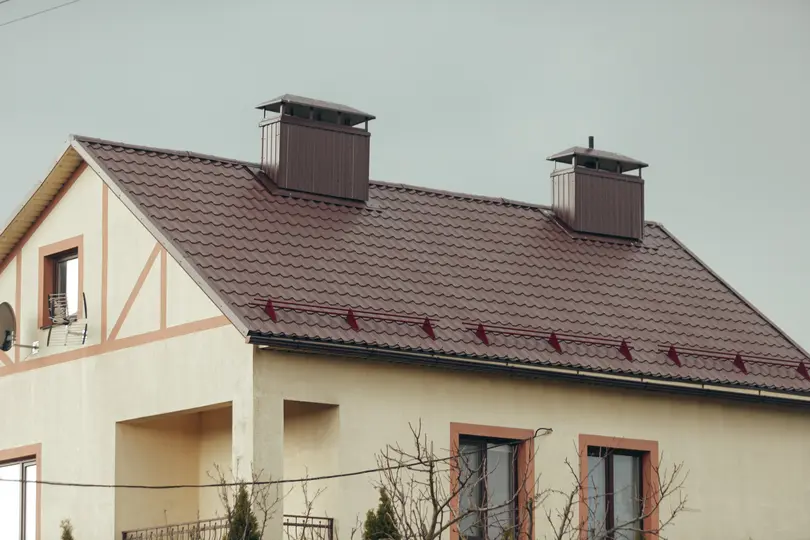
Metal panels are slick by design, which helps them shed rain and resist moss. In winter, though, that same smooth finish gives snow almost nothing to grip, so as the snow melts against warm panels, a large load can release in seconds.
Unlike asphalt shingles, which have a rough surface that creates natural friction, a metal roof surface lets snow build up and then break loose without warning. That is why most snow guards are installed on metal roofs rather than other materials. Here is what they protect:
- People and pets: Heavy, wet snow sliding from a second-story roof can cause serious injuries to anyone walking below.
- Gutters and downspouts: A sliding sheet of snow and ice can bend or rip gutters off the fascia, leaving no way to move water away from your foundation.
- Landscaping and property: Shrubs, decks, patio furniture, and parked cars near the eaves are all in the drop zone.
- Lower roof sections: Snow falling from an upper roof onto a porch or addition can overload and damage the roof below.
Northern Virginia does not see the snowfall totals of New England, but it does get heavy, wet storms followed by quick warm-ups. For homeowners in Great Falls and surrounding areas, that pattern is exactly what triggers sudden slides.
7 Factors That Decide Whether Your Home Needs Snow Guards
Not every metal roof needs the same level of snow retention, and some may not need it at all. These factors help you and your roofer decide whether snow guards are a smart investment for your home.
1. Your Local Snowfall Pattern
The amount and type of snow your area receives matters more than you might think. Even a few storms a year can create dangerous slides if the snow is heavy and wet, which is common in the Mid-Atlantic.
2. Roof Pitch
Steeper roofs shed snow faster and with more force. A steep pitch generally calls for snow guard systems with more strength, sometimes with more than one row of guards.
- Low-slope or nearly flat roofs may need fewer guards
- Steep roofs often need multiple rows for even distribution
3. What Sits Below Your Eaves
Think about what is directly under the roof edge. Entryways, walkways, driveways, decks, and garage doors are high-traffic spots where falling snow poses the greatest risk.
4. Your Gutter System
Gutters take a beating when snow slides off a metal roof. If your gutters are new or costly, such as copper or seamless systems, snow guards help protect that investment.
5. Multi-Level Rooflines
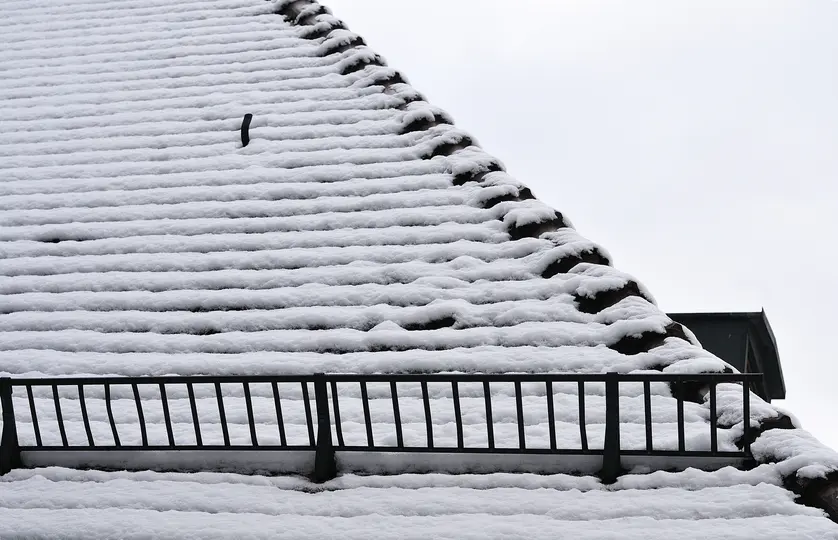
Homes with dormers, porches, or additions often have upper roofs that drain onto lower ones. Snow guards on the upper roof prevent heavy loads from slamming onto the lower sections.
6. Your Roof’s Orientation
North-facing slopes stay colder and hold snow longer, while south-facing slopes warm up quickly and release snow faster. The direction your roof faces can affect where guards are needed most.
7. Local Codes and Manufacturer Recommendations
Some building codes and metal roofing manufacturers recommend or require snow retention in certain situations. Following those guidelines can also help protect your roof warranty.
- Ask your roofer whether your panel manufacturer has specific requirements
- Confirm that any system is approved for your roof type and panel profile
If several of these factors apply to your home, snow guards are likely worth adding. A professional assessment can confirm exactly where they belong and how many you need.
Choosing the Right Type of Snow Guard
Once you know your roof needs snow retention, the next step is picking the right style. There is no single best snow guard for every home, and the right choice depends on your roof profile, snow load, and how visible you want the system to be.
Bar-Style Systems
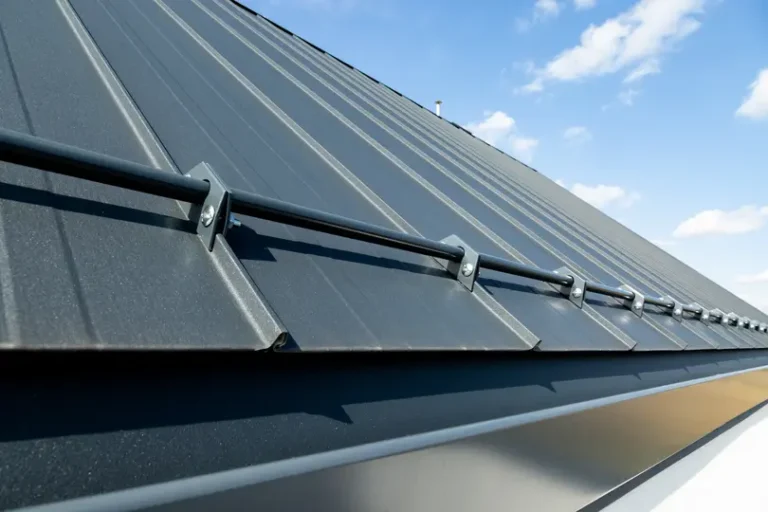
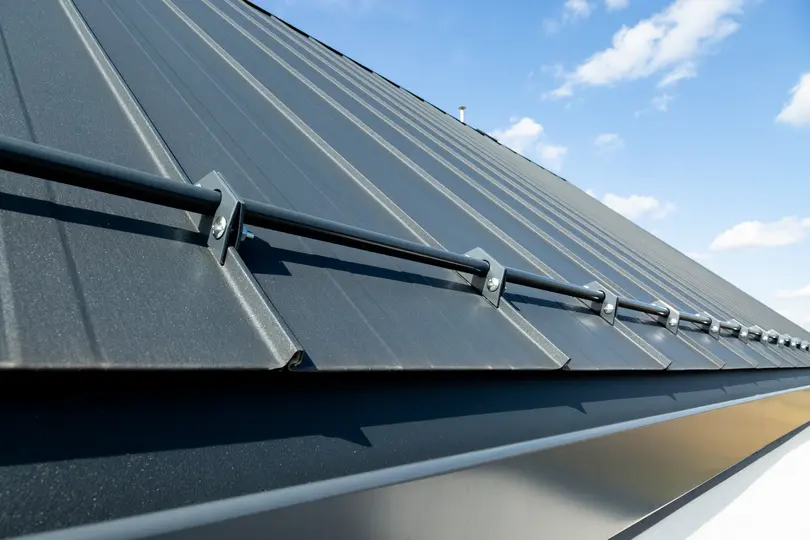
Bar-style systems use a single continuous snow bar, often manufactured from aluminum or stainless steel, that runs across the roof, usually just above the eaves. They have a clean, low-profile look and often need only one row to hold snow effectively. Many can be color-matched to your metal panels.
Fence-Style Systems
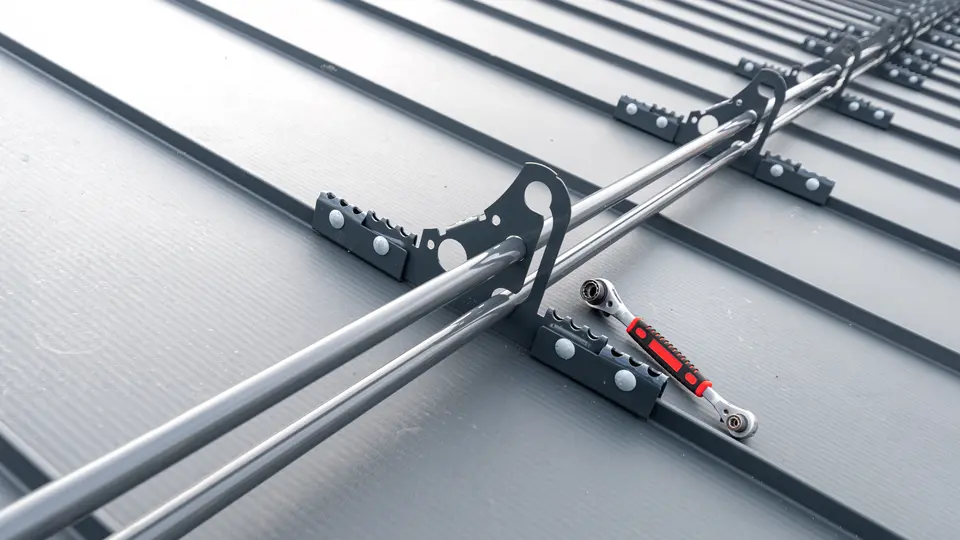
Also called snow rails, fence style snow systems use two or more parallel bars or pipes. They hold more snow than a single bar and can handle steep roofs or heavier storms, though they are typically more expensive.
Pad-Style or Unitized Guards
Pad style snow guards are individual units spaced across the roof in a staggered pattern. Instead of one long barrier, their ability to hold the load comes from snow bridging between the pads. They are less noticeable from the ground, often cost less than continuous systems, and work well on many residential roofs.
Attachment Methods
How the guards attach matters just as much as the style you choose.
- Clamp-on systems: These grip standing seam panels without drilling through them, which keeps the roof watertight and helps preserve warranties.
- Screw-mounted systems: Common on exposed-fastener panels, these must be sealed carefully to prevent leaks.
- Adhesive systems: These avoid penetrations, but mechanically attached systems are generally more dependable under heavy loads.
Established manufacturers such as Rocky Mountain Snow Guards, Inc. and Alpine SnowGuards offer quality products for most roof types, but finding the right fit still takes a close look at your roof. Choosing the right combination of style and attachment is where professional experience pays off. A poorly matched system can fail under load or damage the very roof it is meant to protect.
Snow Guards vs. Other Winter Roof Solutions
Snow guards are not the only tool for managing winter weather on your roof. Many homeowners wonder how they compare to other options, and in some cases the best results come from combining more than one approach.
| Solution | What It Does | Best For | Limitations |
| Snow guards | Hold snow on the roof so it melts gradually | Metal roofs over walkways, gutters, and lower roofs | Does not melt snow or ice |
| Heat cables | Melt channels through snow and ice at the eaves | Roofs prone to ice dams | Uses electricity, limited coverage |
| Roof raking | Pulls snow off from the ground with a long tool | Low, single-story roof edges | Labor intensive, can scratch panels |
| Gutter guards | Keep debris out of gutters for better drainage | Homes with tree cover | Do not stop sliding snow |
For metal roofs, snow guards usually provide the most effective, hands-off protection. Heat cables can help in specific trouble spots, but they serve a different function, which is managing ice buildup rather than sliding snow.
Roof raking is often impractical on a metal roof because it can scratch the finish and puts you directly in the slide path. That makes a properly designed snow retention system the safer, longer-lasting choice for most homes in Great Falls and surrounding areas.
Frequently Asked Questions About Metal Roof Snow Guards
Snow guards raise plenty of practical questions, especially for homeowners new to metal roofing. Here are answers to some of the most common ones.
Can snow guards be added to an existing metal roof?
Yes. Snow guards can be installed on a new or existing metal roof. Clamp-on systems are especially popular for retrofits on standing seam panels because they attach without drilling.
How many snow guards does my roof need?
It depends on your roof pitch, panel length, local snow load, and the system you choose. A roofing professional or the snow guard manufacturer can calculate the right number and layout, which also shapes the total cost of the installation.
Will snow guards damage my metal roof?
Not when quality products are installed correctly with the right hardware. Problems usually come from incorrect attachment methods or unsealed fasteners.
Do snow guards cause ice dams?
Snow guards hold snow in place, but ice dams are mainly caused by heat escaping from the attic. Good insulation and ventilation are the best defense against ice dams.
Are snow guards worth it in Northern Virginia?
For many homes, yes. Even occasional heavy, wet storms can cause dangerous slides, especially over entryways, driveways, and lower roofs.
Every home is different, so the right snow retention plan depends on your roof design and what sits below it. A quick inspection takes the guesswork out of the decision.
Get Your Metal Roof Ready for Winter
Metal roof snow guards are a small addition that can prevent big problems, from damaged gutters and crushed landscaping to serious injuries. Planning your snow guard project ahead of time, before the first storm, means you can enjoy the durability of your metal roof without worrying about what might slide off it.
At Springfield Roofing, we help homeowners in Great Falls and surrounding areas choose and install snow retention systems that fit their roof, their climate, and their home’s style. If you are not sure whether your roof needs snow guards or want an expert opinion on placement before you purchase a system, contact us today and our team will help you prepare for winter with confidence.