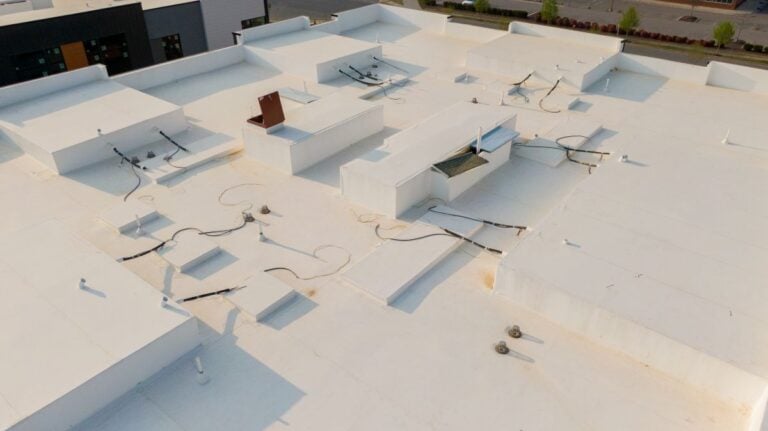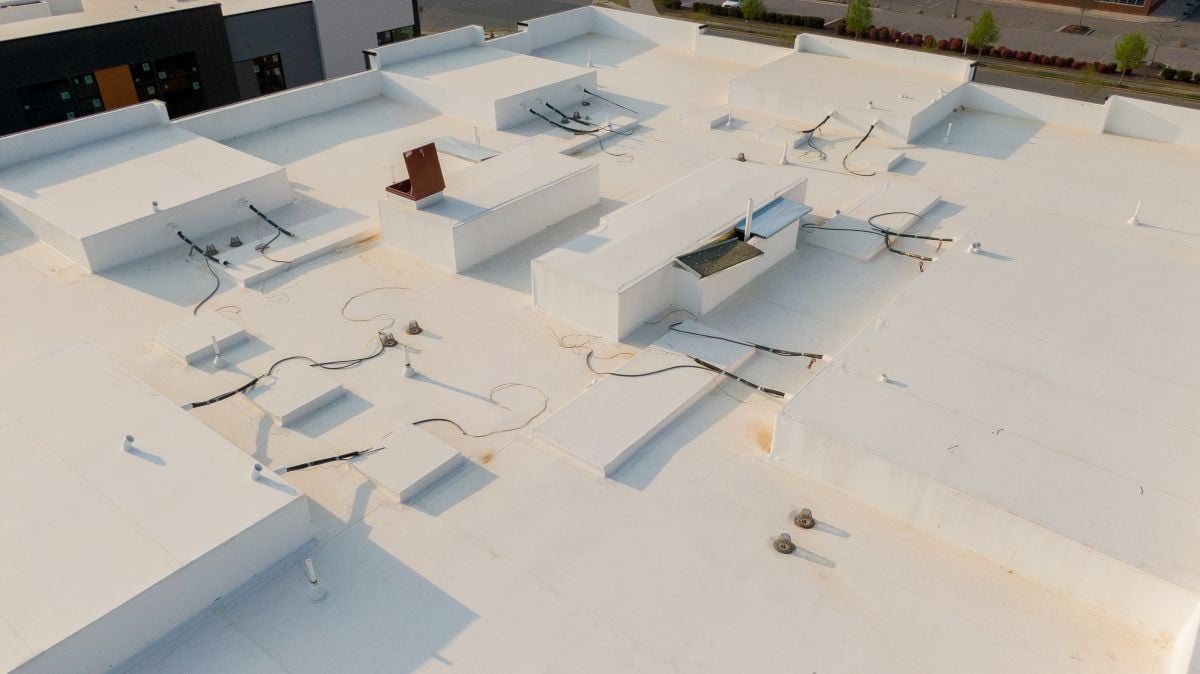
Budgeting for a new commercial roof starts with understanding what actually drives the price tag on flat roofs. Getting a clear picture of tpo roofing cost helps owners of commercial buildings and industrial properties plan ahead instead of being caught off guard by an unexpected estimate. Many business owners start their research by looking into the options available for low slope roofing systems before comparing quotes from local contractors. This guide breaks down what influences pricing for thermoplastic polyolefin, a popular single ply membrane, and what you can realistically expect to pay per square foot.
Here’s what you’ll take away from this guide:
- Why understanding TPO roofing cost helps you plan your budget
- The main factors that influence what you’ll pay per square foot
- A breakdown of typical material and installation costs
- How TPO pricing compares to other common roofing systems
Why Understanding TPO Roofing Cost Matters
A commercial roof is one of the biggest capital expenses a property owner will face, and TPO has become a popular option because it balances performance with a reasonable price point. Knowing what drives the cost up or down gives you leverage when comparing quotes and helps you avoid overpaying for materials or labor you don’t actually need. Property owners throughout Fairfax and surrounding areas who understand these cost factors are in a much stronger position when it comes time to negotiate with a contractor.
- Enables accurate budgeting: Understanding typical price ranges helps you set realistic expectations before requesting quotes.
- Prevents overpaying: Knowing which factors legitimately affect cost helps you spot quotes that seem inflated.
- Supports better comparisons: A clear grasp of pricing components makes it easier to compare bids and identify the most cost effective option.
- Highlights long-term value: Factoring in energy savings and warranty coverage helps you see the full financial picture beyond the initial price tag.
Going into a roofing project informed rather than blind can save thousands of dollars over the life of the project and help protect your budget from unexpected surprises. It also makes conversations with contractors more productive, since you’ll know which questions to ask and which details actually matter, whether you’re weighing upfront pricing against ongoing repair costs.
4 Factors That Influence TPO Roofing Cost
TPO roofing prices can vary significantly from one project to the next, with many variables influencing the final number. Property owners in Fairfax and surrounding areas often see this firsthand when comparing quotes from different contractors, since the same square footage can carry very different price tags depending on these variables.
1. Roof Size and Square Footage
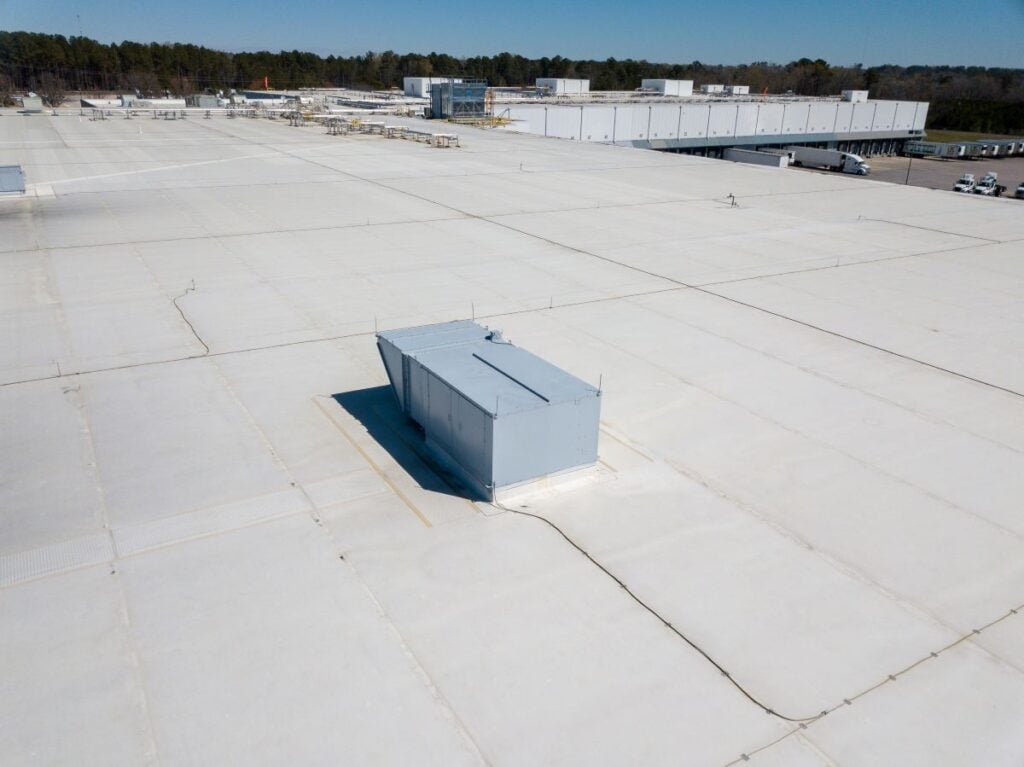
Larger roofs generally cost less per square foot than smaller ones, since fixed costs like equipment setup and mobilization get spread across more total area. A small roof with a lot of complex detail work can sometimes cost more per square foot than a much larger, simpler one, which often surprises property owners comparing quotes for the first time.
- Larger commercial roofs often benefit from bulk material pricing
- Smaller roofs may carry a higher relative cost due to fixed labor expenses
- Total square footage remains one of the biggest overall cost drivers
2. Membrane Thickness
TPO sheet thickness is measured in mils, with standard options including 45-mil, 60-mil, and 80-mil, and thicker options generally offer better durability and resistance to membrane punctures at a higher price point. Choosing the right thickness for your building’s specific needs is one of the clearest ways to control cost without sacrificing performance where it matters most, especially on roofs that see regular foot traffic or rooftop equipment servicing.
- Thinner membranes reduce upfront cost but may need earlier replacement
- Thicker membranes cost more initially but often last longer
- The right choice depends on foot traffic, climate, and expected roof lifespan
3. Insulation and Substrate Condition
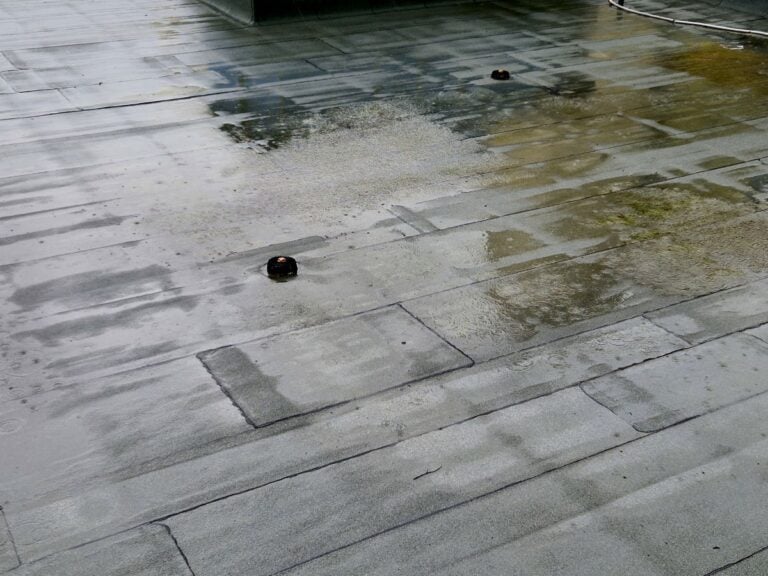
The condition of the existing roof deck and insulation plays a major role in overall project cost. If the substrate is damaged or holding wet insulation, it will need to be repaired or replaced before the new TPO membrane can be installed, which adds to the total price. Poor drainage, clogged gutters, or ponding water near drains can accelerate this kind of insulation damage over time. These hidden conditions are often the biggest source of cost overruns on projects that seemed straightforward before demolition began.
- Wet or deteriorated insulation increases material and labor costs
- A sound existing substrate keeps installation costs lower
- Adding a cover board over the insulation improves durability and provides a smoother welding surface, at a modest added cost
- Tapered insulation systems for improved drainage add cost but reduce long-term risk
4. Labor and Installation Complexity
Labor rates vary by region, and installation complexity can add significantly to the final cost. The attachment method you choose also plays a major role, since fully adhered systems generally cost more than mechanically fastened systems due to the added labor and adhesive materials involved. Roofs with a lot of penetrations, unusual angles, or difficult access all require more time and skilled labor to complete correctly, and that extra time gets reflected directly in the final bid.
- Mechanically fastened systems use barbed plates and fasteners, making them a cost effective and widely used installation method
- Fully adhered systems are chemically glued for better wind uplift performance, typically at a higher cost
- TPO can also be ballasted, though this attachment method is less common on commercial projects
- Rooftop drains, HVAC units, and edge metal near the roof perimeter require careful, time-consuming detail work
- Difficult access can increase labor costs due to equipment and staging needs
Each of these factors interacts with the others, which is why an accurate quote requires a real inspection rather than a rough estimate based on square footage alone. Tear-off of the old roof, when required, increases labor and disposal costs significantly, and permits or inspections may add further expense depending on local building codes. Contractors who take the time to evaluate your specific roof are far more likely to give you a number that holds up once the work actually begins, instead of one that grows once hidden problems are discovered.
What TPO Roofing Typically Costs
Getting a general sense of typical pricing helps you evaluate whether a quote falls within a reasonable range. While every project is different, most TPO roofing projects in Fairfax and surrounding areas break down into a few predictable cost categories.
Material Costs
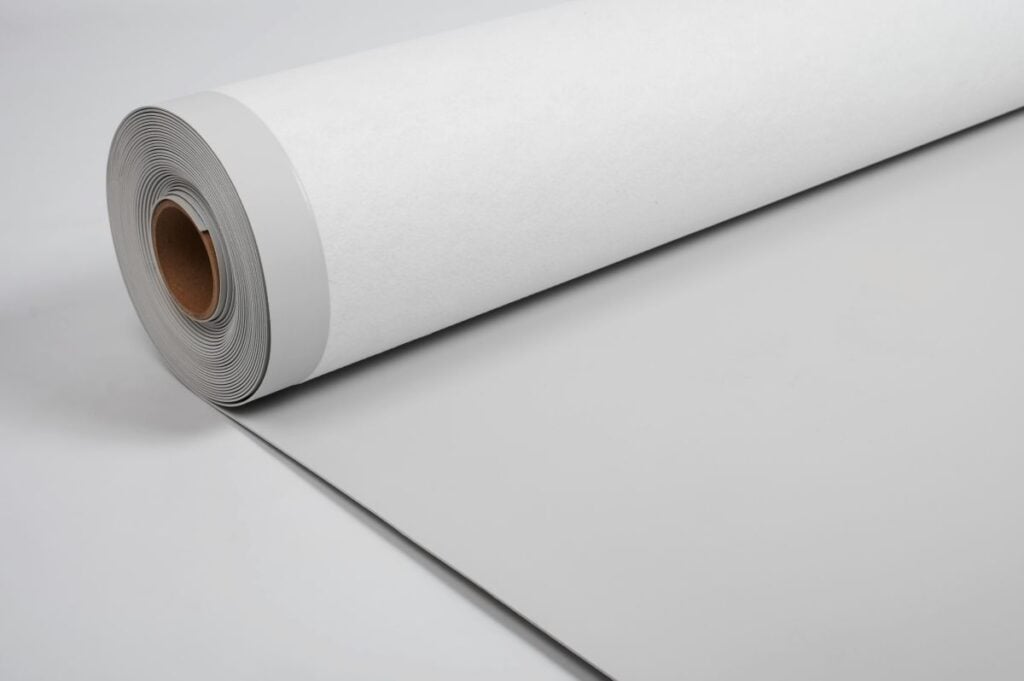
TPO membrane material typically accounts for a significant portion of the total project cost, generally ranging from $2.50 to $4.50 per square foot depending on thickness and manufacturer quality. Accessories like flashing, fasteners, and adhesives add to this figure and shouldn’t be overlooked when comparing quotes, since some contractors bundle them into the estimate while others list them separately.
Installation Labor
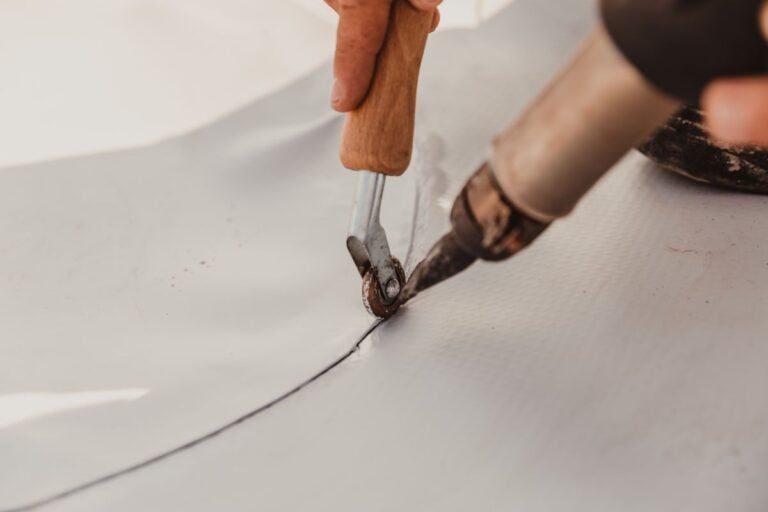
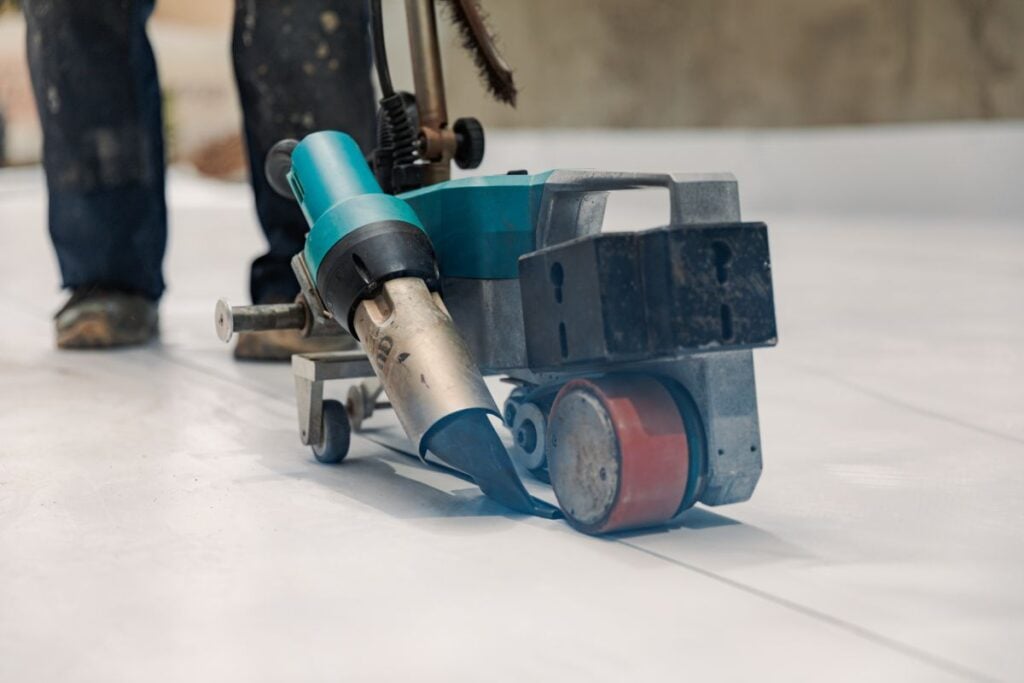
Labor costs, which typically run from $3.00 to $5.00 per square foot, cover everything from surface preparation to the actual welding of seams and installation of flashing details. This portion of the budget tends to fluctuate the most based on roof complexity and the experience level of the crew doing the work, and it’s often where the biggest differences between contractor bids show up.
Total Project Range
When material and labor costs are combined, most TPO roofing projects average between $5.50 and $9.50 per square foot, with installed pricing typically landing between $6.50 and $8.50 per square foot for straightforward projects. Larger or more complex roofs, or those requiring a full roof replacement rather than a simpler overlay, can push costs toward the higher end of that range. Getting multiple detailed quotes remains the best way to understand where your specific project will land.
Understanding these categories individually makes it much easier to spot a quote that seems out of line, whether that means an unusually low bid that might cut corners or an inflated one that doesn’t match the scope of the total cost involved. It’s worth noting that TPO roofing makes up roughly 40 percent of the commercial roofing market, which has helped keep pricing competitive as more contractors gain experience installing it.
TPO vs. Other Roofing Systems: Cost Comparison
Choosing the right roofing system involves more than comparing sticker prices, since different roof types come with different long-term maintenance and lifespan considerations. TPO offers a compelling balance of cost and performance, but comparing TPO against other common commercial options can help put its cost into proper perspective.
| Roofing System | Installed Cost | How It Compares to TPO |
| EPDM | $7 to $12 per square foot | Costs slightly less, but TPO’s heat welded seams offer stronger waterproofing, and its reflective surface improves energy efficiency and generates cooling cost savings that can offset the price difference |
| PVC | $9 to $14 per square foot | Costs more due to stronger chemical resistance, making it a better fit for buildings with rooftop kitchen exhaust or heavy chemical exposure |
| Built-up roofing | Often less expensive upfront | Can cost less initially but generally requires more ongoing maintenance and doesn’t offer the same energy efficiency benefits as TPO |
| Modified bitumen | Comparable to TPO | Installation costs are similar, but TPO’s lighter color and UV resistance typically perform better in hot climates |
Weighing these comparisons against your building’s specific needs, budget, and climate helps ensure you’re choosing the system that delivers the best value over time, not just the lowest number on a single quote. TPO roofing generally lasts 20 to 30 years with proper maintenance, requires relatively low maintenance to hold up well, and typically carries warranty options ranging from 20 to 35 years, all of which add to its long term durability. A knowledgeable contractor can walk you through these tradeoffs in the context of your specific building and location, helping you avoid a decision you might regret once the roof is a few years into its service life.
Plan Your TPO Roofing Project with Confidence
Understanding TPO roofing cost gives you the tools to make a smart, informed decision instead of guessing your way through the process. Springfield Roofing has helped property owners throughout Fairfax and surrounding areas navigate these decisions with clear, honest pricing every step of the way.
Whether you’re comparing your first few quotes or already have a project in mind, our team can walk you through exactly what factors into your specific price and why. We’ll assess your roof, explain our findings, and provide a transparent breakdown so you know exactly what you’re paying for, without any surprises once the work is underway.
Don’t leave your roofing budget to guesswork. Contact us today to get a detailed estimate for your TPO roofing project.