Noticing the early signs of roof leak in attic areas can save you thousands in repairs. Attic leaks often start small, just a bit of moisture on insulation or a faint ceiling stain, but can quickly lead to mold, rotting wood, and structural problems. Recognizing these warning signs early helps you stop damage before it spreads.
- Hidden problem: Many roof leaks begin in the attic long before reaching the ceiling.
- Cost-saving opportunity: Early detection helps avoid full roof replacements.
- Simple prevention: Knowing what to look for keeps your home dry and secure.
Why Attic Leaks Are So Common
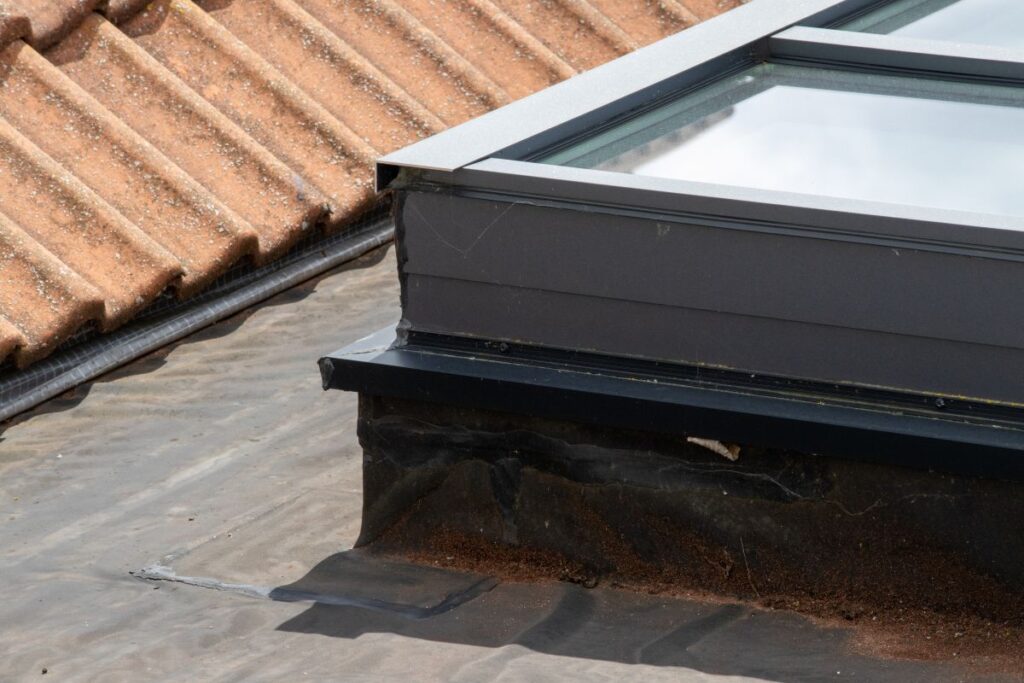
Attics are the first place water enters when roofing materials fail. In Manassas and surrounding areas, heavy rain, wind, and temperature swings make leaks especially common near flashing, vents, and valleys. Unfortunately, these leaks can go unnoticed for months since attics aren’t part of daily living spaces.
Over time, even small drips can saturate insulation, cause mold growth, and weaken roof decking. That’s why spotting leaks early is key to protecting your home’s structure and energy efficiency.
7 Clear Signs of Roof Leak in Attic
Before you start looking for specific warning signs, it helps to understand where leaks usually begin and how they behave. Attic leaks can appear in one area but originate several feet away, following rafters and beams before dripping downward. By checking your attic after storms or heavy rainfall, you can often catch these early signs before they cause major damage.
1. Water Stains on Wood or Insulation
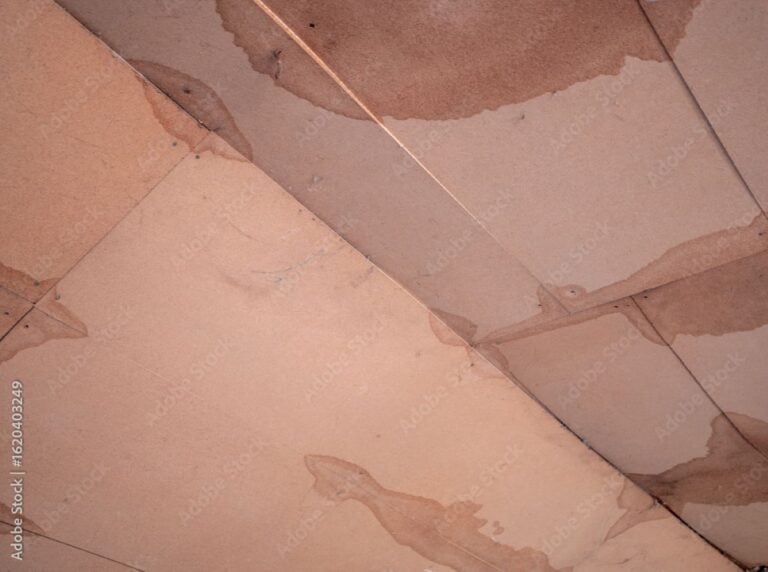
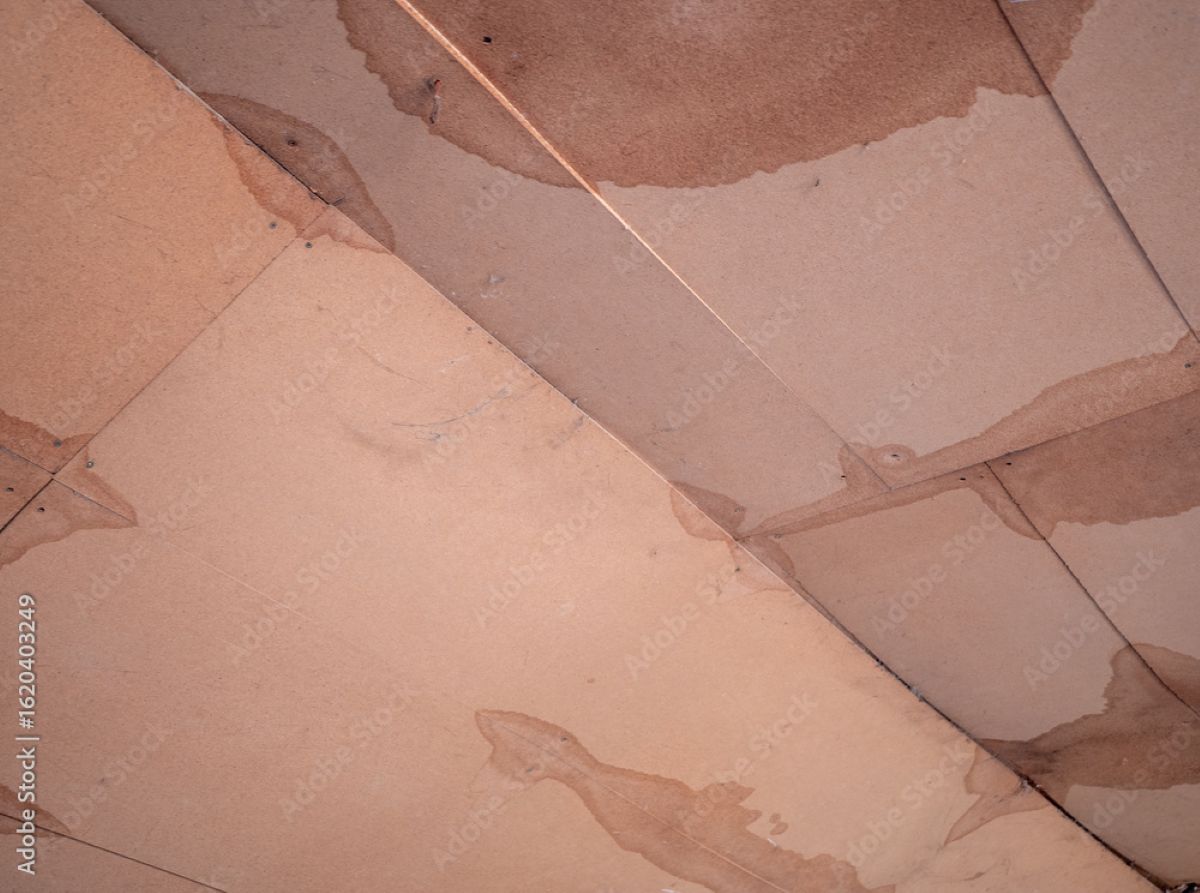
Dark rings, discoloration, or damp insulation are clear indicators that water is making its way inside. Moisture often accumulates near rafters or around vent openings after storms.
2. Musty or Damp Odors
A persistent earthy or musty smell means water has likely been trapped for a while. This odor is an early sign of mold or mildew growth—a problem that spreads quickly in humid attic environments.
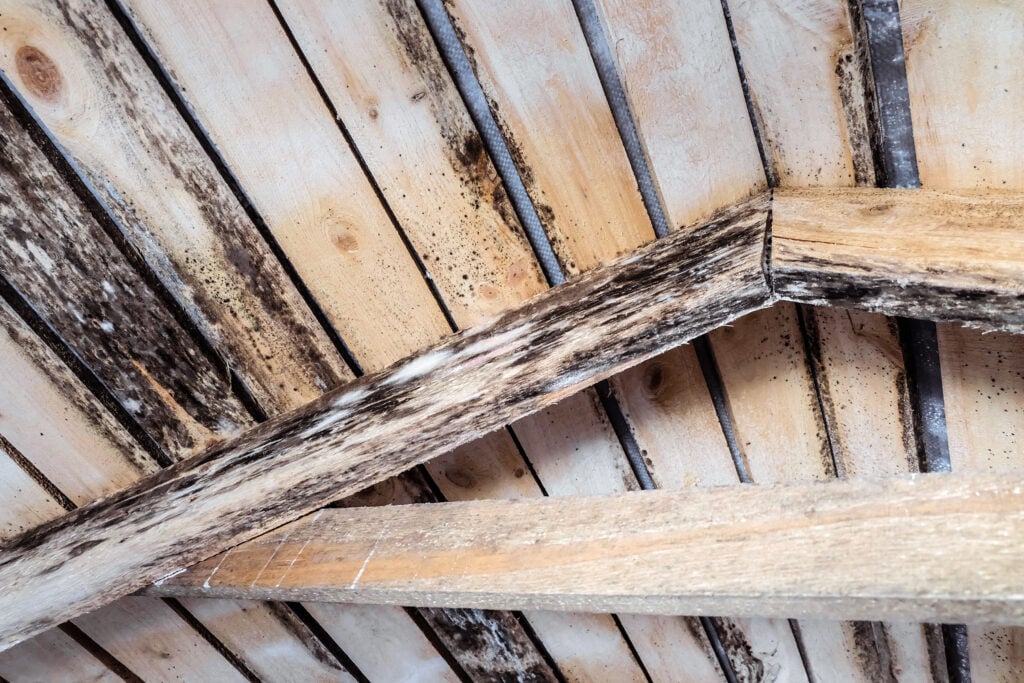
3. Mold or Mildew Growth
If you see black, green, or gray patches on wooden beams or drywall, you’re likely dealing with moisture infiltration. Mold spreads fast once established, so treating it promptly is essential.
4. Sagging or Warped Wood
Wood expands when wet, causing beams or roof decking to bend or lose shape. This structural change can weaken the roof over time and signal long-term water exposure.
5. Dripping Sounds During Rain
Hearing faint dripping in your attic during storms is a definite red flag. Even small drips can mean water is entering through a damaged shingle, cracked flashing, or loose vent seal.
6. Peeling Paint or Bubbling Ceiling Below
Leaks often travel along rafters before appearing on interior ceilings. Peeling or bubbling paint in upstairs rooms is a strong indicator that the source may be in your attic.
7. Light Shining Through Roof Boards
If sunlight is visible through roof decking, it means there are gaps or holes where water can enter. These openings may seem minor but can expand over time due to moisture and temperature changes.
Common Causes of Attic Leaks
Understanding what causes roof leaks helps you prevent them in the future.
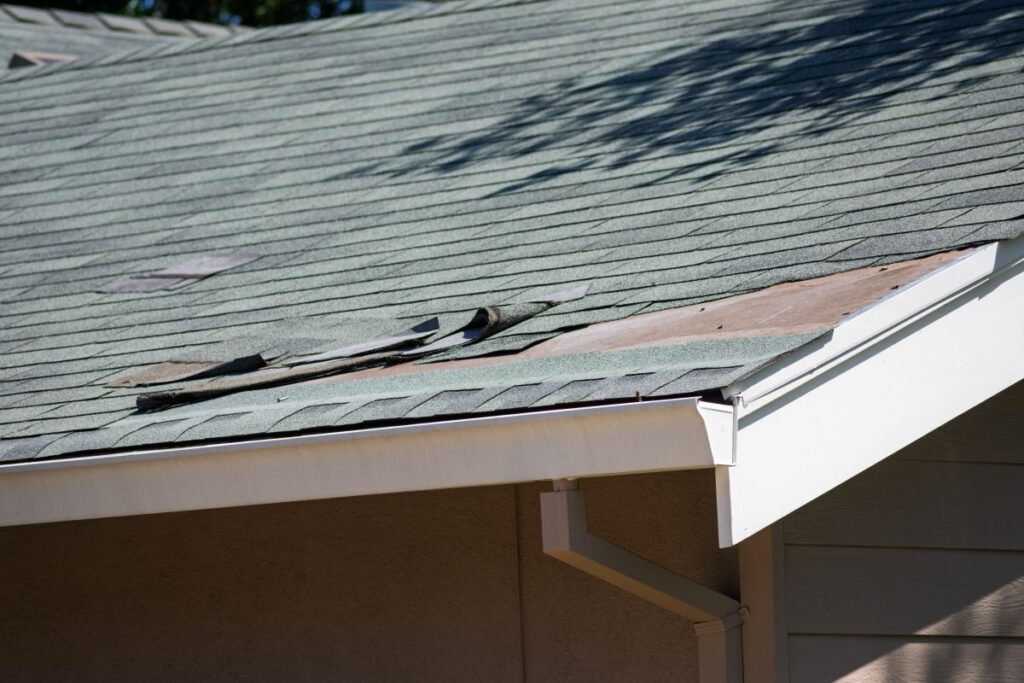
- Damaged shingles: Cracked, curled, or missing shingles let rain seep through.
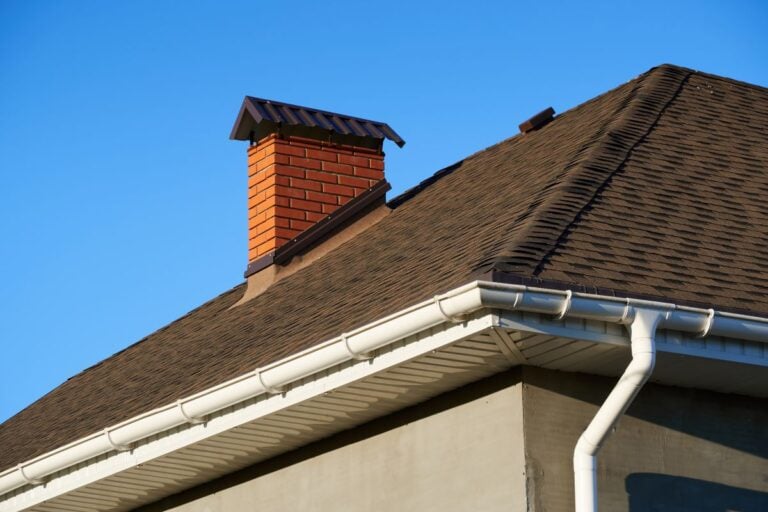
- Worn flashing: Deteriorated seals around chimneys and vents allow water intrusion.
- Clogged gutters: Overflowing water can back up under roof edges.
- Condensation: Poor attic ventilation causes moisture buildup, even without rain.
- Ice dams: In cold months, melting snow refreezes and forces water beneath shingles.
Most of these issues can be addressed through timely maintenance and proper sealing around vulnerable areas.
Minor vs. Major Leak Damage
| Damage Level | Description | Average Repair Cost |
| Minor | Small leak localized near vent or flashing | $300–$800 |
| Moderate | Widespread moisture with minor decking damage | $800–$2,000 |
| Severe | Structural decay, mold, or insulation replacement needed | $2,000–$5,000+ |
Even minor leaks can worsen quickly if ignored, so acting promptly is always the best course of action.
Short-Term Fixes for Attic Leaks
If you discover an active leak during or after a storm, temporary fixes can help limit damage until professional help is arranged.
- Contain dripping water: Place buckets or pans to collect runoff.
- Remove wet insulation: Prevents mold and allows the area to dry faster.
- Apply roof patch or sealant: Use a waterproof sealant on visible gaps or punctures.
- Improve airflow: Run a fan or dehumidifier to reduce moisture buildup.
These steps buy time—but they’re not a long-term solution. Once the weather clears, it’s best to have the roof fully assessed for hidden damage.
Long-Term Prevention Tips
Preventing attic leaks comes down to consistent maintenance and keeping water pathways clear.
- Clean gutters and downspouts: Keeps rainwater flowing away from the roofline.
- Check flashing annually: Re-seal any gaps near vents, chimneys, and skylights.
- Replace damaged shingles promptly: Small repairs prevent larger leaks.
- Maintain proper ventilation: Keeps humidity levels stable in your attic.
- Inspect after major storms: Look for loose shingles or displaced flashing.
In Manassas and surrounding areas, where seasonal storms are frequent, following these steps can significantly reduce leak risks.
How Attic Leaks Affect Energy Efficiency
Moisture in your attic doesn’t just damage wood—it can also compromise insulation. Wet insulation loses its thermal effectiveness, allowing heat to escape in winter and cool air to leak out in summer. This means higher energy bills and uneven indoor temperatures.
By fixing leaks early, you protect both your home’s structure and its efficiency, keeping your living space more comfortable year-round.
When to Call a Professional
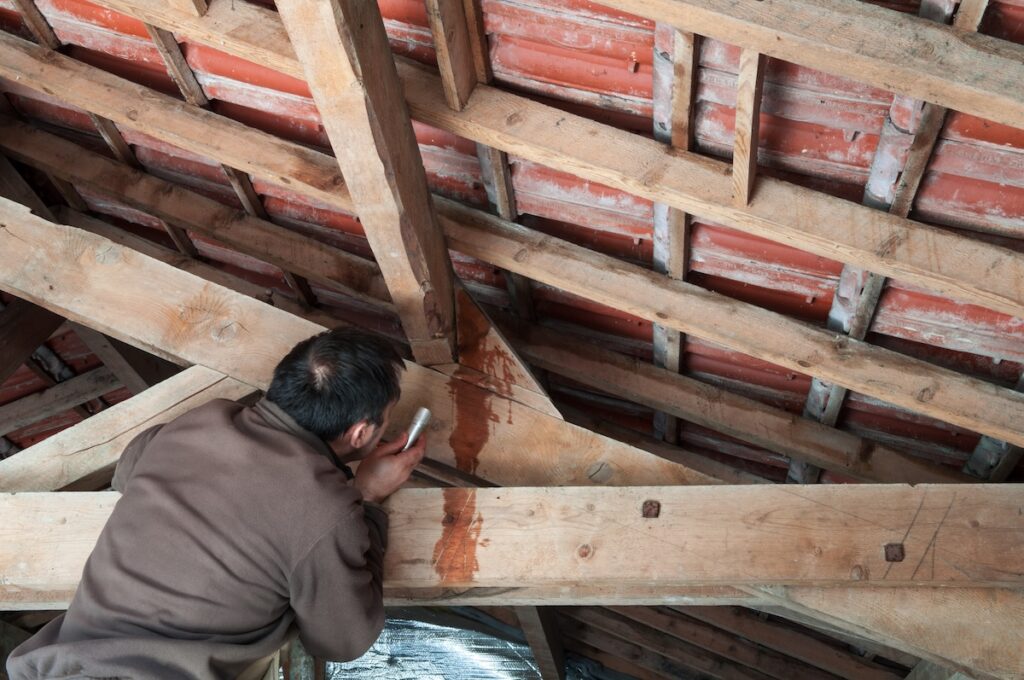
While some homeowners can identify the source of a small leak, a professional can pinpoint underlying issues like flashing deterioration, underlayment failure, or structural rot. Experts have the tools and experience to locate leaks that might not be visible from inside.
You should reach out for professional guidance if:
- Water stains reappear after temporary fixes.
- Mold or mildew returns even after cleaning.
- You notice sagging rafters or ceilings.
- Multiple areas of the attic show dampness.
Professional evaluation ensures that your roof is fully sealed and that damage is addressed safely and effectively.
Catch Leaks Early To Prevent Major Damage
Recognizing signs of roof leak in attic areas early can prevent expensive structural and interior repairs. From subtle discoloration to visible drips, each warning sign is a chance to take action before the problem worsens.
If you suspect moisture issues or need help identifying the source of a leak, reach out to Springfield Roofing & Sheet Metal for professional guidance. Our experienced team proudly serves Manassas and surrounding areas, helping homeowners locate and resolve attic leaks before they cause lasting damage.