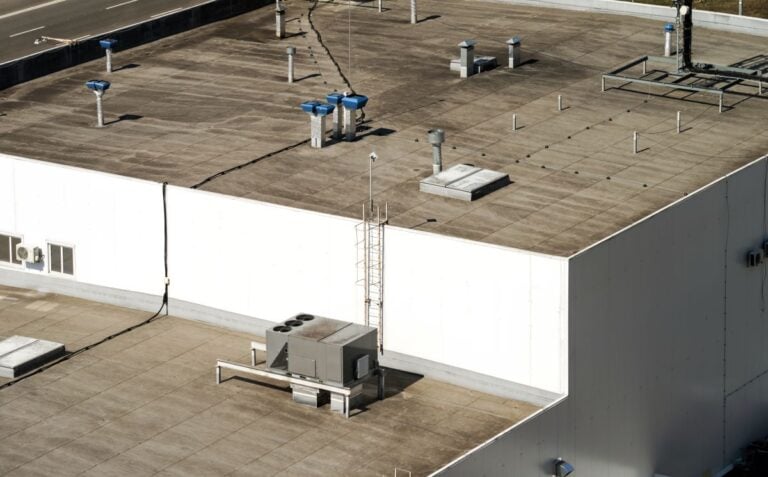
Commercial property owners understand that roof waterproofing is one of the most critical steps in protecting their investment. Water intrusion not only damages roofing materials but can also disrupt operations, cause structural deterioration, and create safety hazards inside the building.
By implementing proven waterproofing strategies, property managers in Great Falls and surrounding areas can extend roof lifespan, lower maintenance costs, and prevent costly downtime caused by leaks.
- Prevent structural damage: Protects the roof deck, insulation, and interior assets.
- Reduce maintenance costs: Minimizes recurring repair expenses.
- Extend roof life: Strengthens your existing system for years of performance.
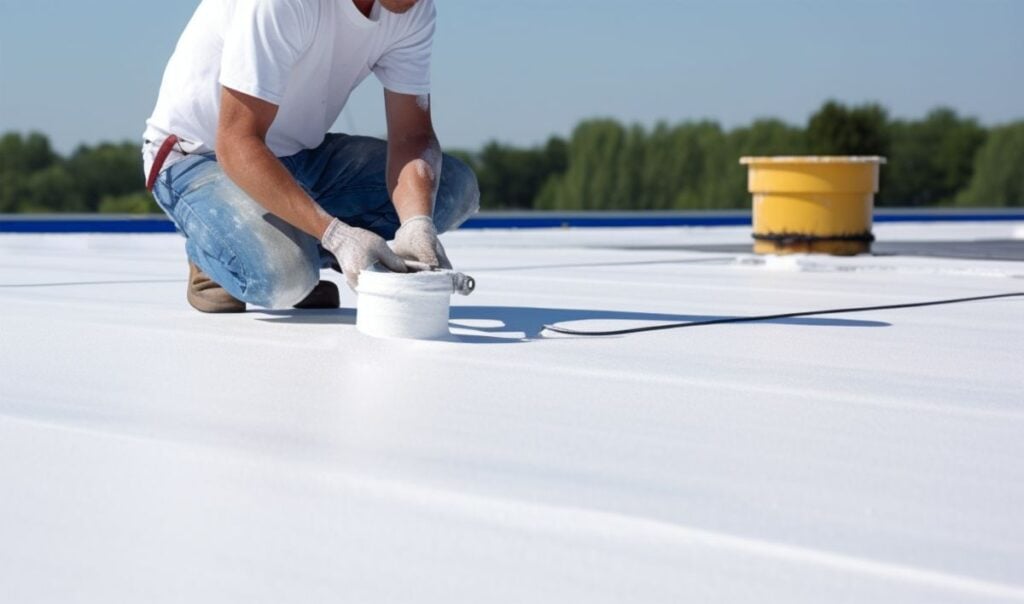
Why Roof Waterproofing Matters for Commercial Buildings
Commercial roofs are constantly exposed to harsh conditions including UV rays, rain, snow, and temperature fluctuations. Over time, these factors weaken the roof’s surface, leading to cracks, ponding water, and eventually leaks.
Waterproofing creates a seamless barrier that blocks moisture, improves thermal performance, and safeguards the roof structure beneath. For businesses in Virginia, where seasonal weather can bring both heavy rainfall and humid summers, waterproofing is not just preventive—it is essential.
5 Best Roof Waterproofing Methods to Prevent Leaks
There are multiple ways to waterproof a commercial roof depending on its design, material, and condition. Below are five of the most effective methods used by professionals to ensure long-term leak prevention.
1. Liquid-Applied Membrane Systems
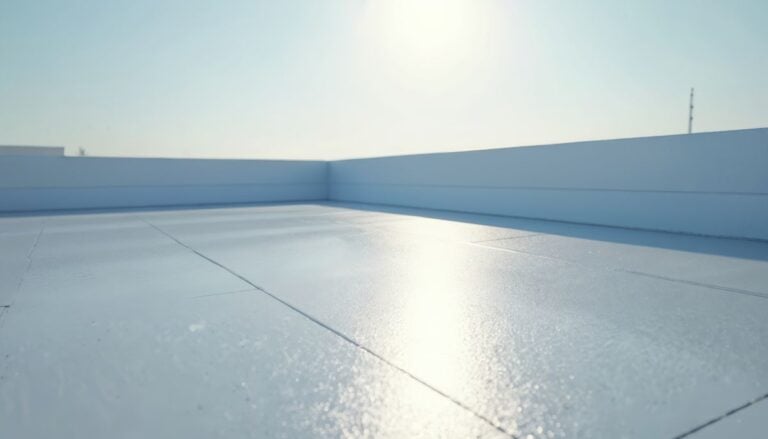
Liquid-applied coatings are among the most versatile and popular waterproofing solutions for commercial flat roofs. They are applied directly to the existing surface and cure into a seamless, flexible membrane that adapts to temperature changes.
- Best for: Flat or low-slope roofs with minor wear or leaks.
- Benefits: Seamless application, UV protection, and quick installation.
- Materials used: Silicone, acrylic, or polyurethane coatings.
- Lifespan: 10 to 20 years depending on thickness and maintenance.
These systems are ideal for revitalizing aging roofs without full replacement, providing a cost-effective way to extend performance.
2. Bituminous Waterproofing
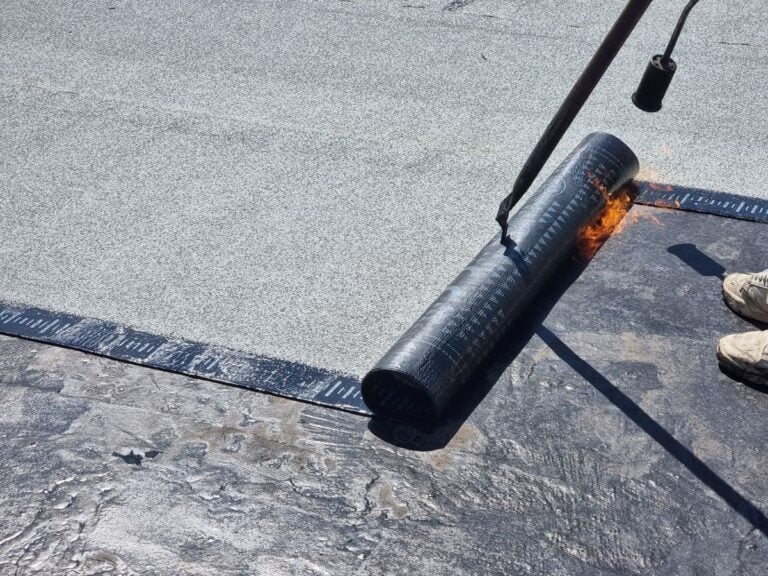
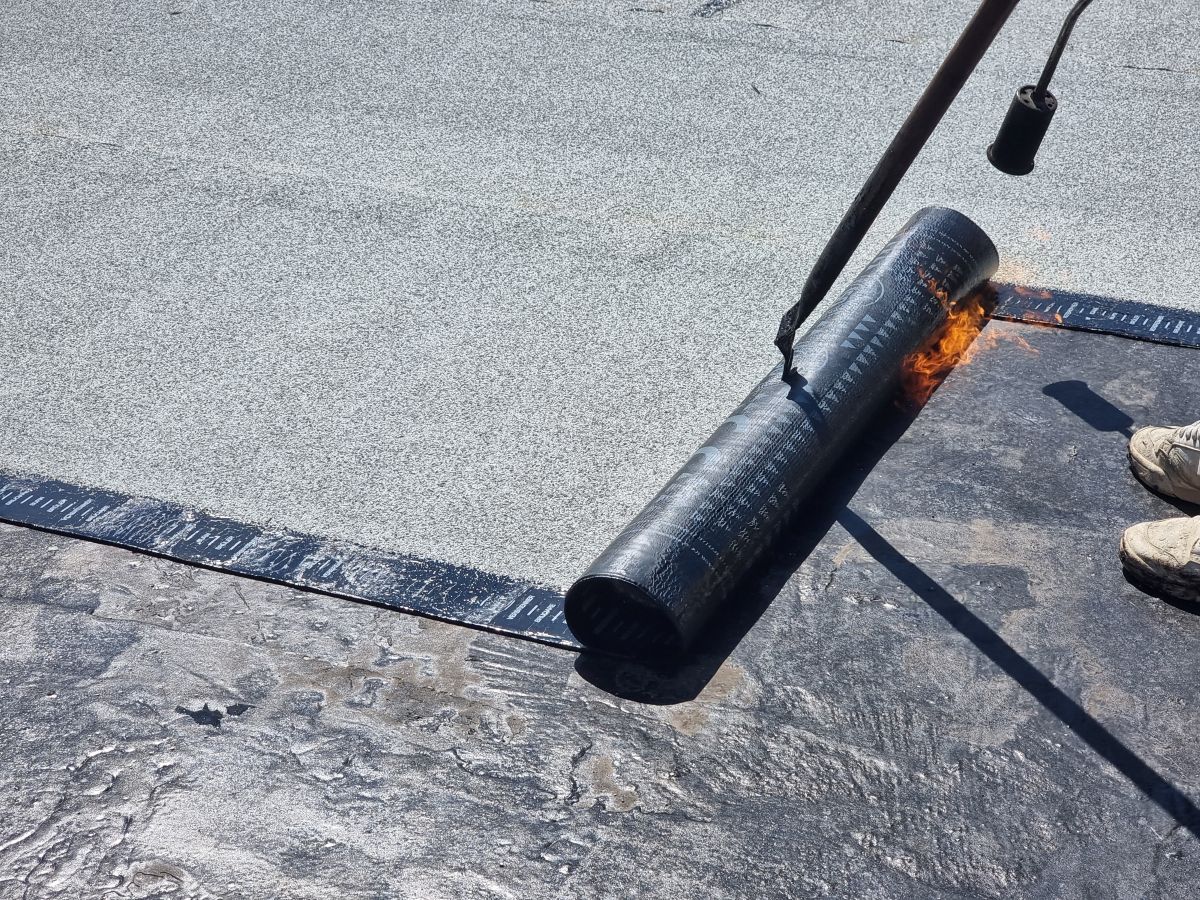
Bituminous systems, also known as modified bitumen or asphalt-based membranes, are built with multiple layers for added strength and water resistance. The layers are bonded using heat, adhesives, or self-adhesive materials.
- Best for: Commercial buildings with flat or gently sloped roofs.
- Benefits: Excellent durability, impact resistance, and adaptability.
- Materials used: SBS or APP modified bitumen rolls.
- Lifespan: 20 to 30 years with proper care.
Bituminous waterproofing is a time-tested option for buildings in Great Falls and surrounding areas that need a robust, long-term solution against heavy rainfall.
3. Single-Ply Membrane Systems
Single-ply membranes like TPO, EPDM, and PVC are pre-manufactured sheets mechanically fastened or adhered to the roof surface. Their smooth, watertight seams make them highly effective against leaks.
- Best for: Large commercial facilities and industrial buildings.
- Benefits: Lightweight, reflective, and resistant to chemical exposure.
- Materials used: Thermoplastic (TPO, PVC) or thermoset (EPDM) membranes.
- Lifespan: 20 to 35 years depending on material and installation quality.
Single-ply systems are popular across Virginia for their balance of cost efficiency and long-term reliability.
4. Cementitious Waterproofing
Cementitious coatings use a mixture of cement-based compounds and polymers to form a rigid, waterproof layer. Though less flexible than liquid coatings, they provide strong adhesion to concrete and masonry surfaces.
- Best for: Roof decks, parapet walls, or concrete substrates.
- Benefits: Easy to apply, highly durable, and non-toxic.
- Materials used: Cement-polymer blends with acrylic additives.
- Lifespan: 10 to 15 years with minimal maintenance.
Cementitious waterproofing is especially useful in commercial structures with exposed concrete elements or integrated rooftop structures.
5. Metal Roof Sealants and Coatings
Metal roofs are common on warehouses and industrial buildings throughout Virginia. Applying elastomeric coatings or sealants helps close gaps between panels, prevent rust, and seal seams that may allow moisture infiltration.
- Best for: Commercial or industrial buildings with metal roofing.
- Benefits: Corrosion resistance, energy efficiency, and extended lifespan.
- Materials used: Acrylic, silicone, or polyurethane coatings.
- Lifespan: 10 to 20 years depending on the coating type and maintenance.
This waterproofing method enhances both durability and energy efficiency by reflecting heat and preventing premature metal degradation.
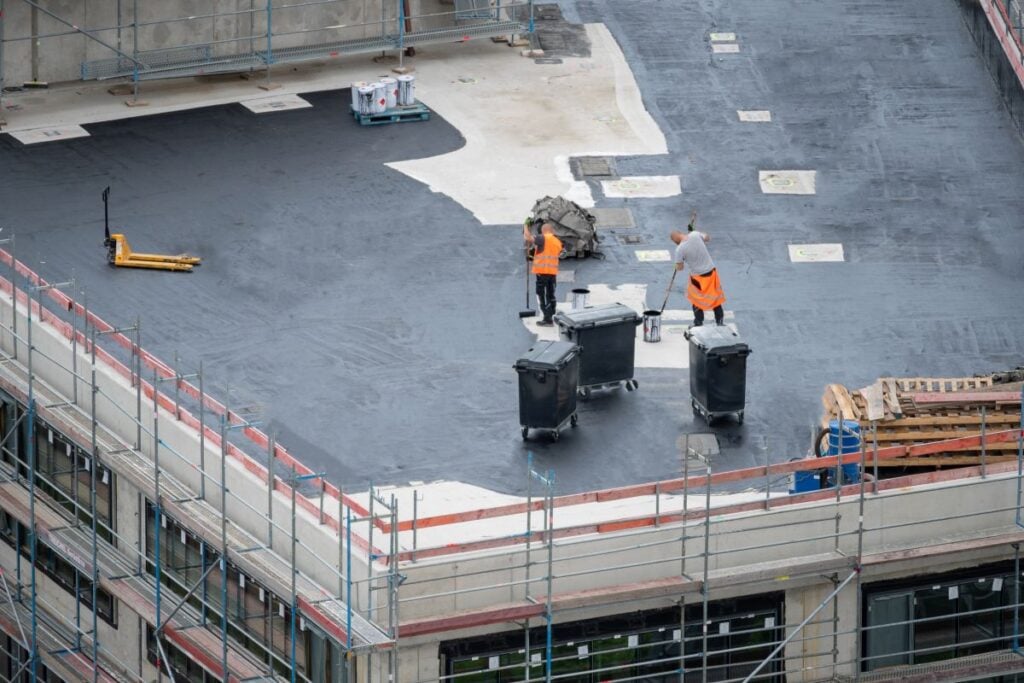
Waterproofing Methods for Commercial Roofs
| Waterproofing Method | Best For | Average Lifespan | Key Benefits |
| Liquid-Applied Membrane | Flat roofs with light wear | 10–20 years | Seamless, flexible, and UV resistant |
| Bituminous Waterproofing | Heavy-duty flat roofs | 20–30 years | Multi-layer durability and waterproof strength |
| Single-Ply Membrane | Large commercial facilities | 20–35 years | Lightweight and energy efficient |
| Cementitious Coating | Concrete surfaces or decks | 10–15 years | Rigid protection and easy application |
| Metal Roof Coatings | Industrial or metal buildings | 10–20 years | Rust prevention and reflectivity |
Each method offers distinct advantages depending on building design, budget, and maintenance goals. A professional evaluation helps determine the most effective system for your property.
Maintenance Tips for a Waterproof Commercial Roof
Even the best waterproofing system requires ongoing maintenance to perform its best. Consistent care prevents small issues from turning into major water intrusion problems.
- Schedule regular inspections: Have your roof checked at least twice a year and after major storms.
- Keep drains and scuppers clear: Debris buildup can trap water and reduce coating effectiveness.
- Repair punctures promptly: Address any surface damage immediately to maintain a watertight seal.
- Clean roof surfaces: Dirt and standing debris can degrade waterproof coatings over time.
- Monitor seams and flashing: Ensure sealants remain intact around penetrations and edges.
Preventive maintenance extends the lifespan of your waterproofing system and minimizes operational disruptions.
Signs Your Roof May Need Re-Waterproofing
Even durable roofs eventually need reapplication or restoration. Watch for these warning signs that your waterproofing system is wearing out:
- Visible cracks or blistering in the coating surface.
- Discoloration or standing water after rainfall.
- Loose seams or peeling membrane sections.
- Water stains on interior ceilings or walls.
- Rust or corrosion on metal roof panels.
If you notice these indicators, schedule a professional inspection to assess whether a recoating or new waterproofing application is necessary.
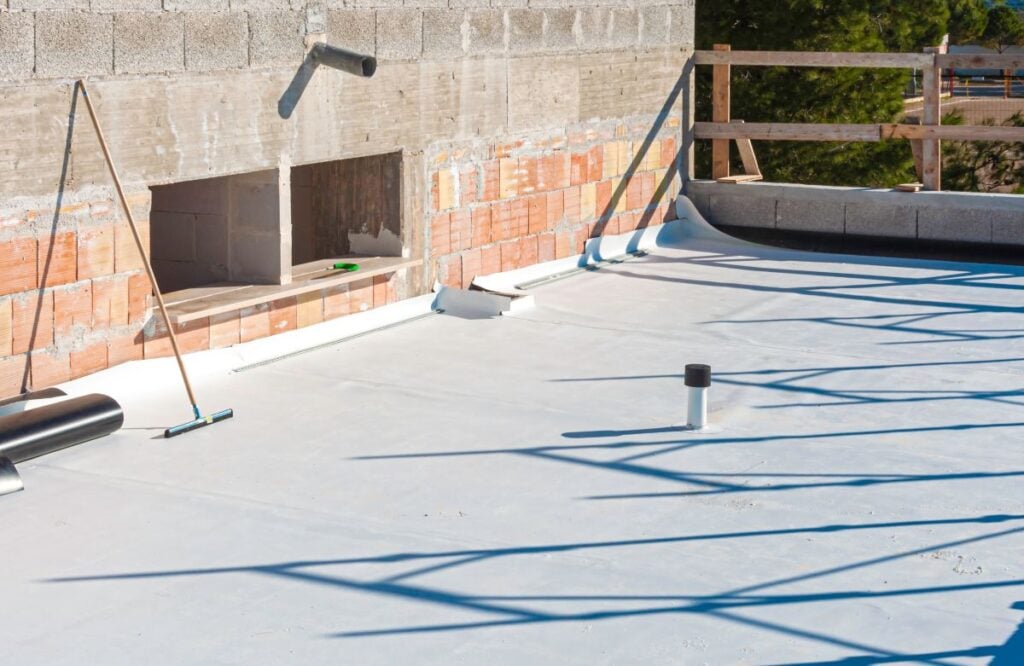
Why Professional Waterproofing Is Worth It
DIY coatings and quick fixes often fail to provide consistent protection for commercial buildings. Professional contractors use specialized equipment, high-quality materials, and proven application methods to ensure complete coverage and adhesion.
Working with experienced roofing specialists also means compliance with building codes and warranty coverage that protects your investment.
Reliable Roof Protection for Every Commercial Property
Effective roof waterproofing is one of the smartest investments a commercial property owner can make. From coatings to membranes, modern systems deliver decades of leak-free performance and help maintain the structural integrity of your building.
If your facility in Great Falls or surrounding areas needs expert advice or maintenance planning, reach out to Springfield Roofing & Sheet Metal for professional guidance. Our team provides tailored waterproofing solutions that help commercial roofs perform better, last longer, and stay watertight year after year.