Proper roof vent installation plays a critical role in protecting your home from moisture buildup, heat damage, and premature roof deterioration. Whether you are adding new vents or replacing aging ones, understanding how ventilation works can help you avoid costly issues down the road.
For homeowners in Alexandria and surrounding areas, balanced roof ventilation is especially important due to Virginia’s humid summers and fluctuating seasonal temperatures.
- Proper ventilation extends roof lifespan.
- Balanced airflow improves energy efficiency.
- Correct installation prevents leaks and moisture damage.
Why Roof Ventilation Matters
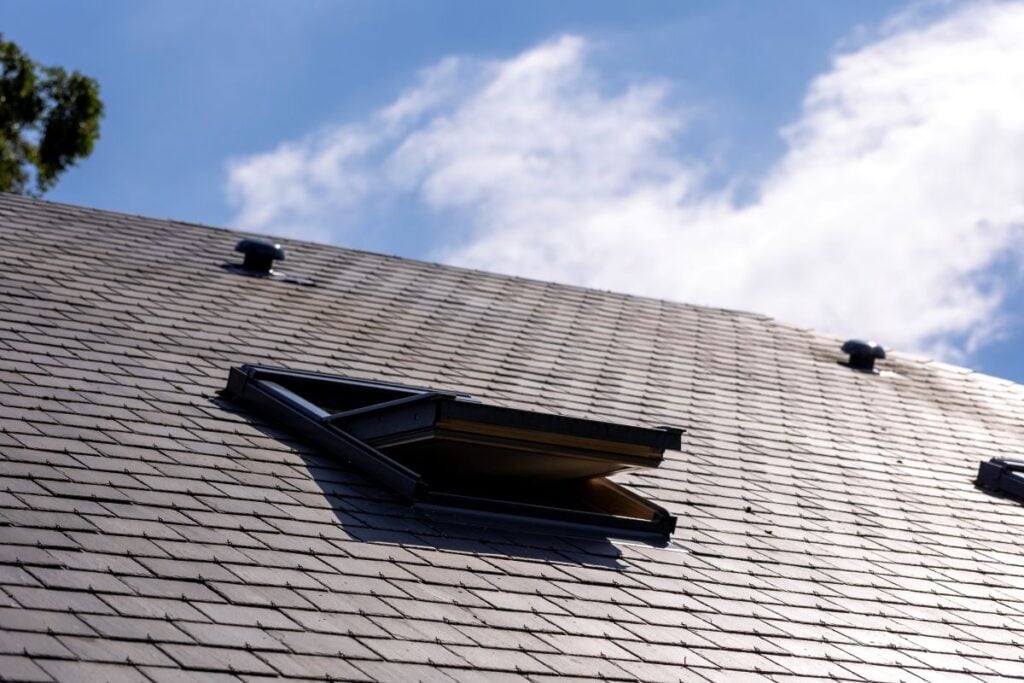
Roof ventilation allows air to circulate through your attic space, helping regulate temperature and moisture levels. Without proper airflow, heat and humidity become trapped, which can warp decking, damage shingles, and create ideal conditions for mold growth.
In Alexandria and surrounding areas, humidity levels can rise quickly during summer months. Proper ventilation helps prevent condensation buildup that weakens insulation and reduces overall roof performance.
Types of Roof Vents to Consider
Choosing the right vent type depends on your roof design, attic size, and ventilation needs. Each system offers specific benefits, and a professional evaluation ensures proper airflow balance between intake and exhaust vents.
Ridge Vents
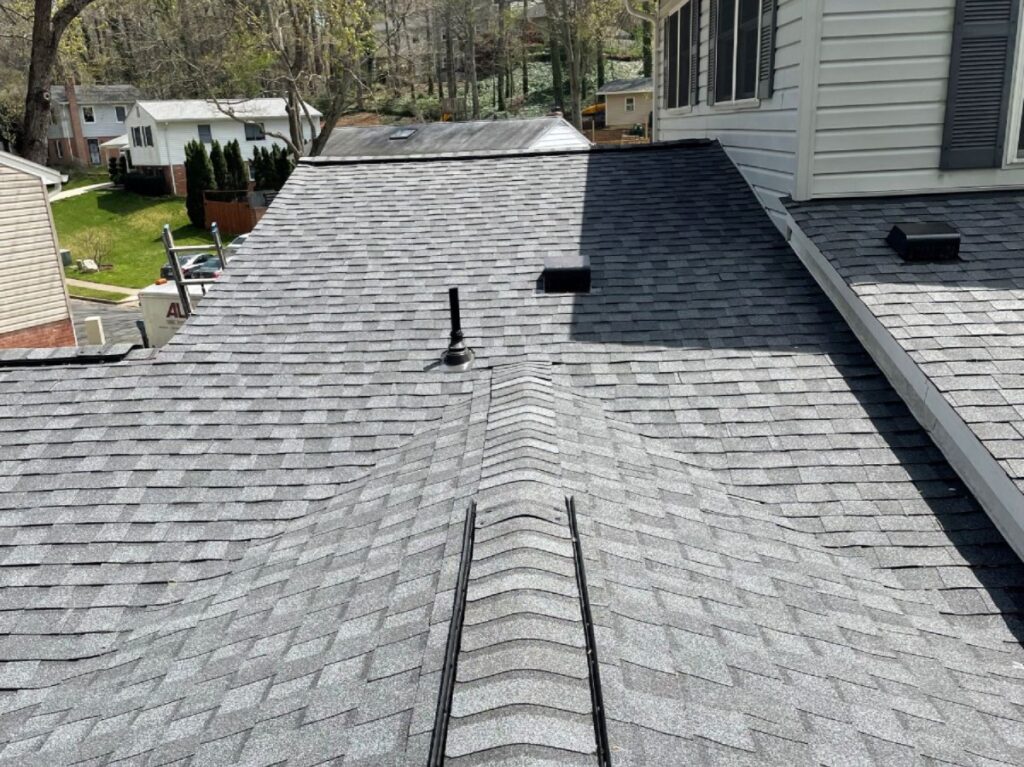
Ridge vents run along the peak of your roof and allow hot air to escape naturally. They are one of the most common and efficient exhaust ventilation systems available.
- Best for: Homes with sloped roofs and continuous ridge lines.
- Advantages: Even airflow across the entire attic.
- Aesthetic appeal: Blends seamlessly with roof design.
Static Roof Vents
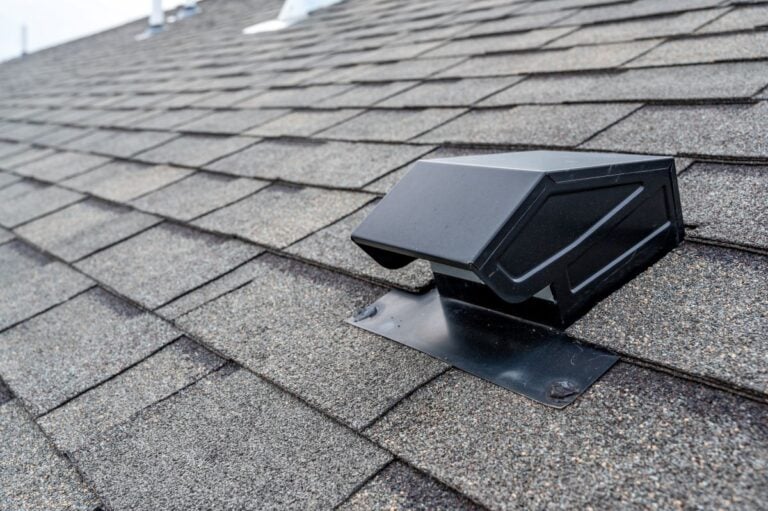
Static vents, also called box vents, are individual units installed near the roof’s peak. They allow hot air to escape without mechanical assistance.
- Best for: Smaller attic spaces.
- Advantages: Cost-effective and low maintenance.
- Installation flexibility: Can be added to existing roofing systems.
Soffit Vents
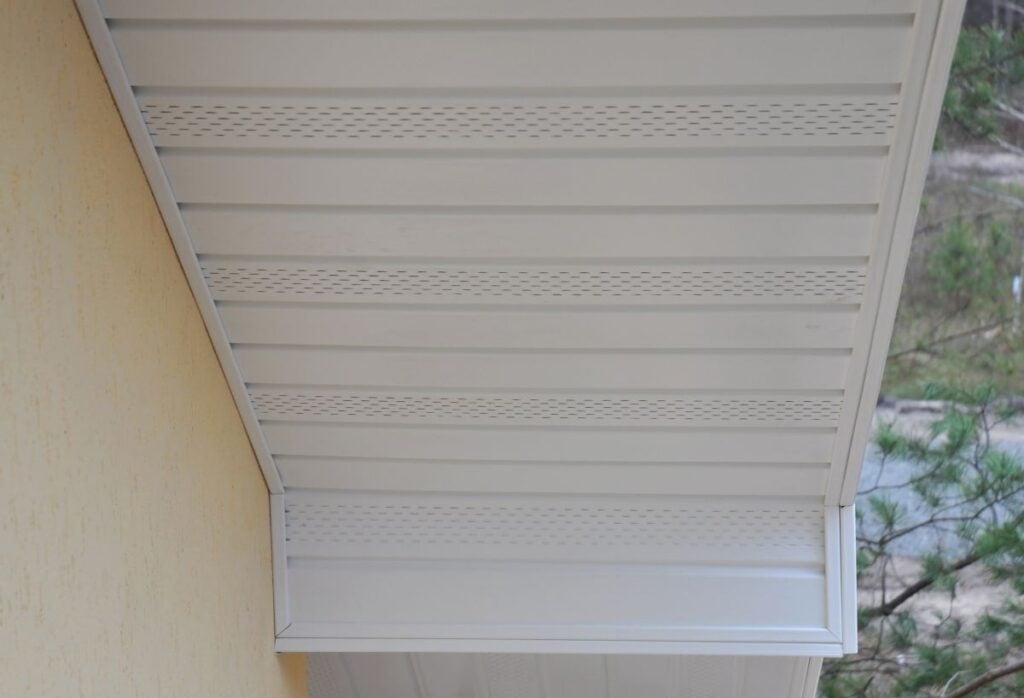
Soffit vents are intake vents located under the eaves of your roof. They draw cooler air into the attic, which then exits through ridge or exhaust vents.
- Best for: Homes requiring balanced intake ventilation.
- Advantages: Improves overall airflow efficiency.
- Moisture control: Reduces condensation buildup.
Powered Attic Fans
Powered vents use electricity or solar energy to actively remove hot air from the attic. While effective, they must be installed correctly to avoid creating negative pressure.
- Best for: Homes with excessive heat buildup.
- Advantages: Rapid temperature reduction.
- Considerations: Requires proper sealing to prevent leaks.
5 Key Considerations Before Roof Vent Installation
Before adding or replacing vents, homeowners should evaluate several important factors. Proper planning ensures your ventilation system performs efficiently and does not compromise roof integrity.
1. Roof Design and Slope
The shape and pitch of your roof determine which vents are most effective. Certain vent types perform better on steep slopes, while others are designed for low-slope roofs.
- Compatibility: Ensure vents align with roofing materials.
- Drainage impact: Avoid placements that interfere with water runoff.
- Structural support: Confirm decking can support vent installation.
2. Balanced Intake and Exhaust
Ventilation works best when intake and exhaust airflow are balanced. Too much exhaust without proper intake can create pressure imbalances.
- Airflow ratio: Equal intake and exhaust prevents attic pressure issues.
- Energy efficiency: Balanced systems reduce HVAC strain.
- Moisture control: Proper circulation prevents mold growth.
3. Flashing and Waterproofing
Improper flashing around vents is one of the leading causes of roof leaks. Professional installation ensures vents are sealed correctly to prevent water infiltration.
- Weatherproof seals: Protect against heavy rain.
- Correct placement: Avoid valleys or low-drainage areas.
- Durable materials: Use corrosion-resistant flashing components.
4. Attic Insulation Condition
Before installing new vents, inspect attic insulation. Damaged or compressed insulation may limit ventilation efficiency.
- Energy retention: Proper insulation works with ventilation to regulate temperature.
- Moisture prevention: Insulation should remain dry and mold-free.
- Airflow clearance: Ensure vents are not blocked by insulation.
5. Local Climate Considerations
Virginia’s humid climate makes ventilation especially important. Heat and moisture buildup can deteriorate roofing materials quickly if airflow is insufficient.
- Humidity management: Reduces condensation damage.
- Seasonal changes: Accommodates both summer heat and winter moisture.
- Storm readiness: Properly sealed vents withstand heavy rainfall.
Comparison Table: Common Roof Vent Types
| Vent Type | Primary Function | Maintenance Level | Best For |
| Ridge Vent | Exhaust ventilation | Low | Sloped roofs with continuous ridges |
| Static Vent | Exhaust ventilation | Low | Smaller attic spaces |
| Soffit Vent | Intake ventilation | Low | Balanced airflow systems |
| Powered Fan | Active exhaust | Moderate | High-heat attic environments |
Choosing the correct vent system ensures consistent airflow and long-term roof protection.
Signs You May Need New Roof Vents
Homeowners should watch for indicators that ventilation may be insufficient or failing.
- Excessive attic heat during summer months.
- Condensation or frost buildup in winter.
- Mold or mildew odor in attic spaces.
- Curling shingles caused by trapped heat.
- Peeling exterior paint near roof edges.
If you notice any of these warning signs, evaluating your ventilation system can prevent larger roofing issues.
Cost of Roof Vent Installation in Virginia
In Virginia, roof vent installation typically ranges from $300 to $800 per vent, depending on type, roofing material, and labor complexity. Ridge vent systems may cost more due to installation length and material requirements, while static vents are generally more affordable.
Although adding vents requires upfront investment, improved ventilation often reduces long-term repair costs and enhances energy efficiency.
Improve Airflow and Protect Your Roof
Proper roof vent installation is essential for maintaining a healthy attic environment and extending the life of your roofing system. By balancing airflow, preventing moisture buildup, and ensuring professional waterproofing, homeowners can protect their investment for decades.
If your home in Alexandria or surrounding areas needs ventilation upgrades or vent replacement, contact Springfield Roofing & Sheet Metal for professional guidance. Our experienced team ensures every vent is installed with precision, protecting your roof and home year-round.