When leaks appear or shingles go missing, a roof patch can provide a quick and effective way to stop water damage before it spreads. Whether it’s a small hole from storm debris or a section of cracked shingles, patch repairs help extend your roof’s life and buy time before a full replacement becomes necessary. Knowing how to apply a roof patch properly ensures the fix lasts through heavy rain, heat, and seasonal changes.
- Quick solution: Patching stops active leaks and prevents further structural damage.
- Cost-effective fix: Small patches can extend your roof’s lifespan without major expense.
- Long-term protection: A properly applied patch keeps water out until a permanent repair is done.
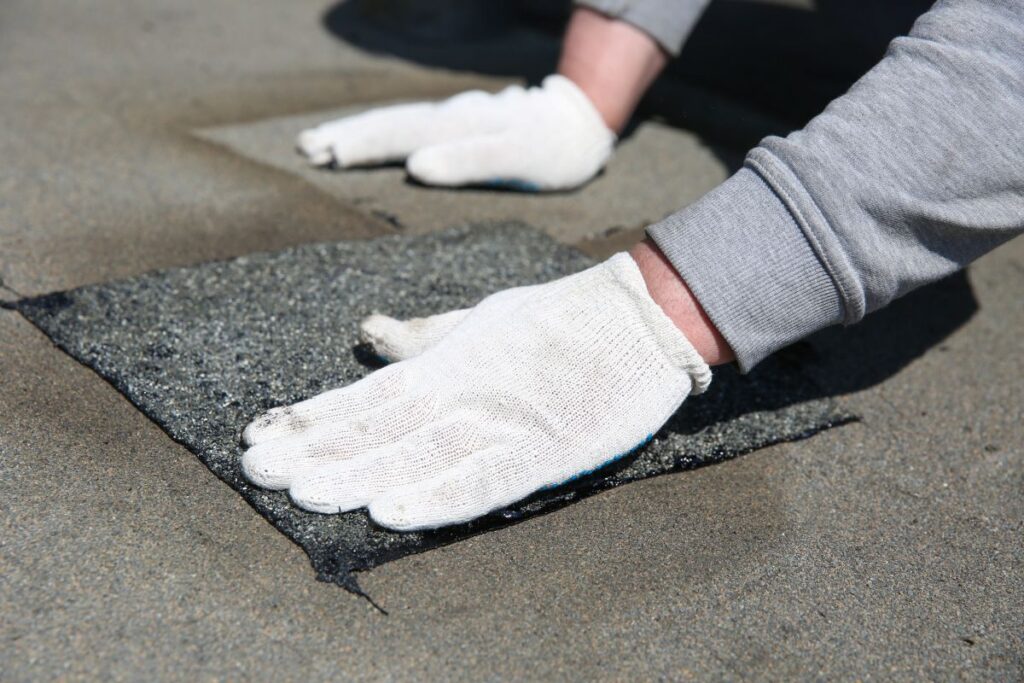
When To Use A Roof Patch
A roof patch is ideal for isolated problem areas—like a small leak, a puncture from falling branches, or worn shingles around vents and flashing. In Arlington and surrounding areas, where storms and wind gusts are common, roof patches are a practical way to handle sudden damage until a professional can assess the full extent.
Patching is not meant to replace full sections of roofing but to protect your home from water intrusion and prevent small issues from growing into major repairs.
Common Situations For Roof Patching
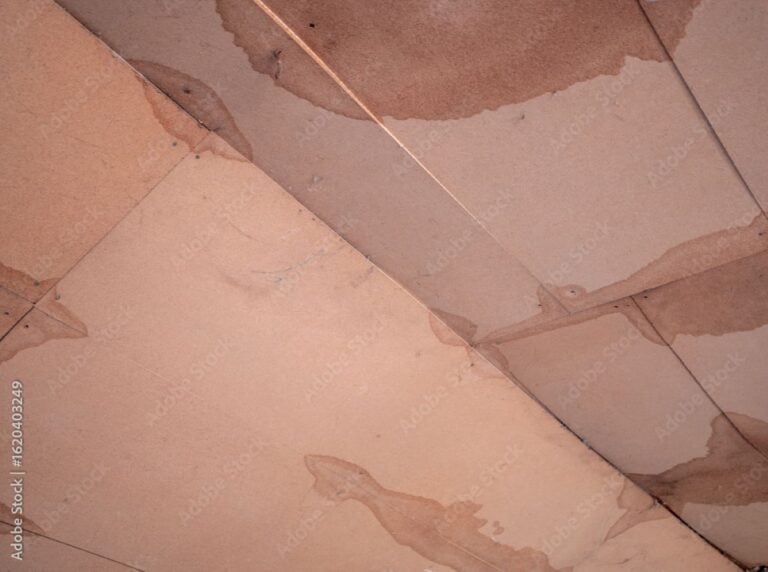
- Minor leaks: Water stains on ceilings or attic boards often indicate a localized issue.
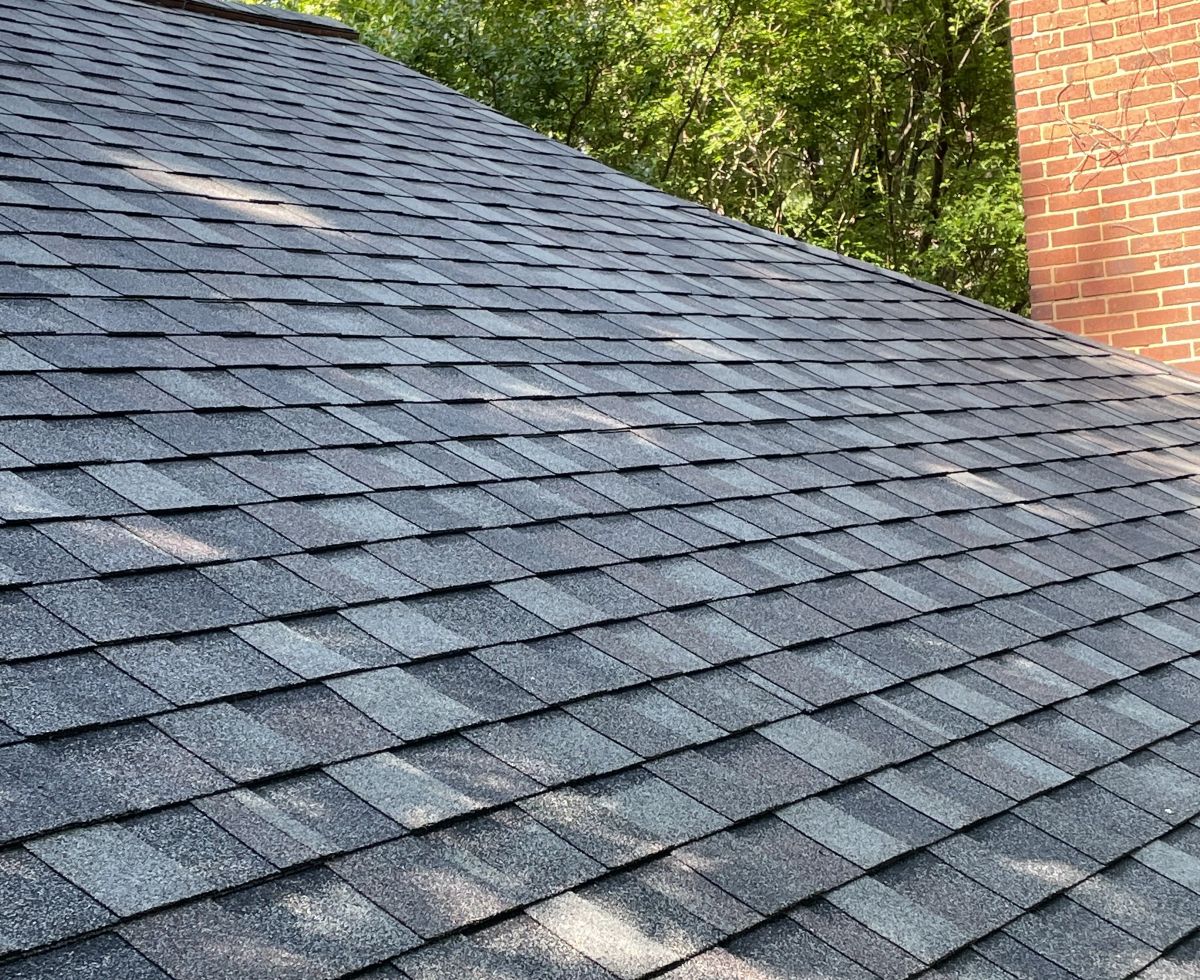
- Loose shingles: Reattaching or sealing individual shingles keeps water out.
- Small punctures: Nails, debris, or branches can create holes that need sealing.
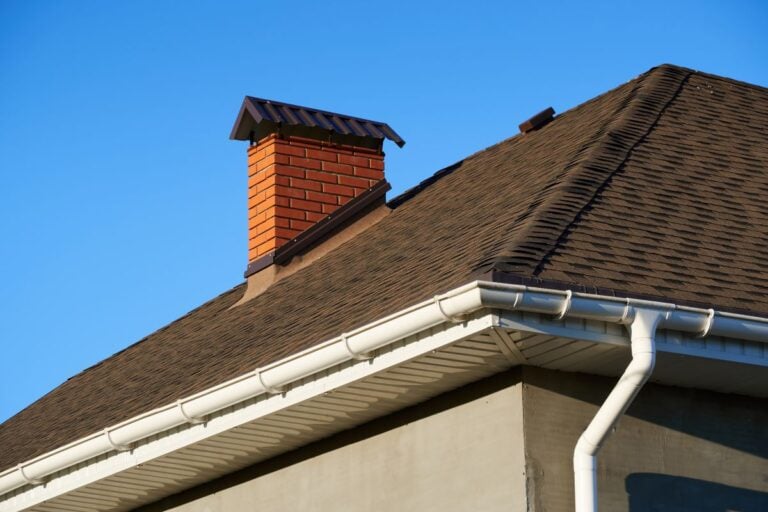
- Cracked flashing: Seal gaps around chimneys or vents before leaks worsen.
- Aging materials: Temporary fixes for worn areas can hold until a roof replacement is scheduled.
6 Simple Steps For Lasting Roof Patch Repairs
Follow these steps to repair your roof safely and ensure the patch holds up through future weather.
1. Identify The Source Of The Leak
Start inside your attic. Look for damp insulation, dark spots, or dripping water after rainfall. Trace the path upward to locate where water enters the roof decking. Once identified, examine the corresponding area on the roof’s surface.
Tip: Water can travel along rafters before dripping inside, so the leak might not be directly above the interior spot.
2. Clear The Damaged Area
Use a brush or cloth to remove dirt, moss, or loose granules from the damaged section. If working on asphalt shingles, carefully lift surrounding shingles to expose the underlying layer. For metal roofs, remove rust and debris so the patch can bond cleanly.
3. Cut And Fit The Patch
Cut a piece of replacement shingle or roofing material slightly larger than the damaged spot. For flat or metal roofs, use a patch that overlaps the damaged area by at least 2 inches on all sides.
Tip: Always use materials that match your existing roof for better durability and appearance.
4. Apply Roofing Cement Or Sealant
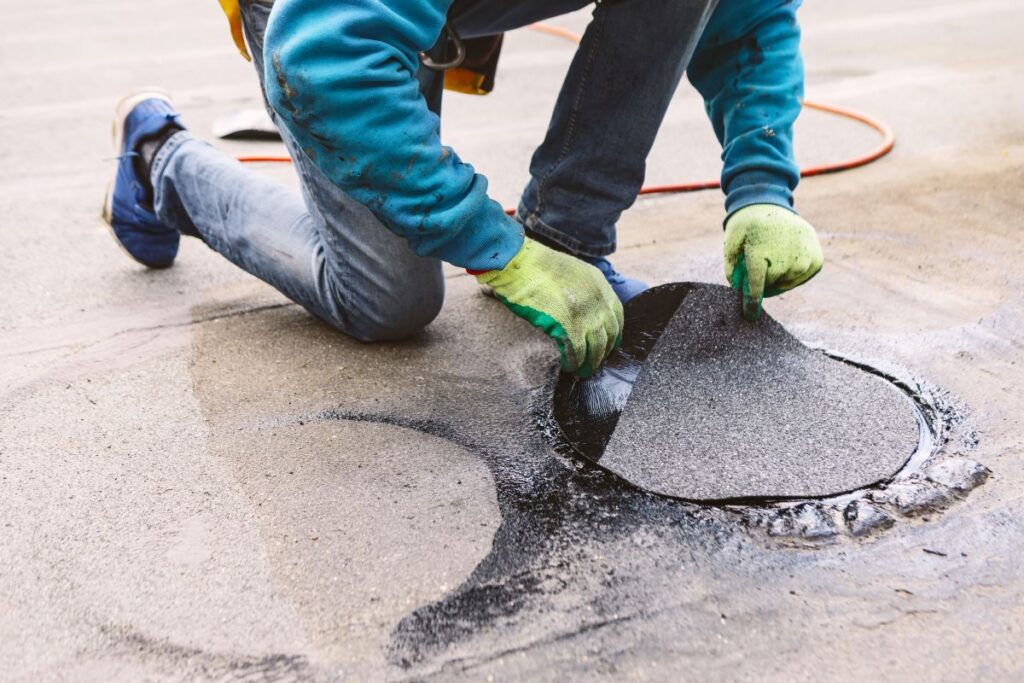
Spread a generous layer of roofing cement or sealant under the edges of the damaged section. Press the patch material firmly into place and cover the top edges with additional cement to seal it completely.
For metal roofs, use a polyurethane or butyl-based sealant designed for metal-to-metal adhesion.
5. Nail Down The Patch (If Applicable)
If patching asphalt shingles, secure the new shingle using roofing nails placed just above the tar line. Cover nail heads with roofing cement to prevent future leaks.
For roll roofing or metal panels, fasten the patch with appropriate screws or rivets, then seal over the hardware.
6. Inspect And Test The Repair
Once the patch is dry, spray the area gently with water to ensure the leak is sealed. Check your attic afterward for any signs of moisture. If no water appears, your patch is holding effectively.
Regularly recheck the area after heavy rain to confirm it remains watertight.
Tools And Materials You’ll Need
Before starting your patch repair, gather everything you need to make the process efficient and safe.
- Roofing cement or sealant
- Replacement shingles or patch material
- Roofing nails or screws
- Hammer or drill
- Utility knife and scissors
- Putty knife or trowel
- Ladder and safety harness
- Work gloves and protective eyewear
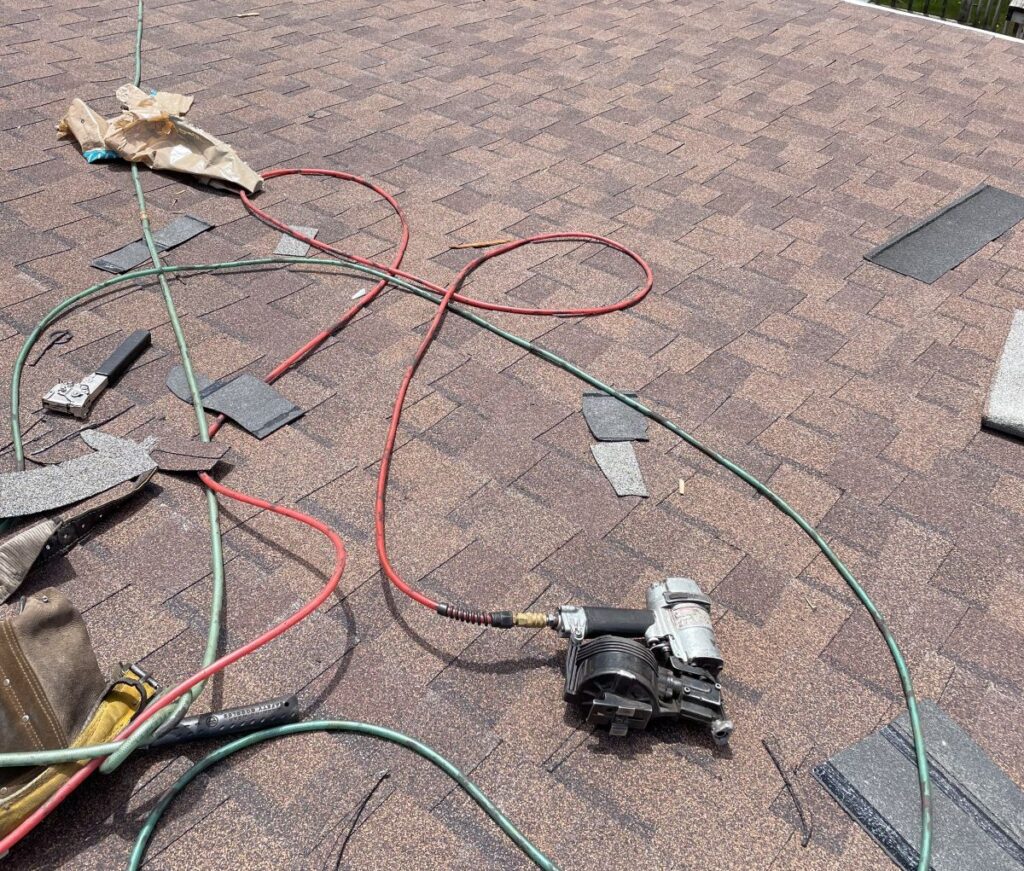
Having materials ready ensures the repair can be completed quickly before more water damage occurs.
How Long Roof Patches Last
A properly installed roof patch can last anywhere from one to five years depending on the materials used and weather exposure. Temporary patches on older roofs may only last a season, while high-quality repairs using compatible materials can extend longevity significantly.
Factors that affect patch lifespan include:
- Type of roofing material
- Severity of the damage
- Quality of sealant and installation
- Exposure to UV rays and weather conditions
In Arlington and surrounding areas, where seasonal rain and temperature swings are common, inspecting the patch annually helps ensure it remains secure.
Common Mistakes To Avoid
Even small errors can shorten the life of a roof patch or cause new leaks.
- Using the wrong materials: Always match the patch to your roof’s type and color.
- Skipping surface prep: Dirt or debris prevents adhesion.
- Overlapping poorly: Ensure your patch extends past the damaged area by several inches.
- Ignoring underlying issues: A patch won’t help if structural or flashing problems exist.
- Applying in wet weather: Patches won’t bond properly if the surface is damp.
Taking time to follow each step correctly helps prevent repeating repairs later.
Preventing Future Roof Leaks
Preventive maintenance reduces the need for patching in the first place.
- Inspect annually: Look for loose or damaged shingles each spring and fall.
- Clean gutters regularly: Prevents water from backing up onto the roof.
- Trim nearby trees: Keeps branches from scraping or falling on the roof.
- Check flashing and vents: Reseal joints before they weaken.
- Schedule professional inspections: A trained eye can detect issues early.
A well-maintained roof is less likely to develop leaks that require patching later on.
Protect Your Home With Simple Roof Patch Repairs
A roof patch is one of the simplest, most effective ways to stop leaks and preserve your home’s integrity. By addressing small issues promptly, you can avoid costly repairs and maintain a secure, watertight roof year-round.
If your roof has developed a small leak or visible damage after a storm, reach out to Springfield Roofing & Sheet Metal for expert guidance. Our trusted team proudly serves Arlington and surrounding areas, helping homeowners restore their roofs quickly, safely, and effectively.