If you’re considering a new roof, you might wonder whether a metal roof warranty is available and what it covers. The answer is yes—but the details vary depending on the materials used, the manufacturer, and the roofing company you choose to install it. Understanding how these warranties work helps homeowners make informed decisions before investing in a metal roofing system.
- Coverage differences: Warranties vary widely by material and manufacturer.
- Installation quality: A proper installation is essential to keeping warranties valid.
- Long-term value: Metal roofing warranties can protect your investment for decades.
Why Metal Roofs Often Include Warranties
One of the reasons homeowners choose metal roofing is its reputation for durability. Because of this, most manufacturers and contractors offer warranties that reflect the roof’s expected lifespan. However, these warranties are not all the same—some cover materials only, while others include installation and performance guarantees.
In Springfield and surrounding areas, metal roofs are increasingly popular for their strength and longevity, but understanding warranty terms upfront is key to getting the most value and protection.

Types Of Metal Roof Warranties
Most metal roof warranties fall into one or more of the following categories.
- Manufacturer’s material warranty: Covers defects in the roofing panels themselves, such as premature rusting, paint failure, or corrosion.
- Finish or paint warranty: Protects the color coating from fading, chalking, or peeling due to exposure.
- Weather-tight warranty: Offered by some manufacturers for specific systems, covering leaks caused by panel seams or fasteners when properly installed.
- Workmanship warranty: Provided by the installer, this covers labor-related issues like incorrect fastening or flashing errors.
Each type of warranty has its own length, conditions, and exclusions, which is why reading the fine print is essential.
4 Factors That Affect Metal Roof Warranty Coverage
Because there’s no universal warranty standard, coverage depends on several key factors.
1. Material Type
Different metals have different lifespans and performance characteristics.
- Galvalume and galvanized steel: Commonly include 20–45-year warranties for coating and corrosion resistance.
- Aluminum: Often covered for corrosion and paint finish for 35–50 years.
- Copper or zinc: May have shorter written warranties but naturally last 70+ years with proper maintenance.
Higher-end materials generally come with longer or more comprehensive coverage.
2. Coating Or Finish
The type of paint or coating makes a major difference. PVDF coatings, for example, retain color and gloss far longer than polyester finishes, and warranties reflect that difference.
3. Installation Quality
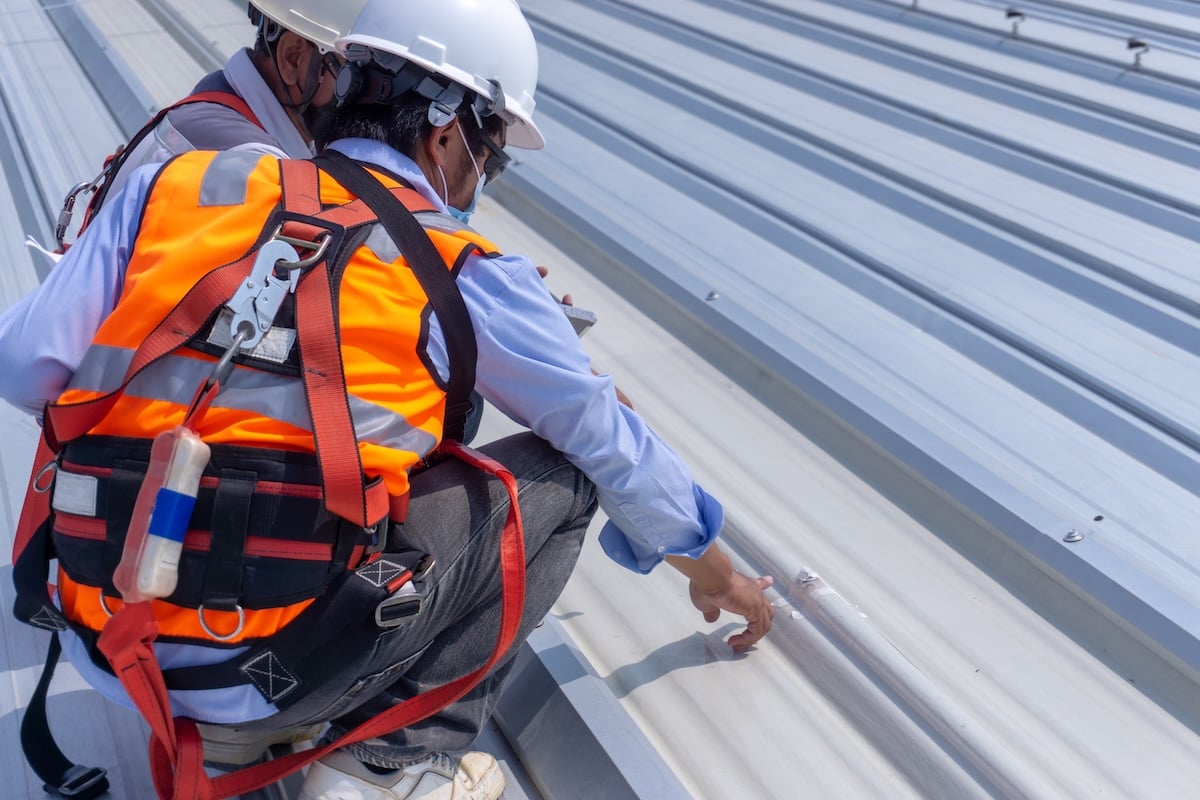
Most manufacturers require professional installation by certified contractors for the warranty to remain valid. If panels are installed incorrectly—or with unapproved fasteners or sealants—the warranty could be voided.
4. Maintenance And Environmental Conditions
Metal roofs require very little maintenance, but manufacturers still expect routine inspections and cleaning. Neglect, debris buildup, or chemical exposure (like salt spray) can affect warranty eligibility.
In Springfield and surrounding areas, where roofs endure seasonal temperature shifts and humidity, keeping gutters clear and washing away debris annually is often part of warranty upkeep.
What Metal Roof Warranties Usually Don’t Cover
While warranties provide peace of mind, they’re not all-inclusive. Most exclude the following:
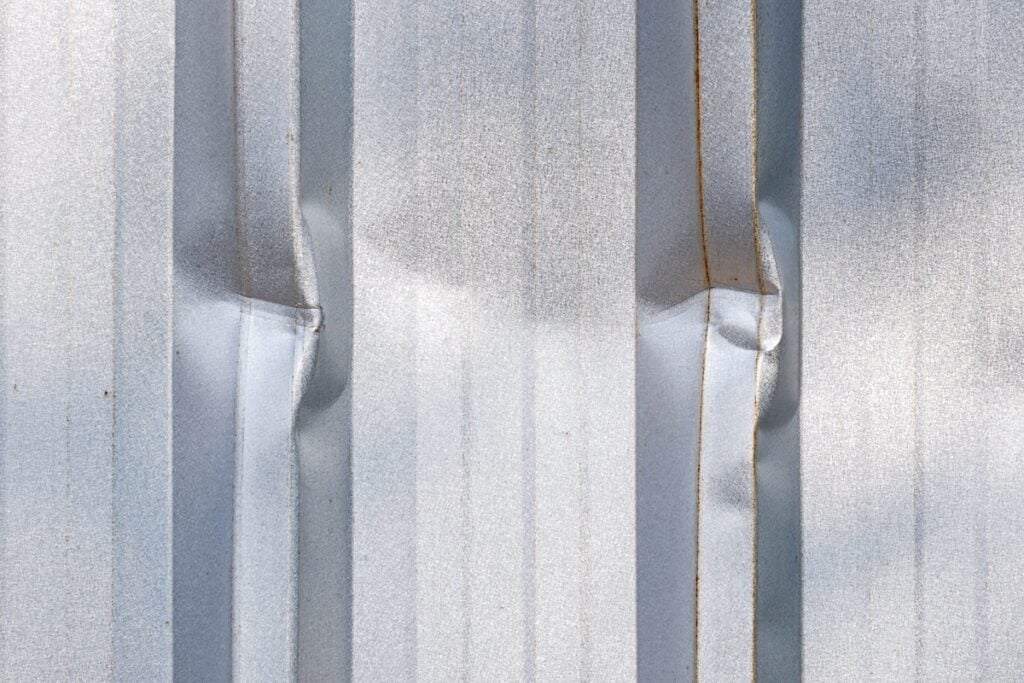
- Damage from severe weather (hail, wind, or tornadoes).
- Improper installation or unauthorized repairs.
- Impact damage from falling branches or debris.
- Normal aging or surface wear.
- Damage from foot traffic or negligence.
- Issues caused by incompatible materials or contact with dissimilar metals.
In other words, warranties protect against manufacturing or workmanship problems—not accidents, neglect, or environmental disasters.
What To Look For In A Metal Roof Warranty
When comparing warranties, focus on clarity and coverage rather than length alone.
- Transferability: Some warranties can be transferred to a new homeowner if you sell your house, which adds resale value.
- Pro-rated vs. non-pro-rated: Pro-rated warranties decrease coverage over time, while non-pro-rated warranties maintain full coverage for the duration.
- Inclusion of labor: Some warranties cover material replacement only, not labor costs for repairs.
- Maintenance requirements: Understand what’s required to keep your warranty valid.
- Registration process: Many warranties require registration with the manufacturer after installation.
Taking the time to review these details ensures you know exactly what protection you’re getting.
Comparing Metal Roof Warranties To Other Roofing Types
| Roof Material | Typical Warranty Duration | Coverage Type |
| Metal (Steel or Aluminum) | 30–50 years | Material, finish, or weather-tight |
| Asphalt Shingles | 10–30 years | Material only, limited coverage |
| Wood Shakes | 15–25 years | Limited against material defects |
| Tile or Slate | 30–75 years | Material, sometimes transferable |
Metal roofing typically offers the longest and most comprehensive warranties among residential materials, especially when installed by certified professionals.
Why Reading The Fine Print Matters
Every warranty contains specific terms that define what’s covered and what’s excluded. For example, a paint warranty might protect against fading beyond a certain percentage but exclude damage caused by standing water or improper cleaning.
Before committing to a particular product or contractor, ask for a copy of the warranty document and review it carefully. It’s best to understand potential limitations upfront rather than discovering them after an issue occurs.
How To Keep Your Metal Roof Warranty Valid
Following a few best practices ensures your warranty remains in effect for its full duration.
- Hire a qualified installer: Choose a contractor with experience installing your specific metal roof system.
- Keep maintenance records: Document annual inspections or cleanings.
- Avoid unapproved alterations: Adding antennas, solar panels, or skylights without approval can void warranties.
- Clean periodically: Remove leaves, dirt, and debris to prevent staining or corrosion.
- Follow manufacturer guidelines: Use approved cleaning products and maintenance methods.
Manufacturers may require proof of maintenance if a claim is ever filed, so keeping records is always a good idea.
Filing A Warranty Claim
If you notice an issue covered under your warranty, start by contacting your installer or manufacturer. Most companies will:
- Request photos or descriptions of the problem.
- Review your documentation and proof of purchase.
- Inspect the roof in person if necessary.
- Determine whether the claim meets the warranty terms.
If approved, the manufacturer typically covers repair or replacement costs based on the agreement’s terms.
Understanding Your Options
Getting a metal roof warranty depends on the type of material, the coating used, and the roofing company handling your installation. Each manufacturer structures its warranty differently, so it’s essential to read the details before you buy.
A metal roof is already one of the most durable and low-maintenance options available, and a strong warranty simply adds peace of mind. By choosing reputable materials and qualified professionals, you can ensure your investment stays protected for decades to come.
If you’re planning a roofing project or comparing materials, reach out to Springfield Roofing & Sheet Metal for expert guidance and a free estimate. Our team proudly serves Springfield and surrounding areas, helping homeowners make informed choices about quality, longevity, and protection.