

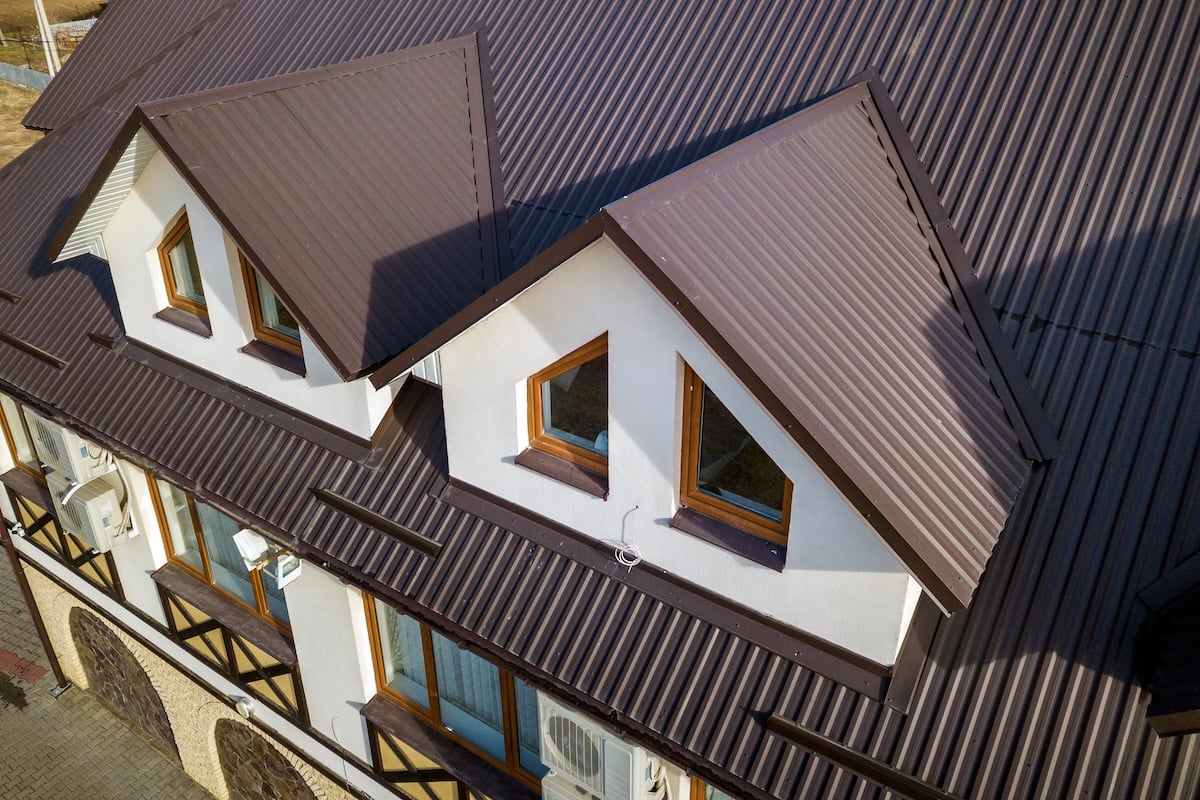
Top-Rated Metal Roofing Services
Top-Notch Metal Roofing Specialists
A roof should do more than just cover your home, it should elevate it. At Springfield Roofing & Sheet Metal, we craft custom metal roofs that are as functional as they are striking. Whether you’re drawn to bold modern lines or timeless designs, we help you choose from premium materials that reflect your vision and fit your lifestyle.
Beyond good looks, our roofs are built to perform. They stand up to tough weather, improve energy efficiency, and add long-term value to your property. Thinking of boosting curb appeal or making a smart investment? You’re in the right place.
From your first point of contact to the final installation, our team is hands-on and detail-driven. We don’t believe in one-size-fits-all solutions, just roofs that are made to last and tailored to you.
-

Free Project Estimates
-

Family Owned & Operated
-

Monthly Payment Options


Get In Touch Today! 👋
Fill out our form below and a representative will be in touch.


4.9 Rating


5.0 Rating

5.0 Rating
Locally-Trusted Metal Roofing Contractors
Metal Roofs That Work as Hard as They Look
Metal roofs aren’t just for show. They’re a smart, long-term investment for your home. We use only the highest quality materials to create roofs that can handle whatever Mother Nature throws at them: wind, hail, snow, or heavy rain, you name it. Our metal roofs are designed to be energy-efficient, low-maintenance, and available in a wide range of styles, colors, and finishes.
Whether you’re dreaming of a roof with classic charm or one with sleek modern vibes, we’ve got plenty of options to fit your vision perfectly. And with industry-leading warranties, you can relax knowing that your roof will not only look amazing but also perform exceptionally well for many years to come. You’re not just investing in a roof, you’re investing in quality, craftsmanship, and peace of mind.

Our Materials
Durable Materials Available to You

Metal Roofing
Metal roofing is taking the country by storm because it’s eco-friendly, attractive, and impressively durable. Sleek standing seam panels can last for 40-70 years!

Dark Bronze
Forest Green
Colonial Red
Matte Black
Regal Red

Asphalt Shingle Roofing
We proudly install beautiful and long-lasting CertainTeed asphalt shingle roof systems. You can’t go wrong with this classic choice, available in a range of colors and styles.


XT25 3-Tab

Landmark

Landmark Pro

Belmont

Grand Manor

Slate Roofing
True slate is an old-world roofing material that’s known to last for more than 100 years. These “forever roofs” are commonly seen on historic properties in our region.

Cedar Shake Roofing
Cedar shake is a type of hand-split wood shingle that offers a unique, rustic appearance for your home.

Synthetic Roofing
Want the look of a slate or cedar shake roof without the high cost or maintenance responsibilities? Consider modern & durable synthetic roofs from DaVinci or EcoStar. 


TPO (Thermoplastic Polyolefin) Roofing
This single-ply white membrane, used in both commercial and residential flat and low-sloped roofing applications, reflects heat instead of absorbing it— keeping your rooms cooler below.
A streamlined process that fits with your busy schedule.


Step 2:
Appointment Scheduled
A member of our team will schedule an on-site visit that is convenient for your busy schedule.
Step 2:
Appointment Scheduled
A member of our team will schedule an on-site visit that is convenient for your busy schedule.

Step 3:
Receive Estimate
You’ll receive a no-pressure and no-obligation project estimate. No dinner table meetings here!
Step 3:
Receive Estimate
You’ll receive a no-pressure and no-obligation project estimate. No dinner table meetings here!

Step 4:
Project Starts
The big day has arrived! A Springfield Roofing Certified Foreman and crew will arrive on-site to begin your project.
Step 4:
Project Starts
The big day has arrived! A Springfield Roofing Certified Foreman and crew will arrive on-site to begin your project.

Step 5:
Final Check
A qualified Lead Foreman will perform a final check on your home’s project. Satisfaction Guaranteed!
Step 5:
Final Check
A qualified Lead Foreman will perform a final check on your home’s project. Satisfaction Guaranteed!

Customer Care From Your Local Metal Roofing Company
No Pressure, Just Possibilities
At Springfield Roofing, we believe in ditching the pushy sales pitches and focusing on what really matters: your goals and your satisfaction. We’re here to make the entire process smooth, stress-free, and maybe even a little fun along the way. Can’t meet in person? No problem at all. We’ll swing by your property for a thorough assessment and even offer a virtual walkthrough if that’s more convenient for you. From start to finish, we keep communication clear, the process simple, and our promises honest.
Virginia homeowners trust us for our combination of top-notch metal roofing and customer care that goes above and beyond expectations. If you’re ready for a roof that checks all the boxes, our dedicated team is here to bring your vision to life.
Let's Connect

Ask Us About Our Military and First Responders Discount!
Proudly Serving the Areas We Grew Up In
We support our local home and business owners all over Virginia by installing and repairing long-lasting rooftops. Our goal is to develop a true partnership with you, which means we’re happy to help you with any job – no matter how big or small.


View Our Local Projects
View Gallery


We're here to help!
What roofing materials can you install?

We’re qualified to install a wide range of materials, including asphalt shingles, metal roofing, cedar shakes, slate, composite, and flat roofing.
How long will my roof replacement take?
Most roof replacements can be completed within 1-2 days. However, the size of your property, the materials you choose, and the weather can extend this timeline.
How much will my roof replacement cost?
While we’d love to give you a specific answer, roof replacement costs vary tremendously based on the size of your property and the materials you choose. The best way to get a clear picture of the cost is to contact our team for a free estimate. Want an online estimate? Check out our effortless roof estimating tool!
Do you offer financing?
Yes, we currently offer financing through Acorn Finance.
Do you install skylights?
Yes— we can install any style of skylight.
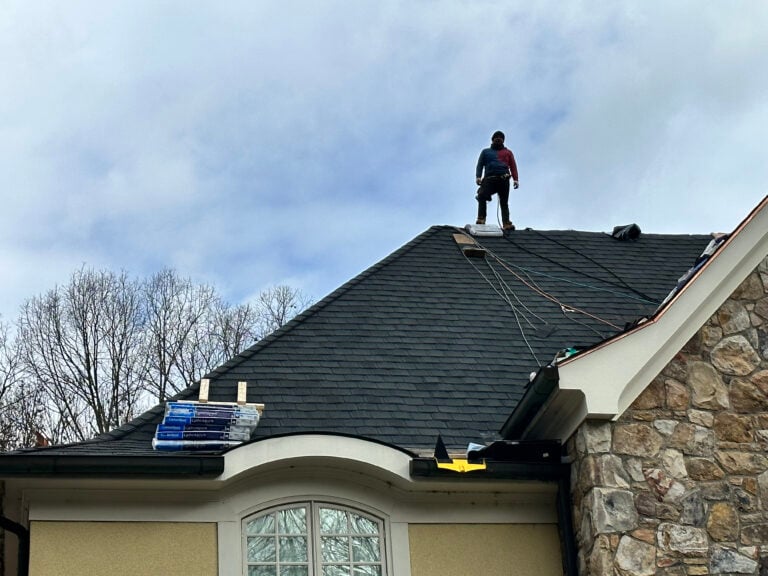

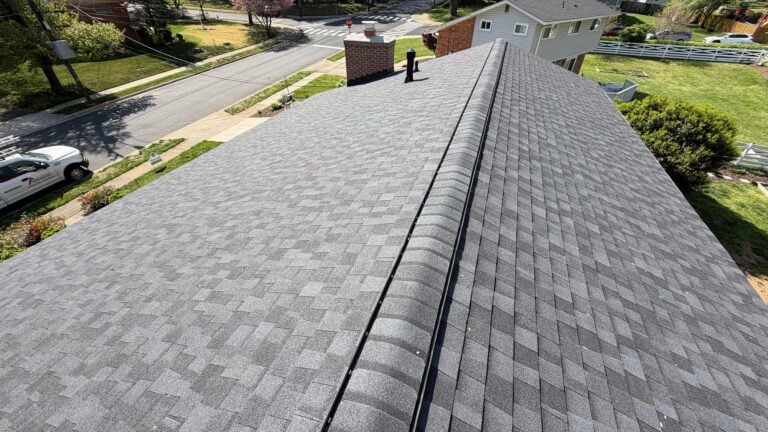
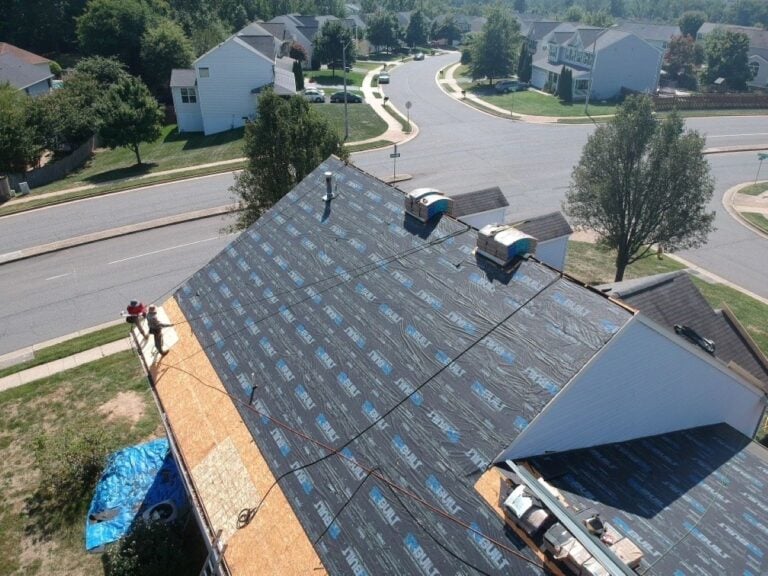
Devotedly Working For You and Your Future.
