If you’ve ever experienced frozen gutters or leaking ceilings after a snowstorm, you know how important ice dam removal can be. Ice dams form when melted snow refreezes at the roof’s edge, creating a thick ridge of ice that traps water behind it. That trapped water can then seep under shingles and cause serious roof damage.
In Virginia, where winter temperatures fluctuate between freezing and mild, these freeze-thaw cycles make ice dams a recurring issue, especially for homes in McLean and surrounding areas. Fortunately, there are safe and effective ways to remove ice dams without damaging your roof or gutters.
- Prevent structural damage: Stops leaks before they reach your attic or ceilings.
- Maintain roof longevity: Protects shingles, flashing, and insulation from moisture damage.
- Safe, proven methods: Use professional or homeowner-safe techniques to melt and prevent buildup.
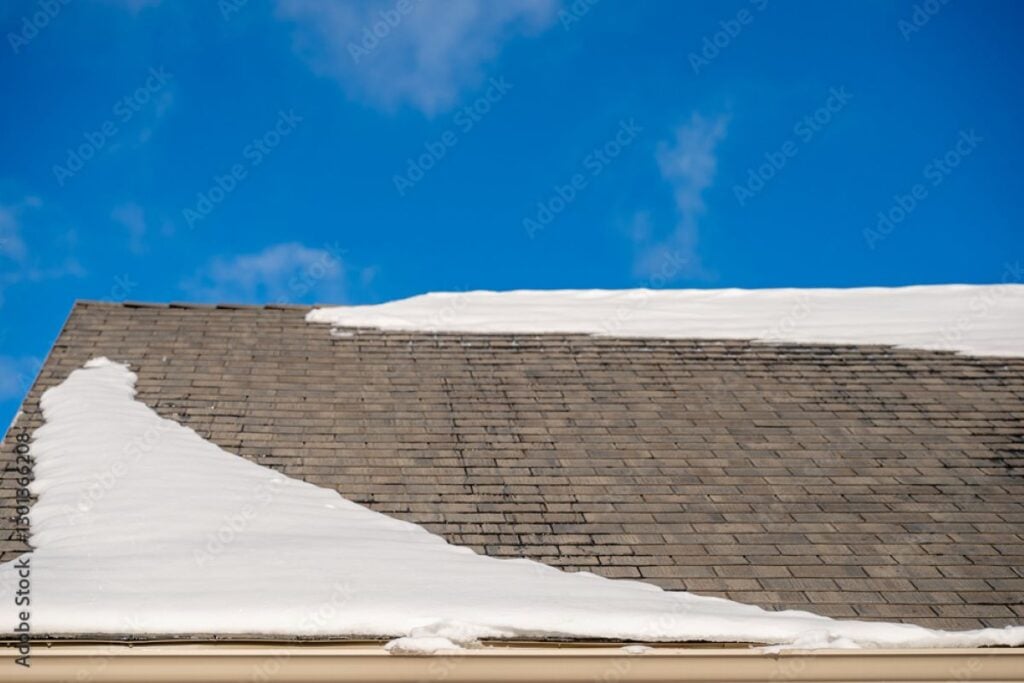
What Is an Ice Dam and Why Does It Form?
An ice dam is a ridge of ice that develops along the lower edge of your roof. It occurs when heat from your attic melts snow on the upper part of the roof, and the runoff refreezes at the colder eaves. Over time, the ice blocks proper drainage, forcing melted water under shingles.
In Virginia’s variable winter climate, ice dams form because daytime sunshine and attic warmth melt snow, while overnight temperatures drop below freezing. This repeated melting and refreezing cycle allows dams to grow thicker with each cold night.
If left untreated, they can cause water leaks, mold growth, ceiling stains, and even structural damage to rafters and insulation.
Warning Signs of Ice Dams
Recognizing early warning signs can help prevent major water damage.
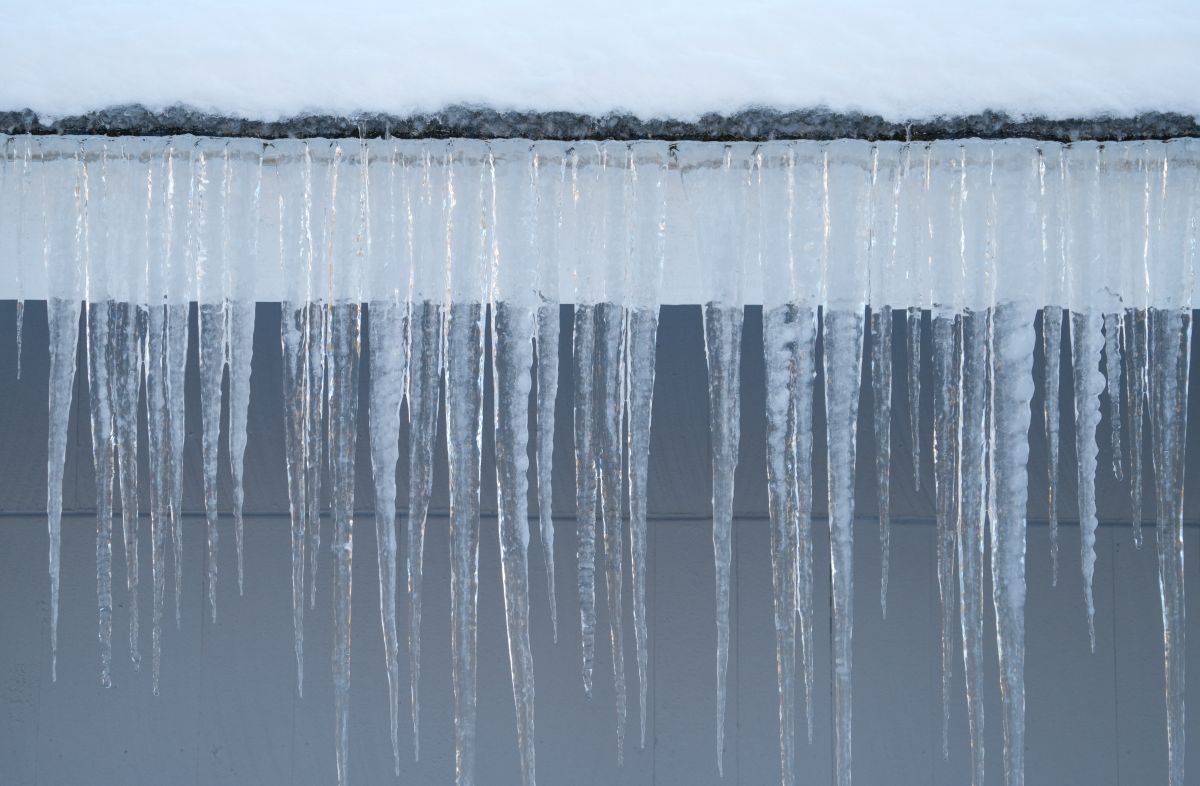
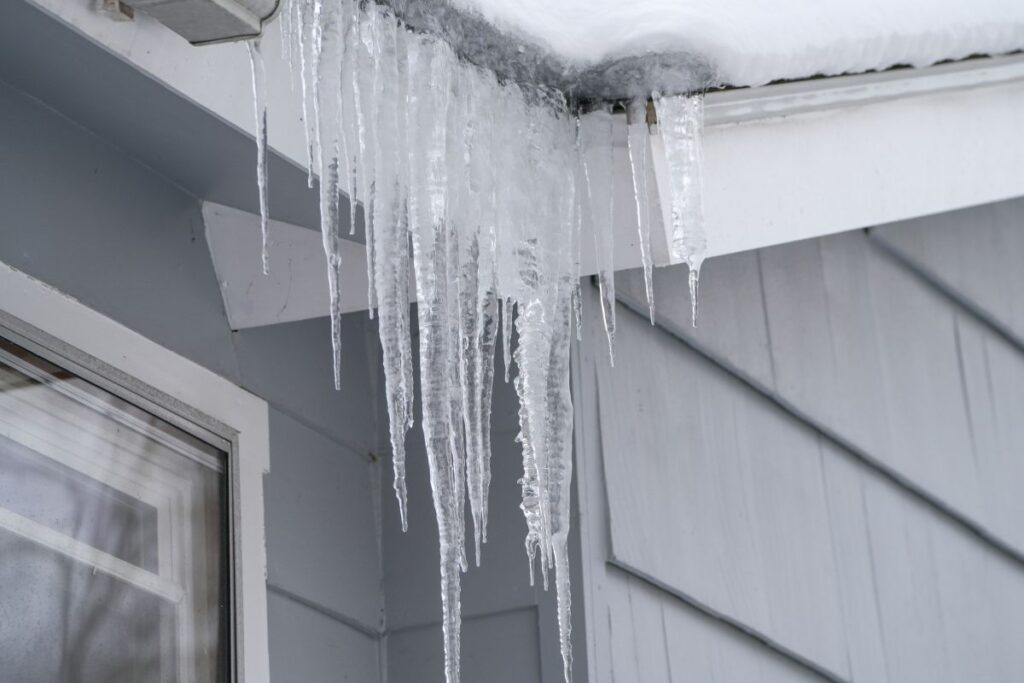
- Icicles hanging from gutters or roof edges.
- Ice buildup is thicker at the eaves than higher up.
- Water stains on ceilings or walls near exterior walls.
- Peeling paint or bubbling plaster indoors.
- Cold spots on the ceiling indicate trapped moisture.
If you notice these symptoms after snow or freezing rain, your roof may already be developing an ice dam.
7 Safe Ice Dam Removal Methods That Work
Before attempting ice dam removal, remember that safety comes first. Roof surfaces can be extremely slippery in winter, and using the wrong tools or chemicals can cause more harm than good. These methods are the most effective and safest options for homeowners in Virginia.
1. Use a Roof Rake to Remove Snow
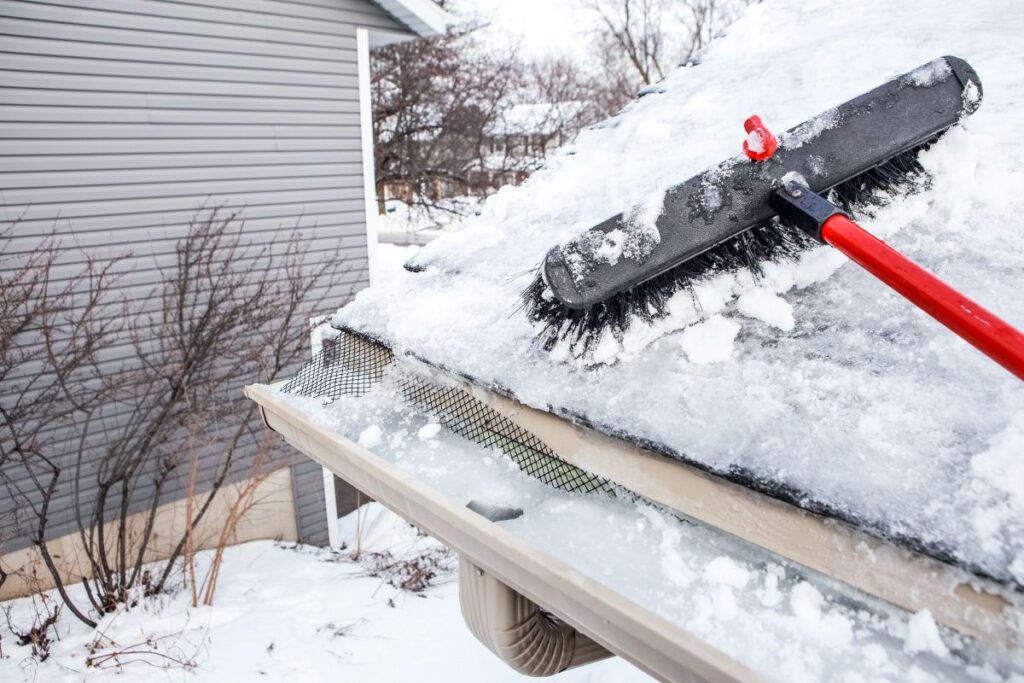
One of the simplest ways to prevent and control ice dams is to use a long-handled roof rake. By pulling snow off the roof’s lower sections, you stop melting snow from refreezing near the edges.
Tip: Always stand on the ground when raking snow—never climb onto an icy roof. Extend the rake upward and pull gently to avoid dislodging shingles.
2. Apply Calcium Chloride Ice Melt
Calcium chloride pellets can safely melt ice without damaging roofing materials. Fill a cloth or nylon stocking with ice melt and lay it vertically across the ice dam so it cuts through the ridge and creates a water drainage channel.
Avoid rock salt (sodium chloride), which corrodes metal gutters and stains shingles.
3. Use a Professional Steam Removal Service
For thick or stubborn ice dams, professional steam removal is the safest and most effective option. Roofing technicians use low-pressure steam equipment to melt ice quickly without damaging shingles or gutters.
This method is ideal for larger Virginia homes in McLean and surrounding areas, where steep or high-pitched roofs make manual removal unsafe.
4. Improve Attic Ventilation
Long-term prevention starts in your attic. Warm air escaping through the ceiling causes uneven roof temperatures, which leads to melting and refreezing. Increasing ventilation helps keep your roof’s surface cold and consistent.
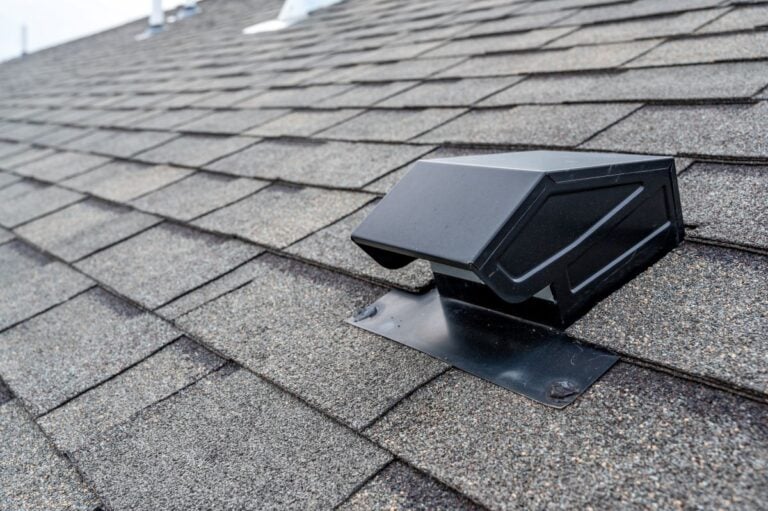
This can be achieved by adding soffit vents, ridge vents, or gable vents to improve airflow and maintain balanced attic temperatures.
5. Seal Attic Air Leaks
Even with good ventilation, warm air from living spaces can escape through small cracks, wiring holes, or light fixtures. Use foam insulation or caulk to seal leaks between the attic and the main house.
In Virginia homes built before modern insulation standards, sealing these gaps significantly reduces ice dam formation.
6. Add or Upgrade Attic Insulation
Proper insulation helps maintain a stable attic temperature, preventing snow from melting unevenly. Blown-in cellulose or fiberglass insulation can increase energy efficiency and reduce ice dam risks.
A well-insulated attic also helps lower heating bills during Virginia’s chilly winters.
7. Create Temporary Channels for Drainage
If water is already backing up behind an ice dam, you can create small drainage channels by carefully applying hot water to melt paths through the ice. This is only a temporary solution but can relieve pressure until the full dam can be safely removed.
Use a hose with hot water and direct the stream toward the gutter to encourage water flow outward—not under the shingles.
How Ice Dams Damage Virginia Homes
Ice dams don’t just look bad—they cause costly long-term damage when ignored.
- Roof leaks: Melted water seeps under shingles and into decking.
- Mold growth: Damp insulation and drywall promote mold in attics and ceilings.
- Gutter collapse: The added weight of ice can bend or detach gutters.
- Insulation damage: Wet insulation loses effectiveness and must be replaced.
- Exterior staining: Overflowing meltwater can discolor siding or fascia boards.
Virginia’s mix of cold nights and mild daytime thaws creates perfect conditions for repeated ice dam formation, so prevention is especially important here.
Preventing Ice Dams in the Future
Ice dam prevention focuses on keeping your roof evenly cold while ensuring proper drainage.
- Clean gutters before winter: Clogged gutters trap melting snow and ice.
- Install heated cables: Heat cables along the eaves and gutters melt ice before it builds up.
- Keep roof edges clear: After each snowfall, remove snow from the first 2–3 feet of roof.
- Insulate attic hatches: Prevent warm air from leaking upward.
- Check ventilation yearly: Proper airflow minimizes uneven roof heating.
These steps are particularly effective in McLean and surrounding areas, where fluctuating temperatures make freeze-thaw cycles frequent.
Mistakes To Avoid During Ice Dam Removal
Homeowners sometimes make errors that worsen roof damage instead of fixing it. Avoid the following:
- Using sharp tools: Chipping ice with axes or hammers can crack shingles.
- Applying rock salt: Corrodes metal flashing and stains roofing materials.
- Climbing on icy roofs: Slips and falls are common and dangerous.
- Ignoring attic leaks: Delayed action can lead to insulation rot and mold.
When in doubt, it’s safest to let a professional handle removal—especially for large or complex roofs.
Why Ice Dams Are Common in Virginia
Unlike northern states with consistently cold winters, Virginia’s temperature swings between freezing and thawing make conditions unpredictable. A single day of sunshine can melt snow, only for it to refreeze overnight.
Homes in McLean and surrounding areas often have a mix of shaded and sun-exposed roof sections, which makes certain areas melt faster than others, creating uneven temperatures ideal for ice dam formation.
Because of this, Virginia homeowners benefit most from a mix of proactive maintenance and quick, safe removal methods when ice does appear.
Stay Safe and Prevent Roof Damage This Winter
Knowing how to handle ice dam removal safely is essential for Virginia homeowners who want to protect their roofs through unpredictable winters. Whether you choose to rake snow, apply calcium chloride, or call in professionals for steam removal, taking quick action prevents costly water damage and extends your roof’s lifespan.
If your home in McLean or surrounding areas has recurring ice dam issues or visible leaks, reach out to Springfield for professional guidance. Our experienced team helps homeowners stay safe, dry, and protected from winter roof damage, season after season.