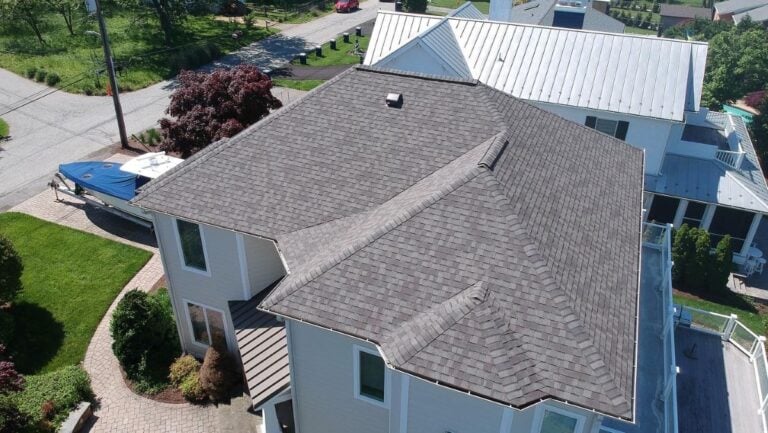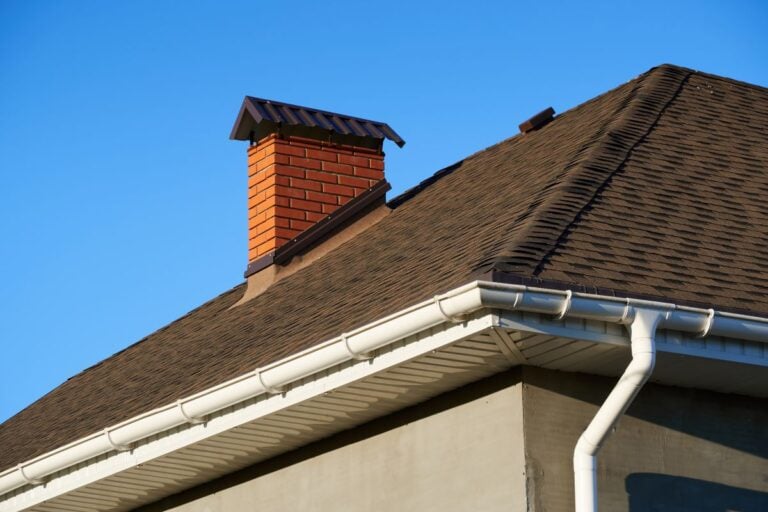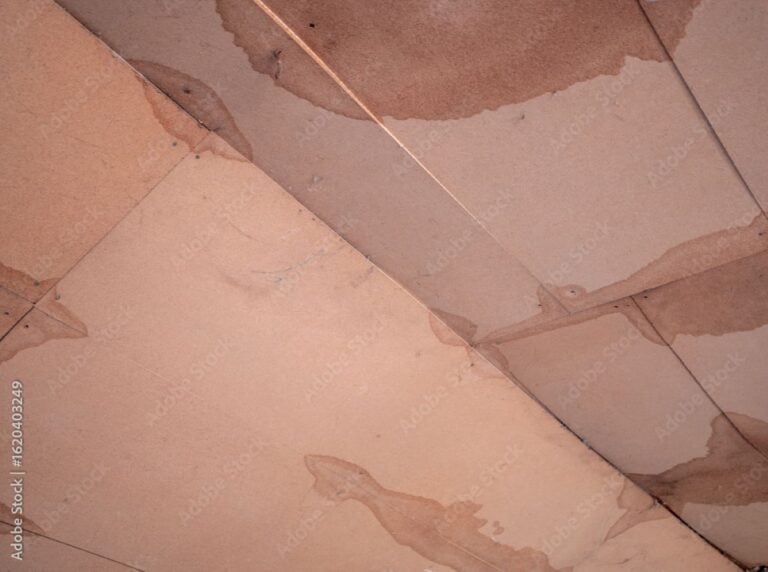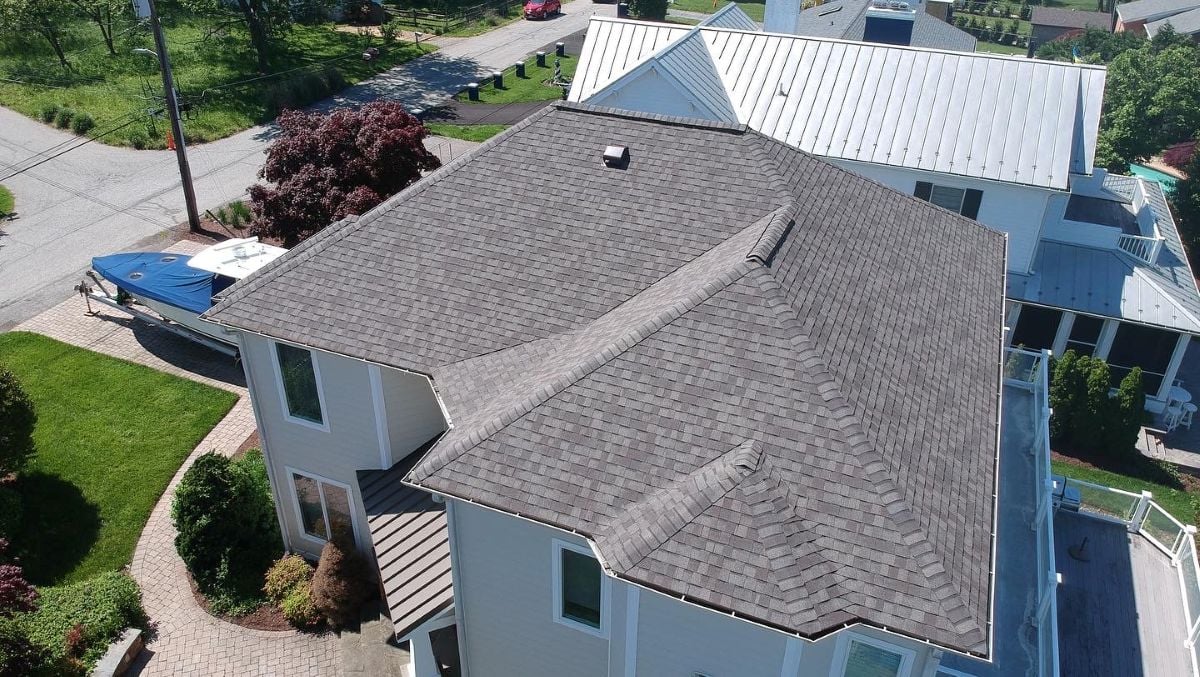
When budgeting for a new roof or repairs, understanding estimates for roofing is essential. Roof costs vary widely depending on material, size, labor, and location, and prices are expected to shift slightly heading into 2026. For homeowners in Springfield and surrounding areas, knowing what to expect can help you plan a realistic budget and choose the right roofing solution for your home.
- Regional averages: Roofing prices in Virginia generally fall between $6,000 and $20,000.
- Cost factors: Material, roof size, and complexity are the biggest influences.
- Price disclaimer: All costs are estimates and can vary depending on location, contractor, and material availability.
Why Roofing Estimates Vary So Much
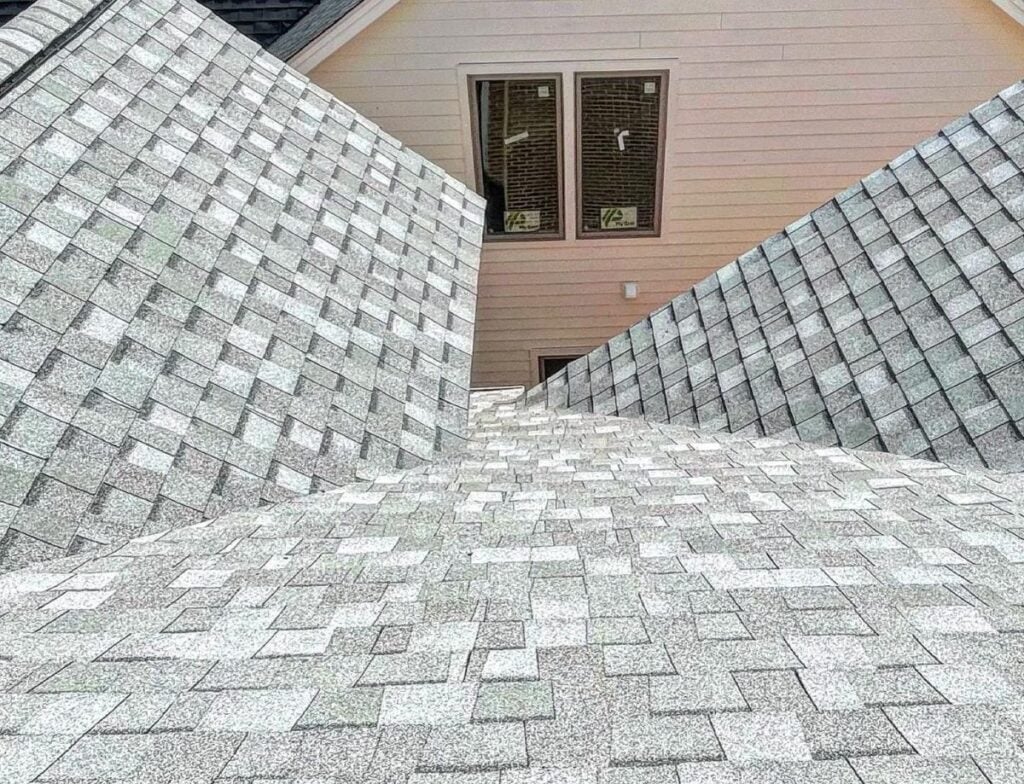
Every roofing project is unique. Even two homes of the same size may have very different quotes based on slope, materials, and accessibility. Labor rates, manufacturer warranties, and disposal fees also play a major role in the final number.
In Virginia, where weather and humidity affect material performance, roof estimates often reflect the added importance of proper ventilation, flashing, and underlayment. Understanding what’s included in your estimate helps ensure you’re comparing similar scopes of work across contractors.
Average Roofing Material Costs in Virginia
Prices can fluctuate based on market conditions and material costs, but as of early 2026, these are the typical price ranges homeowners in Springfield and surrounding areas can expect.
| Roof Type | Average Cost per Sq. Ft. Installed | Average Total Cost (2,000 sq. ft. Roof) | Lifespan (Years) |
| Asphalt Shingles | $4.50–$7.50 | $9,000–$15,000 | 20–30 |
| Metal Roofing | $8.50–$14.00 | $17,000–$28,000 | 40–70 |
| Wood Shakes | $8.00–$13.00 | $16,000–$26,000 | 25–40 |
| Tile Roofing | $12.00–$20.00 | $24,000–$40,000 | 50–75 |
| Slate Roofing | $15.00–$30.00 | $30,000–$60,000+ | 75–100 |
| Flat Roofing (TPO/Rubber) | $6.00–$10.00 | $12,000–$20,000 | 20–35 |
These estimates represent average installed costs in Virginia for residential roofing. Prices vary between regions and may be higher in areas with complex rooflines or stricter building codes.
7 Key Factors That Affect Roofing Estimates
Several components influence the final cost of a roofing project. Knowing what drives those numbers helps you make informed budgeting decisions.
1. Roof Size and Complexity
Larger roofs naturally require more materials and labor. However, steep or multi-level roofs add additional complexity, requiring safety gear, extra time, and specialized installation techniques.
2. Material Selection
Material type is the single biggest cost driver. Asphalt shingles are the most affordable, while metal, tile, and slate roofs are considered premium options.
Each comes with unique advantages: asphalt for affordability, metal for longevity, and tile or slate for luxury appearance and durability.
3. Labor and Installation
Labor costs in Virginia typically make up 40–60% of the total roofing estimate. Certified or highly experienced roofers may charge more but often provide better workmanship and warranty coverage.
4. Roof Removal and Disposal
If your old roof needs to be removed, disposal fees will be included in your estimate. These costs can range from $1.00–$1.50 per square foot, depending on how many layers must be torn off.
5. Underlayment and Flashing
High-quality underlayment and flashing protect your home from leaks and moisture damage. Though often overlooked, these details make a significant difference in long-term performance and warranty validity.
6. Permits and Local Regulations
In Springfield and surrounding areas, most roof replacements require a local building permit. Fees typically range from $150–$500 depending on the project’s size and municipality.
7. Season and Weather Conditions
Roofing costs can fluctuate seasonally. Spring and fall tend to be the busiest times for contractors in Virginia, potentially increasing prices due to higher demand.
Scheduling during off-peak months may reduce costs, as long as weather conditions are suitable.
How Roofing Estimates Are Calculated
Most contractors base estimates on the “square” system, where one roofing square equals 100 square feet of roof area. The total price includes:
- Material costs: Shingles, panels, fasteners, and flashing.
- Labor: Installation, tear-off, and cleanup.
- Overhead: Insurance, transportation, and warranty coverage.
- Disposal: Dumpster rental or landfill fees for old materials.
Understanding this breakdown helps you compare quotes accurately, ensuring you’re not just choosing the lowest price but the best overall value.
Typical Add-Ons Found in Roofing Estimates
When reviewing your roofing estimate, watch for additional line items that affect total cost:
- Gutter replacement or repair: $1,000–$2,500 depending on length and materials.
- Ventilation upgrades: $300–$1,000 for ridge vents or attic fans.
- Skylight resealing or replacement: $400–$1,200 each.
- Chimney flashing: $200–$800 depending on complexity.
- Roof deck repair: $1.50–$3.00 per square foot if rotted sections are found.
Including these extras ensures a complete, watertight roof system that performs well in Virginia’s mixed climate.
Comparing Roof Materials: Cost vs. Longevity
Choosing the right roofing material often means balancing upfront costs with long-term value.
- Asphalt shingles: Lowest cost and simplest installation, but may need replacement every 20–30 years.
- Metal roofing: Higher initial cost, but can last twice as long with minimal maintenance.
- Tile and slate: Expensive but unmatched in durability, weather resistance, and resale appeal.
- Flat roof membranes: Ideal for modern or low-slope designs; requires proper drainage to prevent leaks.
While metal and tile cost more upfront, their longevity and energy efficiency often make them cost-effective over time.
Average Roof Repair Costs in Virginia
Not every roofing project requires a full replacement. Minor repairs can extend your roof’s life and save money.
| Repair Type | Average Cost Range | Description |
| Shingle Replacement | $300–$700 | Replace damaged or missing shingles |
| Flashing Repair | $400–$900 | Fix or reseal around vents, chimneys, or skylights |
| Leak Repair | $500–$1,200 | Patch small leaks and replace wet decking |
| Gutter Repair | $250–$600 | Re-secure or replace small gutter sections |
| Storm Damage Repair | $800–$2,500 | Address wind or hail-related damage |
Repair costs depend heavily on material type, roof slope, and accessibility.
How To Read a Roofing Estimate
A detailed roofing estimate should include more than just a price. Look for:
- Material specifications: Brand, type, and warranty length.
- Scope of work: What’s included in the tear-off, installation, and cleanup.
- Timeline: Estimated project start and completion dates.
- Warranty terms: Coverage for both materials and workmanship.
- Payment schedule: Deposit, progress payments, and final balance.
If something is unclear, always ask your contractor for clarification before signing.
Common Mistakes When Reviewing Roofing Estimates
Many homeowners make these avoidable errors when comparing quotes:
- Focusing only on price: The cheapest bid can lead to lower-quality work.
- Ignoring warranty details: Limited or pro-rated warranties offer less long-term protection.
- Skipping material comparisons: Two estimates may use completely different products.
- Overlooking ventilation upgrades: Poor ventilation shortens roof life and voids warranties.
Evaluating value rather than just cost helps you select a contractor who delivers quality and peace of mind.
Why Roofing Costs in Virginia Differ from Other States
Virginia’s climate and geography play a large role in pricing. Homes in Springfield and surrounding areas experience both summer heat and winter cold, meaning roofing materials must handle expansion, contraction, and humidity.
Labor rates are also higher in Northern Virginia due to stricter building codes and higher living costs. Additionally, local supply and transportation costs can influence pricing from year to year.
Plan Ahead and Protect Your Investment
Getting accurate estimates for roofing helps homeowners budget confidently and choose materials that match both their style and their climate. While averages provide a general guide, every project is unique—factors like roof size, pitch, and design complexity all affect final pricing.
If you’re considering roof replacement or repair in Springfield and surrounding areas, reach out to Springfield for professional guidance. Our team provides transparent pricing, honest advice, and reliable craftsmanship to help Virginia homeowners protect their homes and make the most of their roofing investment.