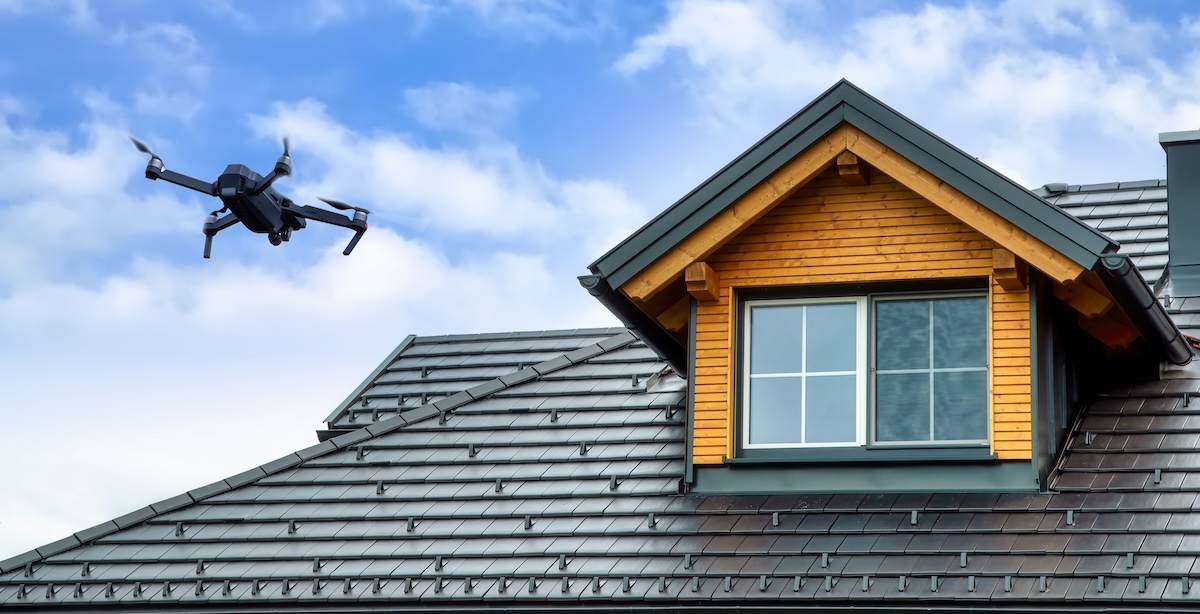
A drone roof inspection is quickly becoming the new standard for homeowners who want fast, accurate, and safe roof evaluations. Instead of relying solely on ladders or manual checks, roofing contractors now use advanced drone technology to capture detailed images and videos of your entire roof surface. This modern approach provides deeper insight, greater safety, and more reliable documentation for insurance and maintenance planning.
- Safety first: Drones eliminate the need for risky rooftop climbs during inspections.
- Accuracy: High-resolution imaging detects even small cracks, leaks, or structural issues.
- Efficiency: Faster inspections mean less disruption to your day and quicker results.
Why Drone Roof Inspections Are Growing In Popularity
Drone technology has revolutionized roofing inspections. In Great Falls and surrounding areas, homeowners increasingly prefer drone inspections because they combine precision with convenience. Drones allow roofers to analyze even the most difficult-to-reach spots without stepping foot on your roof, reducing the risk of damage while providing clearer data.
Traditional inspections often miss subtle details—especially on steep or complex roofs. Drones, equipped with high-definition cameras and sensors, capture every angle and deliver comprehensive visuals in minutes.
What Is A Drone Roof Inspection?
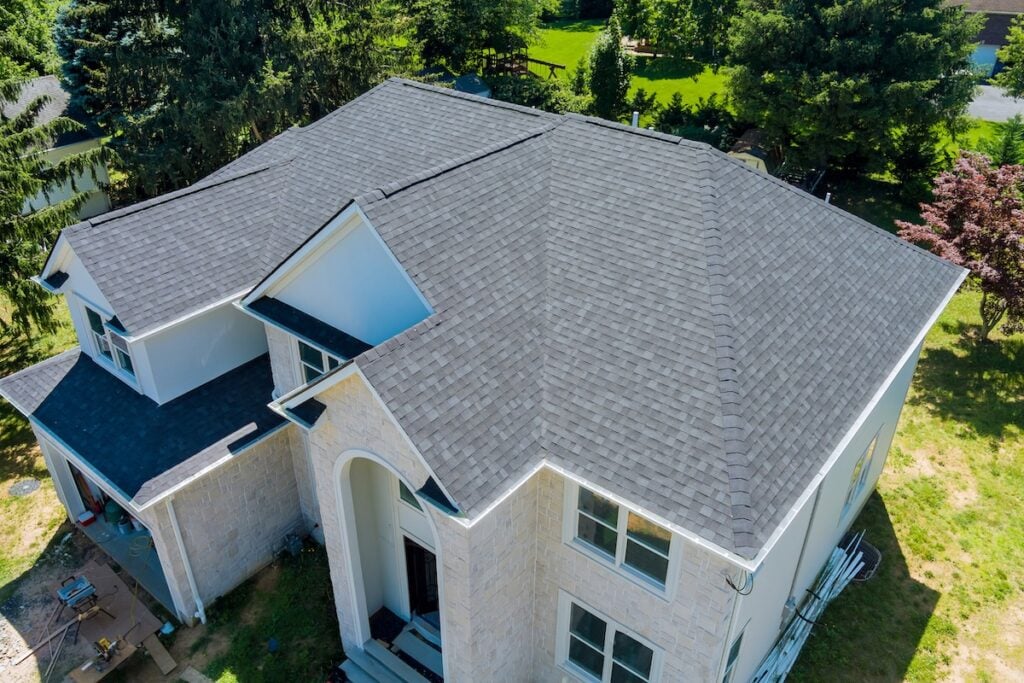
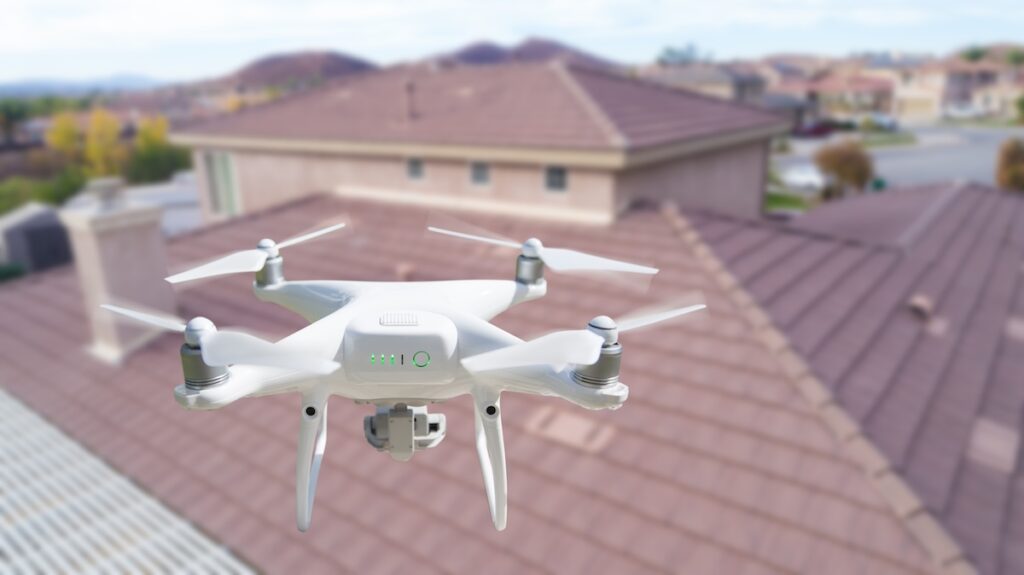
A drone roof inspection uses an unmanned aerial vehicle (UAV) to survey and record images of your roof. The drone is piloted by a licensed technician who follows a planned flight path, ensuring consistent coverage of all roof sections. Advanced software then compiles the footage into a detailed report that includes measurements, potential problem areas, and maintenance recommendations.
The Technology Behind It
Modern drones are equipped with GPS stabilization, thermal imaging, and 4K cameras. These tools allow roofers to identify cracks, heat loss, moisture intrusion, and missing shingles—all without touching the roof. Some systems can even generate 3D roof models, making it easier to estimate repair costs and plan future replacements.
Why It’s Better Than Traditional Methods
Conventional roof inspections rely on manual observation, which is both time-consuming and limited to what an inspector can see up close. A drone can cover large areas quickly, zoom in on specific spots, and deliver consistent, repeatable data that’s easy to store and share.
The Process Of A Drone Roof Inspection
If you’ve never had a drone roof inspection before, here’s what you can expect when scheduling one with Springfield Roofing & Sheet Metal.
- Initial Consultation: The process begins with a short discussion about your roof type, concerns, and goals for the inspection.
- Flight Planning: The technician maps out an efficient flight path that ensures every angle and elevation of your roof will be captured.
- Drone Launch: Using advanced stabilization, the drone takes off and begins photographing or recording the roof surface.
- Image Capture and Data Collection: Thousands of detailed images are collected, often paired with thermal data to detect hidden moisture.
- Data Analysis: The images are uploaded to specialized software that identifies potential issues such as cracks, lifted shingles, or pooling water.
- Report Delivery: You receive a detailed visual report that highlights findings, recommends next steps, and includes digital photos or video clips for reference.
6 Key Benefits Of Drone Roof Inspections
Drone inspections provide several advantages over traditional roof evaluations, offering homeowners safer, more cost-effective insights into their roof’s condition.
1. Enhanced Safety
A major advantage of drone inspections is eliminating the risk of climbing ladders or walking on unstable roofs. In Great Falls and surrounding areas, where roofs often have steep pitches or multiple stories, this benefit can’t be overstated. Drone technology keeps both the inspector and your roof safe from potential harm.
2. Greater Accuracy
High-resolution cameras capture every inch of your roof, revealing even small cracks or signs of wear. Unlike human observation, drones don’t miss subtle problems caused by shading, debris, or hidden valleys.
3. Faster Results
Traditional roof inspections can take hours, but drones complete the process in minutes. You’ll receive faster reports and quicker turnaround times for any needed repairs.
4. Cost Efficiency
Because drones require fewer workers and less time on-site, inspections are typically more affordable. Homeowners can expect the drone roof inspection cost to average between $200 and $350—comparable to traditional inspections but with far greater precision.
5. Comprehensive Documentation
Drone technology produces detailed, timestamped images and videos that can be stored digitally. This documentation is invaluable for insurance claims, maintenance tracking, or preparing to sell your home.
6. Ideal For Hard-To-Reach Roofs
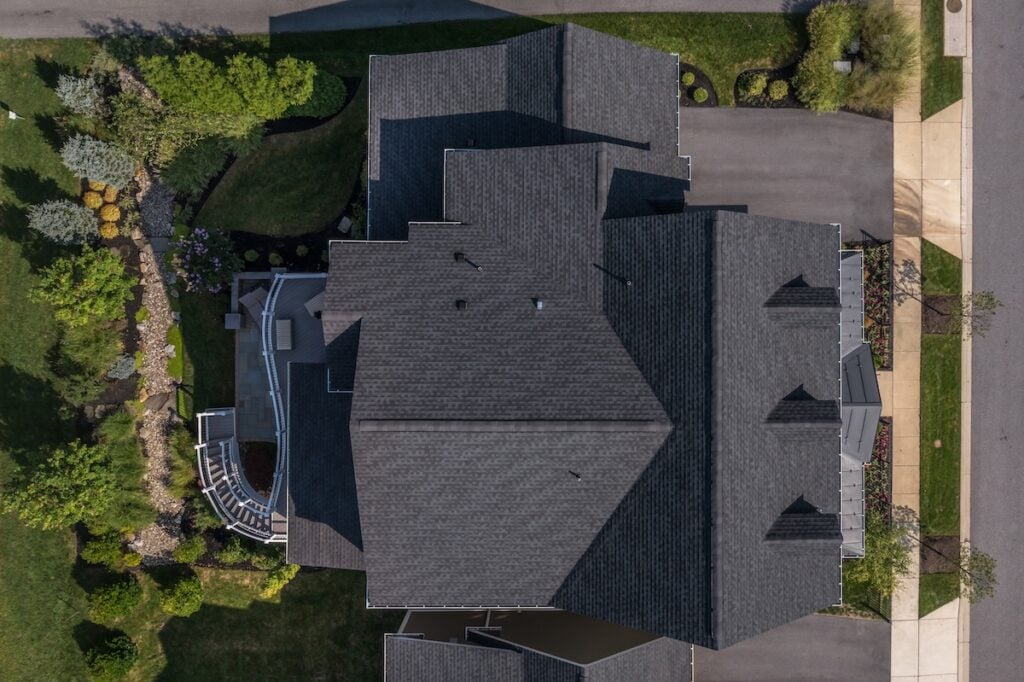
Homes with multiple peaks, dormers, or steep slopes can be challenging to inspect safely. Drones easily navigate around these complex structures, ensuring complete coverage without risking damage.
How Drones Improve Insurance And Maintenance Planning
Drones don’t just improve accuracy—they simplify the entire post-inspection process.
Insurance Claims
After a hailstorm or wind event, clear documentation is essential for insurance claims. Drones provide irrefutable photographic evidence of impact points, missing shingles, or flashing damage. This speeds up claim approvals and ensures fair compensation for repairs or replacements.
Long-Term Roof Maintenance
Drone imagery helps roofers identify patterns of wear or aging over time. With repeat inspections each year, you can compare images side-by-side to spot changes before they become serious problems. This data-driven approach allows homeowners in Great Falls and surrounding areas to plan roof maintenance proactively instead of reacting to leaks or sudden failures.
Drone Roof Inspection vs. Manual Inspection
While traditional inspections remain useful for hands-on repairs and close-up evaluations, drone inspections often deliver superior initial assessments. Here’s how they compare:
- Speed: Drones inspect large roofs in under 30 minutes, while manual inspections can take several hours.
- Precision: Drones detect surface and thermal variations that human eyes might miss.
- Safety: No climbing or risk of roof damage.
- Documentation: Drone images create a permanent visual record for future reference.
What To Expect From Your Inspection Report
After the drone flight, Springfield Roofing & Sheet Metal compiles a detailed report featuring high-quality images, measurements, and recommendations. The report outlines your roof’s overall condition, potential problem areas, and suggested maintenance or repairs.
You’ll receive both digital and printable copies, allowing you to share them with your insurance provider or real estate agent if needed. The transparency of these reports empowers homeowners to make informed decisions without guesswork.
When To Schedule A Drone Roof Inspection
Drone roof inspections are valuable in many scenarios, whether for routine maintenance, storm recovery, or property evaluation.
- After severe weather: Schedule a drone inspection after hail, heavy rain, or windstorms to assess potential damage.
- Annual maintenance checks: One yearly drone inspection helps monitor your roof’s aging process.
- Pre-sale home inspections: Provide buyers with clear documentation of your roof’s condition.
- Roof replacement planning: Drones can measure roof size and complexity accurately before installation.
The Future Of Roofing Inspections In 2026 And Beyond
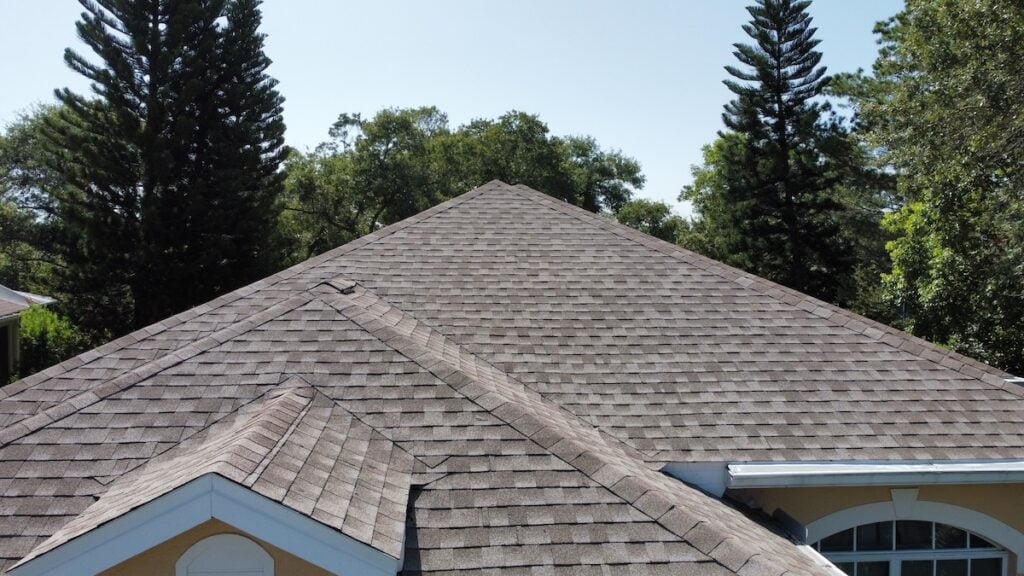
As drone technology continues to advance, inspections are becoming even more detailed and accessible. In 2026, Springfield Roofing & Sheet Metal expects to use AI-assisted analysis tools that automatically detect roof defects from drone footage, offering faster results and even higher accuracy.
Thermal imaging and 3D modeling will also become more affordable, allowing every homeowner in Great Falls and surrounding areas to benefit from high-tech evaluations without premium costs.
Smarter Roof Inspections Start With Drone Technology
A drone roof inspection offers one of the most efficient and insightful ways to evaluate a roof’s condition today. The technology eliminates unnecessary risks, captures hard-to-reach areas, and provides detailed visual data that improves accuracy and transparency in every inspection.
If you’re unsure how your roof is holding up after recent weather or simply want a clearer picture of its current condition,reach out to Springfield Roofing & Sheet Metal. Our team proudly serves Great Falls and surrounding areas with reliable roof inspections and expert guidance to help you protect your home year-round.