If you’ve noticed curling roof shingles on your home, it’s time to take a closer look before the problem grows. Shingle curling might seem minor at first, but it’s an early warning sign that your roof could be nearing the end of its lifespan—or that ventilation, moisture, or installation issues are at play. This guide walks you through what causes curling shingles, how to inspect them properly, and what steps you can take to repair or prevent further damage.
- Early detection: Identifying shingle curling early helps prevent leaks and costly roof repairs.
- Long-term protection: Regular maintenance can extend your roof’s life by several years.
- Cost awareness: Knowing your options helps you plan for repairs or replacements wisely.
Why Shingles Curl In The First Place
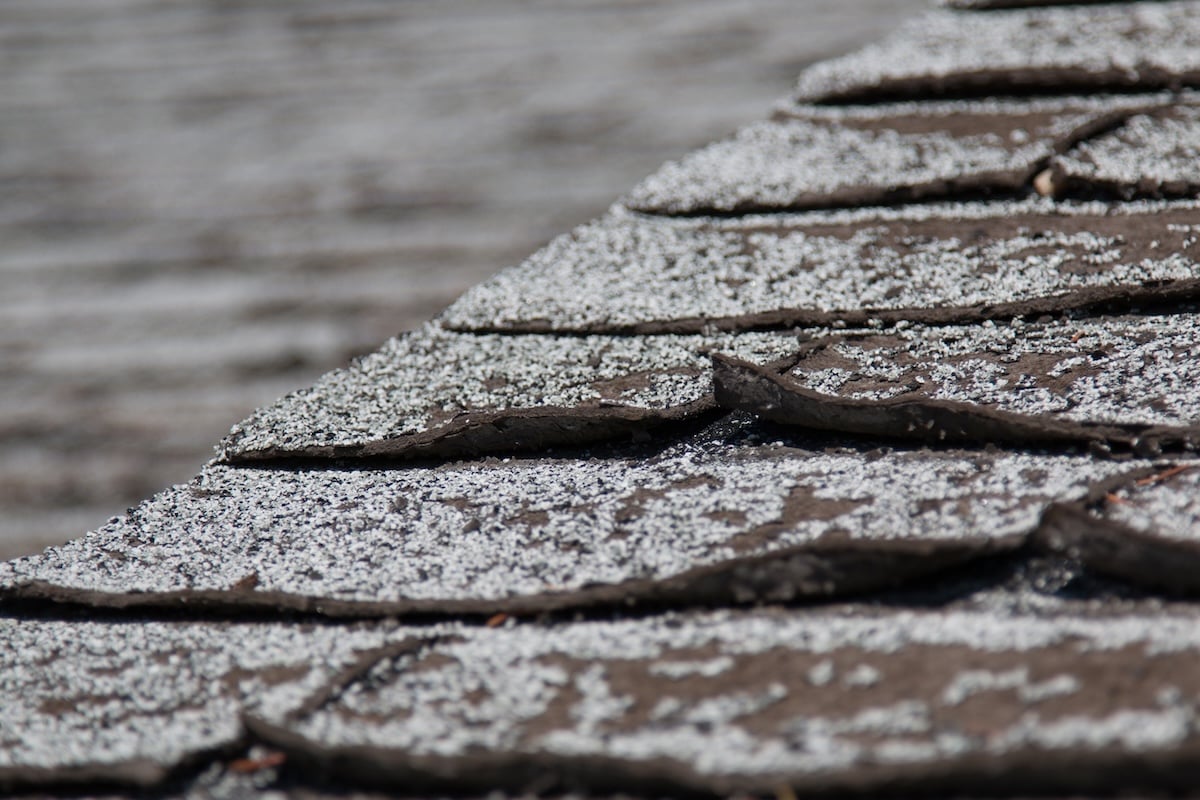
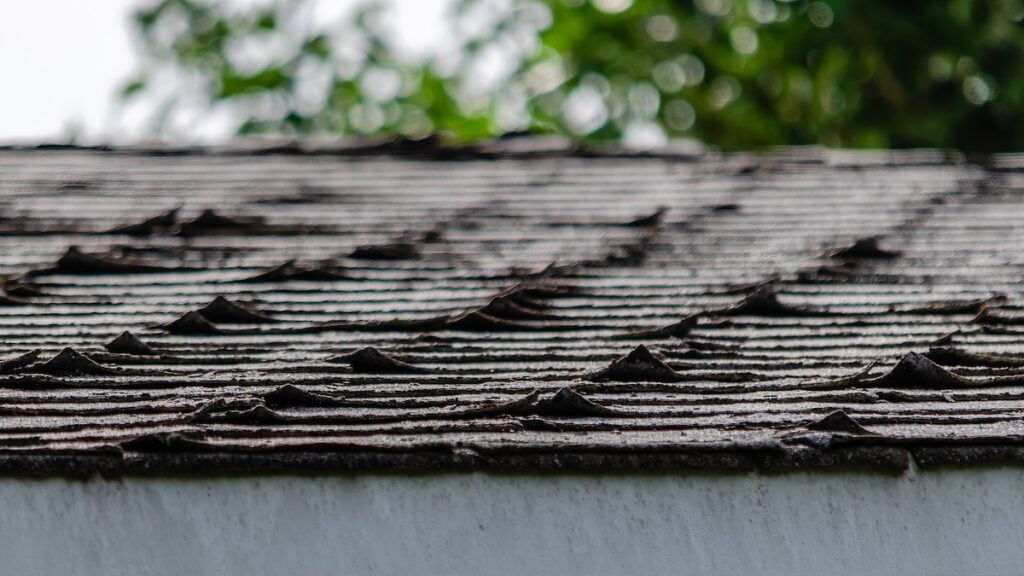
When shingles curl, they lift at the edges or corners instead of lying flat. This creates gaps where water, wind, and debris can get underneath, weakening your roof over time. In Manassas and surrounding areas, where humidity and temperature changes are common, curling often results from a mix of weathering, heat exposure, and aging materials.
Common Causes Of Curling Roof Shingles
Understanding the root cause helps you decide whether repair or replacement is necessary.
- Age of roof: Asphalt shingles typically last 20–25 years. As they age, oils in the material dry out, making them brittle and prone to curling.
- Poor ventilation: Inadequate attic ventilation traps heat and moisture, warping shingles from below.
- Improper installation: Incorrect nailing patterns or uneven underlayment can cause shingles to lift prematurely.
- Moisture buildup: Leaks, ice dams, or poor sealing allow water to seep beneath shingles, causing them to warp.
- Low-quality materials: Cheaper shingles often lose flexibility faster, especially under harsh sun exposure.
How To Identify Buckling and Curling Shingles
Curling shingles are easy to spot once you know what to look for. Regular roof inspections, especially after storms or temperature extremes, can reveal early signs of curling.
Visual Cues
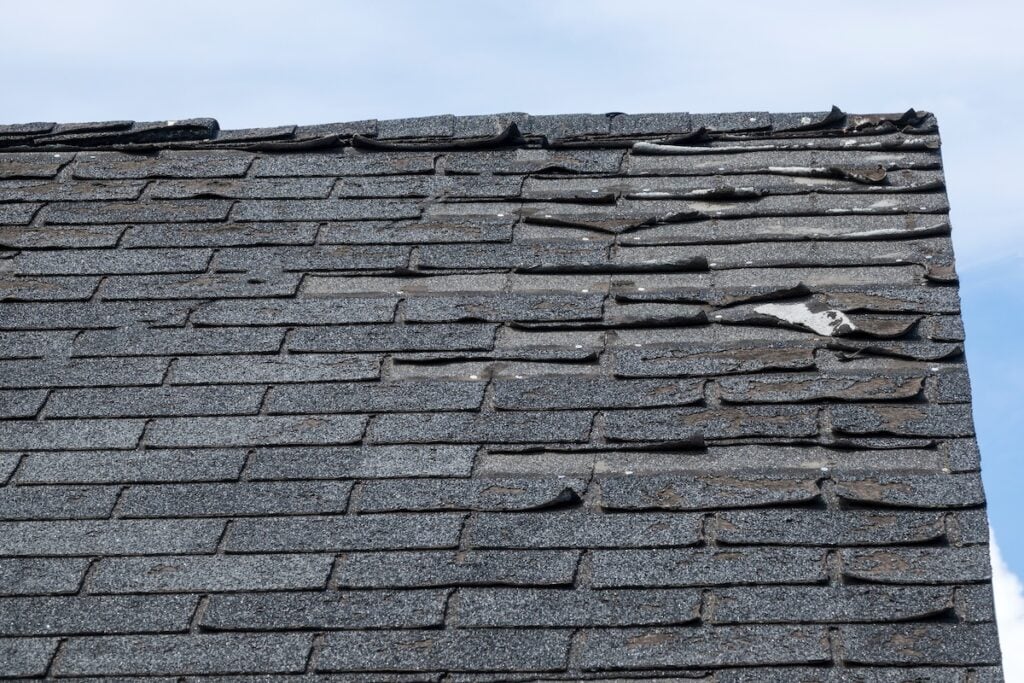
Walk around your property and look at your roof from multiple angles. If you see edges lifting or corners curling upward, that’s a clear indicator. In some cases, shingles may even look wavy or buckled along the roofline.
Attic Inspection
Head into your attic during daylight hours. Look for sunlight peeking through the decking or damp spots on insulation—both signs of shingle deterioration or moisture intrusion.
Check Gutters And Downspouts
Excessive shingle granules in your gutters are another clue that your roofing materials are breaking down. Granule loss often accompanies curling and cracking.
7 Steps To Inspect And Repair Curling Roof Shingles
Here’s a step-by-step process for evaluating and addressing curling shingles safely and effectively.
- Perform A Visual Inspection: Use binoculars from the ground to locate curled or lifted shingles. Avoid climbing onto the roof unless it’s completely dry and stable.
- Assess The Extent Of Damage: Determine whether curling affects isolated areas or large sections of the roof. Widespread curling often signals age-related deterioration.
- Check For Moisture Issues: Inspect your attic for dampness or musty odors that could indicate trapped humidity or leaks.
- Clean The Roof Surface: Remove debris like leaves, twigs, and moss that hold moisture and worsen curling.
- Re-Secure Slightly Curled Shingles: For small problem spots, use roofing cement or nails to gently flatten lifted edges. Avoid forcing them down if they’ve become brittle.
- Replace Severely Damaged Shingles: If shingles are cracked, broken, or curled beyond repair, replace them to prevent leaks and structural damage.
- Schedule A Professional Inspection: A certified roofer can determine whether curling is cosmetic or a symptom of deeper issues such as ventilation or aging underlayment.
When Curling Roof Shingles Mean It’s Time For Replacement
While minor curling can sometimes be repaired, widespread curling usually points to aging materials or trapped heat that can’t be fixed with surface repairs alone.
- Age and Wear: If your roof is nearing 20 years old, curling often signals it’s time to start planning for replacement. Older shingles lose their protective oils, leading to brittleness and poor adhesion.
- Persistent Leaks or Mold: Curling shingles can allow water to penetrate underlayment, creating conditions for rot or mold in the attic. If moisture keeps returning despite repairs, replacing the roof is the safer, more permanent solution.
- Increased Energy Bills: Poor ventilation caused by curling shingles can trap hot air, making your HVAC system work harder. If you notice rising cooling costs, the issue may stem from a roof past its prime.
How Weather In Manassas And Surrounding Areas Affects Shingle Curling
Local climate plays a big role in how shingles age. Hot summers and cold winters create expansion and contraction cycles that wear shingles down faster. High humidity, combined with occasional storms, increases moisture exposure.
Homeowners in Manassas and surrounding areas should schedule seasonal roof checks—once in spring and again in fall—to stay ahead of these weather-related effects. Regular inspections help catch minor curling before it becomes a major issue.
Preventing Shingles From Curling In The Future
While curling can’t always be avoided entirely, you can take several steps to slow down the process and protect your investment.
- Ensure proper attic ventilation: Adequate airflow prevents trapped heat and humidity from warping shingles.
- Keep gutters clean: Clogged gutters cause water to back up onto the roof, soaking shingle edges.
- Trim nearby trees: Overhanging branches block airflow and allow moisture to linger.
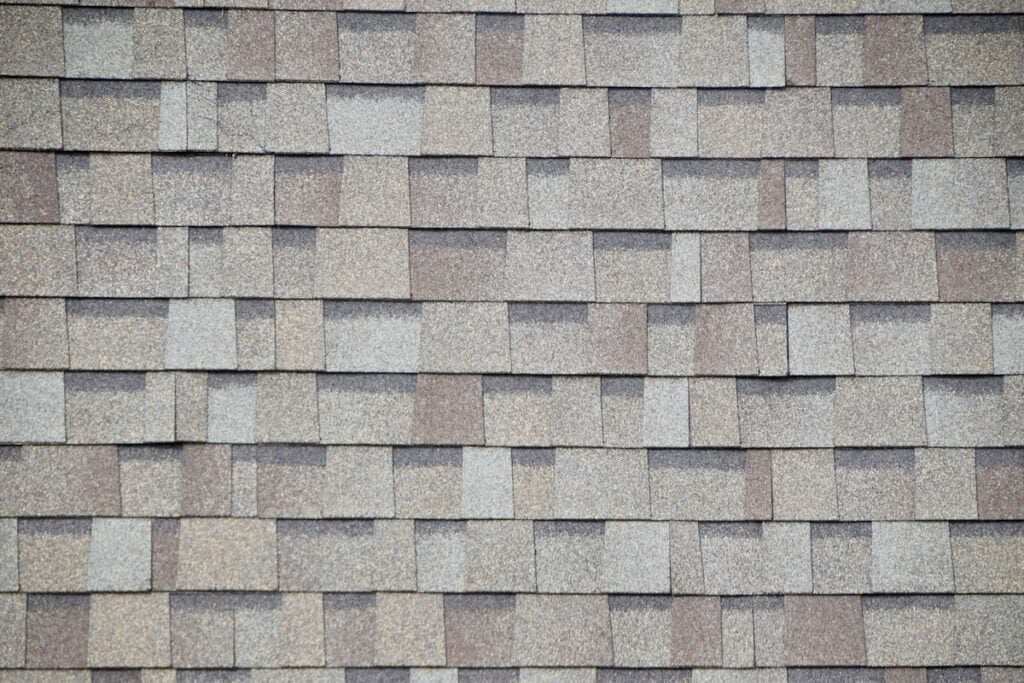
- Use high-quality shingles: Premium materials withstand temperature changes and UV exposure longer.
- Schedule regular inspections: Professional assessments every year or after major storms help detect early curling.
Repair Options For Curling Shingles
When it comes to addressing curling shingles, homeowners generally have two main options: temporary repair or full replacement.
Temporary Repair
If only a few shingles are curling, a roofer can reattach or flatten them using roofing cement or nails. While this is a quick fix, it’s not a long-term solution. Repairs buy you time to plan a larger replacement but should be monitored closely.
Roof Replacement
If curling affects multiple roof sections or is accompanied by leaks, it’s best to replace the roof altogether. Modern shingles are designed for better heat resistance and durability, reducing the likelihood of curling in the future.
Why Regular Roof Inspections Are Essential
Catching curling shingles early can save you significant time and money. A routine inspection can uncover related issues like underlayment damage, poor ventilation, or clogged vents. The earlier these problems are identified, the easier—and cheaper—they are to fix.
Homeowners in Manassas and surrounding areas often schedule inspections after winter or heavy storms. This helps prevent water damage before the next season’s weather arrives.
The Importance Of Professional Assessment
While minor curling might look easy to fix, identifying the cause takes professional expertise. Roofers can determine whether the issue comes from aging materials, poor attic airflow, or deeper structural concerns. A professional inspection ensures you take the right approach rather than repeatedly patching a symptom.
Keep Curling Shingles From Damaging Your Home
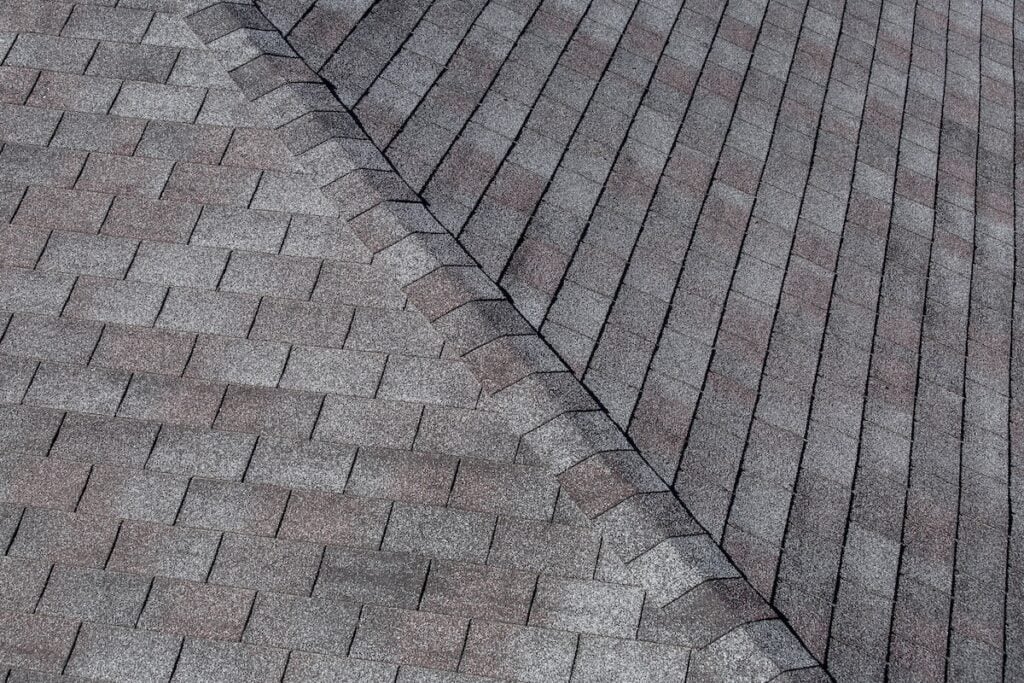
Spotting curling roof shingles early can mean the difference between a simple repair and a full roof replacement. With regular inspections, proper ventilation, and high-quality materials, you can keep your roof strong and reliable for years to come.
If you’ve noticed curling shingles or other signs of wear, contact Springfield Roofing & Sheet Metal for expert guidance and a free estimate. Our experienced team proudly serves Manassas and surrounding areas, helping homeowners protect their roofs through detailed inspections, dependable repairs, and honest advice for long-term roof care.