Installing a chimney cap is one of the simplest and most effective ways to protect your home from moisture, pests, and structural damage. While small and often overlooked, chimney caps play a critical role in keeping rainwater, debris, and animals from entering your chimney system, and ultimately, your home. For homeowners in Falls Church and surrounding areas, this small upgrade can prevent costly repairs and improve roof performance year-round.
- Weather protection: Keeps rain and snow from entering your chimney.
- Pest prevention: Stops birds, squirrels, and debris from blocking your flue.
- Fire safety: Prevents sparks from escaping and landing on your roof.
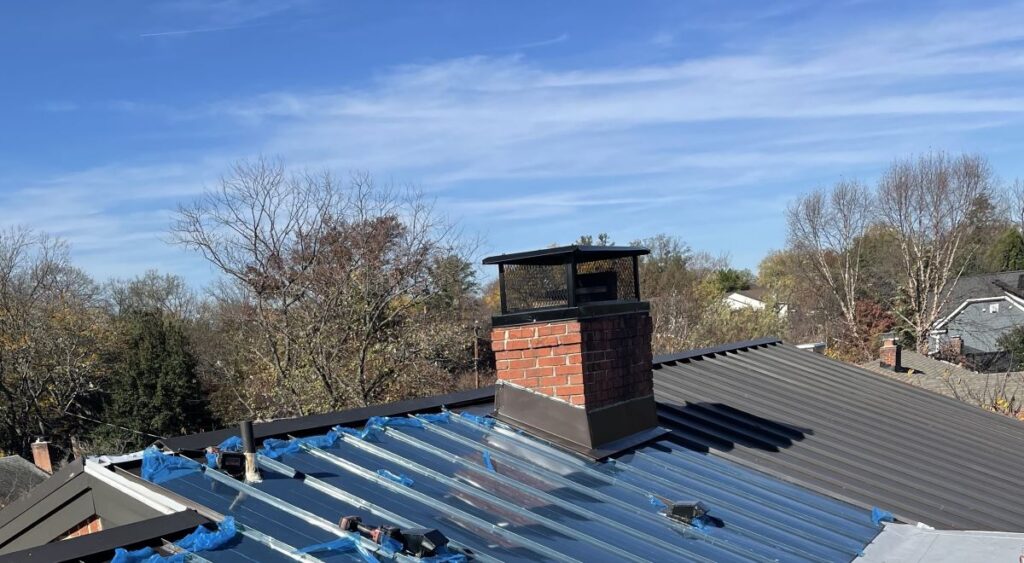
What Is a Chimney Cap?
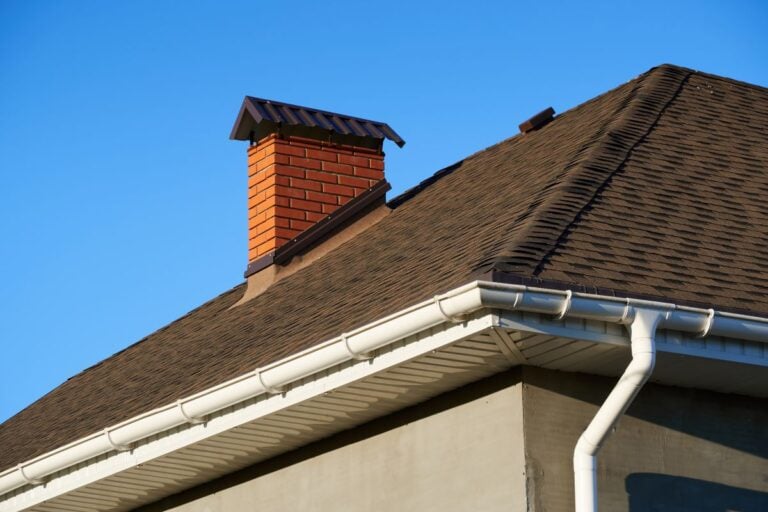
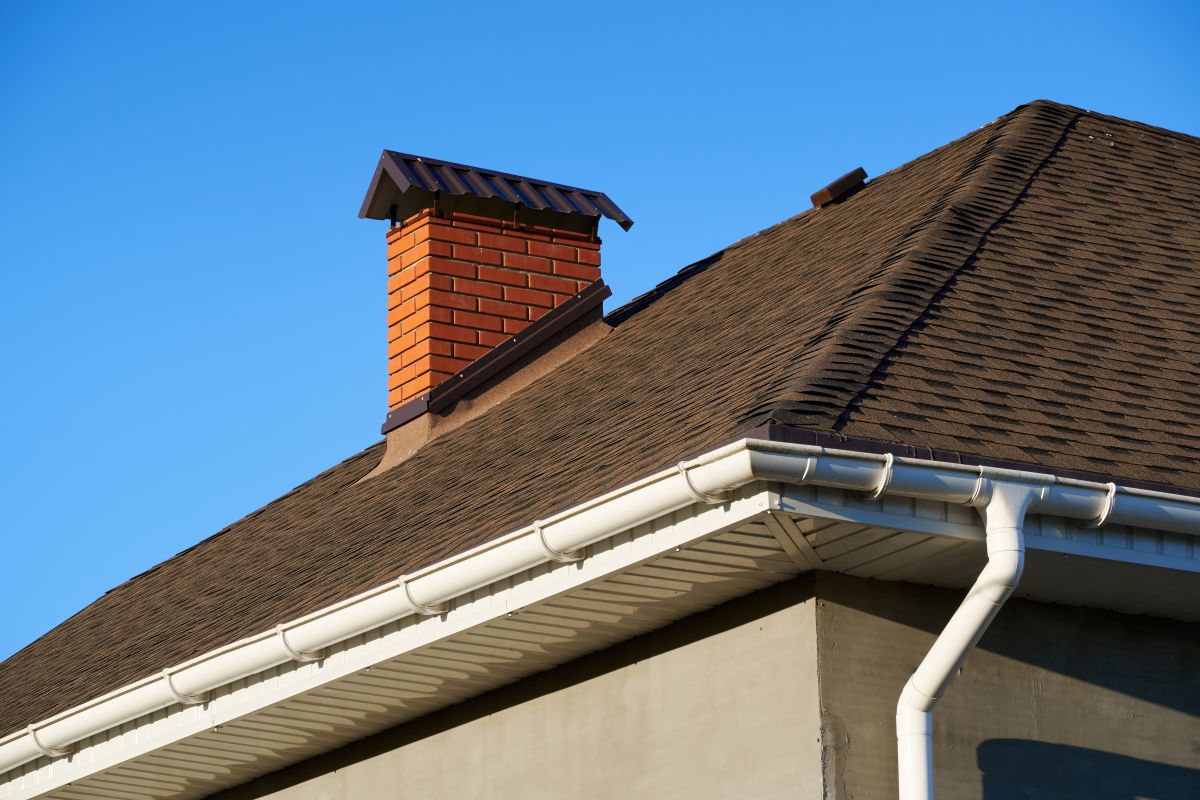
A chimney cap is a protective cover installed at the top of your chimney flue. It’s usually made of stainless steel, copper, or galvanized metal and fitted with a mesh screen to allow smoke to exit while keeping unwanted elements out. Chimney caps are available in various shapes and finishes to match different roof styles and materials.
Many older homes in Falls Church and surrounding areas were built without chimney caps, which can lead to recurring maintenance problems and water leaks over time. Installing one provides a simple, long-term solution to protect your home’s structure and comfort.
5 Reasons Why Chimney Caps Are So Important
Chimney caps might seem like a small detail, but they play several major roles in roof and home protection. Without one, your chimney is an open pathway for rain, animals, and debris.
Adding a properly fitted cap ensures that only smoke leaves your chimney, nothing else gets in. This protects both your roof and fireplace system from damage and unwanted blockages.
1. Prevents Water Damage
Rain is the leading cause of chimney deterioration. When moisture seeps into brick and mortar joints, it leads to cracks, erosion, and freeze-thaw damage during winter. A chimney cap directs rainwater away from the flue and crown, keeping your chimney dry and extending its lifespan.
2. Keeps Out Animals and Debris
Birds, squirrels, and raccoons often look for shelter inside open chimneys. Without a cap, they can nest inside the flue, blocking airflow and creating fire hazards. A cap’s mesh screen also stops leaves and twigs from falling inside, reducing clogs and smoke backup.
3. Prevents Downdrafts
Wind gusts can push cold air, smoke, or soot back down an uncapped chimney. A chimney cap helps block these downdrafts, keeping your fireplace or heating system functioning safely and efficiently.
4. Improves Fire Safety
When embers or sparks escape from a chimney, they can land on the roof or nearby trees and start a fire. Chimney caps include spark arrestor screens that trap these particles before they exit, adding an extra layer of safety for your home and surrounding property.
5. Extends Roof Life
A leaking or unprotected chimney can cause roof deterioration near flashing and valleys. By deflecting water and debris away from the chimney opening, caps help preserve your roof structure and prevent costly water damage.
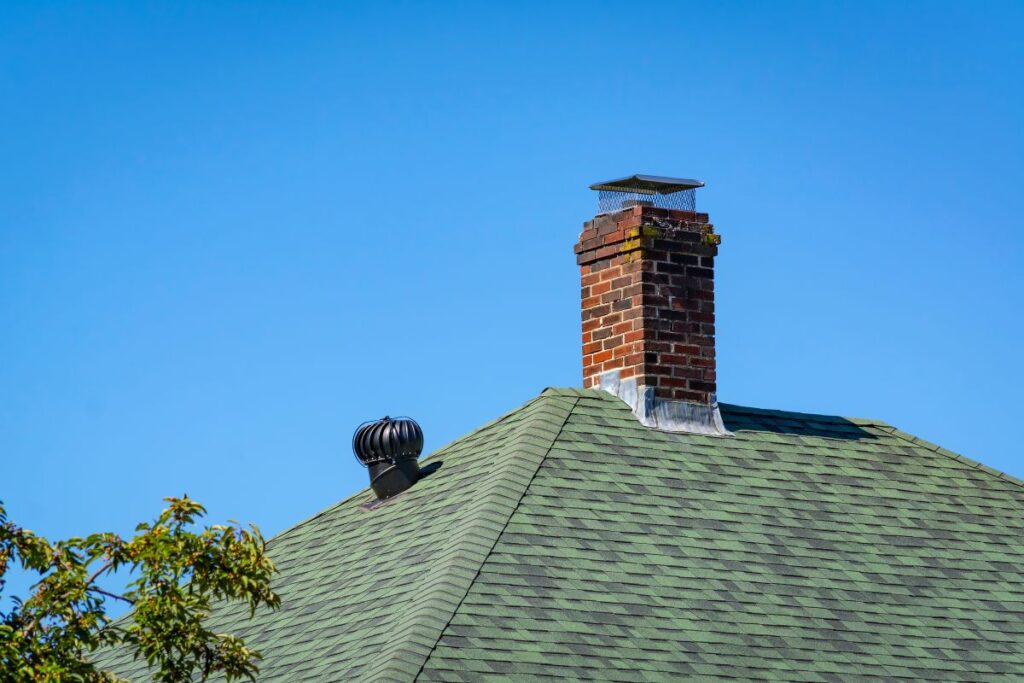
Common Materials Used for Chimney Caps
When choosing a chimney cap, material selection matters for both durability and appearance. Each option offers different strengths depending on your budget and roof design.
| Material | Durability | Maintenance Level | Typical Lifespan |
| Stainless Steel | High – rust-resistant and long-lasting | Low | 20–30 years |
| Copper | Excellent – highly durable and stylish | Low to moderate | 50+ years |
| Galvanized Steel | Moderate – affordable but prone to corrosion | Moderate | 5–10 years |
| Aluminum | Moderate – lightweight but less heat-resistant | Low | 10–15 years |
Stainless steel and copper are the top choices for long-term performance, while galvanized steel offers a budget-friendly option for short-term protection.
How Chimney Cap Installation Works
Installing a chimney cap is a relatively quick process when handled by a professional, but it must be done carefully to ensure a secure, watertight fit.
Before any installation, a technician measures the flue to determine the correct cap size and design. Improperly sized caps can restrict airflow or fail to seal out water effectively.
Step 1: Measure and Select the Cap
Your contractor measures the flue diameter and checks whether your chimney has a single or multiple flues. They then choose a cap style—either a single-flue model that fits inside the opening or a multi-flue version that covers the entire crown.
Step 2: Clean the Flue Opening
The top of the chimney must be cleaned of soot, creosote, and debris to ensure proper adhesion and fit.
Step 3: Secure the Cap
Depending on the design, caps are attached using mounting screws, adhesive sealant, or pressure-fit clamps. Stainless steel mesh is positioned to allow airflow while blocking entry from pests or debris.
Step 4: Seal the Perimeter
A weatherproof sealant is applied around the base to prevent water intrusion where the cap meets the chimney crown.
Step 5: Final Check
Once installed, the cap is tested to ensure smoke exits properly and that the mesh allows for adequate ventilation.
Benefits of Installing a Chimney Cap
Adding a chimney cap does more than protect your fireplace—it also supports the health of your roof and home.
- Prevents leaks: Redirects rainwater away from the flue and chimney crown.
- Reduces odors: Blocks wind gusts that can push smoke and soot indoors.
- Stops pest infestations: Keeps small animals and insects from entering your chimney.
- Improves efficiency: Helps your fireplace or furnace vent properly.
- Adds curb appeal: Enhances the look of your chimney and roofline.
In Falls Church and surrounding areas, where humid weather and seasonal storms are common, a well-fitted cap can prevent years of moisture-related wear and tear.
Signs You May Need a New Chimney Cap
If you already have a chimney cap, regular maintenance ensures it continues to perform well. Look for these signs that replacement may be needed:
- Rust or corrosion forming on the metal surface.
- Mesh screen holes or deterioration.
- Loose or missing fasteners after strong winds.
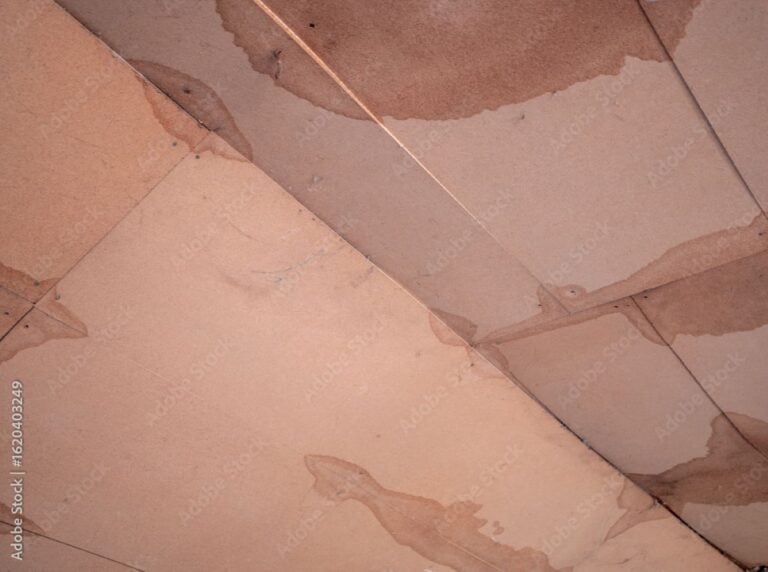
- Water stains on interior walls near the chimney.
- Visible cracks in the chimney crown or masonry.
Any of these issues can reduce the cap’s effectiveness, allowing moisture or pests to enter.
Chimney Cap Maintenance Tips
Chimney caps require minimal upkeep, but a quick visual check each year helps ensure they stay in top condition.
- Inspect for blockages: Make sure the mesh screen isn’t clogged with soot or leaves.
- Clean off debris: Gently brush away twigs, nests, or residue from the top.
- Check fasteners: Tighten screws or brackets if they loosen after storms.
- Watch for rust: If corrosion appears, clean and repaint or replace as needed.
With these simple steps, your chimney cap will continue to protect your home and roof for decades.
Cost of Chimney Cap Installation
The cost of installation depends on material, size, and chimney accessibility. On average, homeowners in Falls Church and surrounding areas can expect:
- Standard galvanized steel cap: $150–$350 installed.
- Stainless steel or copper cap: $400–$800 installed.
- Custom or multi-flue cap: $700–$1,200+ depending on design.
While the initial investment is modest, the long-term protection it provides easily offsets the cost by preventing chimney and roof repairs down the line.
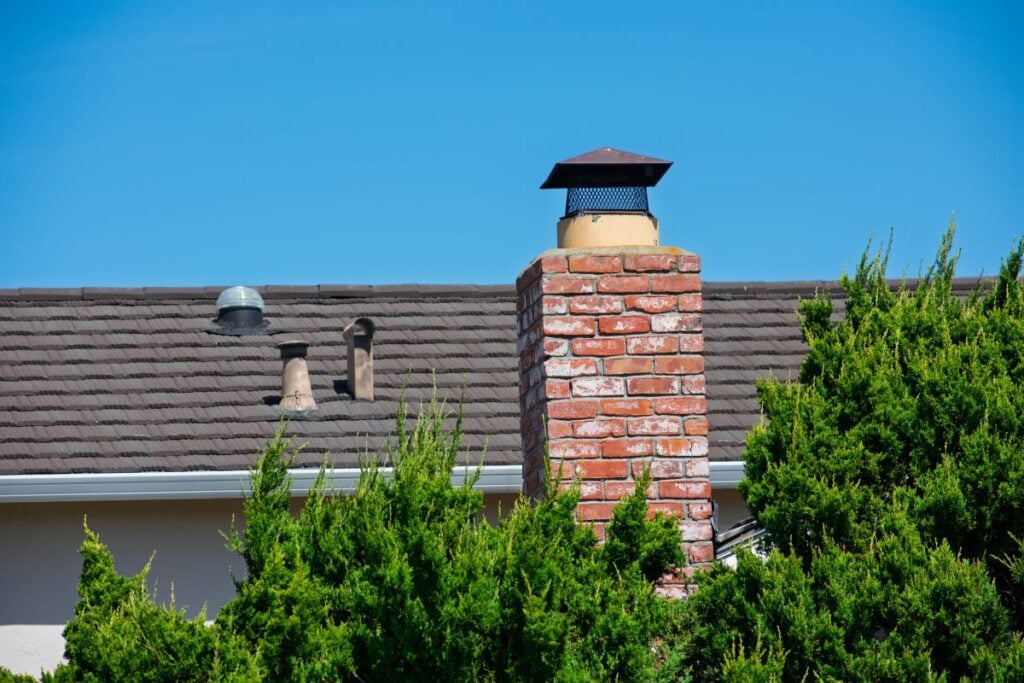
Why Professional Installation Matters
A chimney cap must be properly fitted to prevent leaks, maintain airflow, and withstand wind pressure. Professional installation ensures your cap meets building codes, fits your specific chimney dimensions, and uses corrosion-resistant materials suited for local weather.
In addition, trained installers can spot hidden chimney or flashing issues during the process—helping prevent future problems before they start.
Protect Your Home With a Quality Chimney Cap
Adding a chimney cap may be one of the smallest upgrades you make to your home, but it’s one of the most impactful. It protects against water intrusion, blocks pests, prevents downdrafts, and extends the lifespan of your roof and chimney system.
If you’re considering adding or replacing a chimney cap, contact Springfield Roofing & Sheet Metal for professional guidance. Our experienced team proudly serves Falls Church and surrounding areas, helping homeowners strengthen their roofs and safeguard their homes with reliable, lasting solutions.