If you’ve spotted black streaks on roof surfaces around your home, you’re not alone. These dark stains are a common frustration for homeowners, especially in humid regions where algae, mold, and debris accumulate over time. Understanding what causes those streaks, and how to safely remove or prevent them, can help keep your roof looking clean, strong, and long-lasting.
- Appearance: Black streaks can make even a newer roof look older or neglected.
- Longevity: Unchecked buildup can shorten your roof’s lifespan by holding moisture.
- Prevention: Knowing what causes streaks makes it easier to maintain your roof year-round.
Why Black Streaks Form On Roofs
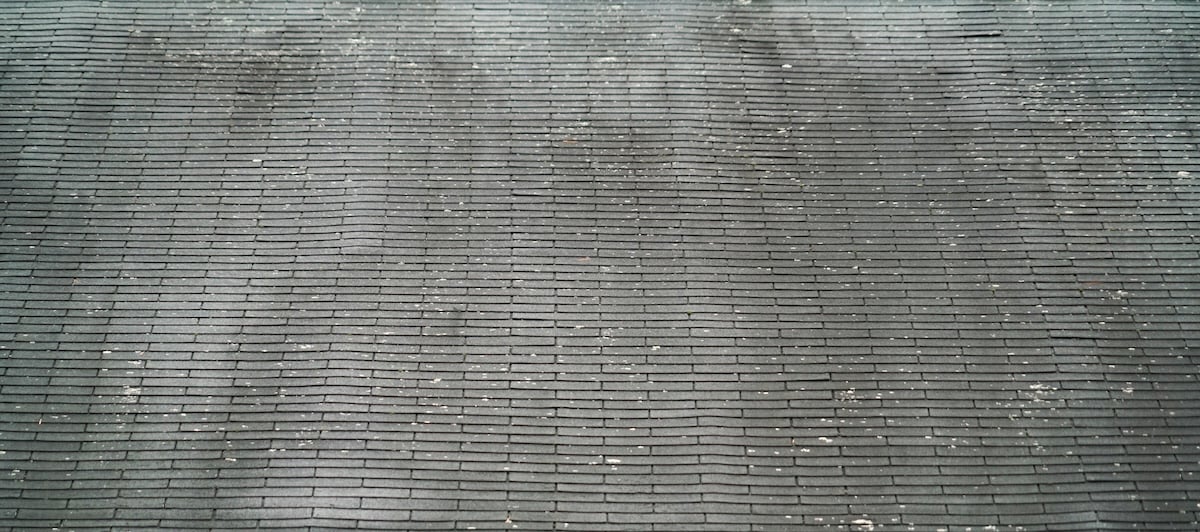
Black streaks might look like simple dirt, but they’re usually caused by biological growth or environmental buildup. In Falls Church and surrounding areas, where humidity and shade are common, roofs create ideal conditions for algae and mold to thrive. Over time, streaks darken and spread, giving the roof an uneven, aged appearance.
Most of these streaks are caused by a type of algae called Gloeocapsa magma, which feeds on the limestone filler in asphalt shingles. When left untreated, this growth traps moisture, slowly degrading roofing materials.
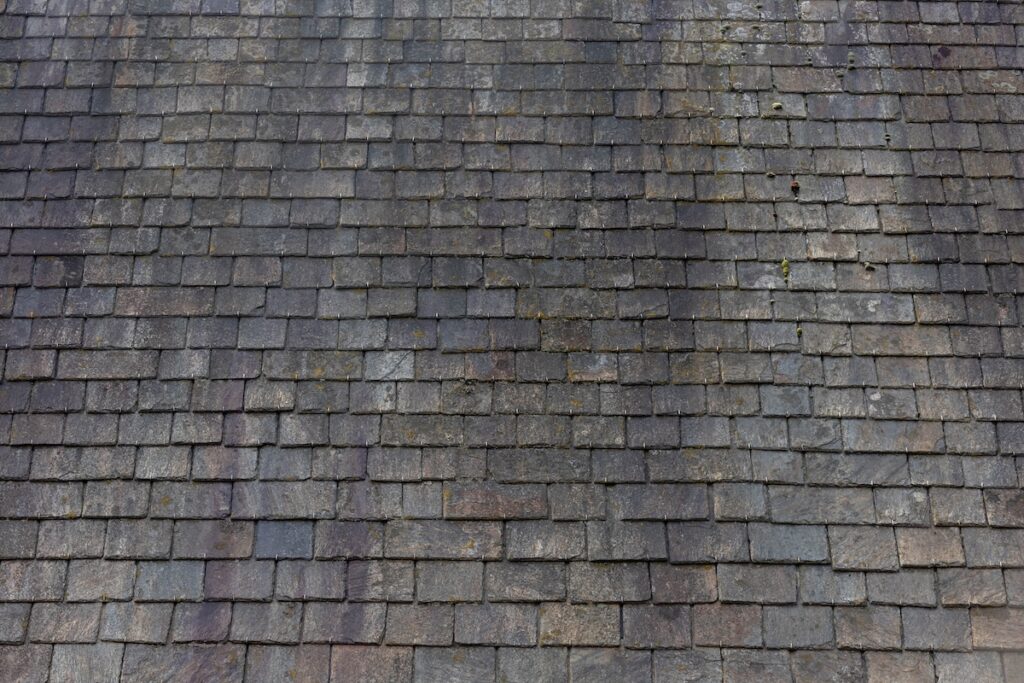
8 Common Causes Of Black Streaks On Roofs
Here are the most frequent culprits behind those unsightly roof stains—and what you can do about them.
- Algae Growth: The most common cause, Gloeocapsa magma, forms when airborne spores settle on the roof and feed on shingle materials. It appears as long, dark streaks and thrives in humid, shaded environments.
- Mold and Mildew: Moisture from rain or humidity can promote mold and mildew growth, especially on north-facing roof sections that get less sunlight.
- Airborne Pollutants: Dirt, soot, and vehicle exhaust can settle on your roof, darkening shingles over time. Homes near busy roads or industrial areas are more prone to this buildup.
- Tree Debris: Overhanging branches drop leaves, pollen, and organic matter that collect moisture and feed mold and algae growth.
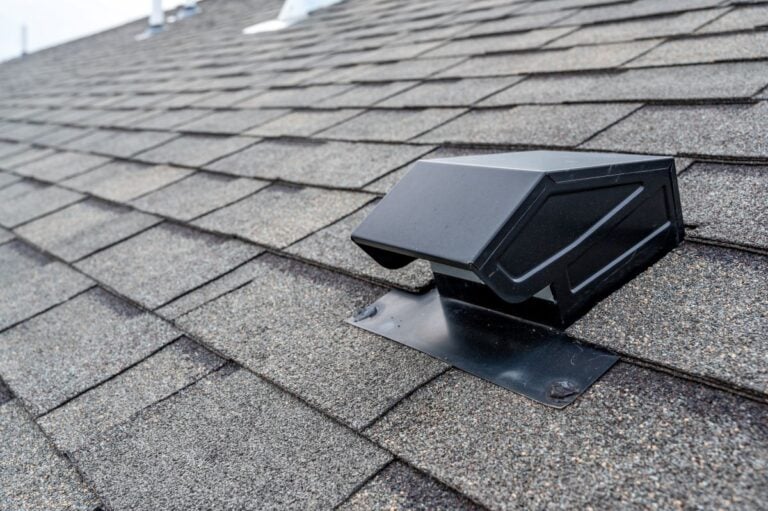
- Inadequate Ventilation: Poor attic airflow traps heat and humidity, creating a warm, moist environment ideal for streak formation.
- Metal Oxidation: Metal vents, chimneys, or flashing can oxidize, leaving dark residue trails that stain shingles as rainwater runs downward.
- Poor Drainage: Clogged gutters or low roof slopes allow water to linger, creating damp patches that encourage algae and mold.
- Old Or Low-Quality Shingles: As shingles age, their protective granules wear away, leaving surfaces more porous and prone to staining.
How To Tell If It’s Algae, Mold, Or Something Else
Not all streaks look the same, and knowing what you’re dealing with helps determine the safest cleaning method.
- Algae: Algae streaks usually appear as uniform dark lines running down the roof. They’re often slippery to the touch and concentrated on shaded sides of the home.
- Mold Or Mildew: Mold tends to look patchy and may have a greenish or brown tint. Mildew appears lighter and can spread quickly after long periods of rain.
- Dirt Or Debris: If the streaks are concentrated under trees or vents, they may just be dirt mixed with organic material. These can often be removed with gentle rinsing.
How Black Streaks Affect Roof Longevity
While black streaks are mostly cosmetic at first, prolonged growth can lead to bigger issues.
- Moisture Retention: Algae and mold hold moisture against your shingles, gradually softening them and loosening granules. This weakens your roof’s protective layer and makes it more susceptible to leaks.
- Heat Absorption: Dark streaks absorb more sunlight, which can increase attic temperatures and raise cooling costs. Over time, this also accelerates shingle aging.
- Reduced Curb Appeal: Even if your roof is structurally sound, streaks make it look old and poorly maintained. For homeowners planning to sell, cleaning these stains can significantly boost curb appeal and property value.
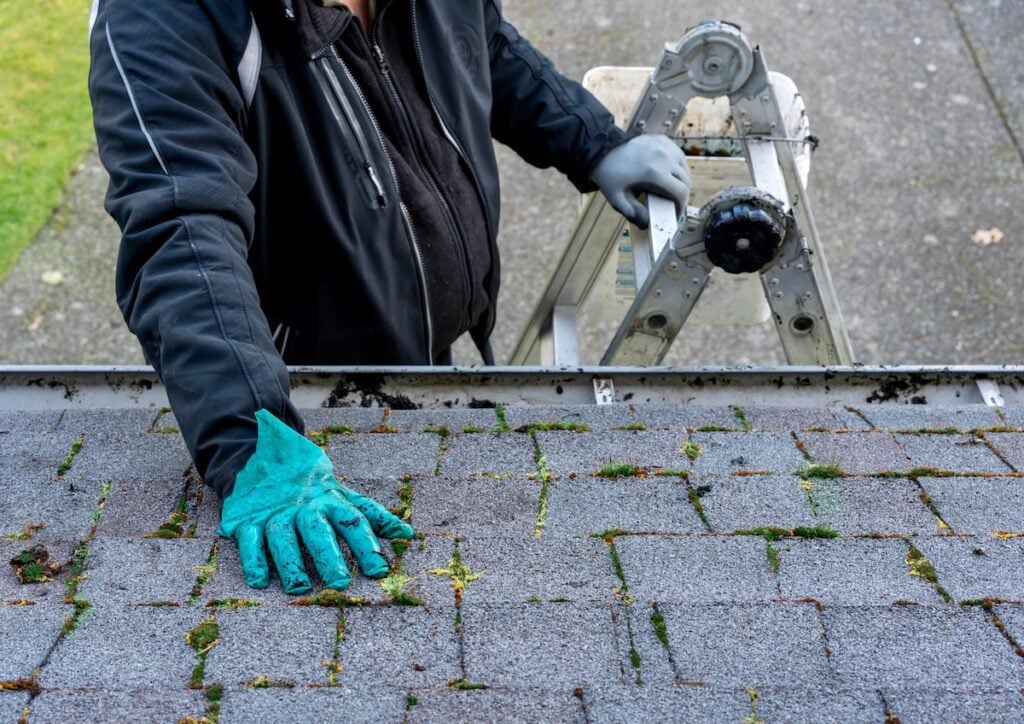
Safe Cleaning Methods For Black Streaks
When it comes to removing black streaks, gentle methods are key. Harsh scrubbing or high-pressure washing can damage shingles and strip away protective granules.
- Soft washing: A low-pressure cleaning method using an algaecide or mild bleach solution safely removes stains without harming shingles.
- Roof-safe cleaners: Commercial roof cleaning solutions are specifically formulated to break down organic growth without damaging surfaces.
- Zinc or copper strips: Installing metal strips near the roof ridge helps prevent regrowth. Rainwater washing over these metals creates ions that inhibit algae and mold formation.
- Professional cleaning: For extensive staining, professional roof cleaners can restore appearance while protecting your roof warranty.
How To Prevent Black Streaks From Coming Back
Cleaning removes stains temporarily, but prevention keeps your roof looking new for the long run.
- Improve Sun Exposure: Trim overhanging trees to increase sunlight and airflow across your roof. The drier your shingles stay, the less likely algae and mold will grow.
- Maintain Clean Gutters: Ensure your gutters drain freely. Standing water and debris encourage algae growth along roof edges and eaves.
- Use Algae-Resistant Shingles: When replacing your roof, consider shingles made with copper or zinc granules that resist algae buildup. These materials naturally inhibit staining and prolong your roof’s clean appearance.
- Schedule Regular Roof Inspections: An annual inspection from a professional roofing company helps detect discoloration, moss growth, or drainage problems early. In Falls Church and surrounding areas, where humidity levels fluctuate, these proactive checks make a big difference in keeping your roof clean and healthy.
Why Regular Maintenance Is Key
Even the best cleaning products can’t prevent streaks forever. Roofs constantly face sun, rain, and airborne debris. Establishing a regular maintenance schedule ensures small discolorations don’t turn into full-blown growth across your roof.
Cleaning once every one to two years and trimming nearby trees are simple steps that can extend your roof’s life. Homeowners who maintain their roofs regularly also spend less on repairs and replacements in the long term.
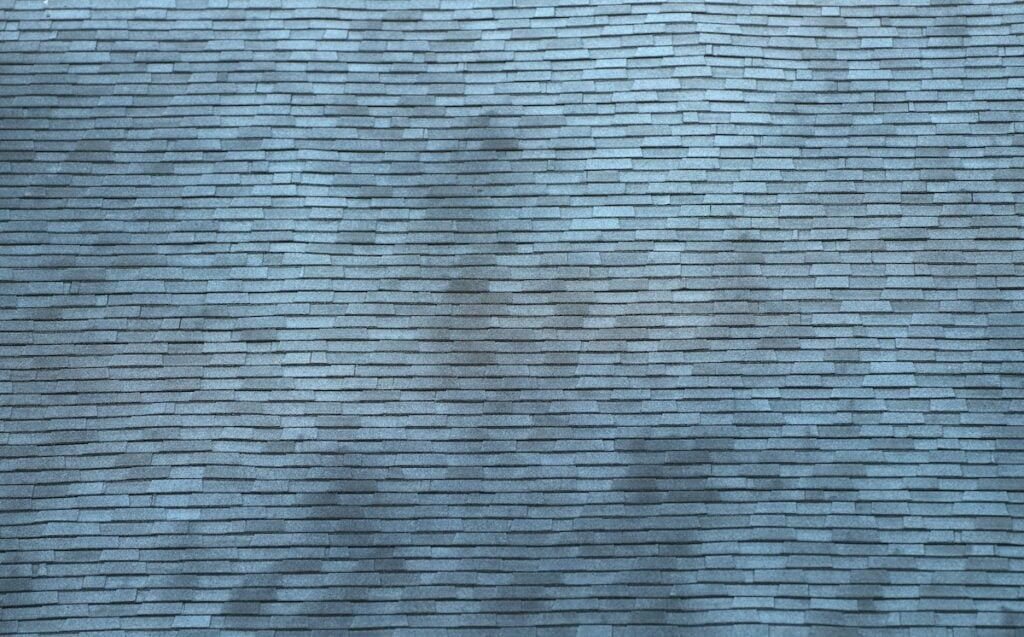
When To Call A Professional
If you’re unsure whether the black streaks are algae or mold—or if your roof is too steep or fragile to walk on—call a professional. Experts have the right cleaning solutions, safety gear, and experience to handle the job without damaging your shingles.
Professionals can also identify underlying causes like poor ventilation or shingle wear that may be contributing to recurring stains. Fixing these issues early prevents costly future maintenance.
Keep Black Streaks From Taking Over Your Roof
Those black streaks on roof surfaces aren’t just cosmetic—they’re a sign your roof needs attention. Understanding the causes, cleaning methods, and prevention strategies helps you maintain a cleaner, longer-lasting roof.
If your roof is showing dark streaks or discoloration, contact Springfield Roofing & Sheet Metal for expert guidance and a free estimate. Our experienced team proudly serves Falls Church and surrounding areas, helping homeowners restore curb appeal and protect their roofs from moisture, algae, and long-term damage.