Skylights flood a room with natural light, but when water starts dripping from one, that bright spot quickly becomes a source of stress. Prompt skylight leak repair stops water stains, rot, and mold before they spread into ceilings and framing. Because a skylight is really a hole cut through your roof, keeping it sealed is a big part of protecting everything beneath your shingles. This guide walks through why skylights leak, how the repair process works, and when it makes more sense to replace the unit altogether.
Key points in this guide:
- Why a small skylight drip deserves fast attention
- The six most common causes of skylight leaks
- How to tell a true leak from condensation buildup
- When to repair a skylight and when to replace it
Why a Leaking Skylight Is More Than a Nuisance
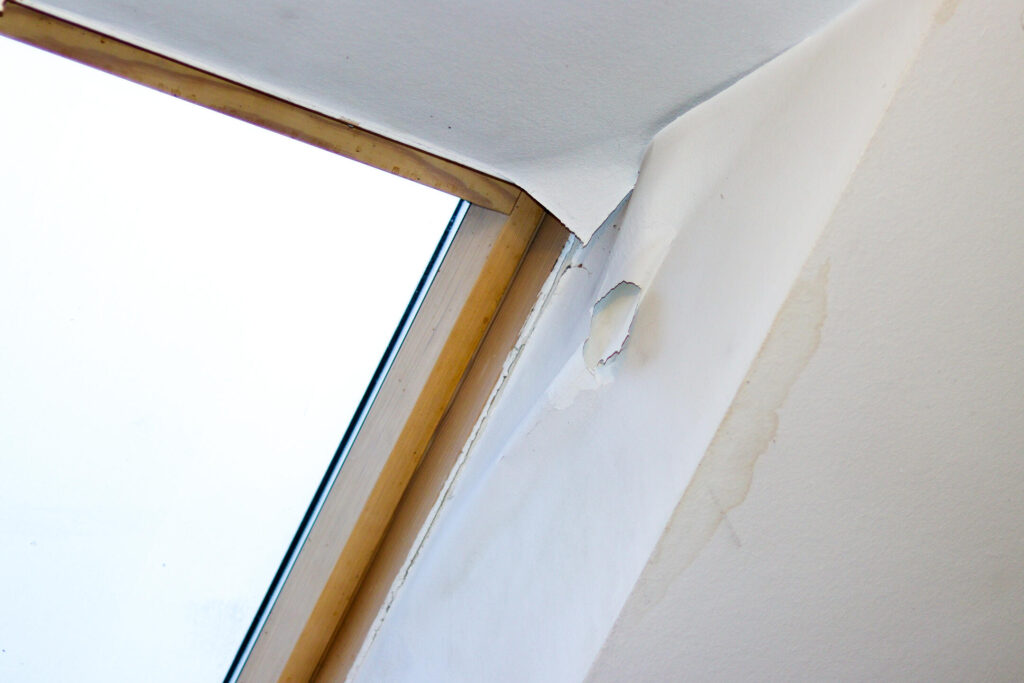
A few drops on the floor after a storm may not seem urgent, but skylight leaks rarely stay small. Water that gets past damaged flashing or deteriorating seals tends to travel along rafters, drywall, and insulation long before it shows up as dripping water, which means the visible damage is usually only part of the story.
Experts at one well-known home improvement resource note that a leaky skylight left unaddressed can cause significant damage to a home’s interior. Here is why acting quickly pays off:
- Protects your roofing structure: Stopping water early prevents rot in the roof deck, rafters, and skylight curb, which are far more expensive to rebuild than a flashing kit.
- Prevents mold growth: Damp insulation and drywall create ideal conditions for mold, which can affect indoor air quality and require professional remediation.
- Preserves energy efficiency: Wet insulation loses much of its ability to hold heat, so a hidden leak can quietly raise your energy bills.
- Keeps repair costs manageable: Early action prevents further damage, and a resealed gasket or new step flashing costs a fraction of what a full ceiling repair, deck replacement, and interior repainting would.
For homeowners in Arlington and surrounding areas, heavy rain from summer storms and extreme temperatures in winter put extra pressure on skylight seals every year. Catching a problem in its early stages almost always leads to a simpler, more affordable fix.
6 Common Causes of Skylight Leaks
Most leaks trace back to a handful of predictable problems. Knowing which one you are dealing with helps you understand the repair and avoid paying for work you do not need.
1. Damaged Flashing or Improper Installation
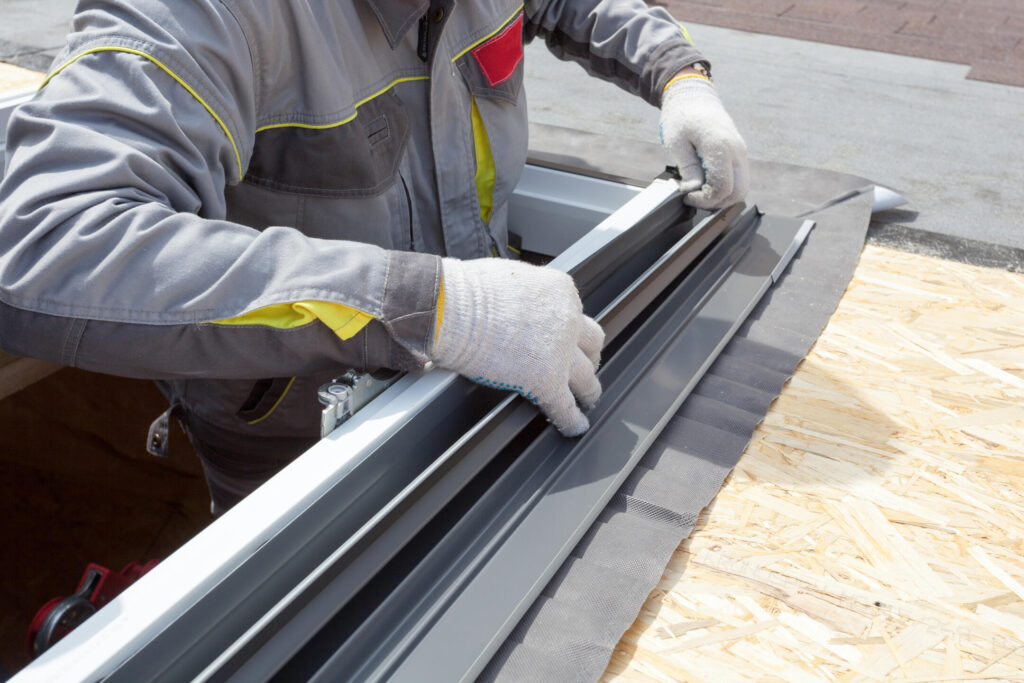
Skylight flashing is the metal system that channels water around the skylight and back onto the shingles. It is the single most common source of skylight leaks. When step flashing, head flashing, or apron flashing is missing, bent, rusted, or layered in the wrong order, water slips behind the roofing and into the opening.
- Look for visible gaps, rust spots, or loose nails along the skylight’s sides and top
- Leaks that appear only during heavy, wind-driven rain often point to flashing
2. Worn-Out Seals and Gaskets
Every skylight relies on rubber gaskets and sealant to keep water out between the glass, the frame, and the curb. Years of weather exposure and temperature swings dry these materials out until they crack, shrink, or pull away from the frame.
3. Cracked Skylight Glass or a Damaged Skylight Frame
Falling branches, hail, and simple age can crack skylight glazing or warp the frame. Even a hairline crack in the glass pane lets water seep in during a storm. Plastic dome skylights are especially prone to yellowing, brittleness, and stress cracks as they age.
4. Debris and Clogged Water Paths
Leaves, pine needles, and other debris tend to pile up against the uphill side of a skylight. That buildup traps water and holds moisture against the flashing and seals, eventually forcing water underneath.
- Clean around your skylight regularly, especially after storms and each fall
- Trim back branches that hang over the roof
5. Ice Dams and Snow Buildup
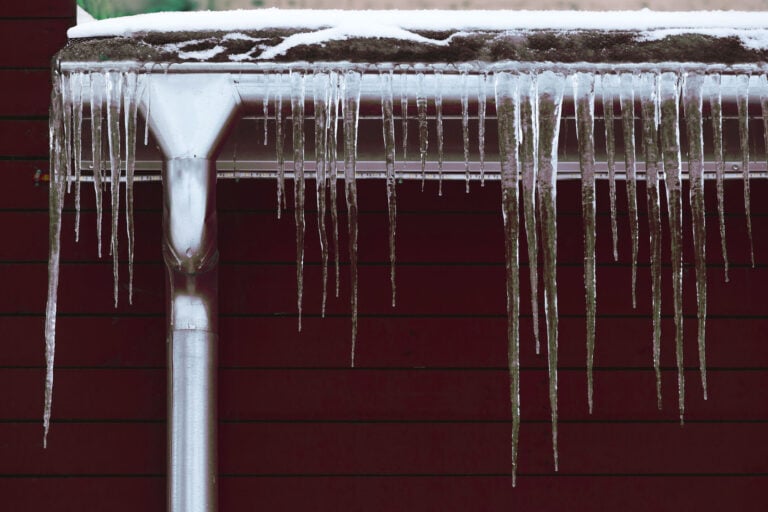
In winter, snow can collect around the skylight curb, melt from interior heat, and refreeze at the edges. This creates small ice dams that back water up under shingles and flashing, causing leaks even on sunny days after a snowfall.
6. Shingle Damage Around the Skylight
Sometimes the skylight itself is fine, and the real culprit is the roofing material around it. Missing, cracked, or lifted shingles and other roof damage near the opening let water reach the underlayment and run downhill toward the skylight, where it finally shows up as a drip.
Pinpointing the root cause usually requires a close look from the roof, not just from inside the room. Many leaks involve more than one of these issues at once, which is why careful leak detection matters before any repair begins.
How Skylight Leaks Are Diagnosed and Fixed
Before fixing skylight leaks, it is important to confirm that you are actually dealing with a leak. Skylights sometimes drip because of condensation, and the fix for that is completely different from a flashing or seal repair.
Rule Out Condensation First
Condensation forms when warm, humid indoor air meets the cold glass of a skylight. If drips appear on cold mornings or after showers and cooking, rather than during rain, humidity and poor ventilation are the likely cause. Creating adequate ventilation with a bathroom fan, ceiling fan, or dehumidifier often solves it. If drips line up with rainstorms, or a roofing professional can reproduce them by running a garden hose over the skylight, you are looking at a true leak.
Temporary Fixes Until Help Arrives
If water is actively dripping, a few temporary solutions can limit interior damage while you wait for professional repairs. Place a bucket under the drip and cover nearby belongings with plastic sheeting. Waterproof tape over a visible crack may slow a leak temporarily, but roof work carries real fall risks, and these stopgaps are no substitute for necessary repairs.
Resealing and Gasket Replacement
When seals are the problem, a roofer removes old, failing sealant, cleans the surfaces, and applies new, roof-rated sealant to restore a watertight seal. Damaged gaskets can often be replaced on many manufacturer models without removing the whole unit. This is one of the most affordable skylight leak repair options when the flashing and frame are still in good shape.
Flashing Repair or Replacement
Flashing repair is more involved. The roofer carefully removes shingles around the skylight, pulls the old flashing, and installs new step, head, and apron flashing in the correct overlapping sequence. A self-adhering ice and water membrane is typically added around the curb before the shingles go back on.
Clearing Debris and Repairing Shingles
If debris or damaged shingles caused the leak, the fix may be as simple as cleaning the area and replacing a few shingles. A professional will also check the underlayment and surrounding roof area for soft spots or water damage.
Whatever the cause, it is smart to have the surrounding roof deck and interior framing checked for hidden moisture. Fixing the source without addressing soaked wood or insulation can leave lingering problems behind.
Repair or Replace: Making the Right Call
Not every leaking skylight should be patched. Sometimes replacement is the better long-term investment, especially if the unit is older or the roof itself is nearing the end of its life.
Repairs generally suit newer skylights with isolated problems, while aging units with multiple issues are better replaced. The table below compares common scenarios:
| Situation | Best Option | Why |
| Skylight under 10 years old with a single failed seal | Repair | Fresh sealant or a new gasket restores protection affordably |
| Damaged flashing, glass and frame in good shape | Repair | New flashing solves the leak without replacing the unit |
| Cracked glass or a yellowed, brittle plastic dome | Replace | Damaged glazing cannot be reliably patched |
| Skylight 15 to 20 years old with persistent leaks | Replace | Seals and materials are near the end of their lifespan |
| Roof replacement planned within a few years | Replace during reroof | New flashing integrates with new shingles in one project |
If your roof is already due for replacement, swapping out the skylight during the same project saves on labor and lets new flashing and shingles work together as one system. Homeowners in Arlington and surrounding areas who plan ahead this way often avoid paying twice for tear-off and flashing work.
Modern skylight installations also offer upgrades worth considering, such as double or triple glazing, low-E coatings, and built-in condensation channels. These features improve comfort and energy efficiency while reducing the chance of future leaks. Paired with proper maintenance and annual inspections, they go a long way toward preventing skylight leaks.
Frequently Asked Questions About Skylight Leak Repair
Skylight problems raise plenty of questions, especially when water shows up unexpectedly. Here are clear answers to some of the most common ones homeowners ask.
How do I know if my skylight is leaking or just has condensation?
Pay attention to timing. If drips appear during or right after heavy rain, it is likely a leak. If moisture shows up on cold mornings or after showers and cooking, condensation is the more likely cause.
Can I fix a leaking skylight myself?
Simple DIY solutions like clearing debris from around the skylight are manageable for many homeowners. Flashing and seal repairs require working on the roof and understanding how water moves around the opening, so they are best left to a professional skylight repair service.
How long do skylights typically last?
Many skylights last around 15 to 20 years, depending on quality, installation, and climate. Seals and gaskets often wear out sooner, so periodic inspections and proper maintenance help extend the life of the unit.
Will a skylight leak get worse over time?
Yes, almost always. Small drips tend to become more severe leaks as water soaks into framing and insulation, which leads to rot and mold. The longer a leak goes unaddressed, the larger and more expensive the eventual repair becomes.
Should I replace my skylight when I replace my roof?
In many cases, yes. Replacing an older skylight during a reroof lets the new flashing tie in properly with new shingles and saves you from disturbing the roof again later.
If you have a question that is not covered here, a professional roof inspection is the fastest way to get answers specific to your home. A trained roofer can spot problems that are easy to miss from the ground or from inside the room.
Keep Your Skylight Bright and Watertight
A skylight should bring light into your home, not water. Addressing leaks quickly protects your ceilings, framing, and insulation while keeping repair costs under control. Whether the problem is worn seals, failing flashing, or an aging unit that needs replacement, the right fix starts with an accurate diagnosis.
Springfield Roofing helps homeowners in Arlington and surrounding areas track down skylight leaks, make lasting skylight repairs, and decide when replacement is the better choice. If your skylight continues to drip, or you have noticed water stains or moisture around it, contact us today to schedule an inspection.