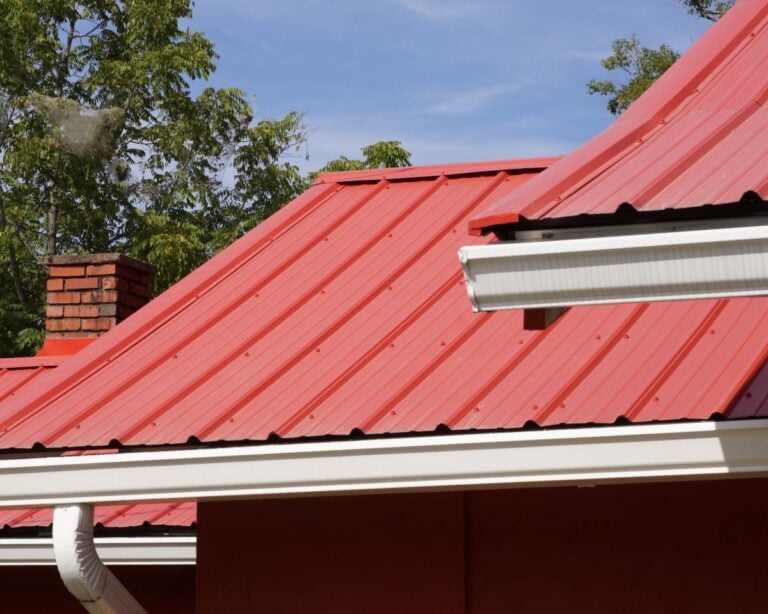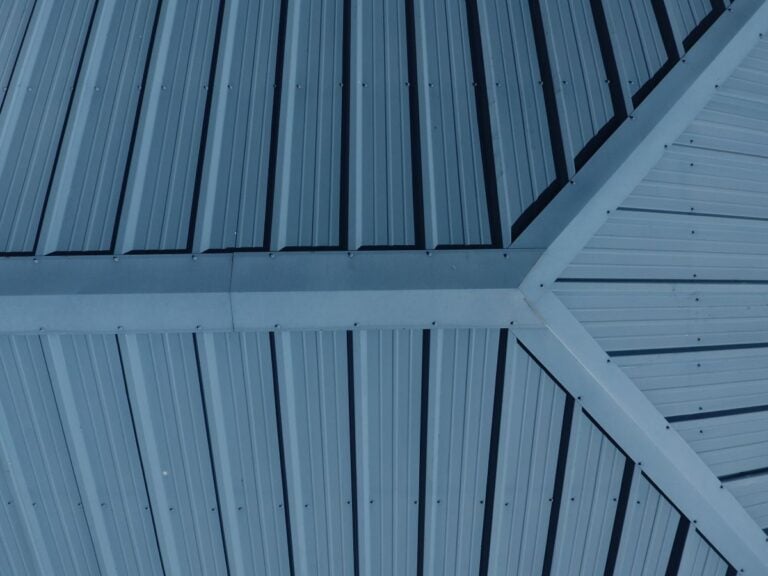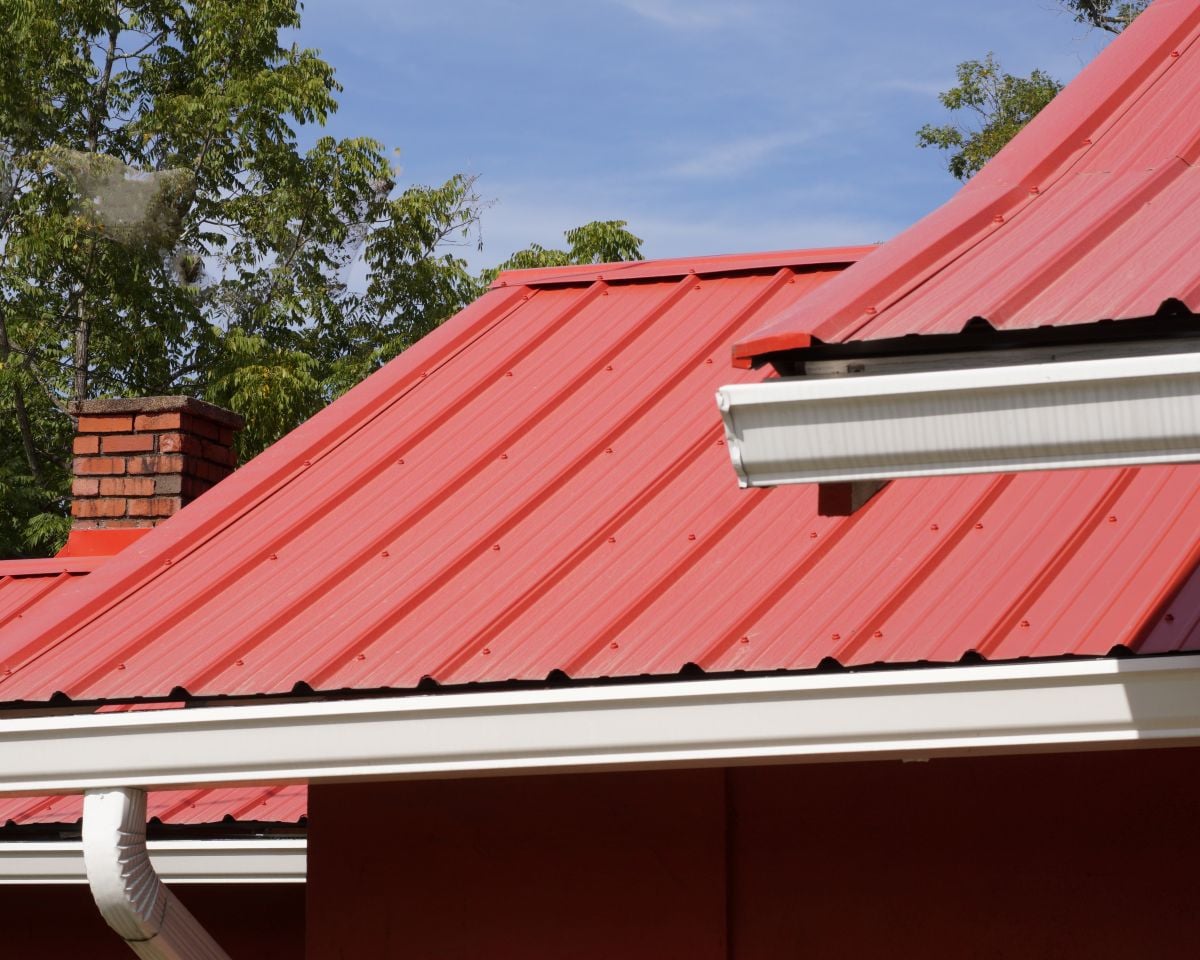
Choosing the best coating for metal roof panels is one of the most important decisions when buying a new metal roof, because the coating (not the metal itself) is what usually determines how long the roof looks good and how quickly it starts showing its age. Homeowners in Arlington and surrounding areas often see quotes with the same metal panels but different coating options, and the price differences can feel confusing without knowing what you’re actually paying for. Coating choice affects color retention, chalking resistance, energy performance, and warranty length by decades, so getting it right matters. This guide compares the main coating types head-to-head, explains what the industry standards actually mean, and helps homeowners pick the coating that fits their home and budget.
- Two main choices: PVDF (Kynar 500) and SMP are the coatings homeowners will actually compare.
- What differs: Color retention, chalking resistance, warranty length, and price all vary.
- What matters most: Match the coating to how long you’ll own the home and how much color fade you’ll tolerate.
Why Coating Choice Matters More Than the Metal Itself
The metal substrate on most residential roofs is similar across manufacturers, so the coating is really what sets one metal roof apart from another. Understanding this changes how homeowners look at quotes.
What Does a Metal Roof Coating Actually Do?
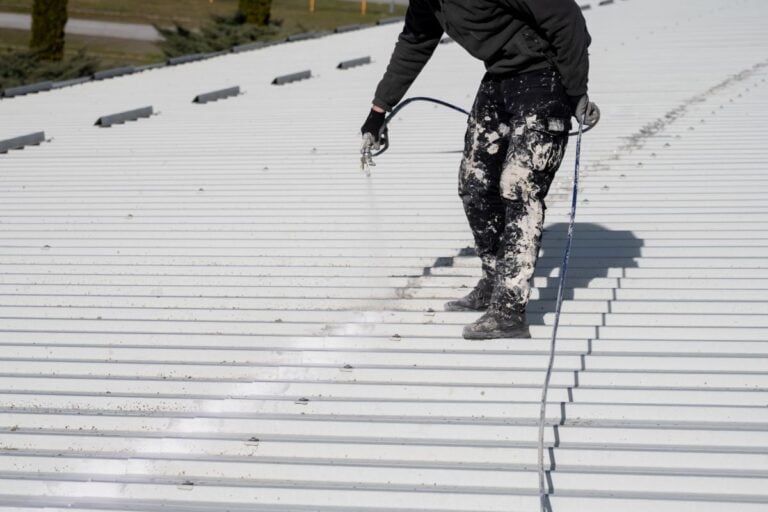
A metal roof coating serves several functions at once: it protects the metal underneath from rust and corrosion, provides color and appearance, reflects solar energy to reduce cooling costs, and resists UV damage that would otherwise degrade the surface over time. Modern coatings are engineered specifically for exterior weathering, not just decoration, and they’re baked onto the metal in factory conditions before the panels ever leave for the job site. This factory application is what allows the coating to bond so strongly with the metal and last for decades. Field-applied paint can never match factory-baked coatings for durability. Homeowners in Arlington and surrounding areas should think of the coating as the actual product they’re buying, with the metal underneath as the substrate.
- Corrosion protection: Seals metal from moisture and oxygen.
- UV resistance: Blocks sunlight from breaking down the substrate.
- Color retention: Holds original color for decades.
- Energy performance: Reflects solar radiation, reducing cooling costs.
Why Do Different Coatings Have Such Different Lifespans?
Different coatings have dramatically different lifespans because their chemistry is fundamentally different. PVDF (polyvinylidene fluoride) coatings use fluoropolymer resins with extremely strong carbon-fluorine bonds that resist UV degradation for decades. SMP (silicone-modified polyester) coatings use polyester resins enhanced with silicone, which perform well but degrade faster than PVDF. Standard polyester coatings, the cheapest option, break down fastest and are rarely used for quality residential roofs today. The chemistry directly determines how long the coating holds color, resists chalking, and stays adhered to the metal. Homeowners comparing quotes should look at the specific coating name and warranty terms, not just assume “painted metal” means the same thing across bids.
- PVDF chemistry: Strong carbon-fluorine bonds resist UV for decades.
- SMP chemistry: Polyester with silicone additives, good but not exceptional.
- Polyester chemistry: Weakest option, rarely used residentially.
- Warranty as proxy: Longer warranties reflect stronger chemistry.
Comparing the Main Metal Roof Coating Options
Three main coating types show up on residential metal roof quotes: PVDF (often marketed as Kynar 500), SMP, and standard polyester. Each has a different balance of performance and price.
What Makes PVDF (Kynar 500) the Premium Choice?
PVDF coatings, most commonly marketed as Kynar 500 or Hylar 5000, are the premium choice for metal roofs because they deliver the best combination of color retention, chalking resistance, and long-term appearance. Kynar 500 is a specific resin brand from Arkema, and Sherwin-Williams’ Fluropon and PPG’s Duranar are the leading commercial coating systems that use 70% PVDF resin. These coatings are typically applied in two or more baked-on coats and cost more per square foot than SMP alternatives. The visible result is a metal roof that still looks new decades after installation, with minimal fading and chalking even under intense sun exposure. Homeowners in Arlington and surrounding areas who plan to stay in their home long-term typically find PVDF the better value despite the higher upfront cost.
- Kynar 500 resin: From Arkema, the industry gold standard.
- Manufacturers: Sherwin-Williams (Fluropon), PPG (Duranar), and others use PVDF.
- Two-coat systems: Baked-on application delivers exceptional durability.
- Best-in-class performance: Superior color retention and chalking resistance.
Sherwin-Williams’ Fluropon 70% PVDF coating, one of the industry’s most widely used metal roof coating systems, meets or exceeds the AAMA 2605 performance specification (the American Architectural Manufacturers Association’s most rigorous standard for exterior architectural coatings), which is why homeowners looking for coatings that stand up to decades of weather and UV exposure typically compare bids specifically against the AAMA 2605 benchmark.
What Are the Tradeoffs With SMP Coatings?
SMP (silicone-modified polyester) coatings deliver solid performance at a lower price than PVDF, making them a legitimate mid-range choice for homeowners with tighter budgets or shorter ownership horizons. SMP coatings hold color reasonably well for the first 10 to 15 years but typically show noticeable fading and chalking by year 15 to 20, especially in darker colors and high-UV environments. The gap between PVDF and SMP widens over time, and side-by-side comparisons at year 10 often show clear differences even to homeowners who couldn’t tell them apart when new. SMP is not a bad choice, especially in lighter colors where fading is less noticeable, or on secondary structures where premium appearance matters less. But for a primary residence, the long-term value math often tilts toward PVDF.
- Cost advantage: Typically 10 to 20% cheaper than PVDF systems.
- Performance window: Solid for the first 10 to 15 years.
- Color considerations: Lighter colors hide fading better than darker.
- Best fit: Budget-conscious projects or lighter color choices.
When Does Polyester Coating Make Sense?
Standard polyester coatings are the least expensive metal roof coating option and rarely make sense for residential roofs today because they fade and chalk significantly within 5 to 10 years. Polyester coatings are more common on agricultural buildings, storage sheds, and other structures where appearance doesn’t matter much and cost is the driving factor. On a residential roof, polyester coatings can leave the home looking dated within a decade, which typically hurts curb appeal and resale value. Some budget “metal roof” quotes may include polyester coating without making it obvious, so homeowners should always verify the specific coating type when comparing bids. In Arlington and surrounding areas, polyester coatings are rarely worth the initial savings.
- Cost advantage: Cheapest coating option available.
- Performance limits: Fades and chalks within 5 to 10 years.
- Best fit: Agricultural buildings and utility structures.
- Residential rarity: Rarely used on quality residential roofs today.
8 Factors to Weigh When Choosing a Coating
Eight specific factors help homeowners pick the right coating for their situation. Working through each one helps clarify whether the premium coating is worth the extra cost.
1. How Long You Plan to Own the Home
How long you plan to own the home is one of the strongest factors, because coating quality only pays back over years of use. Homeowners planning to stay 15 years or longer see the biggest benefit from premium PVDF coatings, since they’ll experience the full color retention advantage over that period. Homeowners planning to sell within 5 to 10 years may find SMP a reasonable choice since the coating will still look good at sale time. The math flips for homeowners who plan to stay a lifetime, since one PVDF-coated roof may be the only metal roof they ever need. Coating choice should match the timeline of ownership.
- Long-term stays (15+ years): PVDF typically the better value.
- Medium-term stays (5-10 years): SMP acceptable, especially in lighter colors.
- Short-term ownership (under 5 years): Coating grade matters less at sale.
- Multi-generational ownership: PVDF makes the strongest long-term case.
2. Color Choice and Fade Visibility
Color choice matters significantly because darker colors show fading more than lighter ones, which changes the value of a premium coating. A dark red or dark blue metal roof will show clear fading much sooner on SMP than on PVDF, while a light gray or cream color hides fading better on both systems. Homeowners choosing deep, saturated colors for architectural impact almost always benefit from upgrading to PVDF. Homeowners choosing lighter neutral colors have more room to consider SMP without visible tradeoffs. Cool metal roof colors (highly reflective whites and light tones) also perform better across all coating types.
- Dark colors: PVDF strongly recommended for fade resistance.
- Light colors: SMP acceptable, less visible fading.
- Bright accent colors: PVDF critical for color retention.
- Cool roof colors: Perform well across coating types.
3. Climate and UV Exposure
Climate and UV exposure affect how fast coatings age, with intense sun and heat aging coatings faster than moderate climates. Arlington and surrounding areas fall into a moderate mid-Atlantic climate zone, which is less punishing than the desert Southwest but tougher than the Pacific Northwest. Metal roofs facing south and west see more UV exposure than north-facing slopes and typically fade first. Homeowners with significant tree shade may find SMP performs adequately, while homes in full sun exposure benefit more from PVDF. Local climate should factor into the decision.
- Full sun exposure: PVDF recommended for maximum lifespan.
- Partial shade: SMP performs adequately.
- South and west slopes: Age faster than north-facing.
- Moderate climate: Northern Virginia less harsh than Southern climates.
4. Warranty Terms and Coverage Length
Warranty terms and coverage length correlate strongly with coating quality, with PVDF systems typically carrying 30 to 40 year warranties and SMP systems carrying 25 to 30 year warranties. Read the fine print, because warranties can cover different things (paint adhesion, chalking, fading, gloss retention) for different periods within the same document. Longer warranties reflect the manufacturer’s confidence in the coating’s durability, so warranty length is a reasonable proxy for expected performance. Homeowners should ask for warranty documents in writing and read the specific coverage terms before signing.
- PVDF warranties: 30 to 40 years typical for paint adhesion.
- SMP warranties: 25 to 30 years typical.
- Chalking and fading: Often covered for shorter periods than paint adhesion.
- Fine print: Different coverage periods for different failure modes.
5. Budget and Total Project Cost
Budget matters because the coating upgrade adds real cost to the total project. Upgrading from SMP to PVDF typically adds $1 to $3 per square foot to the installed cost, which can mean $2,000 to $6,000 on a typical home. That’s a meaningful decision point for many homeowners. The math works in favor of the upgrade for long-term owners, but shorter-term owners may prioritize other project features. Getting itemized quotes that spell out coating type and price makes the comparison clear.
- Upgrade cost: $1 to $3 per square foot for PVDF over SMP.
- Total impact: $2,000 to $6,000 on typical residential roofs.
- Value math: Best return for long-term owners.
- Itemized quotes: Coating type spelled out separately in bids.
6. Coating Certifications and Standards
Coating certifications and industry standards help homeowners verify that a coating actually delivers what’s promised. AAMA 2605 is the highest tier of American Architectural Manufacturers Association performance specification and is met by premium PVDF systems. AAMA 2604 is a lower tier met by high-quality SMP systems. ENERGY STAR certification indicates cool roof performance for coatings designed to reflect solar heat. Homeowners can ask contractors what specific standards a coating meets and verify the answers against manufacturer documentation.
- AAMA 2605: Top-tier standard, met by premium PVDF coatings.
- AAMA 2604: Mid-tier standard, met by better SMP systems.
- ENERGY STAR: Cool roof certification for reflective coatings.
- ASTM standards: Various test methods for chalking, fading, and adhesion.
7. Energy Performance and Cool Roof Options
Energy performance varies by coating and color, with cool roof coatings delivering measurable cooling cost savings. Reflective coatings can reduce attic temperatures by 10 to 20 degrees on hot days, which translates to lower air conditioning bills over summer. Some cool roof coatings qualify for federal ENERGY STAR tax credits, which can offset part of the coating upgrade cost. Homeowners with significant summer cooling costs in Arlington and surrounding areas often find the energy benefit tips the coating decision toward premium options. Ask about ENERGY STAR eligibility when comparing quotes.
- Cool roof coatings: Reflect solar heat, reduce cooling costs.
- Attic temperature: Can drop 10 to 20 degrees with reflective coatings.
- ENERGY STAR eligibility: Some coatings qualify for federal tax credits.
- Regional benefit: Summer cooling savings meaningful in mid-Atlantic.
8. Contractor Recommendations and Local Experience
Contractor recommendations and local experience matter because different climates and installation conditions favor different coatings. A reputable contractor who has installed dozens of metal roofs in Arlington and surrounding areas can speak from experience about how specific coatings age locally. Ask contractors what coating they’d choose for their own home and why, and ask to see examples of roofs installed 5, 10, and 15 years ago. Honest contractors will steer homeowners toward the coating that fits their specific situation rather than always upselling to the premium option. This kind of local knowledge helps homeowners make better decisions.
- Local track record: Contractors with long history can show real aging.
- Personal recommendation: Ask what they’d choose for their own home.
- Aging examples: See older installations in person when possible.
- Honest advice: Good contractors match coating to homeowner needs.
Frequently Asked Questions
Is Kynar 500 the same thing as PVDF?
Kynar 500 is a specific brand name for PVDF resin manufactured by Arkema, and it’s the most widely recognized PVDF coating brand in North American metal roofing. Hylar 5000 is another PVDF resin brand. Most 70% PVDF coating systems on metal roofs use one of these two resins as the base.
How can I tell what coating is on my existing metal roof?
You can identify your existing metal roof coating by checking manufacturer documentation, contacting the original installer, or having a metal roofing specialist inspect the roof. Kynar 500 coatings typically maintain their color and gloss for decades, while faded or chalky roofs often indicate SMP or polyester coatings.
Does the coating type affect my metal roof warranty?
Yes, coating type directly affects both the length and coverage of your metal roof warranty. PVDF systems typically carry 30 to 40 year warranties, while SMP systems typically carry 25 to 30 year warranties. Always ask for the specific warranty document before purchasing.
Can I upgrade the coating on my existing metal roof?
You can repaint an existing metal roof with an aftermarket coating, but it’s not the same as an original factory coating. Aftermarket coatings typically carry 10 to 15 year warranties compared to 30 to 40 years for factory-applied PVDF. Full replacement with a new PVDF-coated roof is a bigger investment but delivers much longer performance.
What’s the price difference between PVDF and SMP?
PVDF coatings typically add $1 to $3 per square foot to the installed cost of a metal roof compared to SMP alternatives, translating to roughly $2,000 to $6,000 on a typical residential home. Whether the upgrade is worth it depends on how long you plan to own the home and how much you value long-term appearance.
Are cool roof coatings worth the extra cost?
Cool roof coatings can be worth the extra cost in homes with significant summer cooling bills, since they can reduce attic temperatures by 10 to 20 degrees and cut cooling costs by 10 to 25%. Federal ENERGY STAR tax credits can offset part of the upgrade cost. The math works best in sunny climates and homes with significant sun exposure.
Choose Springfield Roofing & Sheet Metal for Metal Coating Guidance
When choosing the best coating for metal roof panels on your home, honest guidance from a contractor who knows the tradeoffs helps homeowners get value that fits their situation rather than always upselling to the premium option. Springfield Roofing & Sheet Metal is a 1st and 2nd generation family-owned and operated company serving Arlington and surrounding areas with a dedicated in-house crew, full labor and material warranties, and CertainTeed 5-Star Select Shingle Master certification. Our sheet metal expertise runs deep, and we walk homeowners through coating options with honest explanations of what each choice actually delivers over 10, 20, and 30 years. Contact Springfield Roofing & Sheet Metal today for a free estimate and clear guidance on which metal roof coating fits your home best.