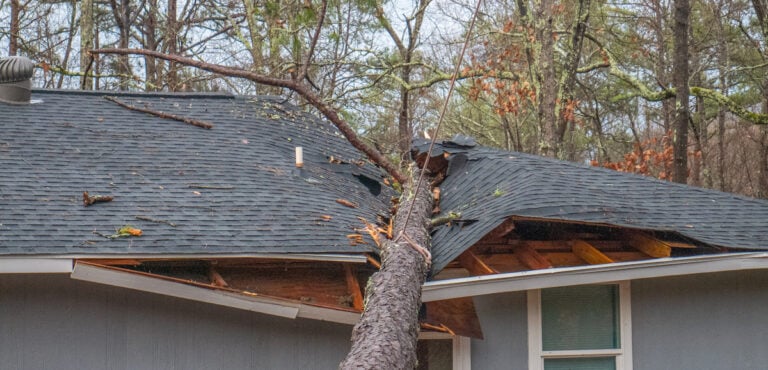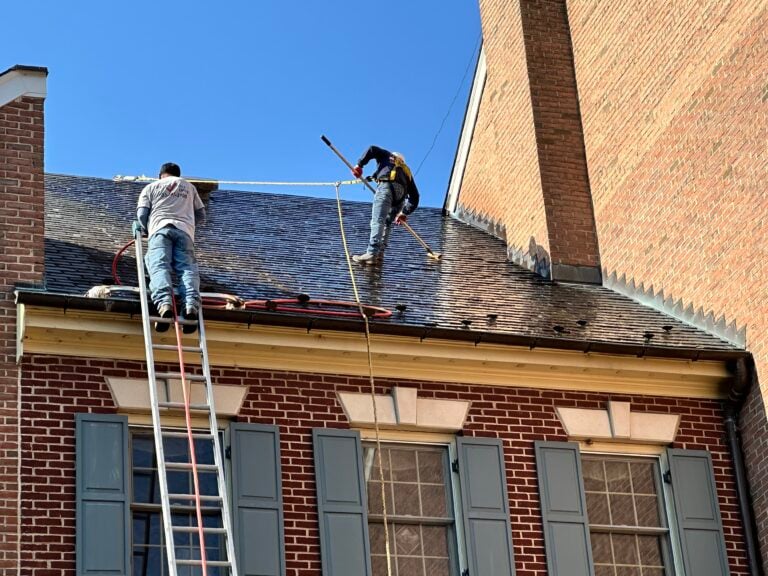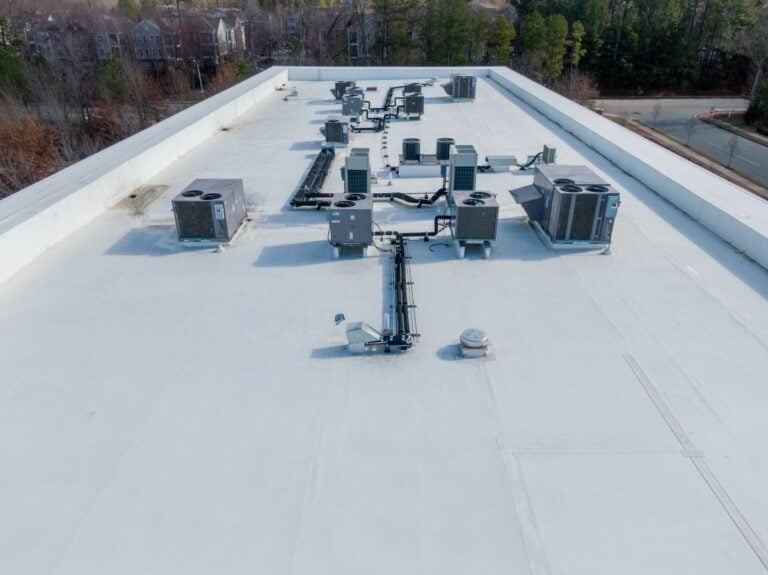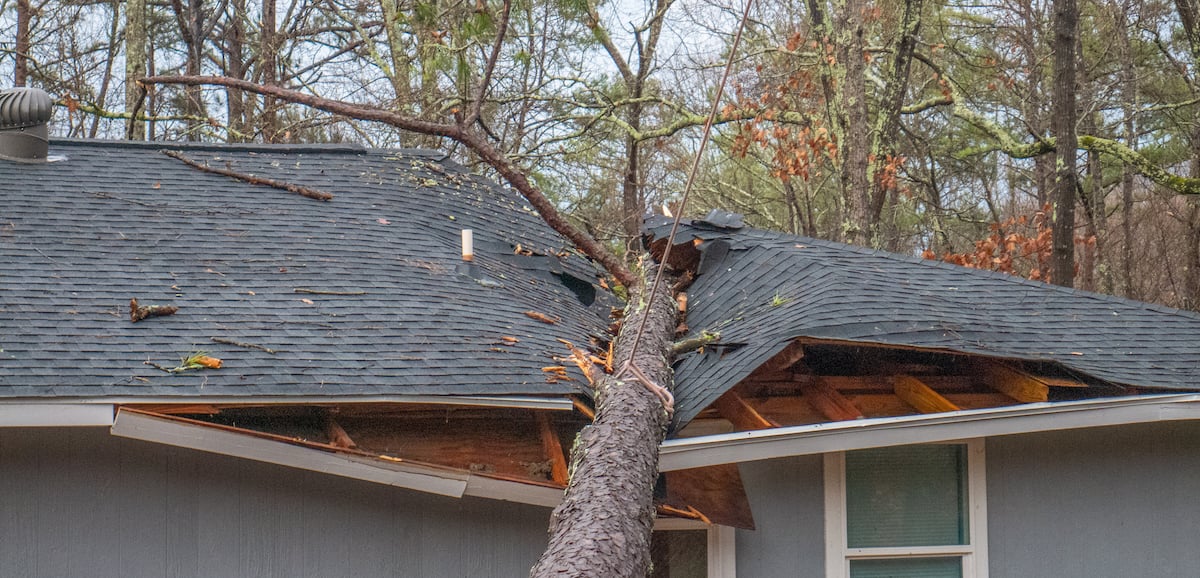
A storm damage roof inspection is the first thing homeowners should think about after high winds, hail, or heavy rain, because the damage that looks small from the ground often turns into a leak months later if it’s not caught right away. Homeowners in Fairfax and surrounding areas know that Northern Virginia weather can swing from heavy summer thunderstorms to winter ice damage, and any of these can leave their mark on a roof. Knowing what to look for helps you spot problems before they grow, document damage for an insurance claim, and decide whether you need a professional inspection or just need to keep an eye on things. This guide walks through the signs of storm damage, how a professional inspection works, and when to act.
- What to look for: Missing shingles, dented gutters, granule buildup, and ceiling stains all signal damage.
- What to skip: Climbing on the roof yourself is risky and often makes claims harder.
- When to call: Any major storm, hail of any size, or visible damage from the ground.
What Kinds of Storm Damage Should Homeowners Look For?
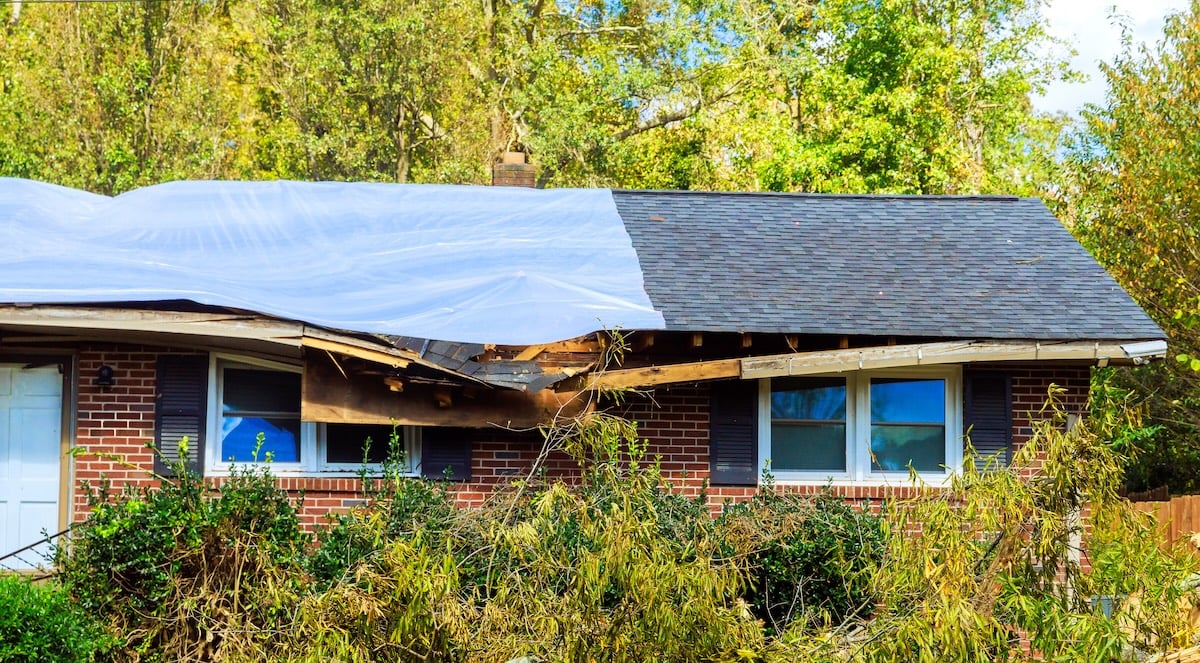
Different types of storms cause different types of damage, and knowing what each one leaves behind helps you spot problems faster. Most storm damage falls into one of three categories.
What Does Wind Damage Look Like on a Roof?
Wind damage on a roof shows up as missing shingles, lifted or curled shingle edges, exposed underlayment, and shingles scattered in the yard. Even shingles that don’t blow off entirely can have their adhesive seal broken by wind, which makes them lift in future storms and let water in. The sealant that holds shingles down works best in warm weather, so winter wind storms can do more damage than summer ones of the same speed. Homes in Fairfax and surrounding areas can see wind damage from severe thunderstorms, occasional tornadoes, and the leftover gusts from coastal storms. A quick walk around the house after a windstorm usually shows whether anything visible has come loose.
- Missing shingles: The clearest sign, often visible from the ground.
- Lifted edges: Shingles still in place but with the bottom edge curled up.
- Exposed underlayment: Black tar paper or synthetic sheeting visible on the roof.
- Yard debris: Shingle pieces or whole shingles in the yard or driveway.
How Can You Spot Hail Damage After a Storm?
Hail damage can be tricky to spot because it often looks like small circular marks on shingles rather than obvious holes or cracks. Hail strikes knock granules off the shingle surface, leaving slightly indented spots, and the damaged shingles lose their protective coating where they were hit. Even small hail (under an inch) can cause real damage to shingles, and storms with bigger hail can age a roof by years in a single event. From the ground, hail damage often shows up on softer items like aluminum gutters, vent caps, AC unit fins, and downspouts before it shows on shingles. Homeowners in Fairfax and surrounding areas should walk the property carefully after any hailstorm, because what you can see at ground level usually points to damage you can’t see on the roof.
- Dented gutters and downspouts: Soft aluminum shows hail impact clearly.
- Granule piles: Heavy granule accumulation in gutters or downspout outlets.
- Dented vent caps and flashings: Metal pieces on the roof show impacts before shingles do.
- Damaged AC fins: Often the first thing damaged by hail, visible from the ground.
What Does Water and Ice Damage Reveal?
Water and ice damage shows up inside the house before it shows on the outside, with ceiling stains, peeling paint, damp attic insulation, and musty smells all pointing to a roof leak. Ice dams form along the eaves in winter when snow melts off the warmer upper part of the roof and refreezes at the cold edges, backing water up under the shingles. That water then drips into the attic or down interior walls, often without any visible damage on the roof itself. Spring thunderstorms can drive water under loose shingles or through compromised flashing, leaving stains that may take days to show. Catching these signs early matters because once water reaches the decking or insulation, the damage compounds quickly.
- Ceiling stains: Brown or yellow rings on ceilings, often near walls.
- Peeling paint: Bubbling or peeling on ceilings or upper walls.
- Damp attic: Wet insulation, mold smells, or visible water on rafters.
- Ice dam tracks: Icicles along the eaves often indicate ice dam formation above.
5 Steps of a Professional Storm Damage Roof Inspection
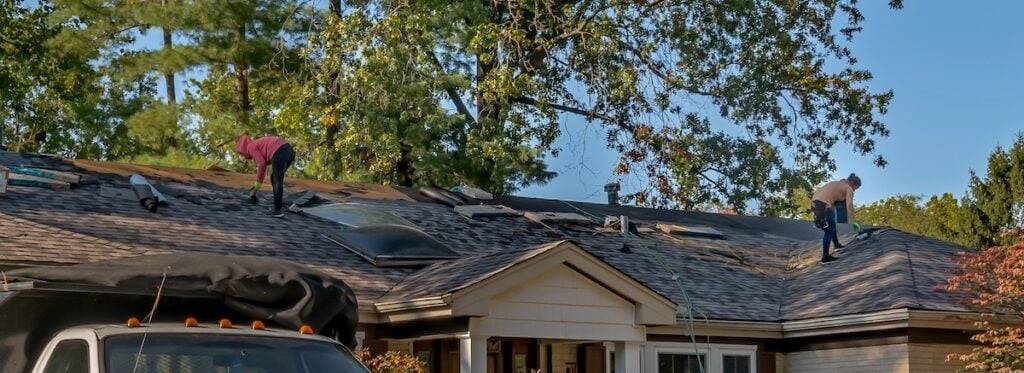
A professional storm damage inspection follows a clear process designed to catch every type of damage and produce documentation an insurance adjuster can work with. Knowing what’s involved helps homeowners understand what they’re paying for and what to expect.
1. What Happens During the Initial Walk-Around?
The initial walk-around is a ground-level inspection of the entire property, looking for visible signs of damage and collateral evidence of the storm. The inspector walks the full perimeter of the home, photographing dented gutters, damaged siding, broken tree limbs, debris in the yard, and any visible roof damage from the ground. They also document the date, weather conditions, and any related damage like fallen branches or hailstones still on the ground. This stage establishes the storm context, which matters for insurance claims because adjusters want to see evidence that ties damage to a specific weather event. Homeowners in Fairfax and surrounding areas should expect this stage to take 15 to 30 minutes.
- Perimeter walk: Full lap around the house with notes and photos.
- Collateral damage: Damaged siding, gutters, AC units, and outdoor items photographed.
- Storm context: Date, weather, and event documentation for the claim file.
- Visible roof damage: Anything spotted from ground level photographed.
2. How Does the Inspector Examine the Roof Itself?
The roof itself gets examined with a trained walk-through on the surface, with the inspector checking every slope, valley, ridge, and edge for damage. They look at shingles for hail bruises, missing tabs, lifted edges, and granule loss, and check flashings around chimneys, vents, and skylights for damage. The inspector marks test squares (10×10 ft sections according to standard practice from InterNACHI and insurance adjusters) on each slope to count the number of impact marks and assess severity. They also check ridge caps, drip edge, and any roof penetrations for damage. This stage typically takes 30 to 60 minutes depending on roof size and complexity.
- Shingle inspection: Every slope checked for hail bruises, missing pieces, and lifted edges.
- Test squares: 10×10 ft sections marked to count impact strikes per slope.
- Flashing check: Chimney, vent, and skylight flashings examined for damage.
- Edge details: Ridge caps, drip edge, and starter strips all reviewed.
The International Association of Certified Home Inspectors notes that the industry-standard method for assessing hail damage involves marking 10-foot by 10-foot test squares on each roof slope and counting impact strikes, with 8 hits per square commonly cited by insurance adjusters as the threshold for slope replacement, though specific policies vary.
3. Why Does the Attic Inspection Matter So Much?
The attic inspection matters because it’s where leaks show up before they ever reach a finished ceiling. The inspector checks the underside of the decking for water stains, looks at insulation for damp spots, examines rafters for moisture or mold, and looks for daylight visible through the decking. A flashlight pass across the underside of the roof can reveal leaks the size of a pencil point that haven’t yet caused visible interior damage. Wet insulation needs to be addressed even if the roof above has been repaired, because trapped moisture leads to mold and reduces the insulation’s effectiveness. Most attic inspections take 15 to 20 minutes and find at least one issue worth noting.
- Decking stains: Water marks on the underside of the plywood.
- Wet insulation: Damp or compressed insulation indicating active leaks.
- Daylight visibility: Any light coming through points to a hole.
- Mold or odor: Musty smells signal moisture that has been there a while.
4. How Is Damage Documented for Insurance?
Damage gets documented with photos, written notes, and a formal report the homeowner can give to their insurance adjuster. The inspector takes wide shots showing the whole roof, mid-range shots showing each affected area, and close-ups showing individual damage points. They photograph test squares with impact counts marked, dented metal components, and any interior signs of damage in the attic and living spaces. The written report includes the storm date, damage assessment, photos with location notes, recommended repairs, and a cost estimate. This documentation is what makes the difference between an approved claim and a denied one, especially in Fairfax and surrounding areas where adjusters increasingly require contractor reports before settling.
- Photo set: Wide, mid-range, and close-up shots of every damaged area.
- Test square documentation: Photos showing impact counts within marked squares.
- Written report: Formal assessment with damage description and cost estimate.
- NOAA storm verification: Reference to the official storm event from weather.gov.
5. What Recommendations Should You Get at the End?
At the end of the inspection, the homeowner should receive clear recommendations on what needs immediate repair, what can wait, and whether the damage warrants an insurance claim. A reputable contractor will be honest about whether the damage is significant enough to file or whether it’s minor enough to handle out of pocket. They’ll also explain the difference between functional damage (covered by insurance) and cosmetic damage (typically not covered). For roofs with widespread damage, the contractor may recommend full replacement rather than spot repairs, especially if the roof is older and the damage spans multiple slopes. Honest recommendations are one of the clearest signs of a contractor worth working with.
- Repair vs. replace: Clear guidance on which makes more sense for your situation.
- Functional vs. cosmetic: What insurance will cover versus what they won’t.
- Timeline: Which repairs need to happen right away vs. which can wait.
- Claim recommendation: Whether to file a claim or handle out of pocket.
What Should Homeowners Do After a Storm?
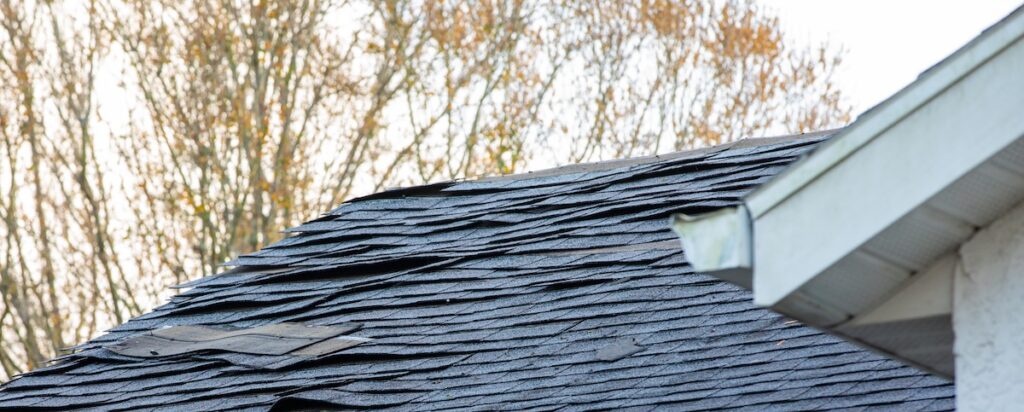
Knowing how to respond after a storm matters as much as knowing what damage looks like. A few simple steps protect your home and your insurance claim.
When Should You Schedule a Professional Inspection?
You should schedule a professional inspection within a week of any major storm, especially if there was hail of any size, sustained winds over 50 mph, or visible damage on neighboring homes. Acting quickly matters because most insurance policies have filing deadlines (often one year from the storm date in Virginia, though some carriers have shorter windows). Reputable contractors in Fairfax and surrounding areas offer free post-storm inspections, so there’s no cost to having a professional take a look. Waiting too long can make it harder to tie damage to a specific storm and can give insurers room to argue the damage is from wear and tear instead.
- Within one week: Best window to document damage and start a claim.
- Free inspections: Most reputable contractors offer these at no cost.
- Insurance deadlines: Policies typically allow one year, but earlier is always better.
- Storm verification: NOAA weather data confirms the storm date for adjusters.
What Should You Avoid Doing After a Storm?
After a storm, avoid climbing on the roof yourself, signing contracts with door-to-door storm chasers, or making major repairs before documenting the damage. Roofs are slippery and dangerous after weather events, and a fall can cause serious injury. Storm chasers are out-of-area contractors who appear after storms, offer aggressive pitches, and often leave town once paid, sometimes without finishing the work. Making major repairs before an adjuster sees the damage can also hurt your insurance claim, because the adjuster can’t verify what was there before. Stick with established local contractors and document everything before any repair work begins.
- No DIY roof access: Falls cause serious injury, and untrained eyes miss damage.
- Watch for storm chasers: Door-to-door pitches from out-of-area contractors are red flags.
- Document before repair: Take photos of all damage before any work starts.
- Verify credentials: Check license, insurance, and local references for any contractor.
Frequently Asked Questions
How much does a storm damage roof inspection cost?
Most reputable roofing contractors offer free storm damage inspections to homeowners, hoping to earn the repair work if damage is found. Some inspectors charge $150 to $400 for a formal written report independent of any repair work. Insurance companies generally don’t require homeowners to pay for inspections before filing a claim.
How long do I have to file an insurance claim for storm damage?
Most homeowners insurance policies in Virginia allow one year from the storm date to file a claim, but some carriers have shorter windows of 60 to 180 days. Filing as soon as possible is always better because it makes it easier to tie damage to a specific event. Check your policy or call your agent to confirm your filing deadline.
Can I file a claim if I don’t see obvious damage?
Yes, you can file a claim even without obvious visible damage, especially if hail was reported in your area or sustained high winds passed through. A professional inspection often finds damage that homeowners miss from the ground. Insurance carriers want to see contractor documentation before settling.
Should I call my insurance company or a roofer first?
Most homeowners benefit from calling a roofer first to get a professional inspection and a written damage report before filing a claim. Filing without documentation can lead to lower settlements or claim denials. Once you have a written report from a licensed contractor, you have what you need to file with documentation that strengthens your position.
What’s the difference between functional and cosmetic damage?
Functional damage compromises the roof’s ability to keep water out, while cosmetic damage affects appearance without affecting performance. Insurance typically covers functional damage like hail bruises that have broken the shingle’s protective layer, but not cosmetic dents in metal vents or scratches. A professional inspector documents which is which on every job.
Does Springfield Roofing & Sheet Metal offer free storm inspections?
Yes, Springfield Roofing & Sheet Metal provides free post-storm roof inspections for homeowners in Fairfax and surrounding areas. We document damage with photos and a written report you can use for insurance claims, and we’ll give you honest guidance on whether to file a claim or handle a small repair out of pocket. Contact us within a week of any major storm.
Choose Springfield Roofing & Sheet Metal for Honest Storm Damage Inspections
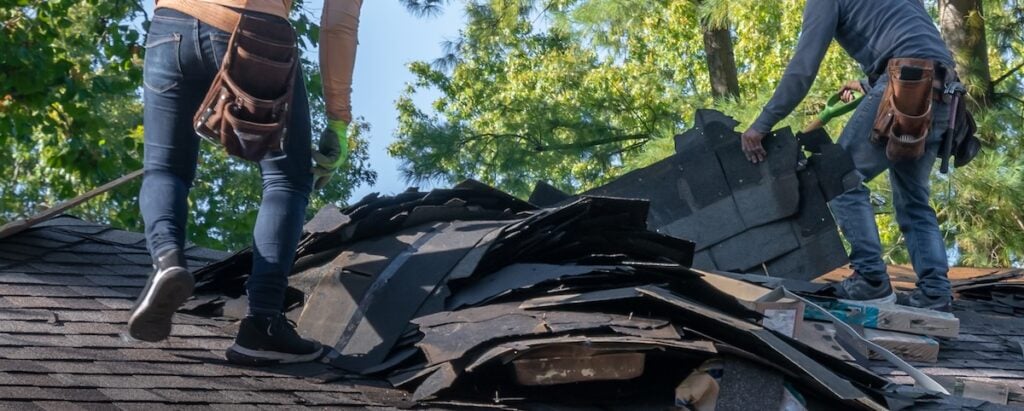
When it comes to a storm damage roof inspection, homeowners deserve a contractor who documents what’s actually on the roof and gives honest guidance on what to do next. Springfield Roofing & Sheet Metal is a 1st and 2nd generation family-owned and operated company serving Fairfax and surrounding areas with a dedicated in-house crew, full labor and material warranties, and CertainTeed 5-Star Select Shingle Master certification, which is held by only a small percentage of roofing contractors nationwide. We provide free post-storm inspections with photo documentation and written reports designed to support insurance claims, and we never inflate damage or chase claims that aren’t there.Contact Springfield Roofing & Sheet Metal today for a free storm damage inspection and find out what an honest, thorough roof assessment actually looks like.