If you’ve ever admired a home with a steep, elegant roofline and wondered what it’s called, it might be a mansard roof. Known for its distinctive double-slope design, the mansard style blends functionality with architectural charm. Once popular in European estates, it continues to appear in modern homes and commercial buildings for its striking appearance and practical use of attic space.
- Architectural beauty: The mansard roof’s unique shape gives homes timeless appeal.
- Added living space: Its steep lower slope creates full upper rooms or lofts.
- Historical significance: This roof style dates back centuries but still influences modern architecture.
The Origins Of The Mansard Roof
The mansard roof gets its name from the 17th-century French architect François Mansart, who popularized the design during the Baroque period. It became especially famous during France’s Second Empire era (mid-1800s), when it symbolized prestige and elegance.
In Great Falls and surrounding areas, homeowners inspired by classic European architecture often choose mansard-style designs for their combination of sophistication and practicality.
Architectural Definition
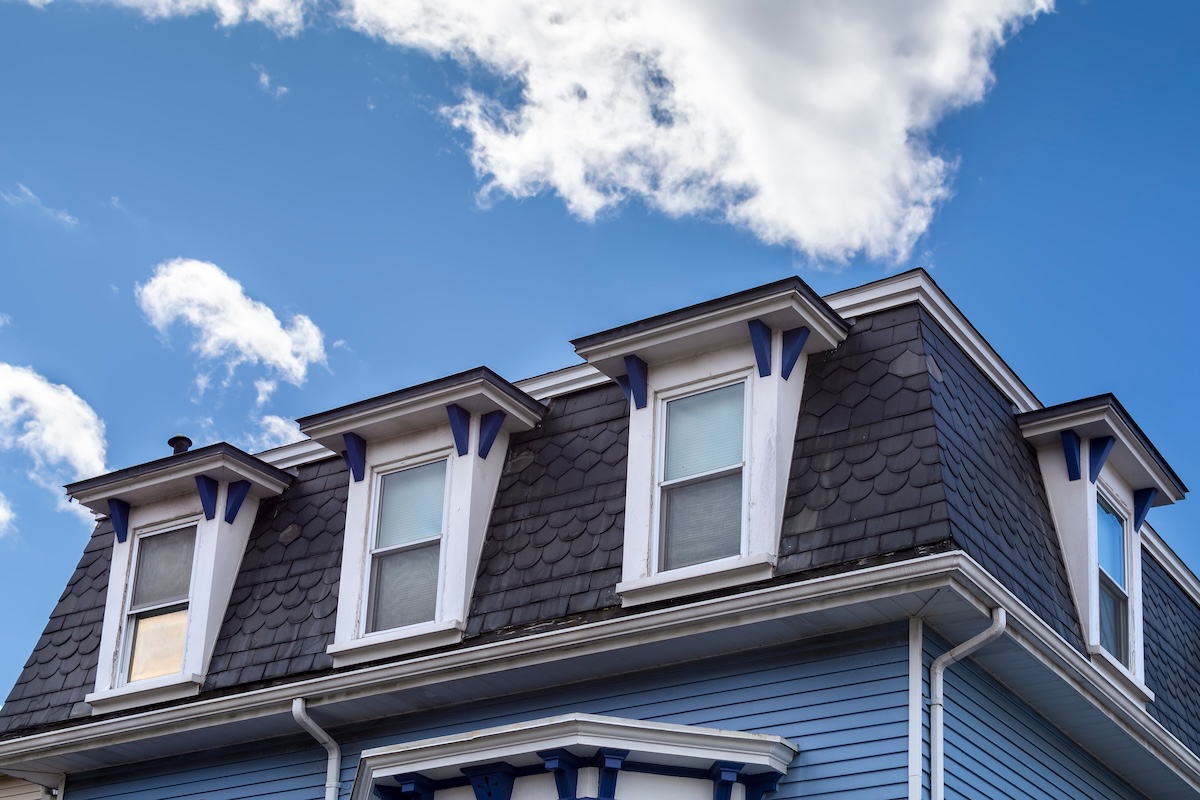
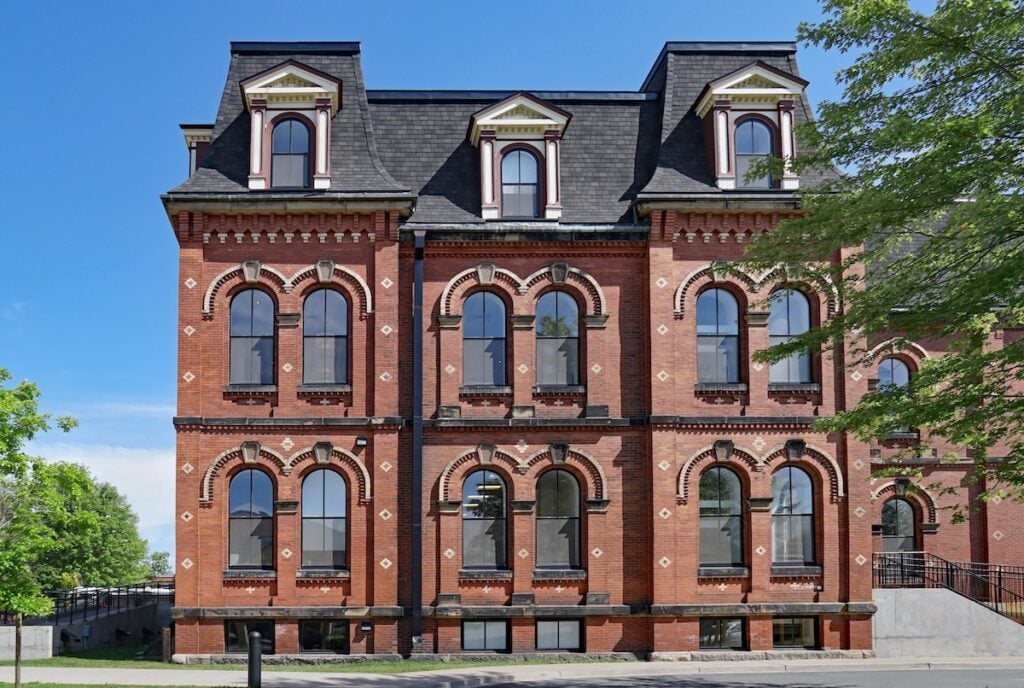
A mansard roof is a four-sided gambrel-style roof featuring two slopes on each side. The lower slope is steep, often nearly vertical, while the upper slope is much shallower. This structure allows for a spacious attic or extra living area beneath the roofline—an early example of efficient vertical design.
Influence In America
The mansard roof gained popularity in the United States during the 19th century, appearing on townhouses, civic buildings, and high-end homes. Many consider it a defining feature of French Renaissance and Second Empire architecture, especially in urban settings like New York and Boston.
Anatomy Of A Mansard Roof
While visually striking, a mansard roof’s design is also functional. Understanding its components helps explain why it remains a timeless favorite.
- Lower slope: Steeply angled, often covered with shingles, slate, or decorative tiles.
- Upper slope: A shallow incline at the top that caps the structure and directs water drainage.
- Dormer windows: Extend from the lower slope, adding natural light and ventilation to upper floors.
- Cornice or trim: Decorative molding that enhances the roofline and ties the look together.
This combination of steep and shallow sections creates both curb appeal and additional usable space within the roof area.
Advantages Of A Mansard Roof
Beyond aesthetics, the mansard design offers several practical benefits for homeowners.
- Expanded living space: The steep lower slope allows for a full upper story or loft.
- Versatile design: Works well with traditional and modern architectural styles.
- Improved drainage: The upper slope efficiently channels rainwater and snow runoff.
- Energy efficiency: The enclosed attic or loft can improve insulation and reduce heat loss.
- Property value: Mansard roofs add architectural distinction that enhances resale appeal.
Different Types Of Mansard Roofs
There are several variations of the mansard roof, each offering distinct visual and functional qualities.
Straight Mansard
The classic version features two symmetrical slopes meeting at a sharp angle. It’s the most common and widely recognized type.
Concave Mansard
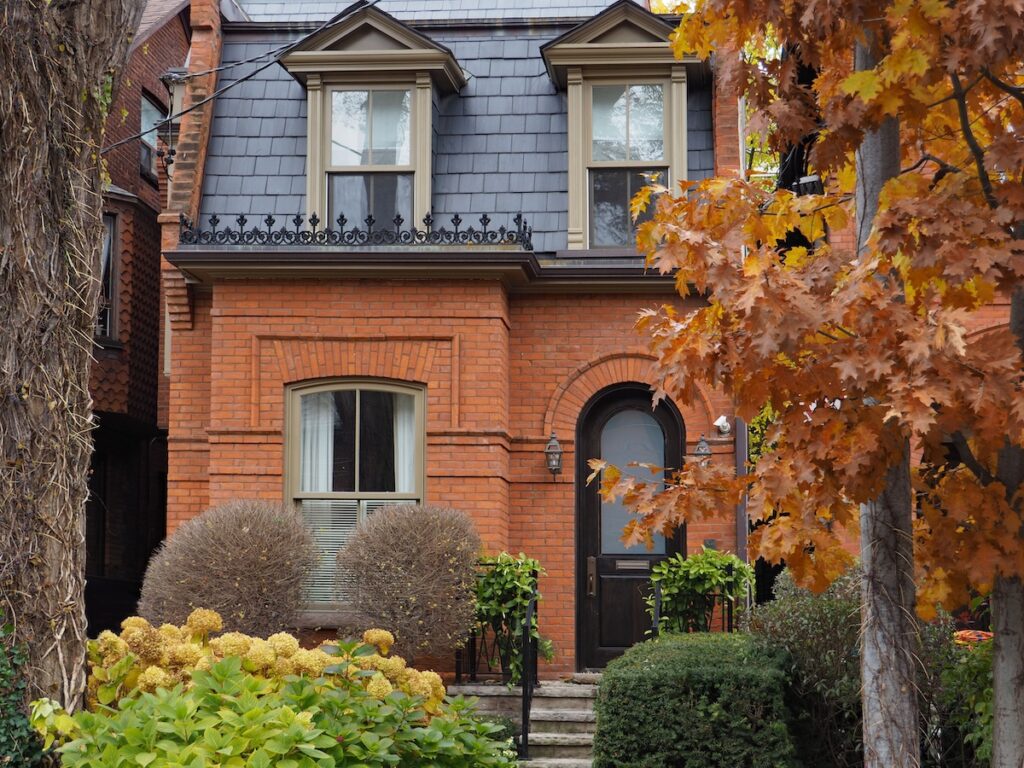
The lower slope curves inward, creating a softer, more decorative appearance. This variation is often seen in elaborate French-inspired homes.
Convex Mansard
The lower slope bulges outward, producing a rounded look that adds volume and grandeur to the roofline.
S-Shaped Mansard
Combining both concave and convex curves, this style forms an “S” shape for maximum visual impact and architectural flair.
Common Materials Used For Mansard Roofs
Mansard roofs can be built using several different materials depending on budget, style, and performance needs.
- Slate: Traditional and durable, offering a classic European look that can last over a century.
- Metal: Lightweight and long-lasting, with modern finishes that replicate slate or tile textures.
- Asphalt shingles: Cost-effective and easy to install, though they may require more frequent replacement.
- Clay or composite tiles: Provide unique texture and color for custom designs.
In Great Falls and surrounding areas, many homeowners choose metal or slate for their superior longevity and aesthetic appeal.
Mansard Roof vs. Other Roof Styles
| Roof Type | Slope Design | Attic Space | Maintenance Level | Best For |
| Mansard Roof | Double slope (steep lower, shallow upper) | Excellent | Moderate | Classic or luxury homes |
| Gable Roof | Two slopes meeting at a ridge | Limited | Low | Simple and efficient designs |
| Hip Roof | Slopes on all four sides | Moderate | Low | Wind-resistant builds |
| Gambrel Roof | Double slope (barn-style) | Excellent | Moderate | Farmhouses and rustic homes |
| Flat Roof | Minimal slope | Limited | High | Modern homes and commercial buildings |
This comparison highlights how the mansard roof balances style and practicality better than many alternatives.
Challenges Of A Mansard Roof
While beautiful and functional, mansard roofs require careful planning and professional installation.
- Complex design: Building or repairing one involves specialized carpentry and roofing skills.
- Cost: Materials like slate or copper add to the price, though they offer exceptional longevity.
- Drainage: The shallow upper slope must be properly sealed and flashed to prevent leaks.
- Maintenance: Decorative dormers and trim can require extra upkeep to maintain appearance.
Despite these considerations, the mansard’s timeless look and added space often outweigh the drawbacks for homeowners seeking elegance and character.
5 Steps: How Mansard Roofs Are Constructed
Building a mansard roof involves several key steps to ensure stability and water resistance.
- Framing: The roof frame is built with rafters that create the dual-slope shape. The steep lower section forms the walls of the upper floor.
- Decking installation: Plywood or OSB panels are secured over the rafters to create a solid surface.
- Underlayment: A moisture barrier is added for weather protection.
- Material installation: Shingles, slate, or metal panels are installed from the bottom up.
- Flashing and trim: Metal flashing is placed around dormers, valleys, and edges to prevent leaks.
This process requires expertise to balance both the aesthetic proportions and structural requirements of the roof.
Modern Uses Of The Mansard Roof
Though inspired by classical architecture, mansard roofs remain popular in modern construction. They’re often used to:
- Add visual height and elegance to homes without altering the foundation.
- Create additional rooms, offices, or loft spaces under the roof.
- Complement both urban and rural architectural styles.
- Modernize older buildings while preserving historical charm.
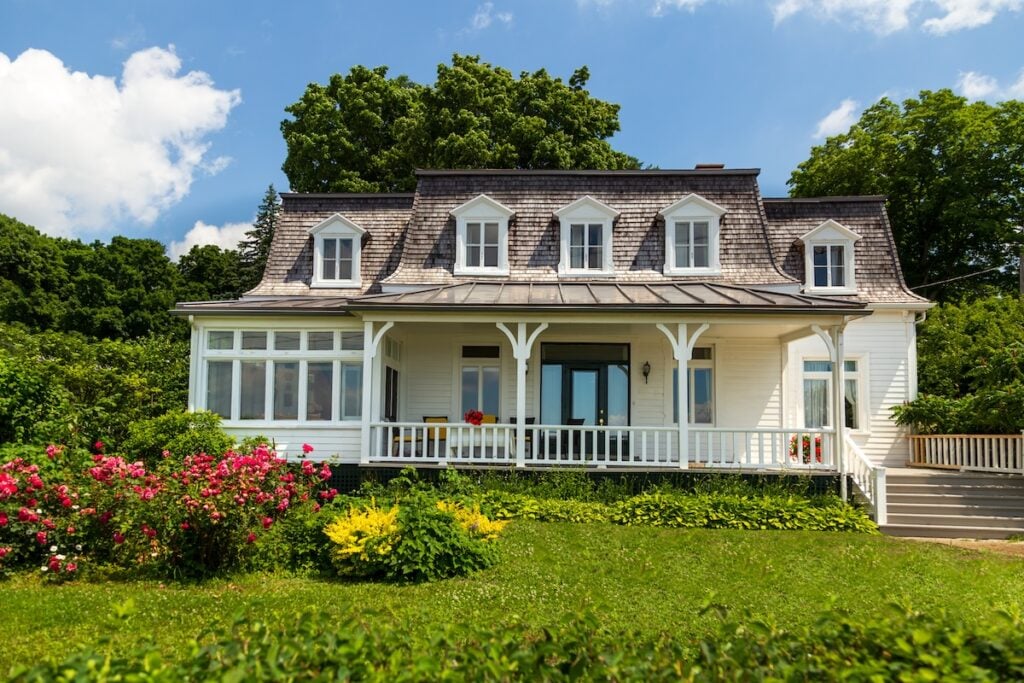
In Great Falls and surrounding areas, mansard roofs have become a popular choice for homeowners who want timeless beauty with added function.
Maintaining A Mansard Roof
Routine maintenance helps preserve the beauty and performance of a mansard roof.
- Inspect regularly: Check for damaged shingles or flashing at least twice a year.
- Clean gutters and valleys: Remove debris to maintain proper drainage.
- Repaint or reseal metal surfaces: Protects against corrosion and maintains appearance.
- Trim overhanging trees: Prevents debris buildup and moisture retention.
- Schedule professional inspections: Regular expert assessments ensure long-term performance.
A well-maintained mansard roof can last 50 years or more, depending on materials used.
A Blend Of History, Function, And Style
The mansard roof is more than just an architectural statement—it’s a design that combines old-world charm with practical living benefits. With its distinct double slopes, generous upper space, and timeless look, it continues to inspire builders and homeowners alike.
If you’re considering installing or restoring a mansard roof, reach out to Springfield Roofing & Sheet Metal for expert guidance and a free estimate. Our experienced team proudly serves Great Falls and surrounding areas, helping homeowners design, preserve, and maintain roofs that stand out for generations.