If you’ve ever wondered what does hail damage look like on a roof, you’re not alone. After a strong storm, it’s not always easy to tell whether your roof has sustained serious harm or just a few harmless dings. Knowing what to look for helps you catch problems early, file insurance claims properly, and prevent costly repairs later.
- Early detection: Spotting hail damage right away keeps minor dents from turning into leaks.
- Insurance preparation: Understanding what hail damage looks like strengthens your claim.
- Long-term protection: Regular post-storm checks preserve your roof’s life and value.
How Hail Damages Roofs
Hail can range from small pebbles to golf-ball-sized chunks of ice, and even the smallest hailstones can wreak havoc on your roofing system. When these chunks hit the surface, they break protective granules, crack shingles, and damage flashing. Over time, this leads to leaks and structural problems. In Alexandria and surrounding areas, where hail is a common spring and summer threat, homeowners should always inspect their roofs after storms.
The Science Behind Hail Impact
When hail hits your roof, it transfers energy directly into the shingle or metal surface. The impact can loosen protective granules, bruise underlayment, or dent the decking beneath. Each material reacts differently, but all can sustain lasting harm that worsens with time if left unrepaired.
Why Early Inspection Matters
Hail damage isn’t always obvious from the ground. Even small indentations can reduce your roof’s water resistance. Addressing issues right after a storm ensures your home remains watertight and eligible for insurance coverage.
Common Signs Of Hail Damage On Different Roofing Materials
Because every roof material reacts differently to impact, it’s essential to understand how hail damage appears on various types of surfaces. Use this visual guide as a reference during your post-storm checks.
Asphalt Shingles
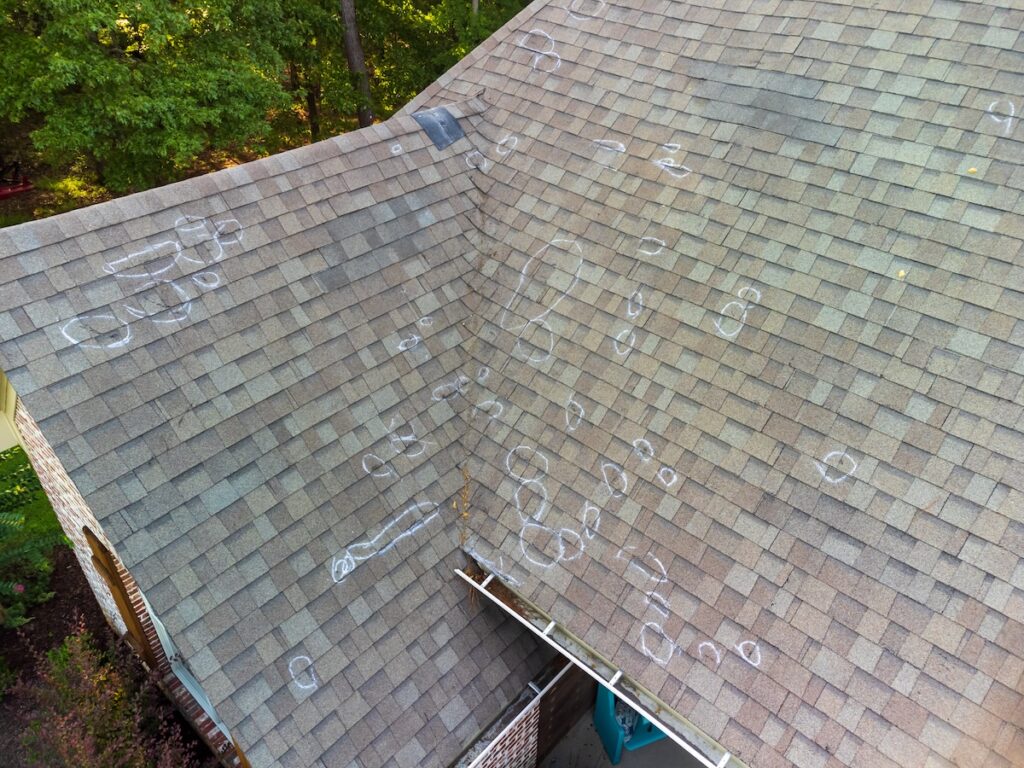
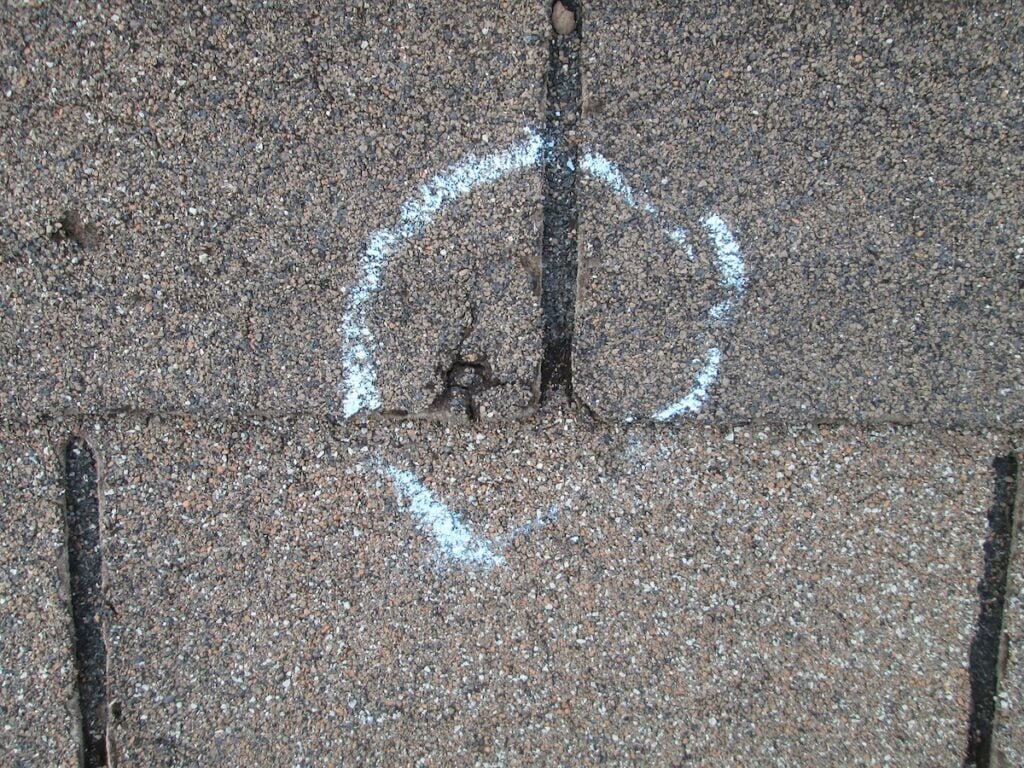
Asphalt shingles are the most common roofing material in Alexandria and surrounding areas, and they tend to show hail damage as circular marks or bruises. You might also see loose granules collecting in gutters.
- Bruised spots: Soft, dark circles that feel spongy when pressed.
- Granule loss: Shiny or smooth areas where protective coating has worn away.
- Cracks or tears: Lines radiating outward from the impact point.
- Exposed underlayment: The black layer beneath the shingle becomes visible.
Metal Roofs
Metal roofs handle hail better but can still suffer cosmetic and structural damage. Dents, scratches, and chipped coatings are telltale signs.
- Dents or dimples: Small depressions that catch the light.
- Scratched coating: Paint or protective film worn off by hailstones.
- Loose fasteners: Vibrations from impact can loosen screws or clips.
Wood Shakes
Wood roofing materials are vulnerable to splitting and cracking after hailstorms. Because wood absorbs moisture, hail damage can accelerate decay.
- Split edges: Sharp cracks or splinters where hail has struck.
- Discoloration: Water stains forming where protective coating was compromised.
- Exposed grain: Rough patches indicating surface loss.
Clay or Concrete Tiles
Hail can chip or fracture tile roofing, leading to leaks if not repaired promptly. Tiles may look intact from afar, but close inspection reveals hidden cracks.
- Surface chips: Small pieces missing from corners or edges.
- Cracks through tile: Hairline fractures that expand with time.
- Shifted tiles: Impact may dislodge them from their position.
5 Places To Look For Hail Damage
When performing a post-storm roof inspection, knowing where to focus your attention saves time and ensures you don’t miss hidden damage.
- Roof Surface: Scan the entire roof for circular dents, missing shingles, or debris piles.
- Gutters and Downspouts: Check for granules or dents in metal components.
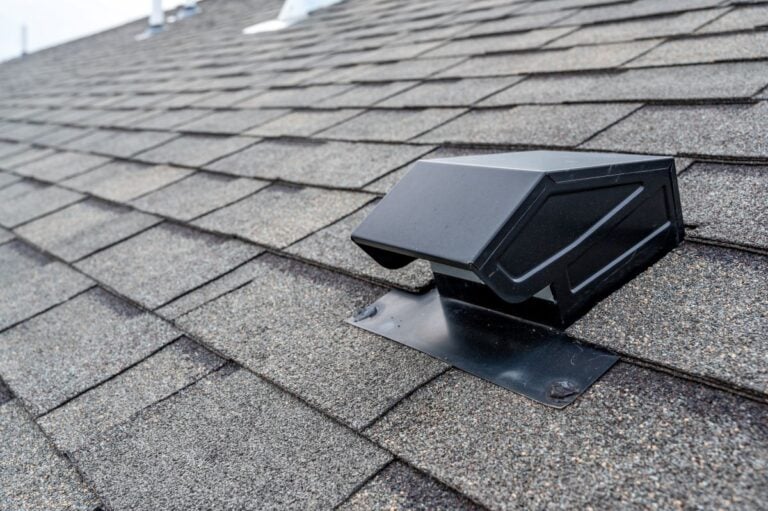
- Flashing and Vents: Look for dings, cracks, or peeling sealant around roof openings.
- Siding and Windowsills: Damage in these areas often mirrors roof impact levels.
- Attic and Ceilings: Stains or moisture spots indoors indicate water has already seeped in.
Comparing Minor vs. Major Hail Damage
Not all hail damage requires immediate roof replacement. Understanding the difference between minor and major damage helps you decide your next step.
Minor Damage
Minor hail damage often includes small surface dents, light granule loss, or minor coating scratches. These usually don’t impact roof performance but should be monitored closely. Scheduling an inspection ensures small issues don’t worsen over time.
Major Damage
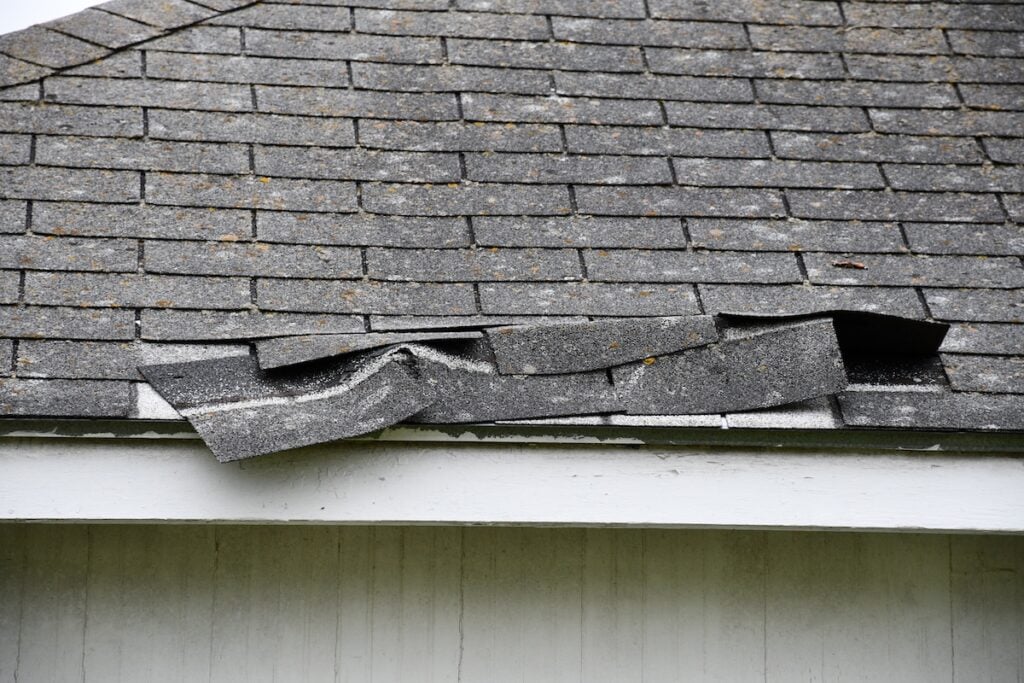
Major hail damage includes cracked shingles, visible leaks, or widespread bruising across roof sections. This type of damage compromises the roof’s protective barrier and should be repaired as soon as possible to avoid interior water damage or structural deterioration.
How To Identify Hail Damage vs. Normal Wear
It’s easy to confuse hail damage with regular aging, but a trained eye can tell the difference. Here are a few distinctions:
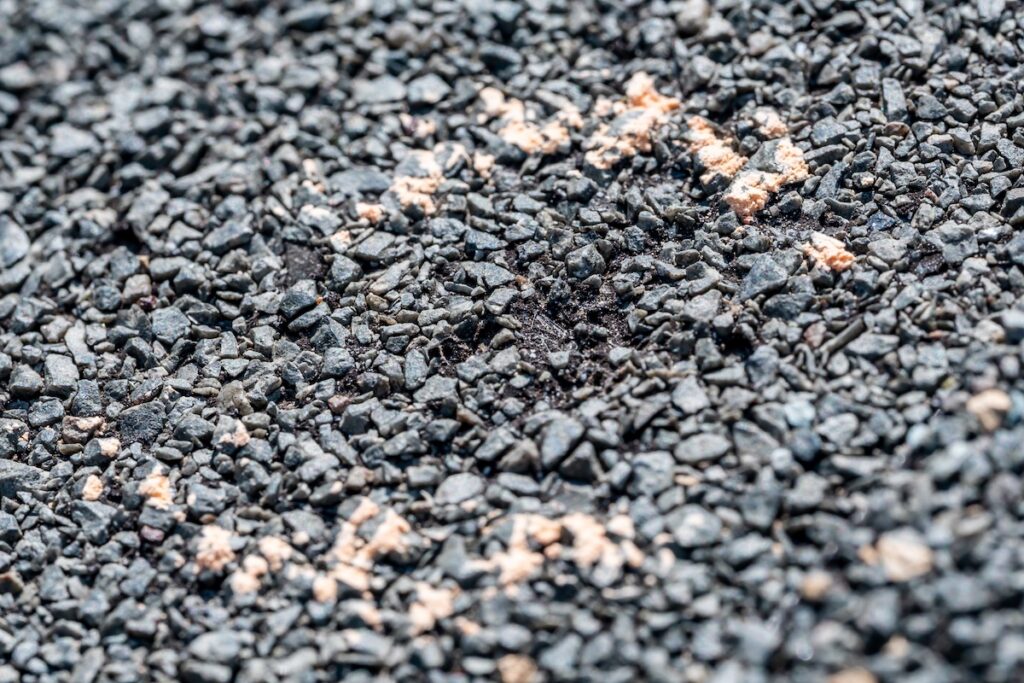
- Pattern consistency: Hail damage appears randomly, not in uniform lines like general wear.
- Surface feel: Hail impacts feel soft or bruised, while normal wear feels rough and rigid.
- Color contrast: Hail spots appear darker or shinier where granules have been knocked off.
- Timing: If marks appear right after a storm, hail is the likely culprit.
The Importance Of Professional Roof Inspections
While it’s possible to spot visible damage yourself, only a professional inspection provides a full picture of your roof’s condition. Springfield Roofing & Sheet Metal offers detailed inspections that assess the roof’s surface, underlayment, and supporting structures.
Safety First
Climbing onto a roof can be dangerous, especially when wet or damaged. Professionals have the right tools and safety equipment to conduct thorough evaluations without risk to homeowners.
Insurance Documentation
A certified roofer’s inspection report is often required by insurance companies. Our team provides detailed documentation and photos to help you support your claim and receive fair compensation for storm damage.
How Hail Damage Affects Roof Longevity
Left unchecked, hail damage can drastically shorten your roof’s lifespan. What starts as small bruises or dents eventually leads to granule loss, water infiltration, and material decay. Over time, the roof’s ability to reflect sunlight and resist moisture declines, resulting in higher energy bills and faster deterioration.
Increased Leak Risk
Once granules or coatings are stripped away, shingles absorb moisture. This allows water to seep into the underlayment and deck, causing slow leaks that can rot wood and compromise your attic’s insulation.
Reduced Energy Efficiency
Damaged roofs often reflect less heat, forcing your HVAC system to work harder during summer months. Regular inspections in Alexandria and surrounding areas help maintain your home’s comfort and efficiency year-round.
What To Do After Finding Hail Damage
If you suspect hail damage, take quick action to prevent further deterioration and simplify the insurance process.
- Document the damage: Take clear photos of dents, cracks, and granule loss.
- Check your insurance policy: Review coverage details and deductible limits.
- Schedule a professional inspection: Contact Springfield Roofing & Sheet Metal to verify the extent of damage.
- File a claim promptly: The sooner you file, the easier it is to link the damage to a recent storm.
- Make temporary repairs: Use tarps or sealants to prevent active leaks while waiting for full repairs.
Repair and Replacement Options
Depending on the level of damage, your roof may need partial repair or complete replacement. Our experts assess your roof’s condition and recommend the best course of action.
- Roof Repair: If damage is localized to a few areas, we can replace individual shingles or panels and reseal vulnerable sections. This restores your roof’s functionality without a full replacement.
- Roof Replacement: For extensive damage, replacing the roof ensures long-term protection. A new roof increases your home’s curb appeal, improves energy efficiency, and gives you peace of mind during future storms.
Why Homeowners in Alexandria Choose Springfield
Homeowners across northern Virginia trust Springfield Roofing & Sheet Metal for our honest assessments, quality craftsmanship, and storm restoration expertise. We’ve seen every type of hail damage imaginable and know how to repair it efficiently. Our team works directly with insurance providers and ensures your roof is restored to its original strength and beauty.

Protect Your Home From Hidden Hail Damage
Knowing what does hail damage look like on a roof empowers you to take quick, informed action after every storm. By learning the signs of impact and scheduling professional inspections, you can prevent costly repairs and protect your home for years to come. If you suspect hail damage, contact Springfield Roofing & Sheet Metal today. Our experienced team proudly serves Alexandria and surrounding areas with trusted roof inspections, repairs, and replacements designed to keep your home safe, secure, and storm-ready.