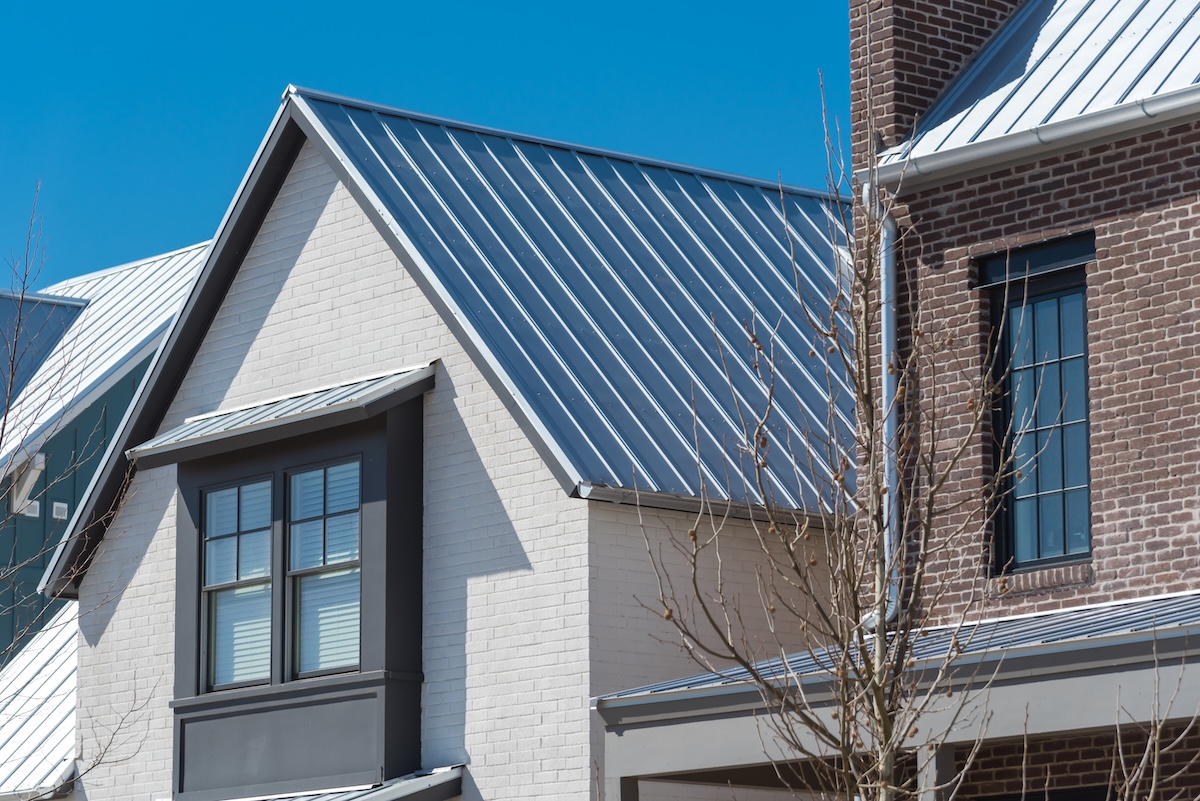
If you’re asking how long does a metal roof last, you’re likely considering a roofing option that’s known for its strength, durability, and long-term performance. Metal roofs are a smart investment for homeowners who want protection and style with minimal upkeep—but longevity depends on choosing the right material and maintaining it properly.
In this guide, you’ll learn:
- What factors affect a metal roof’s lifespan
- How to care for your roof to maximize performance
- Signs it’s time for professional maintenance or repair
⏰ Average Lifespan of Metal Roofs
The lifespan of a metal roof varies based on materials, installation quality, and exposure to weather, but most systems easily outlast traditional roofing options.
General Longevity Estimates
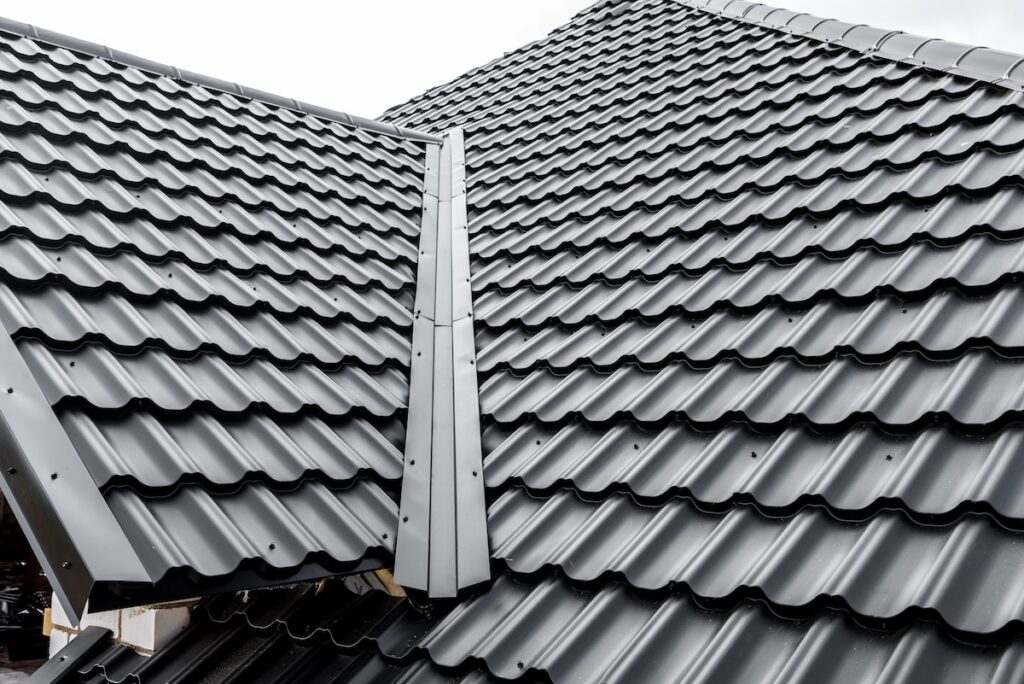
Metal roofs typically last 40 to 70 years when properly installed and maintained. This range depends on factors such as the metal type, paint finish, fastener style, and whether the roof is exposed to harsh conditions like snow, hail, or coastal moisture. With routine care, many metal roofs can exceed the 50-year mark without needing major repairs. In comparison, traditional asphalt shingle roofs often last just 20 to 30 years, making metal a superior long-term investment for homeowners who want to avoid frequent replacements. Clay tiles and wood shakes fall somewhere in the middle, but neither offers the same durability or fire resistance as metal.
Types of Metal Roofing Materials
Each metal offers a slightly different lifespan and level of durability:
- Steel: One of the most common options, steel roofs often last 40 to 60 years. Galvanized or galvalume coatings add corrosion resistance.
- Aluminum: Lightweight and rust-resistant, aluminum roofs perform well near saltwater and typically last 40 to 50 years.
- Copper: Known for its premium price and appearance, copper can last over 70 years and develops a natural patina over time.
- Zinc: Long-lasting and self-healing, zinc roofs can exceed 80 years with minimal maintenance, though they are less common in residential settings.
Factors That Influence Longevity
Several conditions can extend—or shorten—a metal roof’s lifespan:
- Installation quality: Poor flashing or panel alignment can allow leaks or rust to develop prematurely. Improper fastening or skipped sealant steps may also compromise the roof’s durability and shorten its expected lifespan.
- Roof pitch and drainage: Roofs with low pitch or poor water flow may trap moisture, leading to early damage. Standing water and debris buildup in flat areas increase the chance of corrosion and surface deterioration.
- Sun and heat exposure: UV rays and extreme temperatures can fade coatings or accelerate wear on painted finishes. Prolonged exposure also contributes to thermal expansion and contraction, which stresses panels over time.
⭐️ 5 Tips to Maximize Metal Roof Lifespan
Proper care can extend your roof’s performance and protect your investment for decades. Here are five ways to keep your metal roof in peak condition:
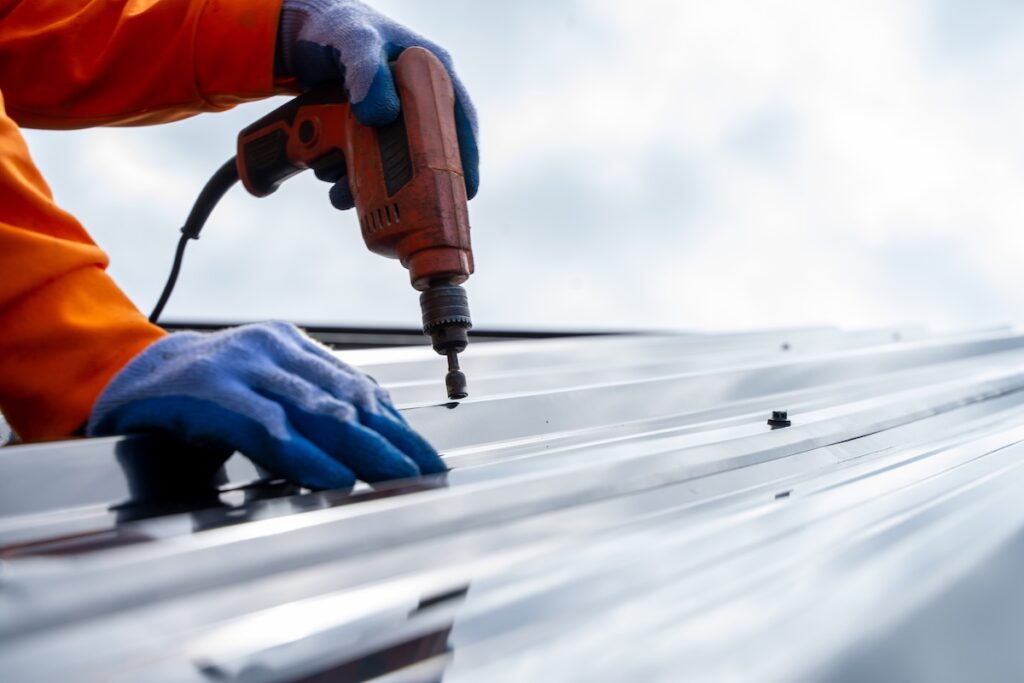
- Clean debris regularly: Leaves, branches, and buildup can trap moisture and accelerate corrosion, especially around seams and fasteners.
- Inspect annually: Check for loose panels, sealant deterioration, or signs of rust around flashing, vents, and fasteners.
- Repaint as needed: Recoating the surface restores UV protection and appearance while sealing small cracks or scratches.
- Address minor damage quickly: Small dents, loose screws, or punctures can lead to bigger issues if ignored—call a roofer for early repairs.
- Schedule professional maintenance: A trained roofing technician can catch issues you might miss and ensure proper drainage and fastening are intact.
🏚️ Common Signs of Wear or Damage
Even durable roofs show signs of aging over time. Here’s what to watch for so you can act early:
- Fading or chalking: Paint finishes may lose vibrancy or develop a white residue over time. While this is cosmetic, it can also signal exposure-related breakdown of protective layers.
- Loose or missing fasteners: Movement from wind, temperature changes, or aging seals can cause screws to loosen, opening paths for water.
- Rust spots or corrosion: Metal roofs with scratched or uncoated areas may develop rust—especially if exposed to standing water or debris.
- Panel separation: Shifting panels can result from poor installation, expansion and contraction, or improper fastening, and may require realignment or replacement.
🛠️ Maintenance Do’s and Don’ts
Keeping your metal roof in good shape doesn’t require a lot—but it does require the right approach.
Do:
- Inspect after storms: High winds, hail, and falling branches can cause immediate damage that needs quick attention. Even if no damage is visible from the ground, it’s worth checking the flashing, ridge caps, and fasteners after severe weather.
- Use soft tools: When cleaning the roof, avoid abrasive brushes or pressure washers that can scratch the finish. Instead, use a soft-bristled broom or sponge with a mild detergent to maintain the protective coating.
- Trim overhanging trees: Limbs that scrape or drop debris on your roof can lead to damage or promote algae growth. This simple step also helps reduce the risk of punctures or clogged gutters during heavy storms.
Don’t:
- Ignore small leaks: Even minor drips can cause insulation damage or interior staining—have them evaluated right away. Waiting too long could allow moisture to spread and damage framing or drywall beneath the roof.
- Walk on unsupported panels: If you must access your roof, step only on secure areas, or use professional help to avoid injury or damage. Walking improperly can dent panels or loosen fasteners, especially on standing seam systems.
- Apply aftermarket coatings without guidance: Some coatings may react poorly with factory finishes—check with a roofing expert first. Using the wrong product can void manufacturer warranties and create long-term issues with adhesion or corrosion.
💪 Invest in Long-Term Protection
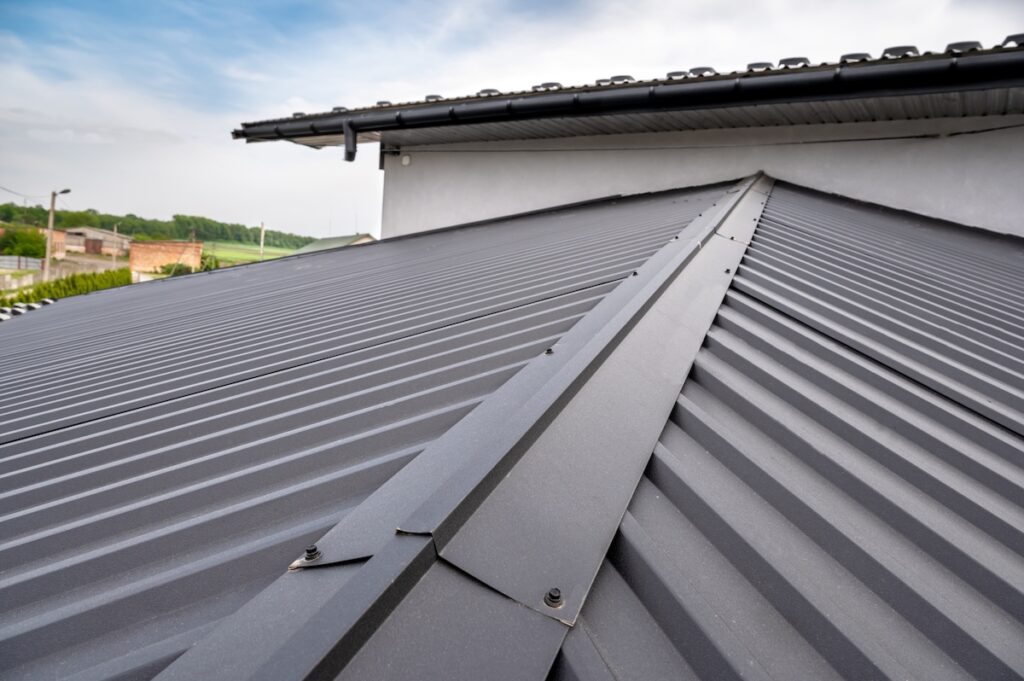
So how long does a metal roof last? With the right materials, proper installation, and basic maintenance, you can expect decades of worry-free performance and strong protection against the elements in Virginia.
Contact Springfield Roofing & Sheet Metal Inc. today to schedule a roof inspection, get a quote, or learn more about upgrading to a metal roof that’s built to last.